GeoLog

GeoLog

Imaggeo on Mondays: A slice of fossil life

Imaggeo on Mondays: A slice of fossil life

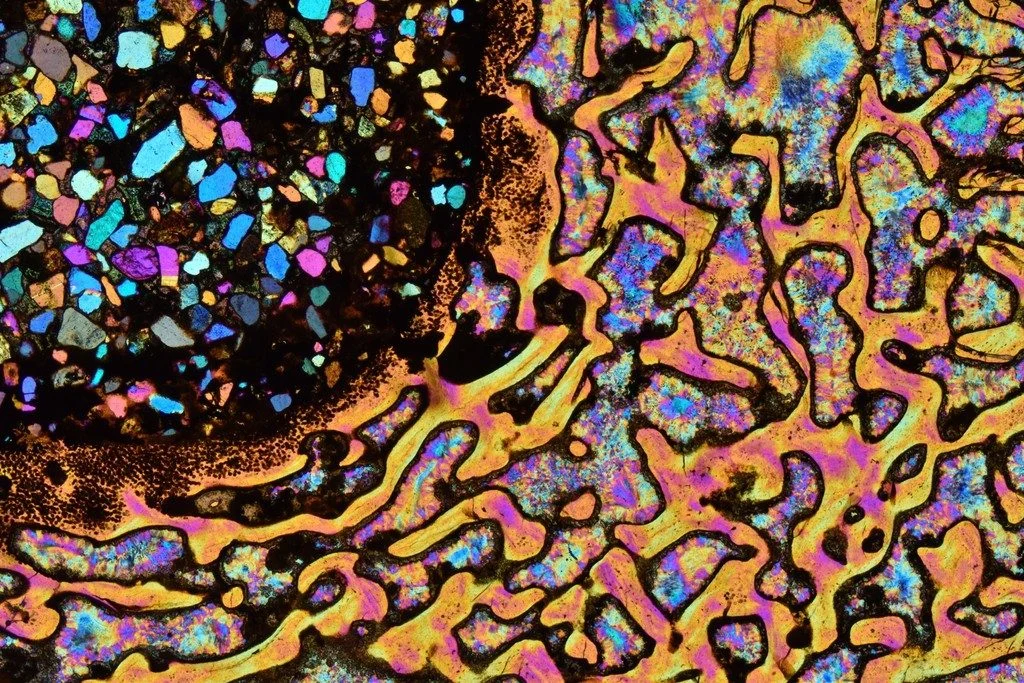
I am a petrographer at the University of Padova, Italy, studying the metamorphic rocks that form the deep Earth’s crust beneath our feet, and what happens when they get so hot to start to melt. I’ve spent (enjoyed I should say) more than 30 years looking at rocks with an optical microscope. This simple, cheap tool, and more importantly, its skilled use, remain key ingredients for good research in ...[Read More]

Iceland’s rootless volcanoes

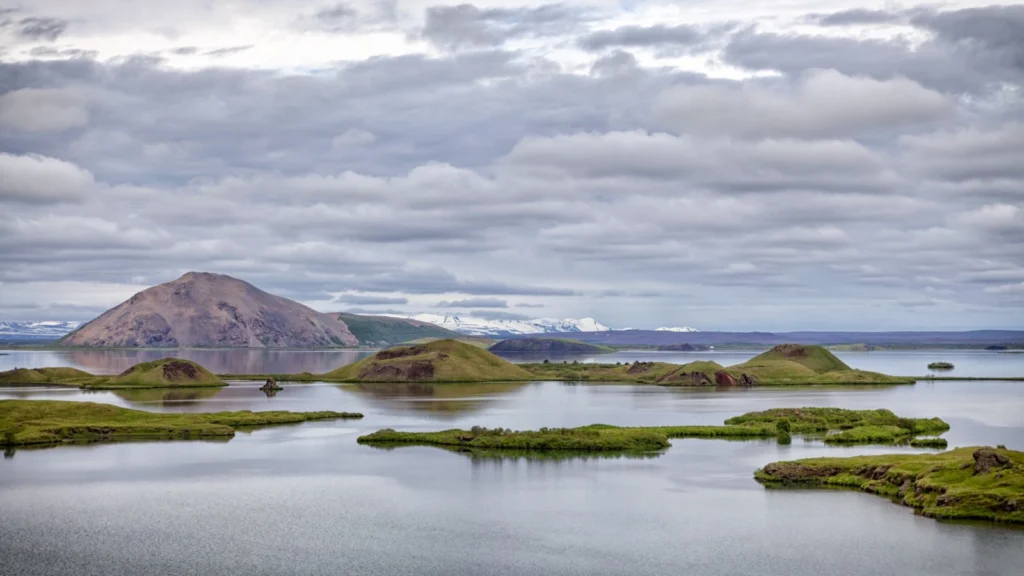
Iceland’s rootless volcanoes

Picture a volcano, like the one you learned about in primary school. Can you see it? Is it a big rocky mountain, perhaps with a bubbling pool of lava at the top? Is it perched above a chasm of subterranean molten rock? I bet you didn’t picture this: You’d be forgiven for mistaking these small volcanoes for a scene from the Lord of the Rings, or maybe a grassy version of the surface of Mars (in fac ...[Read More]

EGU 2019: How to make the most of your time at the General Assembly without breaking the bank

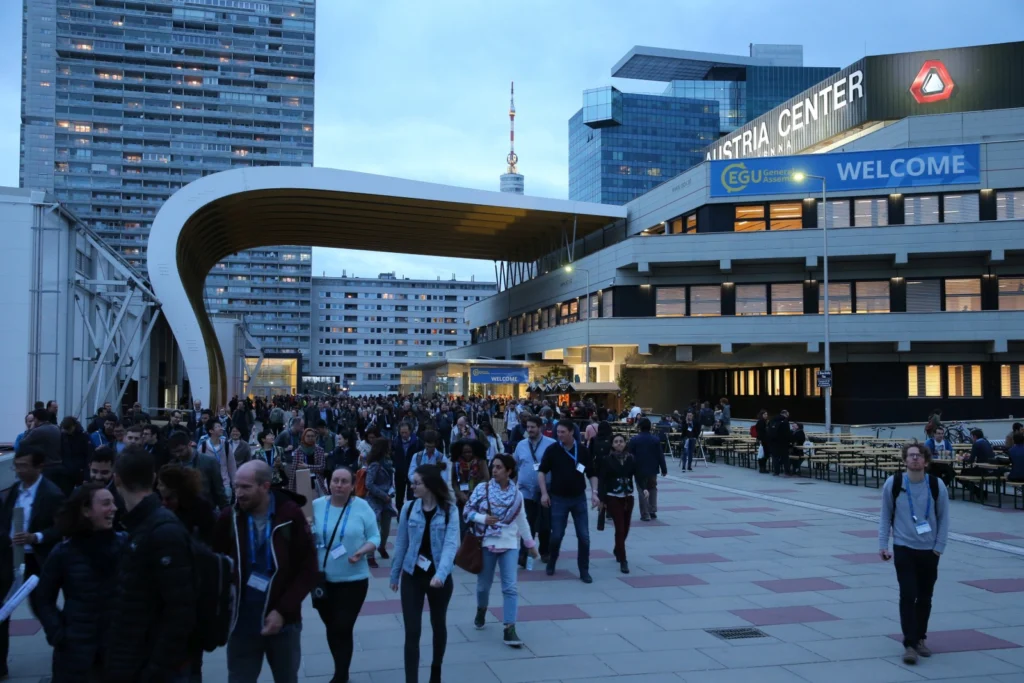
EGU 2019: How to make the most of your time at the General Assembly without breaking the bank

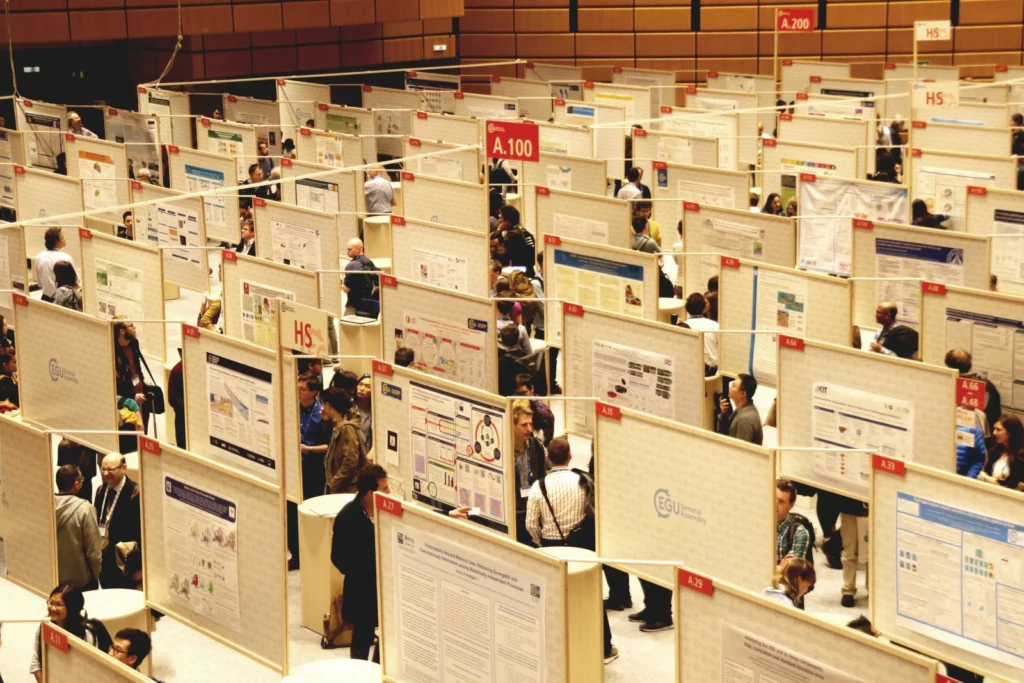
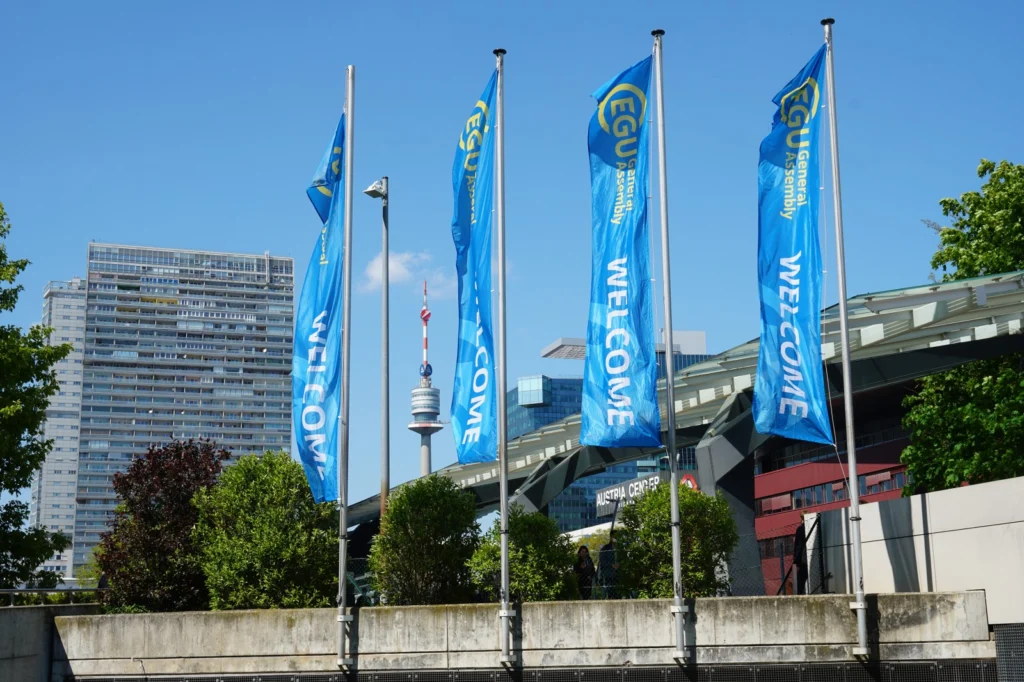
Attending a conference is not cheap, even if you’ve been lucky enough to secure some funds to help with travel, accommodation and/or registration costs. However, with a little insider knowledge from those who’ve attended the General Assembly many times before, it is possible to have a (scientifically) rewarding week in Vienna, without breaking the bank. Before you get there A sure way to save a fe ...[Read More]

Imaggeo on Mondays: An iceberg-sized issue

Imaggeo on Mondays: An iceberg-sized issue

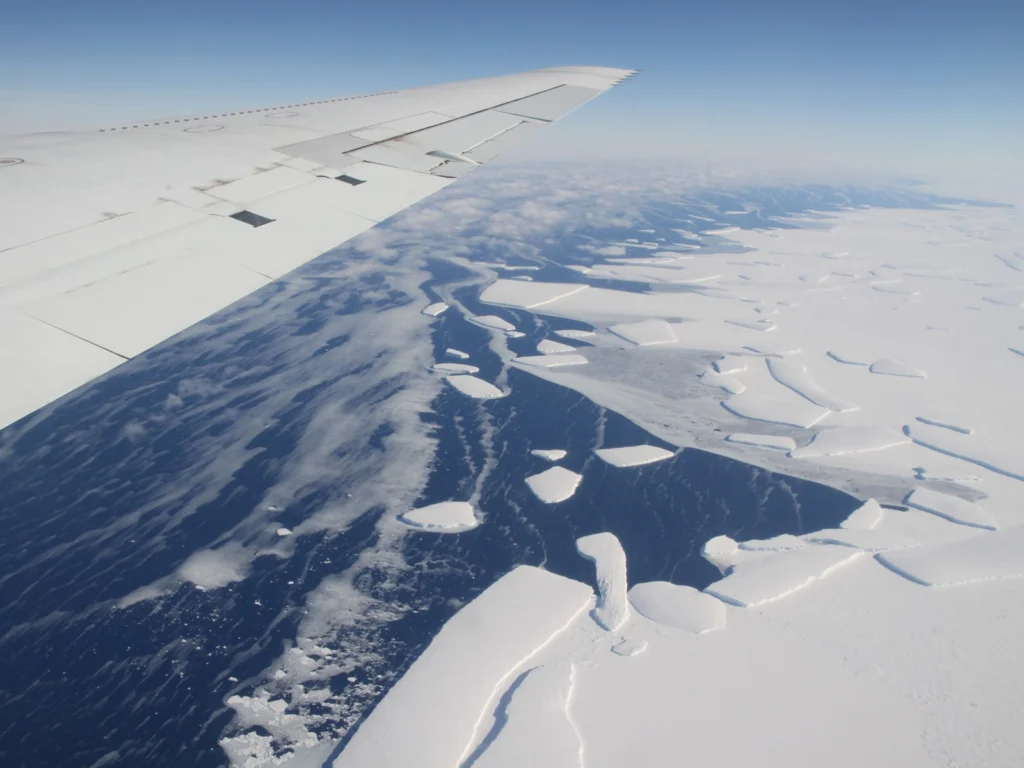
This was taken during a study, undertaken by me and my colleagues, on the sea ice of McMurdo Sound, Antarctica. We designed the project to document how supercooled water carrying suspended ice crystals flows along its pathway towards the open ocean. Ultimately, this work aims to assess the Ross Ice Shelf’s contribution of local melt to the long-term trend of increased sea ice cover around Antarcti ...[Read More]

How to increase reproducibility and transparency in your research

How to increase reproducibility and transparency in your research

Contemporary science faces many challenges in publishing results that are reproducible. This is due to increased usage of data and digital technologies as well as heightened demands for scholarly communication. These challenges have led to widespread calls for more research transparency, accessibility, and reproducibility from the science community. This article presents current findings and solut ...[Read More]

GeoTalk: Research reflections and lessons learned from Pinhas Alpert

GeoTalk: Research reflections and lessons learned from Pinhas Alpert

GeoTalk interviews usually feature the work of early career researchers, but this month we deviate from the standard format to speak to Pinhas Alpert, professor in geophysics and planetary sciences at Tel Aviv University and recipient of the 2018 Vilhelm Bjerknes Medal. Alpert was awarded for his outstanding contributions to atmospheric dynamics and aerosol science. Here we talk to him about his c ...[Read More]

Get involved: become an early career scientist representative

Get involved: become an early career scientist representative

Early career scientists (ECS) make up a significant proportion of the EGU membership and it’s important to us that your voices get heard. To make sure that happens, each division appoints an early career scientists representative: the vital link between the Union and the ECS membership. After tenure of two or four years, a few of the current ECS Representatives are stepping down from their post at ...[Read More]

Imaggeo on Mondays: A pink and blue evening

Imaggeo on Mondays: A pink and blue evening

At sunset, the light travels a longer path in the atmosphere to reach our eyes than when the sun is high in the sky. At this time of the day, the light is more subject to scattering, as it interacts with more air (molecules and particles) before reaching our eyes, which explains why the sun is much less luminous and can be observed directly without being dazzled. The sun appears redder because amo ...[Read More]

GeoPolicy: getting ready for the European Parliament Election

GeoPolicy: getting ready for the European Parliament Election

The European Parliament currently has 751 members who belong to one of the eight political groups, at least one of the 20 different committees and represent approximately 500 million people from the 28 EU Member States. The EU Parliament plays an extremely important role in the EU. It oversees the EU budget, launches investigations into specific issues and shares legislative powers with the Counci ...[Read More]

Do’s and don’ts for attending your first General Assembly

Do’s and don’ts for attending your first General Assembly

The prospect of attending a large international conference during your PhD can be really daunting, especially if you’re only in your second year and in the early stages of data collection. That’s why I hadn’t planned on going to one until my third year. But thanks to winning some travel funds, this time last year I was preparing to attend the EGU General Assembly 2018 in Vienna, a scary but exciti ...[Read More]