GeoLog

Regular Features

GeoTalk: Severe soil erosion events and how to predict them

GeoTalk: Severe soil erosion events and how to predict them

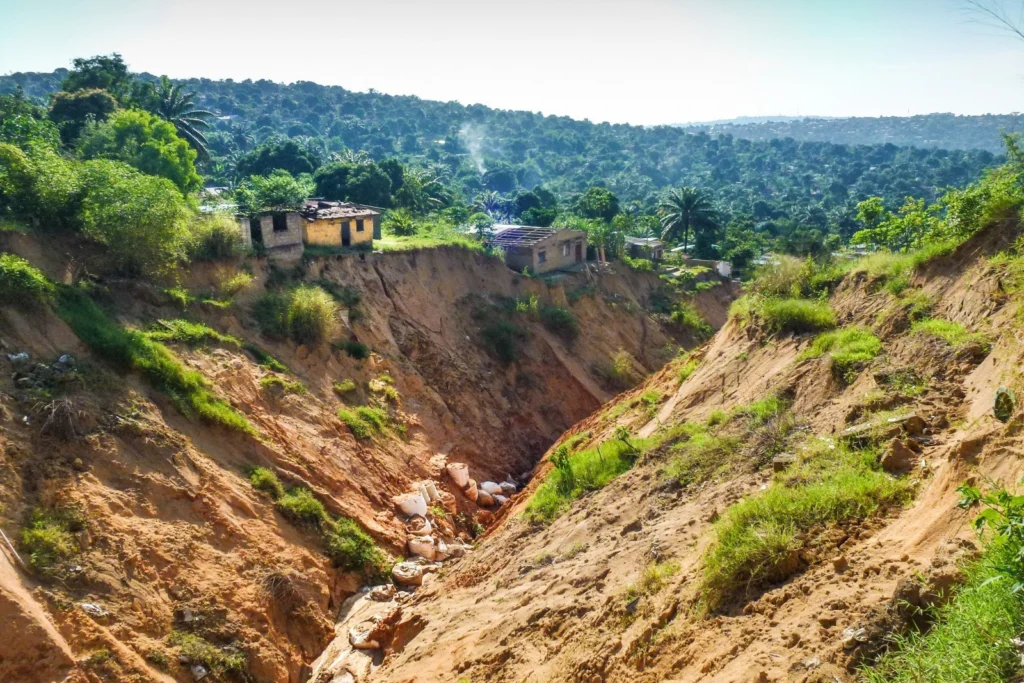
Geotalk is a regular feature highlighting early career researchers and their work. In this interview we speak to Matthias Vanmaercke, an associate professor at the University of Liège in Belgium who studies soil erosion and land degradation across Europe and Africa. At the EGU General Assembly he received the 2018 Soil System Sciences Division Outstanding Early Career Scientists Award. Thanks for ...[Read More]

Imaggeo on Mondays: Corno Grande, tallest peak of the Apennines

Imaggeo on Mondays: Corno Grande, tallest peak of the Apennines

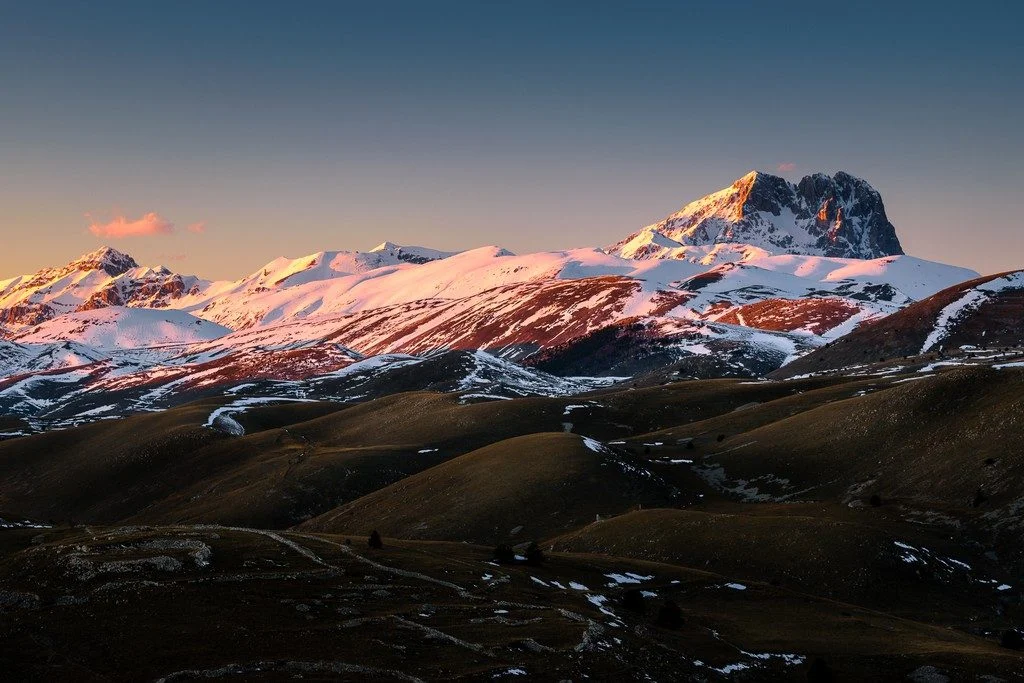
In the middle of the Apennines lays the Gran Sasso d’Italia mountain chain, a picturesque collection of mountains situated in the heart of Italy. Featured here is one of the chain’s peaks, called the Corno Grande, meaning ‘Big Horn,’ coloured with a faint reddish light of a late-winter sunset. Sitting at 2,912 metres, this summit is easily the highest mountain in the Apennines. The areas sur ...[Read More]

Geosciences Column: The best spots to hunt for ancient ice cores

Geosciences Column: The best spots to hunt for ancient ice cores

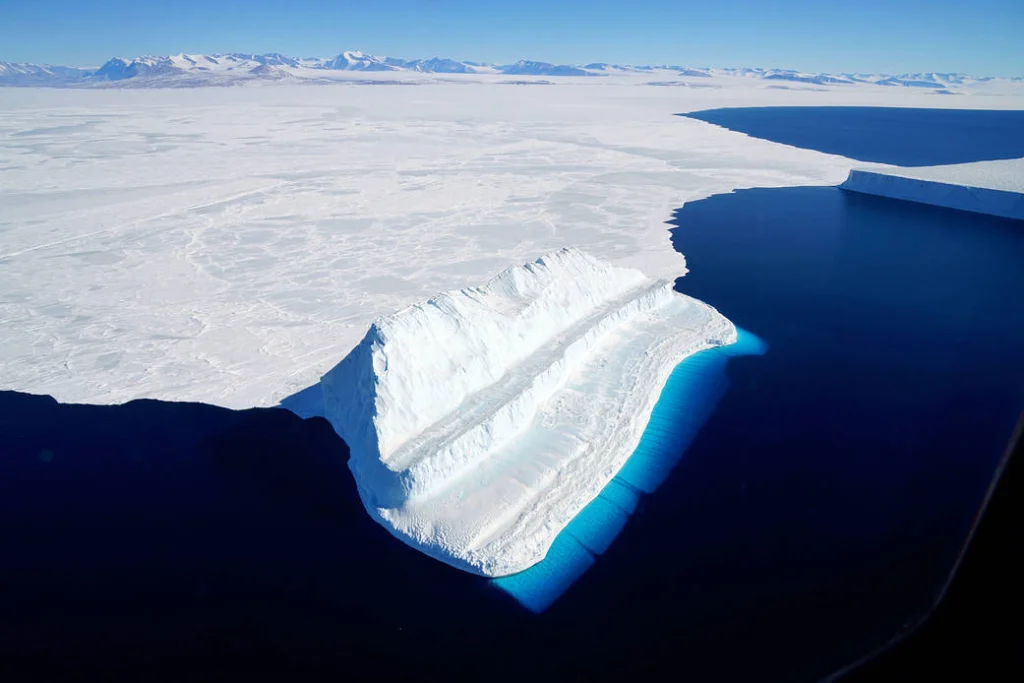
Where in the world can you find some of Earth’s oldest ice? That is the question a team of French and US scientists aimed to answer. They recently identified spots in East Antarctica that likely have the right conditions to harbor ice that formed 1.5 million years ago. Scientists hope that obtaining and analysing an undisturbed sample of ice this old will give them clues about Earth’s ancient clim ...[Read More]

Imaggeo on Mondays: Namibia’s mysterious fairy circles

Imaggeo on Mondays: Namibia’s mysterious fairy circles

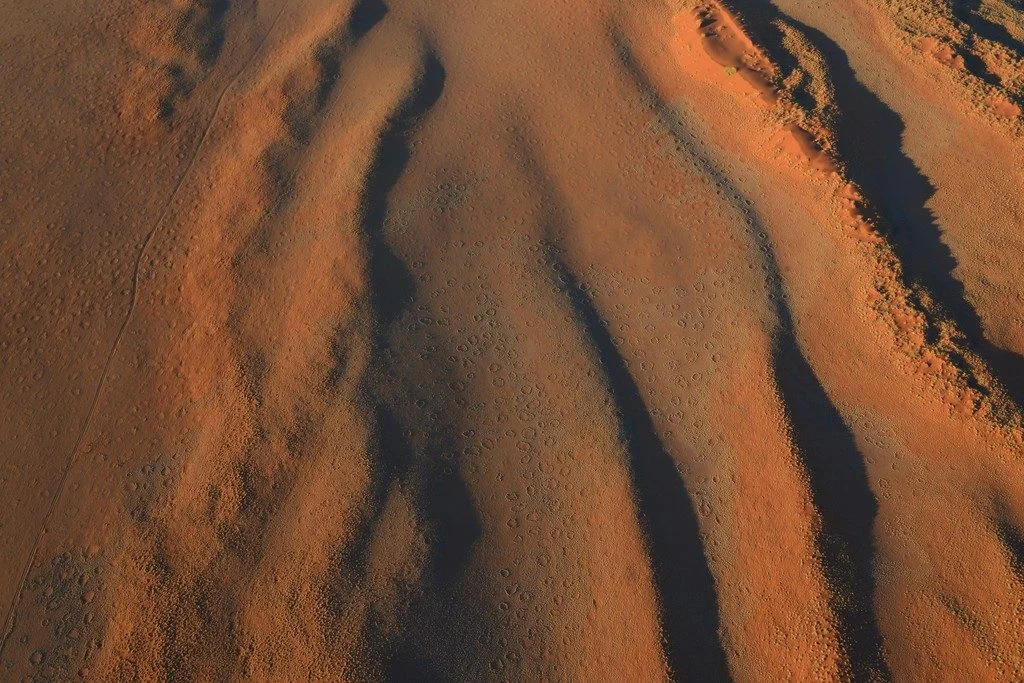
The grassy Namibian desert is pock-marked with millions of circular patches of bare earth just like these shown in the picture between linear dunes. Viewed from a balloon, they make the ground look like a moonscape. Commonly known as fairy circles, the patches range from two to 12 metres across and appear in a 2000 kilometre strip that stretches from Angola to South Africa. For many decades, the f ...[Read More]

June GeoRoundUp: the best of the Earth sciences from around the web

June GeoRoundUp: the best of the Earth sciences from around the web

Drawing inspiration from popular stories on our social media channels, as well as unique and quirky research news, this monthly column aims to bring you the best of the Earth and planetary sciences from around the web.  Major story   While May’s headlines may have been dominated by the Kilauea Volcano’s recent eruption in Hawaii, the science news world directed its attention to another volcanic ev ...[Read More]

Imaggeo on Mondays: Arctic cottongrass in Svalbard

Imaggeo on Mondays: Arctic cottongrass in Svalbard

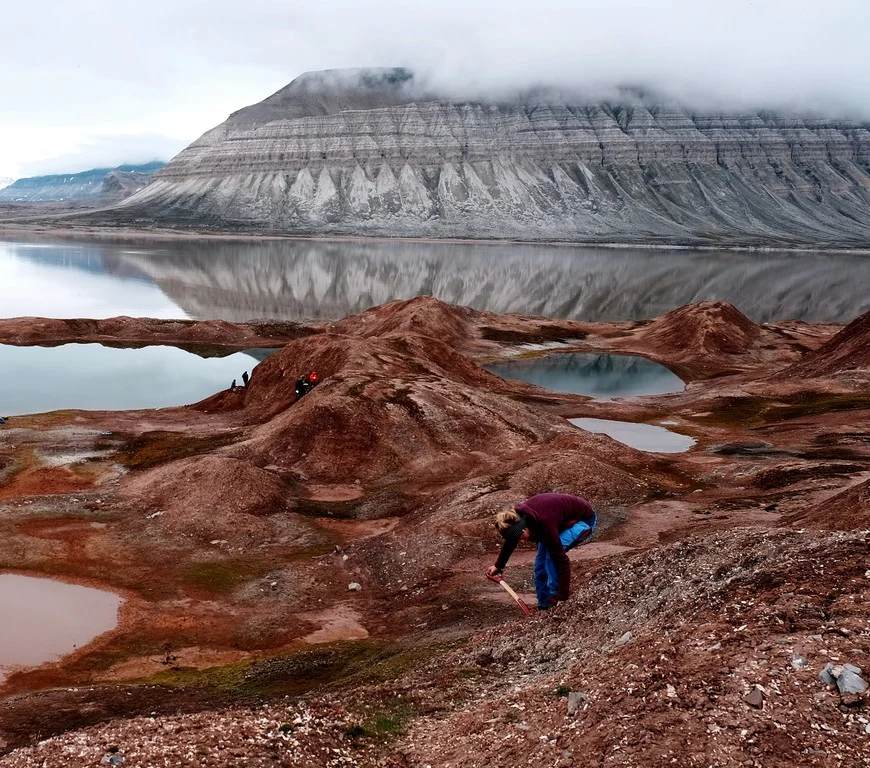
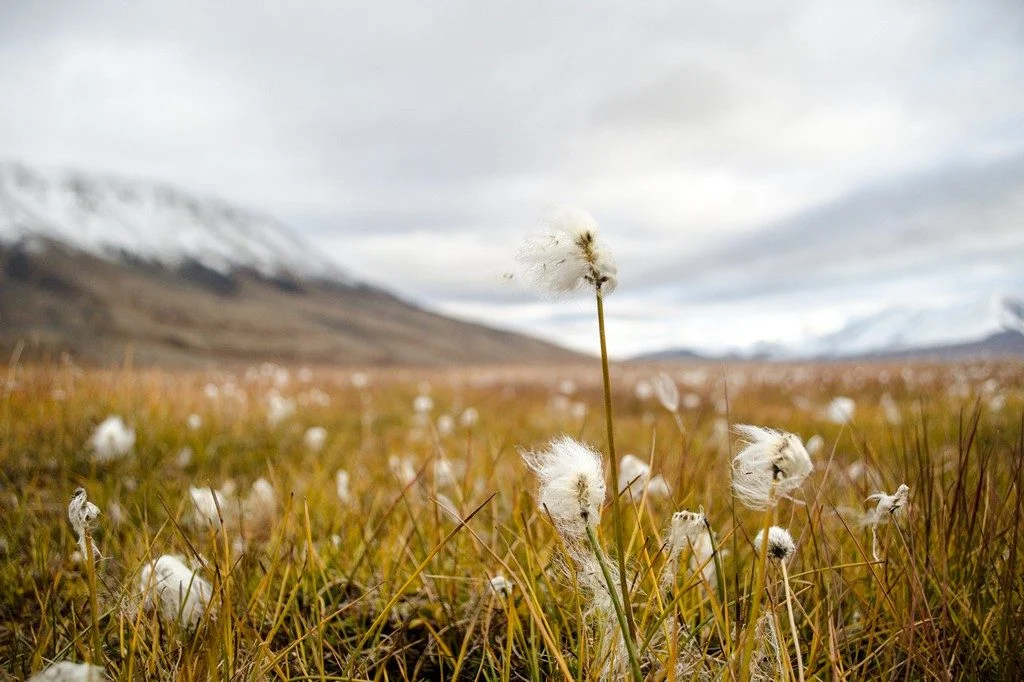
In the High Arctic, where vegetation is limited in height, cottongrass stands out as some of the tallest plant species around. This photo shows a wispy white patch of Arctic cottongrass growing amongst other tundra vegetation in the Advent river floodplain of Adventdalen, a valley on the Norwegian archipelago island Svalbard. Svalbard is of particular scientific interest as it is a relatively warm ...[Read More]

Imaggeo on Mondays: Science in the Arctic trenches

Imaggeo on Mondays: Science in the Arctic trenches

Pictured here are climate scientists processing ice core samples in the East Greenland Ice-core Project (EastGRIP) science trench 10 m under the surface of the Greenland ice cap. The trenches of this ice core camp require minimum building materials, utilising giant inflatable balloons that are dug in and covered with snow. The snow is left to compact for a few days, thereafter leaving back an arch ...[Read More]

Imaggeo on Mondays: The breath of our Earth

Imaggeo on Mondays: The breath of our Earth

This picture was taken in the Myvatn geothermal area in southeast Iceland. Seeing the geothermal steam vent in this area while the temperature was -22 degrees Celsius is the best experience in Myvatn. The difference between Iceland’s cold ambient temperature and the released heat from inside the Earth is a really stunning event to see. Iceland is situated in the middle of two tectonic plates (the ...[Read More]

GeoTalk: A new view on how ocean currents move

GeoTalk: A new view on how ocean currents move

Geotalk is a regular feature highlighting early career researchers and their work. In this interview we speak to Jan Zika, an oceanographer at the University of New South Wales in Sydney, Australia. This year he was recognized for his contributions to ocean dynamics research as the winner of the 2018 Ocean Sciences Division Outstanding Early Career Scientists Award. First, could you introduce your ...[Read More]