The EGU General Assembly 2019 took place in Vienna last month, drawing more than 16,000 participants from 113 countries. This month’s GeoRoundUp will focus on some of the unique and interesting stories that came out of research presented at the Assembly! Major Stories Glacial disappearing act in the European Alps New research from a team of scientists estimated the future of all glaciers within th ...[Read More]
GeoPolicy: What inspires you to be a scientist?
What inspires you to be a scientist? For me, the motivation comes from a strong desire to make the world a better place, to use our skills and knowledge as scientists to help society and shape the future. Increasing our collaboration and involvement is an excellent way to expand our influence, but for early career scientists (ECS) like me, it can be a challenging task. EGU has an incredible opport ...[Read More]
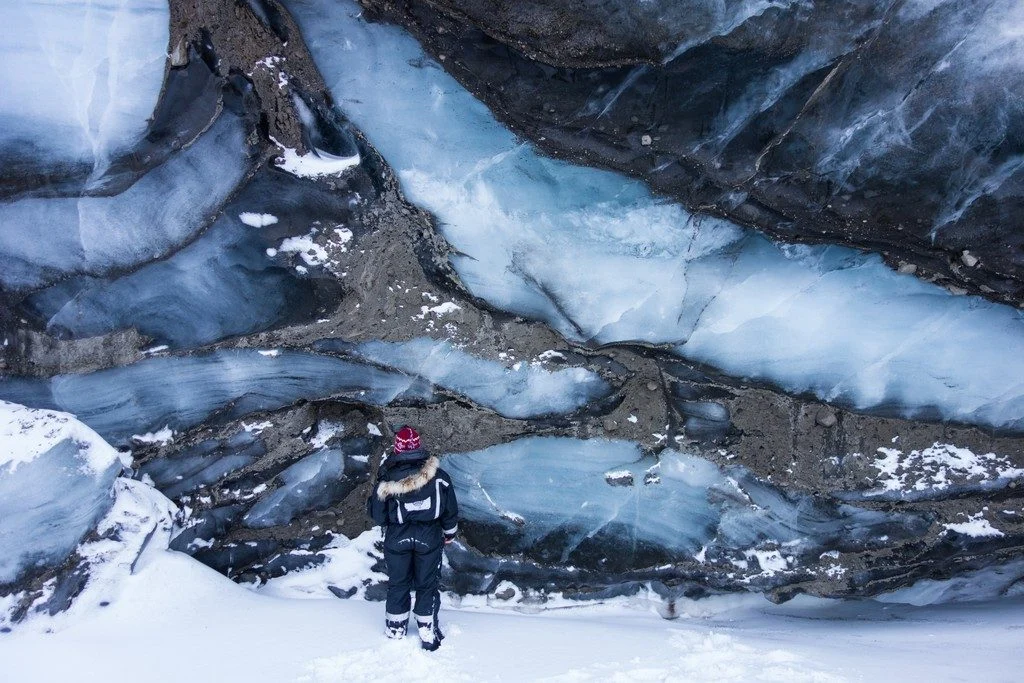
Imaggeo on Mondays: Up close and personal with Svalbard glaciers
A University Centre in Svalbard (UNIS) Glaciology student examines the calving front of the Paulabreen glacier [in Spitsbergen, Svalbard], taking advantage of sea ice in the Rindersbukta fjord to safely approach the front. Paulabreen is a surge-type glacier, which means that it periodically switches between long periods of slow, stable flow to short-lived periods of very fast flow during which it ...[Read More]
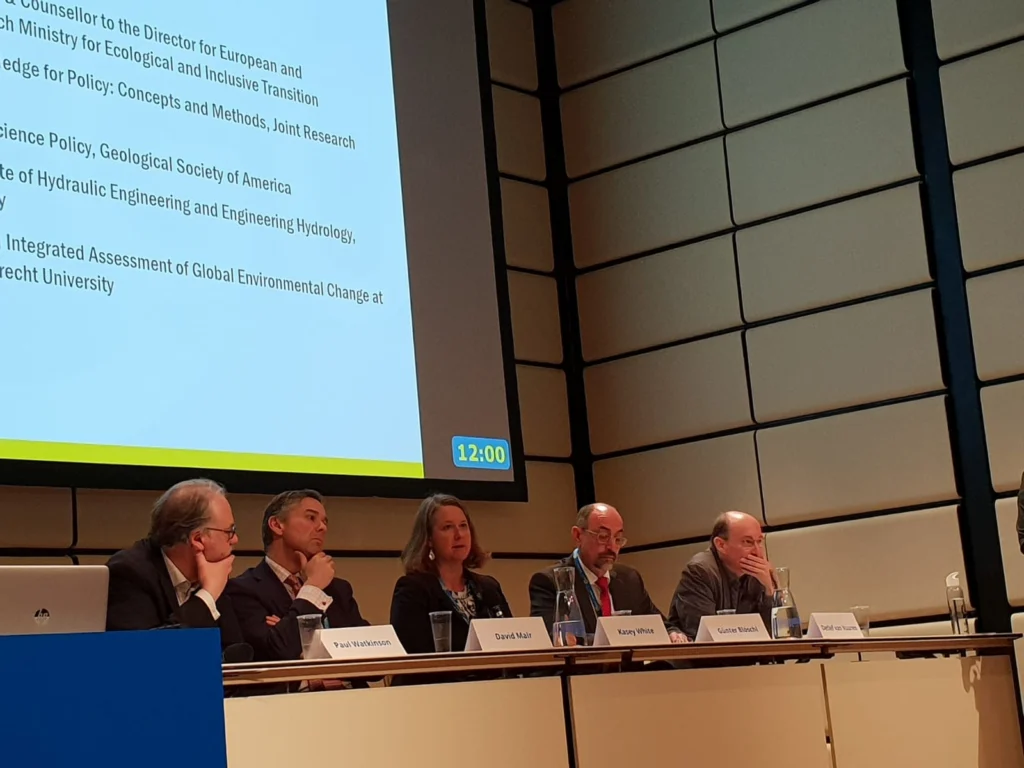
GeoPolicy: Science in policymaking: Who is responsible?
Should scientists actively approach policymakers in order to guide their decision-making processes, or is it the policymakers’ responsibility to seek scientific advice? In the first of the Great Debates at this year’s European Geosciences Union General Assembly in Vienna a mixed panel of policymakers and geoscientists tried to answer who should be responsible for making sure that science was used ...[Read More]
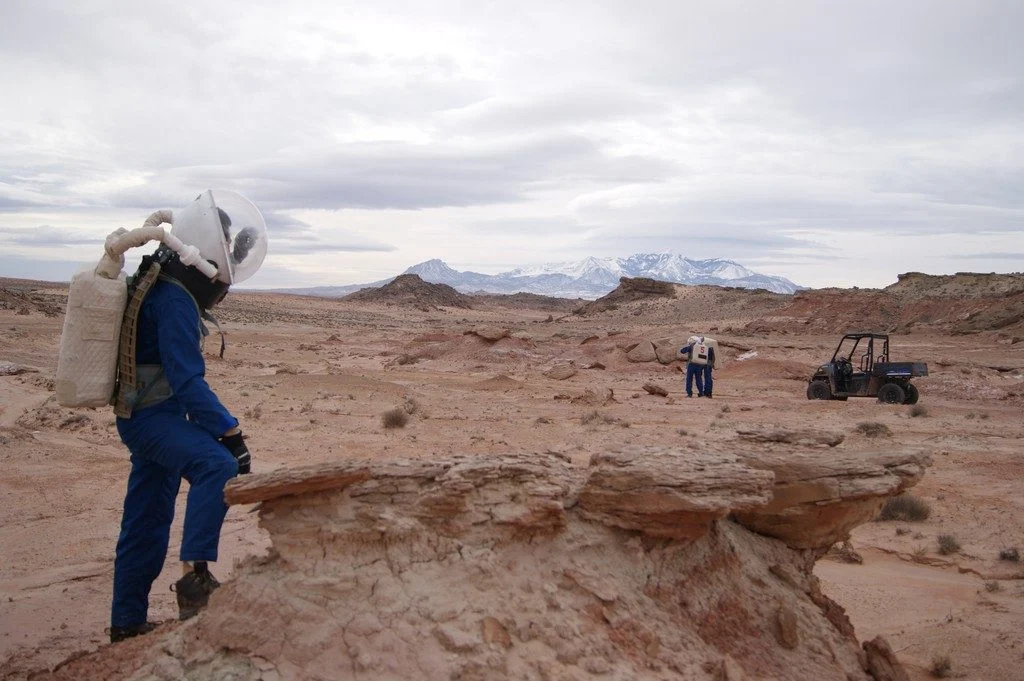
Imaggeo on Mondays: Simulating a mission on Mars
Establishing a human presence on Mars is increasingly seen by space agencies and private organizations as the horizon frontier in human space exploration. These long-duration missions however, impose a high degree of technological, operational, physical and psychological challenges. Mars analog habitats, such as the Mars Desert Research Station (MDRS) in Utah (U.S.) are established to conduct fiel ...[Read More]
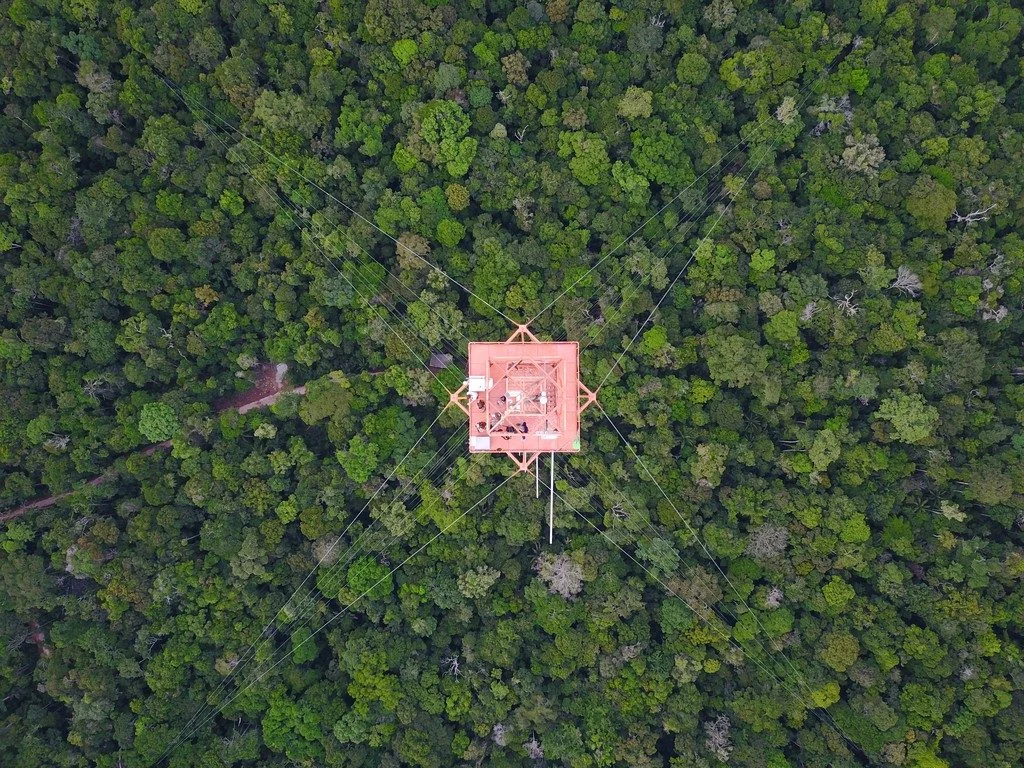
Imaggeo on Mondays: Science above the Amazon rainforest
The color and symmetry of the Amazon Tall Tower Observatory (ATTO) sticks out against the endless green of the rainforest. Built in a remote and pristine location, the ATTO tower is the tallest construction in South America. In a joint Brazilian-German project, atmospheric scientists aim to unravel the interaction of pristine rainforest with the atmosphere. With its height of 325 meters, the ATTO ...[Read More]
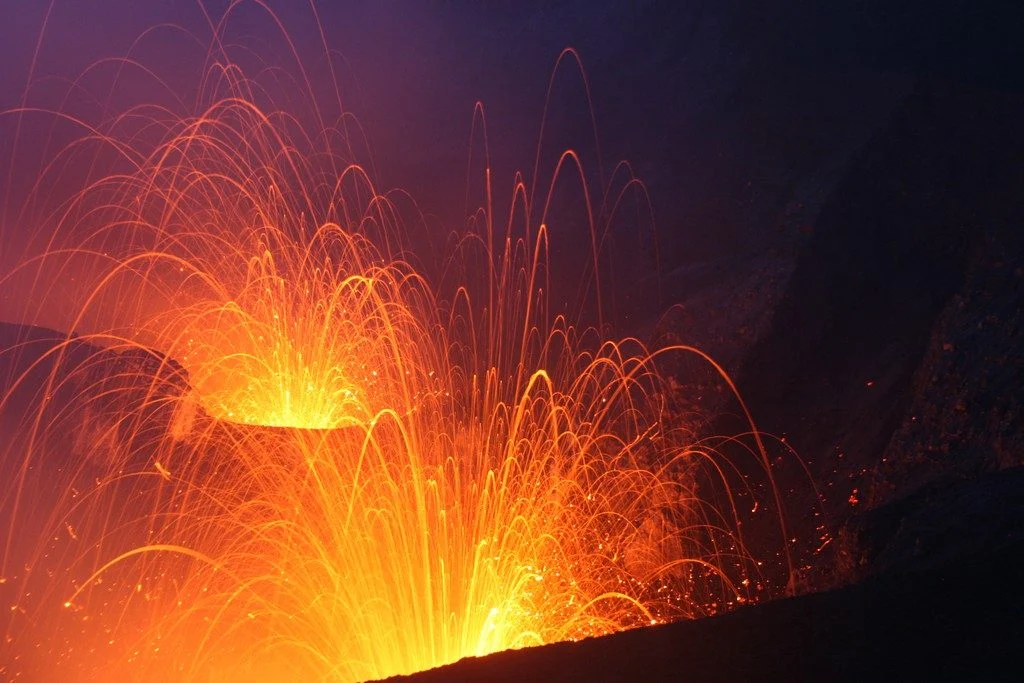
Imaggeo on Mondays: Double strombolian explosions at Mt. Yasur volcano
The Yasur volcano located in Vanuatu archipelago is permanently active since its discovery in 1774 by Cpt. James Cook. Its activity consists mainly in moderate regular strombolian explosions within the crater. But sometimes, more powerful explosions throw ash and bombs beyond the crater rim and may represent a hazard for tourists and people living next to the volcano. Otherwise, the Mt Yasur displ ...[Read More]
GeoPolicy: Science for Policy at the 2019 General Assembly!
The EGU General Assembly is the largest geoscience meeting in Europe. Not only does it have a diverse array of sessions that you can attend within your own area of expertise but there are also thousands of sessions that will be outside of your research field, as well as sessions on topics that can be applied to a wide range of scientific divisions, jobs and industries – such as science for p ...[Read More]
Geosciences Column: Flooded by jargon
When hydrologists and people of the general public use simple water-related words, are they actually saying the same thing? While many don’t consider words like flood, river and groundwater to be very technical terms, also known as jargon, water scientists and the general public can actually have pretty different definitions. This is what a team of researchers have discovered in recent study, and ...[Read More]
Imaggeo on Mondays: High above the top of Europe
Sentinel-2B imaged the highest mountains of western Europe, just the moment an airplane was about to fly over the granite peaks of Grandes Jorasses and cross the border from France to Italy. The passengers on the right side of the plane must have enjoyed a spectacular view on Mont Blanc, just nine kilometers away to the south-west, and Mer de Glace, the longest glacier in France flowing down from ...[Read More]