GeoLog

Regular Features

Imaggeo On Monday: Fingerprint in the cotton

Imaggeo On Monday: Fingerprint in the cotton

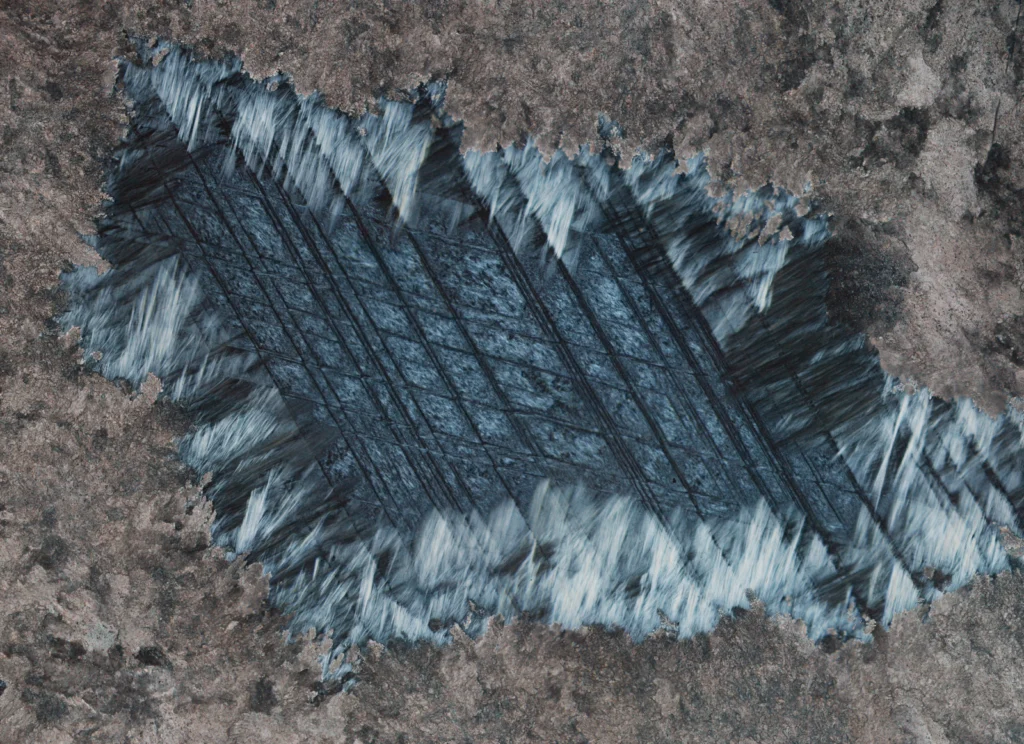
This photo is taken at the Pamukkale (meaning “cotton castle” in Turkish), a natural site near Denizli, Turkey. This location is world famous for terraces made of snow-white travertine, a sedimentary rock deposited by water from the hot springs, and a stunning turquoise water color. Close look at the surface texture reveals an extraordinary pattern created by the thermal water slowly f ...[Read More]

GeoPolicy: Exploring life inside the European Parliament

GeoPolicy: Exploring life inside the European Parliament

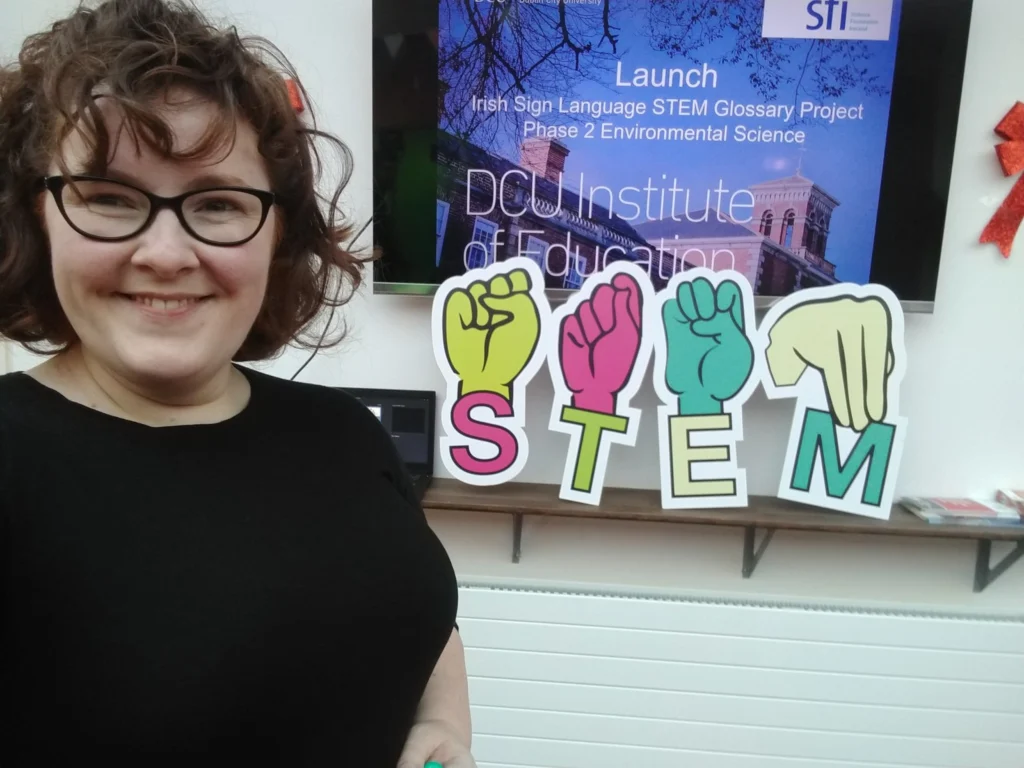
The EGU’s annual Science-Policy Pairing Scheme connects a selected EGU member with a Member of the European Parliament to promote evidence-informed policymaking and encourage stronger science-policy partnerships! In November 2022, EGU Member of Manchester Metropolitan University Elias Symeonakis was paired with the selected Member of the European Parliament, Norbert Lins, an MEP representing Germa ...[Read More]

Imaggeo On Monday: Wannabe cubic calcite

Imaggeo On Monday: Wannabe cubic calcite

This imperfect cube of calcite was formed on the gold surface during the electrochemically assisted scaling process. Once negative electrochemical potential is applied to the gold surface, the oxygen dissolved in water undergoes reduction, yielding hydroxide anions. These anions accumulate at the gold-solution interface, forming a high pH layer. As calcite becomes less soluble with the increasing ...[Read More]

When nature isn’t “natural”: Reflections on World Wetlands Day

Credit: Ragnar Sigurdsson (distributed via imaggeo.egu.eu)

In 1821, peat cutters discovered a body similar to a mummy, pinned down by two wooden stakes deep in the mud. The body’s face still held red hair and a beard, their teeth were well preserved, and a hoop of willow was wrapped around their throat. But this wasn’t the dry, hot climate of Egypt but a cold and rain-sodden bog of Ireland. Later assessment suggested that these were the remain ...[Read More]