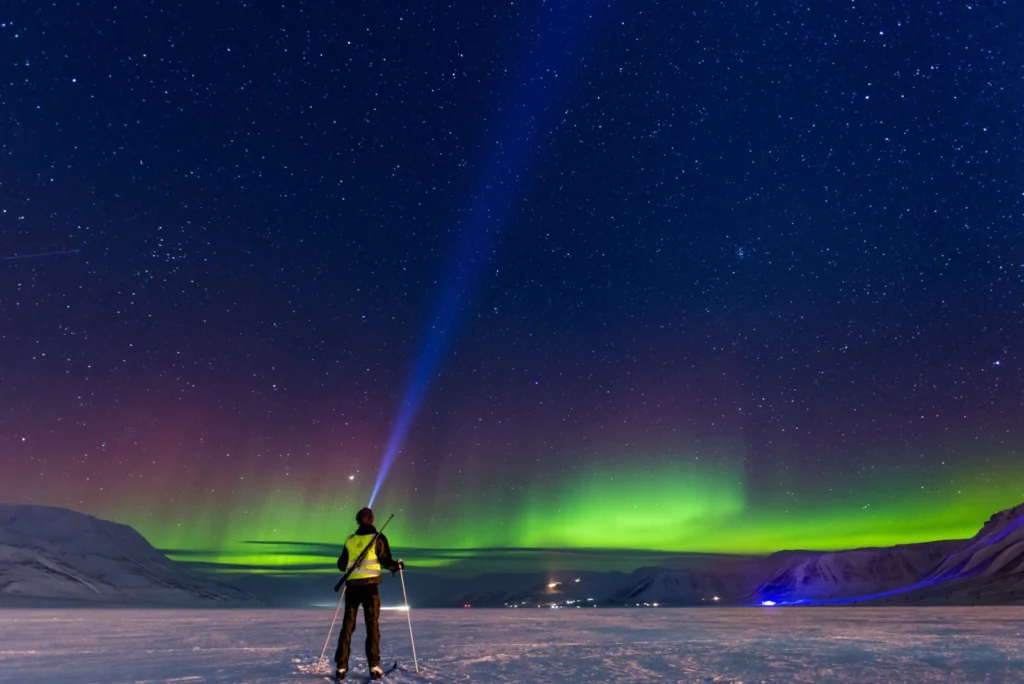
This month’s GeoPolicy Blog post unpacks the Directive on Soil Monitoring and Resilience, it’s impacts from research to regulation and how scientists can get involved with it. It can be challenging for scientists to understand and engage with the European policymaking process. The intricacies and nuances of the legislative process, with its numerous institutions, committees, …[Read More]
Regular Features
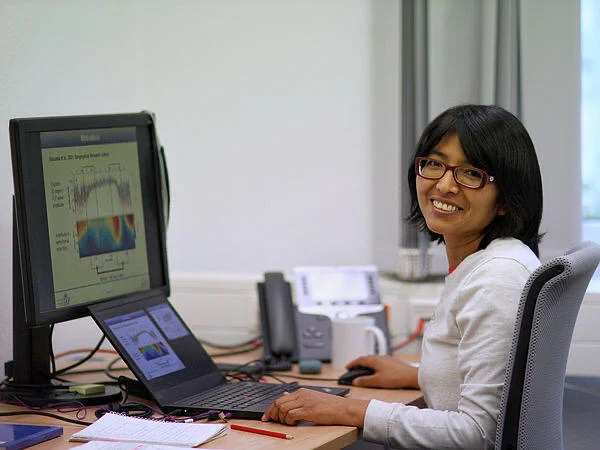
GeoTalk: Meet Liliana Macotela, researcher of radio waves at the Earth-Space boundary & Solar-Terrestrial ECS Representative!
Hi Liliana. Welcome to GeoTalk! Can you tell us a bit about yourself and your background? Hi, I was born in the highlands in Peru. This gave me the advantage of living more in contact with nature. Since I remember, I was fascinated about the shape of the clouds, the sounds of the wind in …[Read More]
International Archaeology Day: Challenging stereotypes about migration
Discoveries like excavations of prehistoric civilizations, shipwrecks with long-lost treasures, forgotten cities, and ancient tombs and temples, paint a vivid picture of archaeology and human history. Yet understanding how cultures evolved is often a more laborious process focused on prosaic finds; pottery shards, tools, implements, skeletal remains, art, inscriptions, pollen or soil samples, among other …[Read More]
GeoRoundup: the highlights of EGU Journals published during September!
Each month we feature specific Divisions of EGU and during the monthly GeoRoundup we put the journals that publish science from those Divisions at the top of the Highlights roundup. For September, the Divisions we are featuring are: Climate: Past, Present & Future (CL), Earth and Space Science Informatics (ESSI) and Hydrological Sciences (HS). They …[Read More]
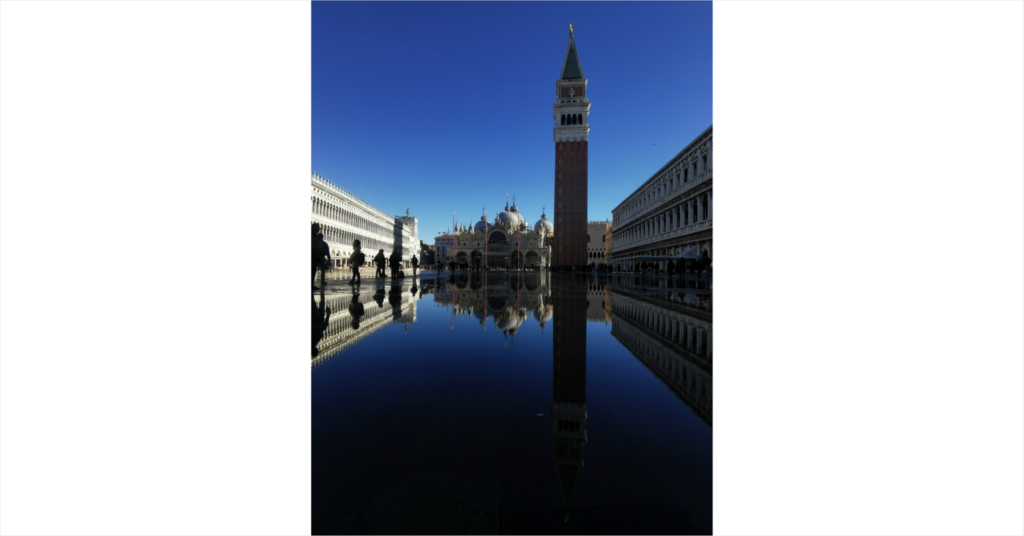
Imaggeo On Monday: Venice, the city of resilience, the city of mirrors and mirages
High tide captured during the morning of November 6th, 2023 in Piazza San Marco, Venice (Italy). The MOSE system of mobile gates, designed to defend the Venice lagoon from tides up to 3 metres high, is not activated for tide levels below 110 cm. However, when the tide reaches 83 cm, the lowest point of …[Read More]
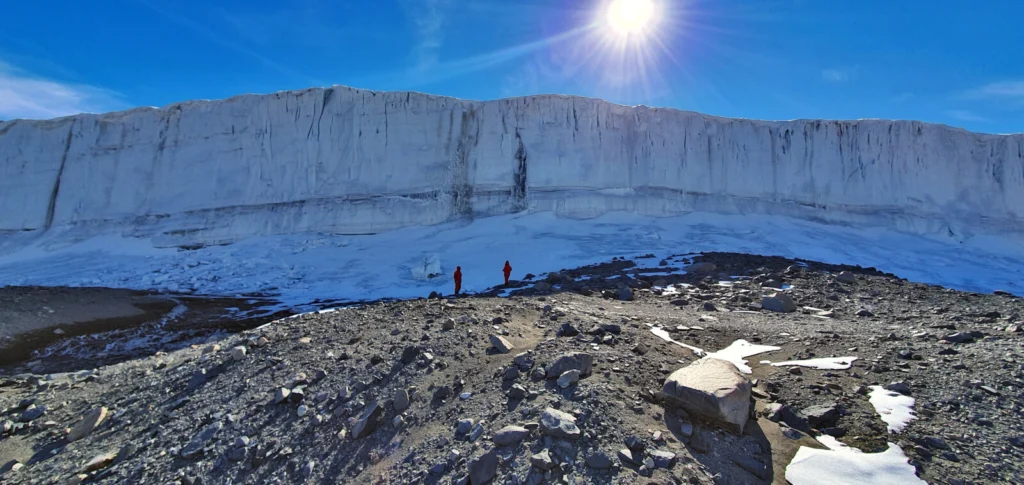
Researchers share insights from first-of-its-kind ice loss study of Antarctic Ice Sheet
Hi Ronja and Emily, thank you for agreeing to doing this interview. Could you tell us briefly about your background and how you came to research your field? Emily: I have an environmental science/physical geography background and I have been working with an ice sheet model during and after my PhD to understand how glaciers …[Read More]
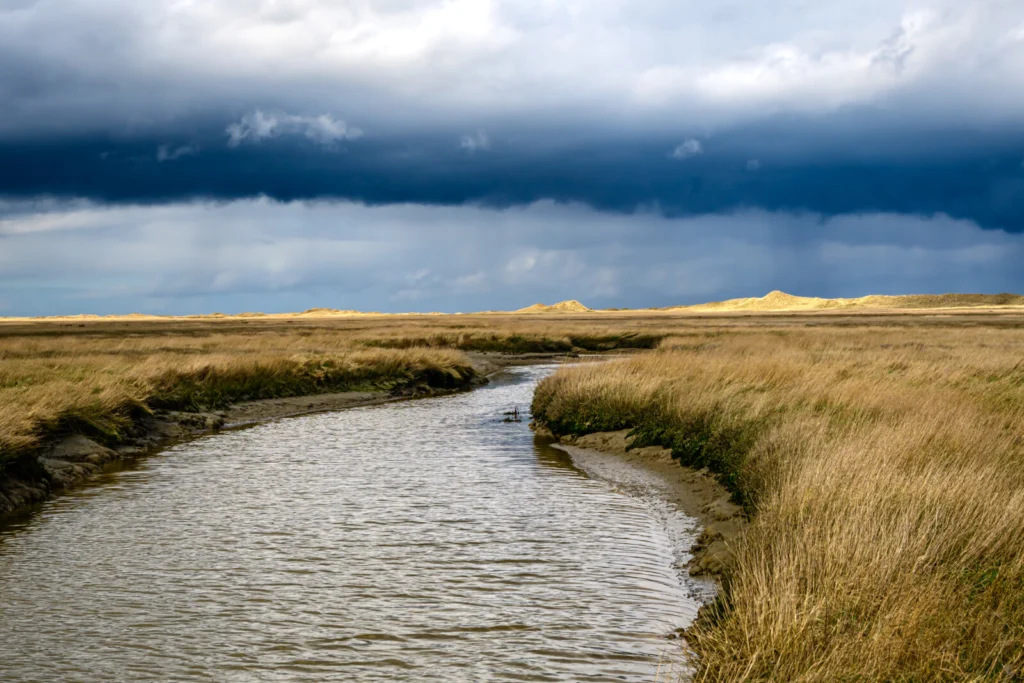
Imaggeo On Monday: Tidal channel and saltmarsh in Germany
“A tidal channel (‘Priel’) in a saltmarsh of the Wadden Sea, northern Germany.” Tidal channels are an integral part of salt marshes and form naturally, connecting the marsh with the nearest water body. These tidal channels provide an ecological bounty for a diverse range of life, from plants to invertebrates to birds and mammals – …[Read More]
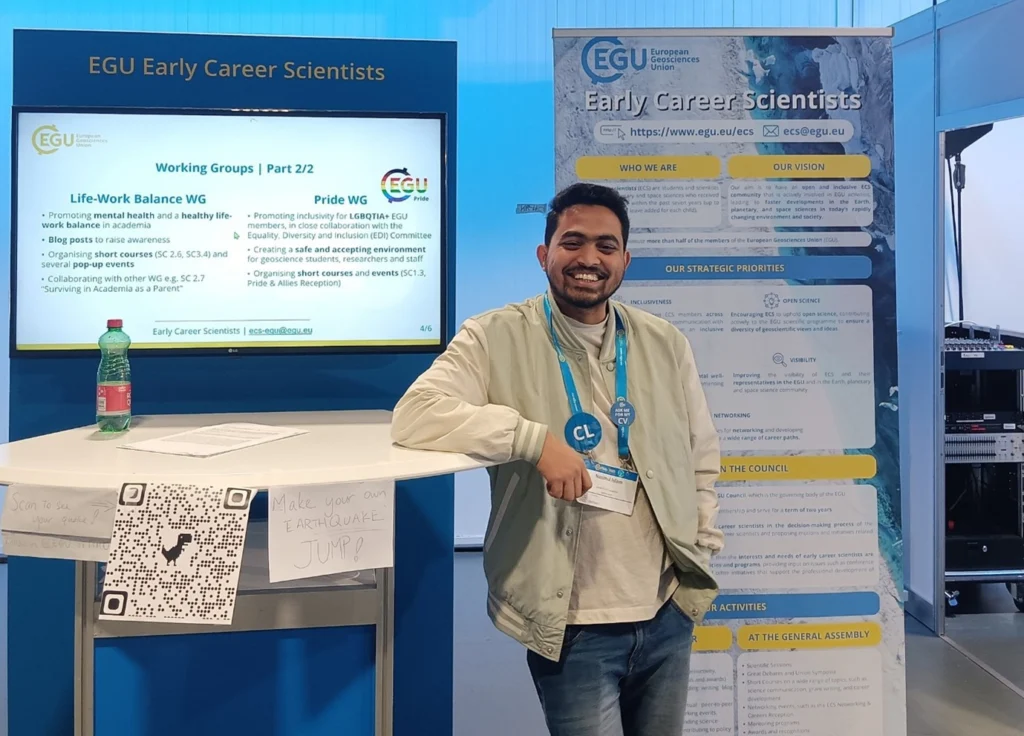
GeoTalk: meet Nazimul Islam, Dendrochonrologist and Climate ECS Representative!
Hi Naz. Thanks for joining us for this edition of GeoTalk! How did you get into studying tree rings? Hello, thank you for inviting me! Well there is an interesting story behind this so let me share it with you. I was always fascinated by our natural environment, particularly mountains, glaciers, and rivers. That motivated …[Read More]
GeoPolicy: Insights for the Green and Digital Transition
This month’s GeoPolicy Blog post dives into the Science Europe publication, Science–Policy in Action: Insights for the Green and Digital Transition, which aims to contribute to the development of a framework for Science-Policy Interfaces, map the interface activities coordinated by their member organisations, and identify areas where these activities could be improved. Not only does …[Read More]
Imaggeo On Monday: Elegance with no functionality
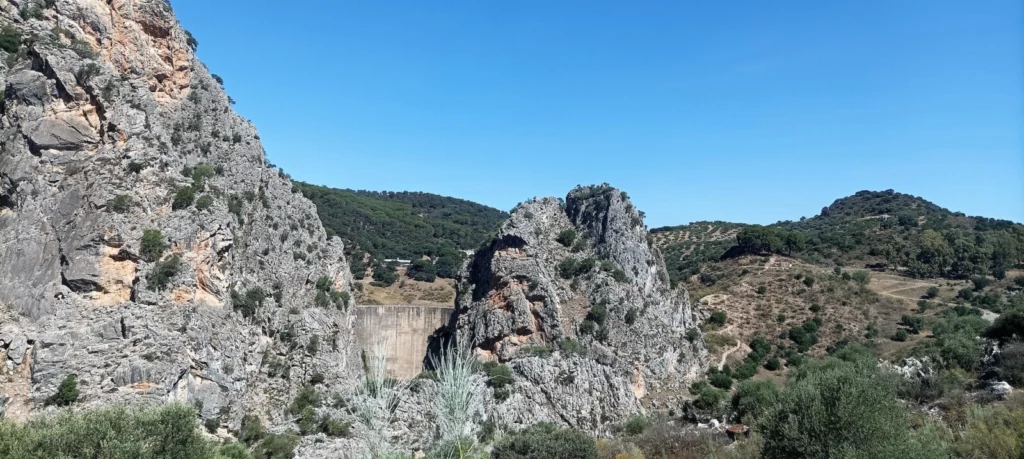
The Montejaque dam, with its 84 meters of height, is one of the first vaulted dams built in Europe. Currently, it remains only as a vestige of one of the major hydroelectric projects by the “Sevillana de Electricidad” company. Preliminary studies for its construction began in 1917. Some of these studies indicated that the project …[Read More]