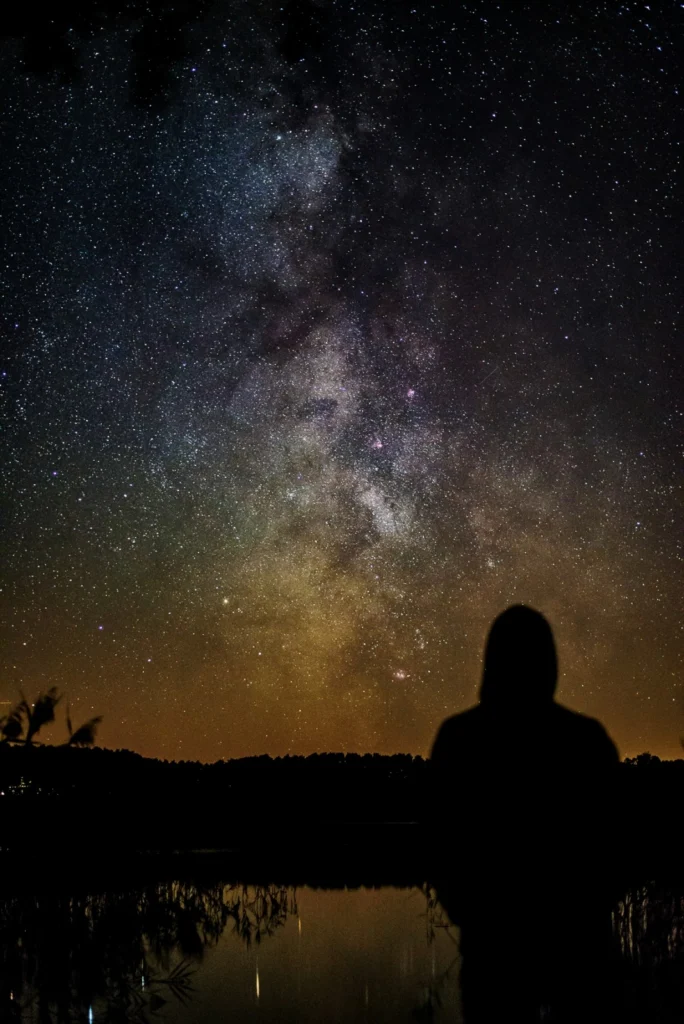
This year’s imaggeo photo contest saw humdreds of great entries. Among the winning images was a stunning night-sky panorama by Vytas Huth. In today’s post, Vytas describes how he captured the image and how the remote location in Southern Germany is one of the few (in Europe) where it is still posssible to, clearly, image …[Read More]
Imaggeo on Mondays
Imaggeo on Mondays: Coastal erosion
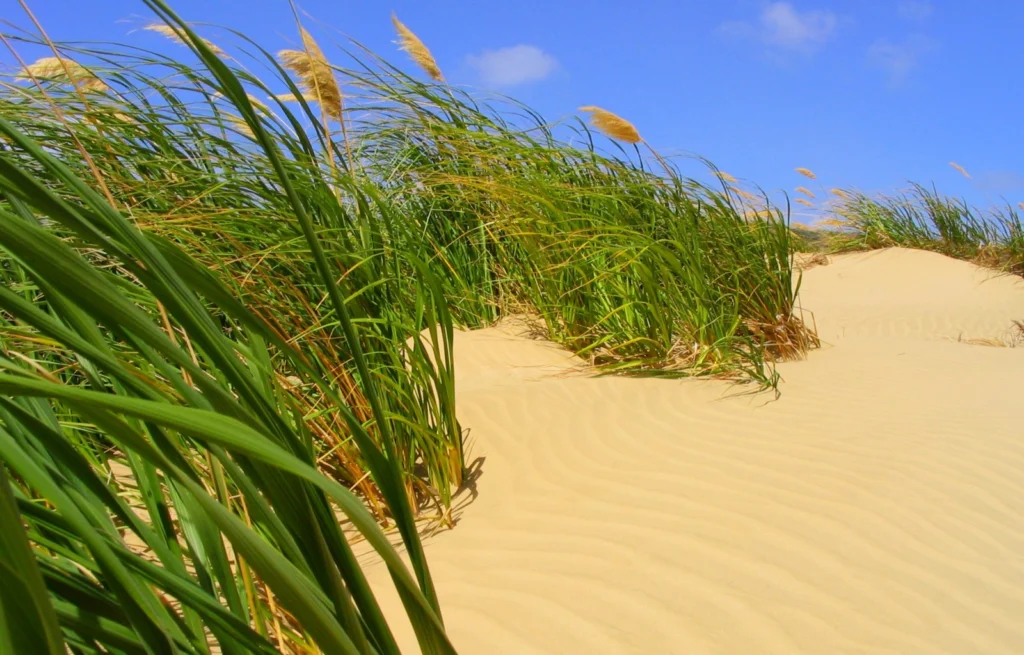
Coastlines take a battering from stormy seas, gales, windy conditions and every-day wave action. The combined effect of these processes shapes coastal landscapes across the globe. In calm weather, constructive waves deposit materials eroded elsewhere and transported along the coast line via longshore-drift, onto beaches, thus building them up. Terrestrial material, brought to beaches by …[Read More]
Imaggeo on Mondays: Glacier de la Pilatte
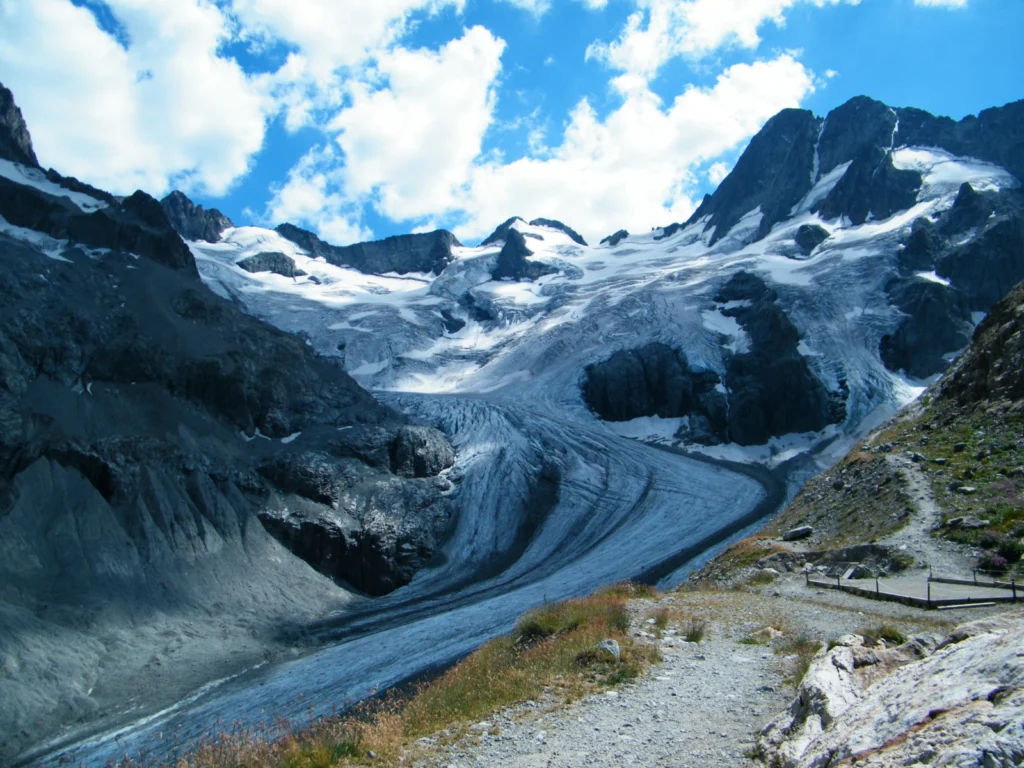
The relentless retreat of glaciers, globally, is widely studied and reported. The causes for the loss of these precious landforms are complex and the dynamics which govern them difficult to unravel. So are the consequences and impacts of reduced glacial extent atop the world’s high peaks, as Alexis Merlaud, explains in this week’s edition of …[Read More]
Imaggeo on Mondays: A Bubbling Cauldron
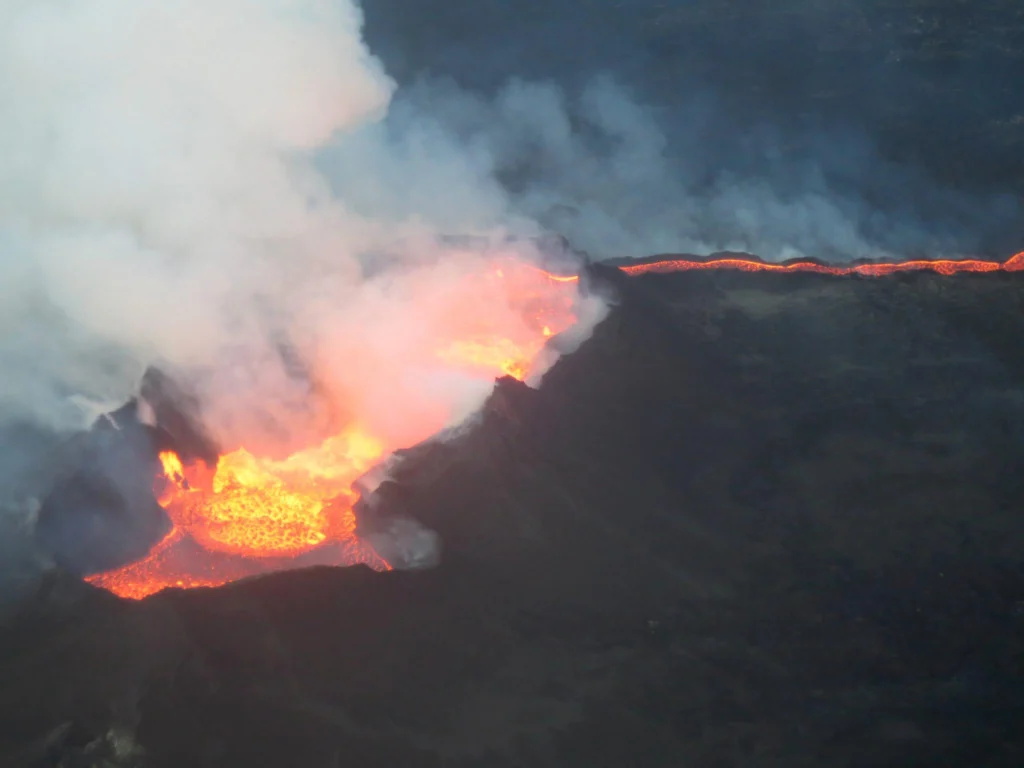
Despite being a natural hazard which requires careful management, there is no doubt that there is something awe inspiring about volcanic eruptions. To see an erupting volcano up close, even fly through the plume, is the thing of dreams. That’s exactly what Jamie Farquharson, a researcher at Université de Strasbourg (France) managed to do during …[Read More]
Imaggeo on Mondays: Rock glaciers
Picture a glacier and you probably imagine a vast, dense mass of slow moving ice; the likes of which you’d expect to see atop the planet’s high peaks and at high latitudes. Now, what if not all glaciers look like that? Take some ice, mix in some rock, snow and maybe a little mud and …[Read More]
Imaggeo on Mondays: an impressive testimony to the collision between Africa and Europe
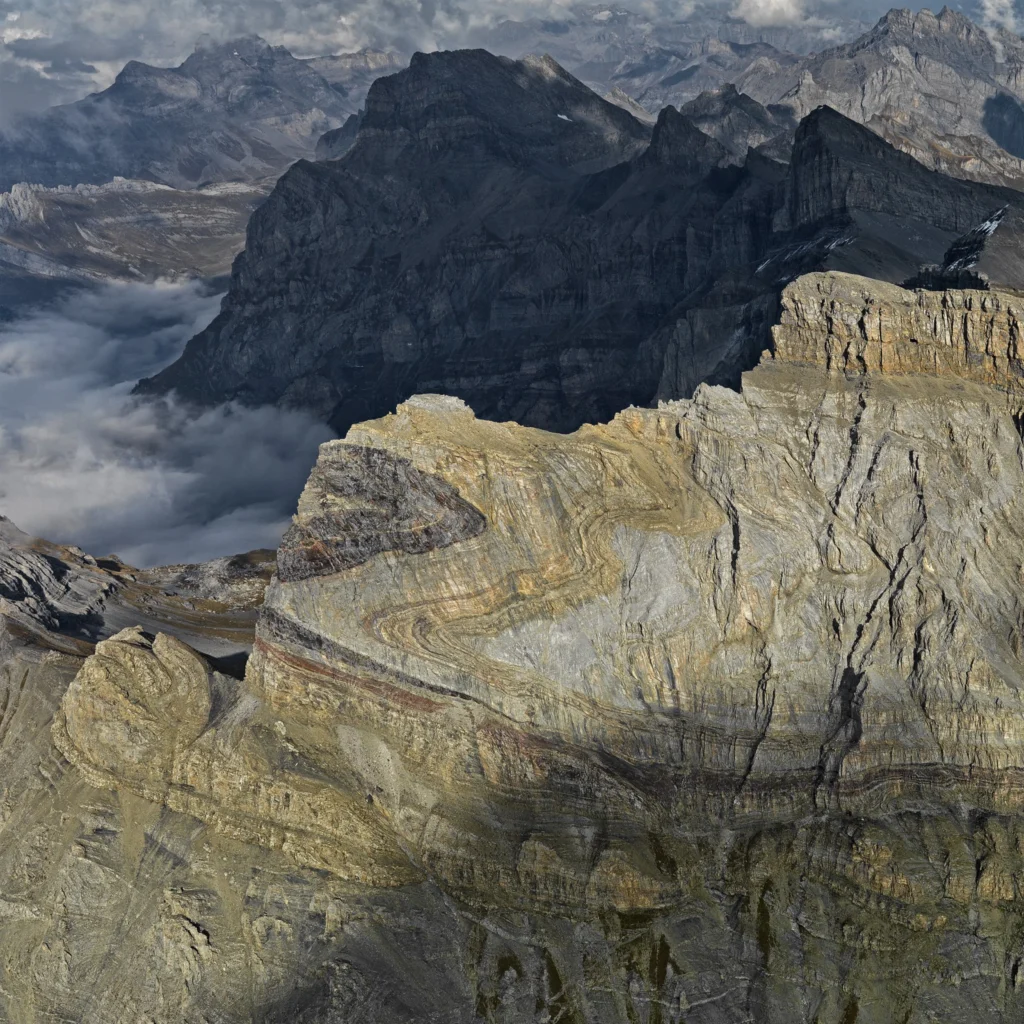
The huge fold in the flank of the 2969 m high Dent de Morcles (in Waadtland Alps, Switzerland) is an impressive testimony to the collision between Africa and Europe (which began some 65 million years ago). The layers, originally deposited on the sea floor in a horizontal position, were compressed and shifted. The darker parts …[Read More]
Imaggeo on Mondays: The glacial landscape of Yosemite
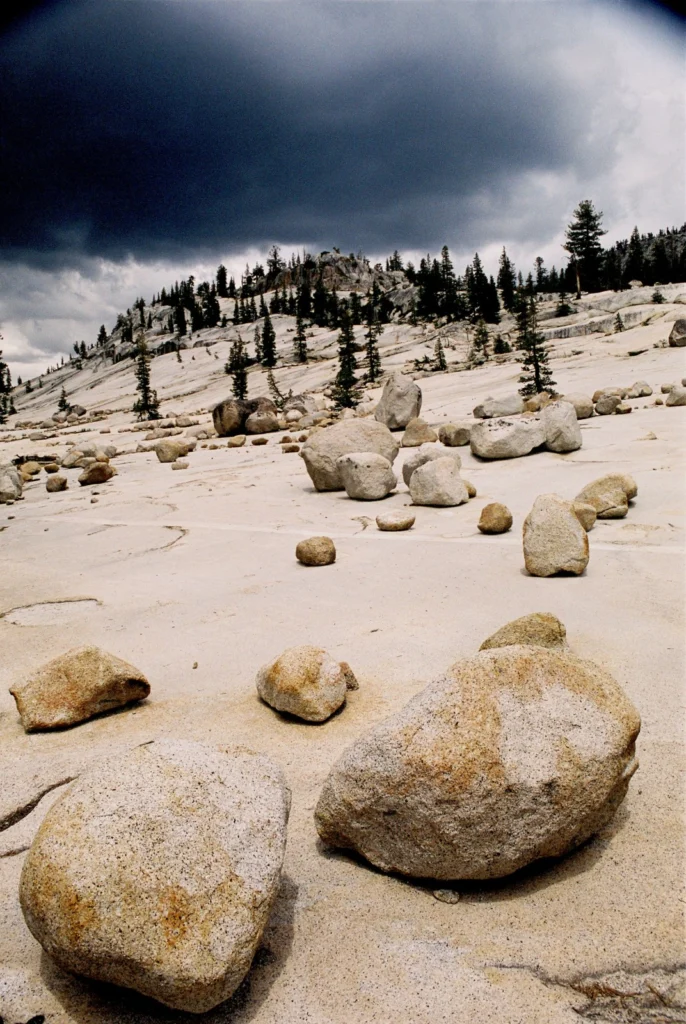
Yosemite National Park, in California, is renowned for its beautiful and striking landscapes. So much so, this is the second time it has feature on the blog this summer. While our last post on the park focused on the ancient volcanic history of its landscape, in this post we fast forward to the Plesitocene (some …[Read More]
Imaggeo on Mondays: Why is groundwater so important?
Groundwater is an often underestimated natural resource, but it is vital to the functioning of both natural and urban environments. Indeed, it is a large source of drinking water for communities world-wide, as well as being heavily used for irrigation of crops and crucial for many industrial processes. The water locked in the pores and …[Read More]
Imaggeo on Mondays: Heavy machinery
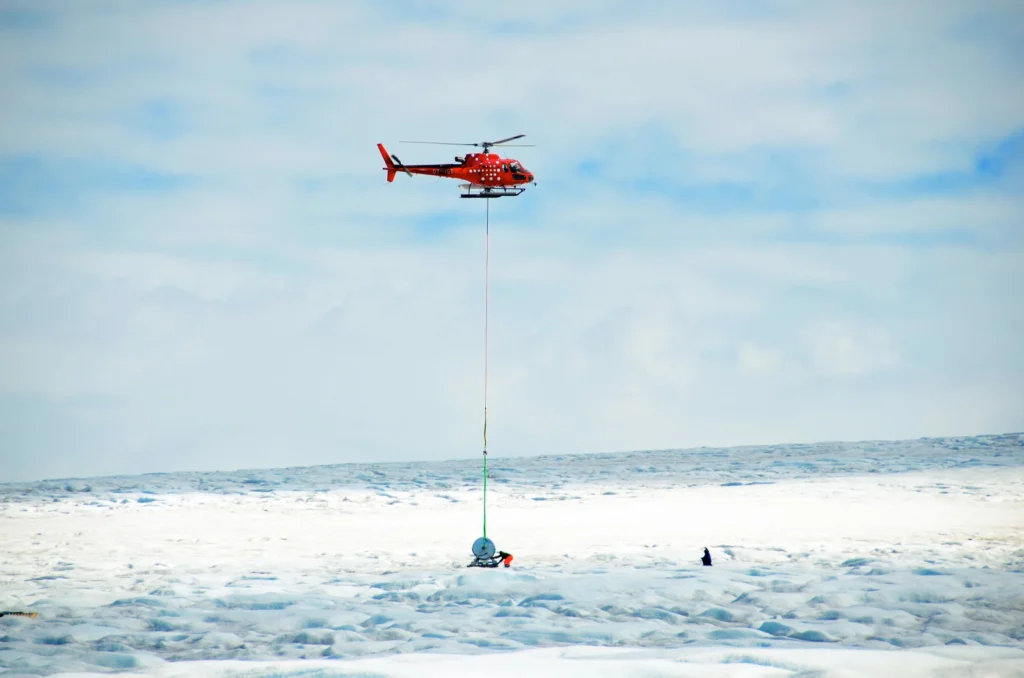
How do you get heavy machinery, such as a drill spool onto an ice sheet? This week’s imaggeo on Mondays’ photography captures the freighting of components of a hot water drill to directly access and observe the physical and geothermal properties at the ice-bed interface. In the image, SAFIRE principal investigator Bryn Hubbard and post-doc Sam Doyle help fly in the …[Read More]
Imaggeo on Mondays: A sunrise over Kelimutu’s three-colour lakes
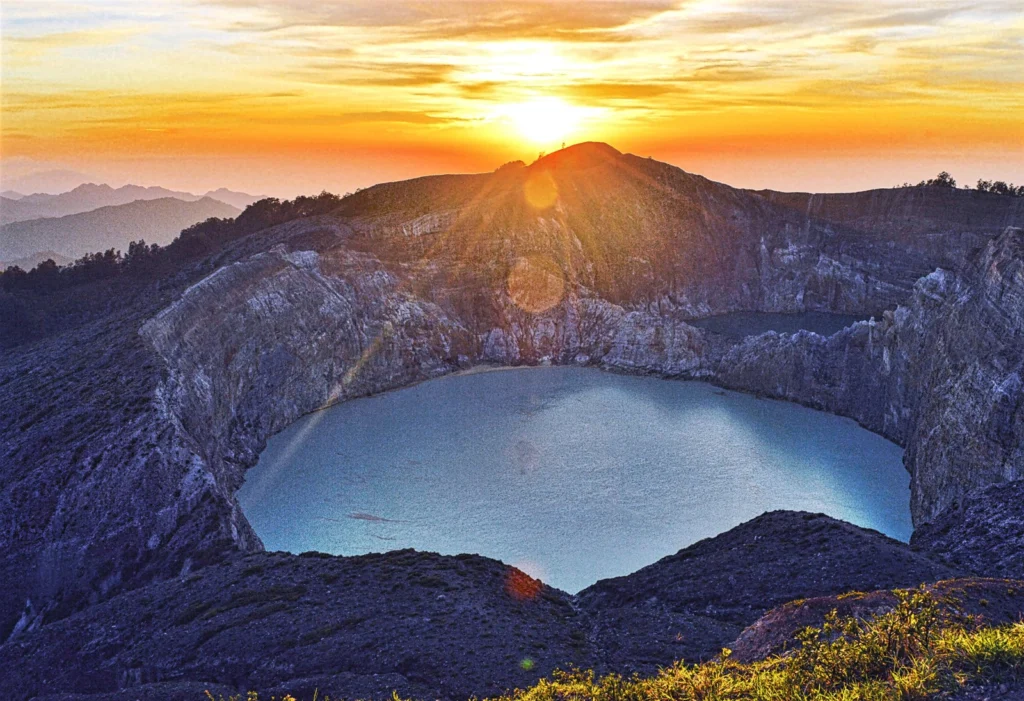
Volcanoes are undeniably home to some of the most beautiful landscapes on Earth. It doesn’t take much imagination to picture slopes of exceedingly fertile mineral rich soils, covered in lush vegetation; high peaks punching through cloud cover offering stunning vistas and bubbling pools of geothermally warmed waters were one can soak ones worries away. What …[Read More]