GeoLog

Natural Hazards

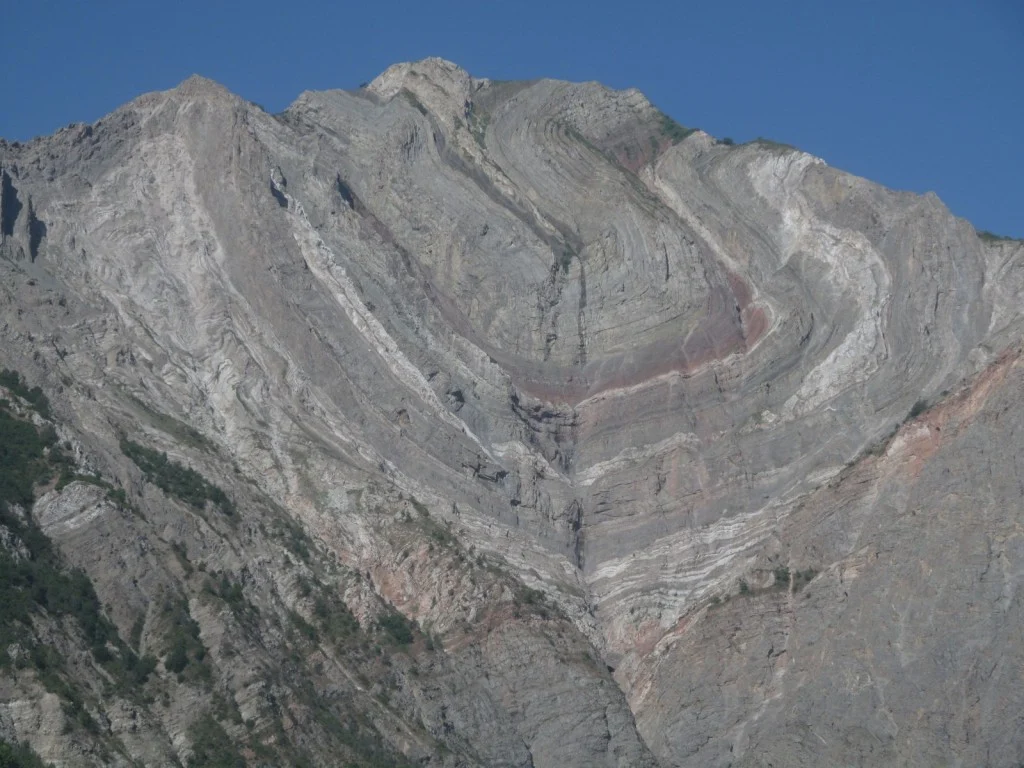
Imaggeo on Mondays: Stone Flower

Imaggeo on Mondays: Stone Flower

In a true feat of endurance, self-discovery and resilience, Solmaz Mohadjer and Josy Strunden, geology students at the University of Tübingen (Germany), cycled 800 km in the Pamir Mountains as part of a trip to raise awareness about autism in Tajikistan. ““We cycled through one of the most tectonically active regions on the planet, passing …[Read More]

Imaggeo on Mondays: Fresh breakout in the lava fields

Kate Dobson was a volunteer at the Hawaii Volcano Observatory (HVO) in 2001/02 and revisited the stunning Big Island in 2006. During her holidays Kate ventured out to the coastal section of the Pu’uO’o lava flow field and captured this spectacular image of a fresh lava breakout. The Pu‘u ‘Ō‘ō vent is in the East …[Read More]

Imaggeo on Mondays: Fuelling the clouds with fire

Wildfires frequently break out in the Californian summer. The grass is dry, the ground parched and a small spark can start a raging fire, but burning can begin even when water is about. Gabriele Stiller sets the scene for a blaze beside Mono Lake, exploring the events that got it going and what it may …[Read More]

It’s not my fault

A line on a map is important. In the Beverly Hills region of Los Angeles a series of mapped fault lines are now the cause of a major controversy. Communities have been alarmed, money has been lost and legal proceedings are ongoing. It started in 1992. James Dolan and Kerry Sieh, two earthquake geologists at …[Read More]

GeoTalk: Steven Smith on fossil faults and fantastic faulting

This week in GeoTalk, we’re talking to Steven Smith, a Lecturer from the University of Otago. Steven takes us on an Earth-shaking journey, explaining how ancient faults reveal what’s happening under the Earth’s surface and delving into the future of fault zone research. First, could you introduce yourself and tell us a little about what …[Read More]

People power

Seismic monitoring is critical in earthquake-prone areas such as Nepal, but limited resources mean limited monitoring. EGU Science Journalism Fellowship awardee Kate Ravilious reports back on how scientists are using social media to fill the gap.  Data gathering needn’t always involve expensive instruments or exotic fieldtrips. Here in resource strapped Nepal, seismologists are tapping into …[Read More]