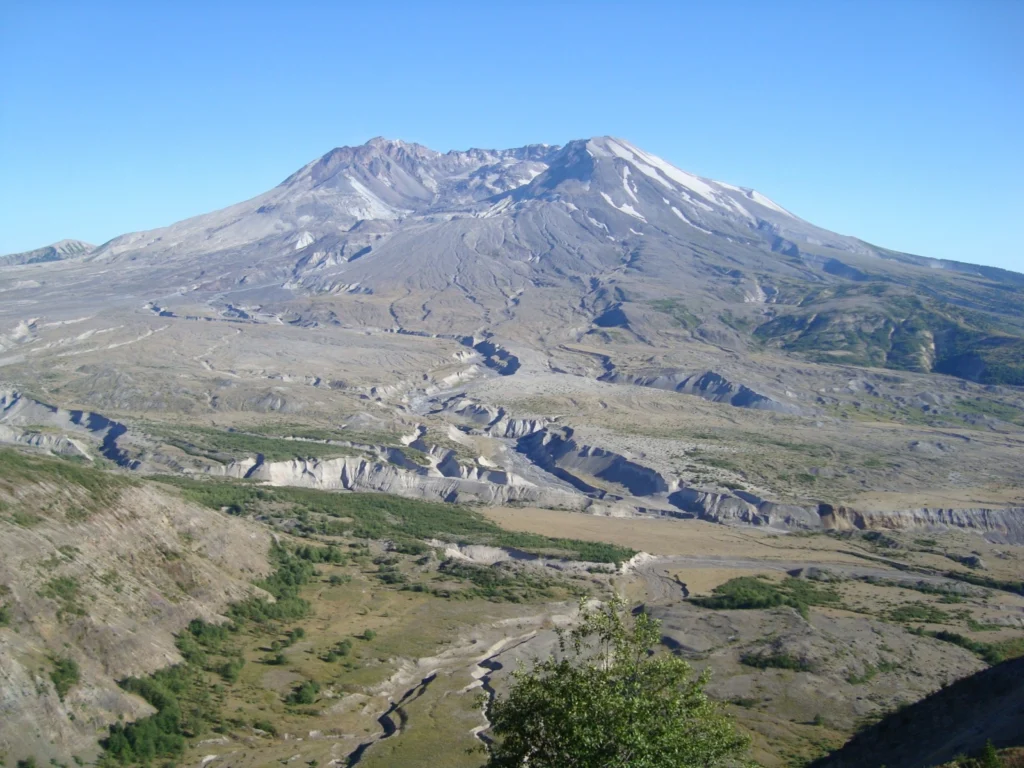
On May 18th 1980 Mount St Helens (an active stratovolcano of the Cascades located in the North West US), erupted explosively following a magnitude 5.1 earthquake. The quake triggered a devastating landslide which swept away the volcano’s northern flank – in what is the largest debris avalanche recorded on Earth to date. Removal of a section of the edifice depressurised the volcano’s magmatic ...[Read More]
Geodynamics
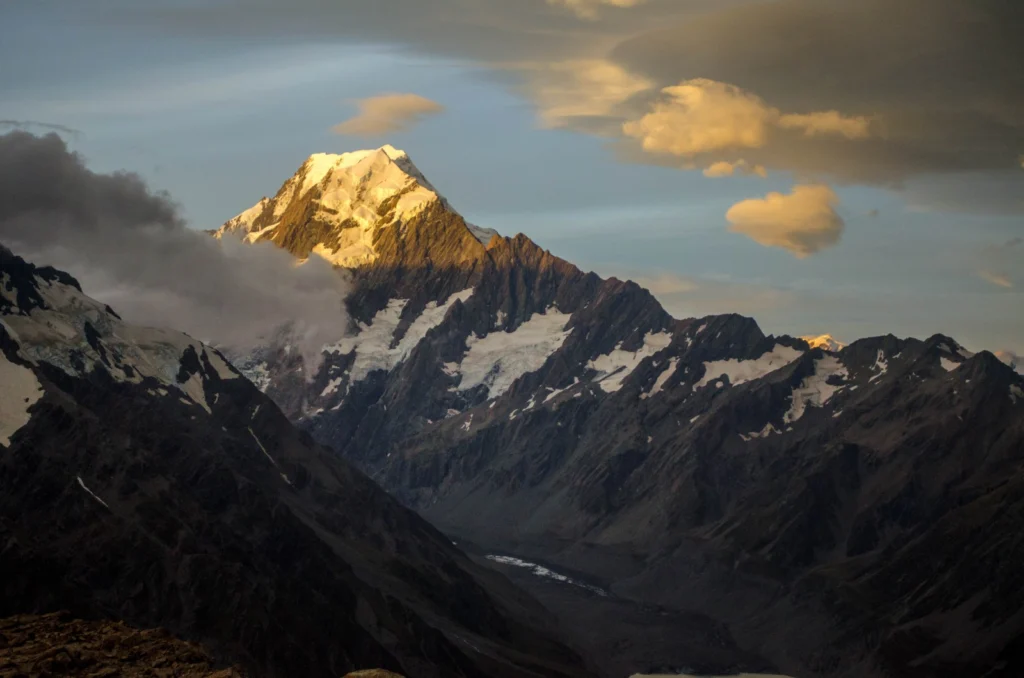
Imaggeo on Mondays: Aoraki & a round-up of the latest New Zealand earthquake news
On Sunday the 13th November, New Zealand’s South Island was struck by a powerful 7.8 M earthquake. Initial analysis by the United States Geological Survey (USGS) indicates that the source of the tremor was faulting on or near the boundary between the Pacific and Australia plates. A tsunami alert (no longer active) was triggered following the earthquake, with risk of tsunami waves along coastal are ...[Read More]
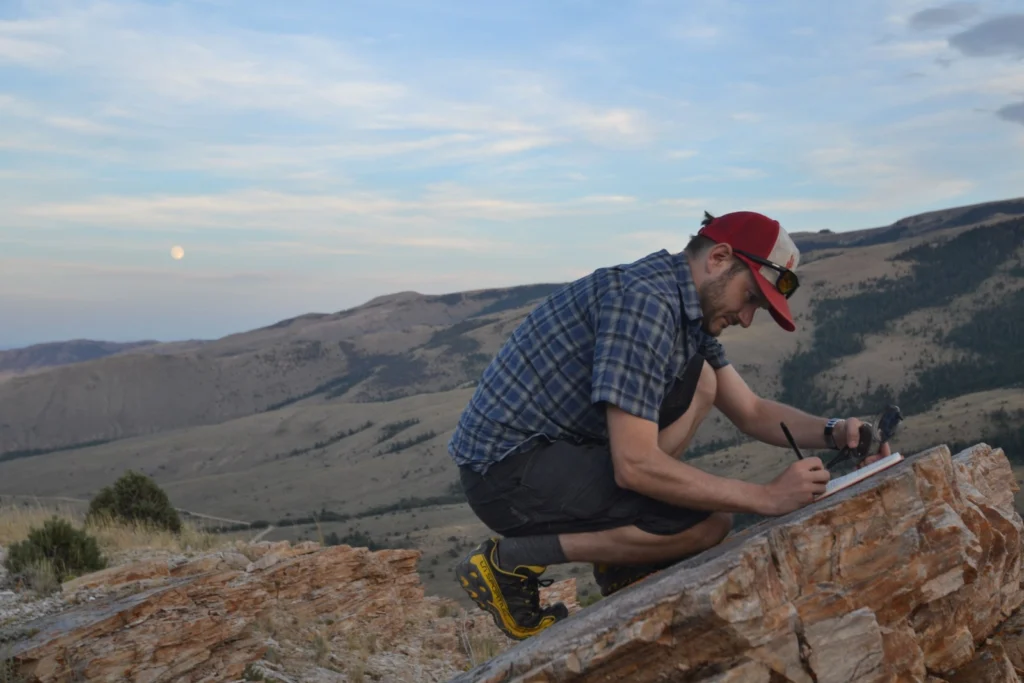
GeoTalk: Peter Lippert, understanding continental tectonics through palaeomagnetic studies
Geotalk is a regular feature highlighting early career researchers and their work. In this interview we speak to Peter Lippert, a palaeomagnetist at the University of Utah, and winner of the 2016 EMRP Outstanding Young Scientist Award. He was granted the award for his contributions to insights into palaeoceanography and continental tectonics through palaeomagnetic studies. Crucially, his work usin ...[Read More]
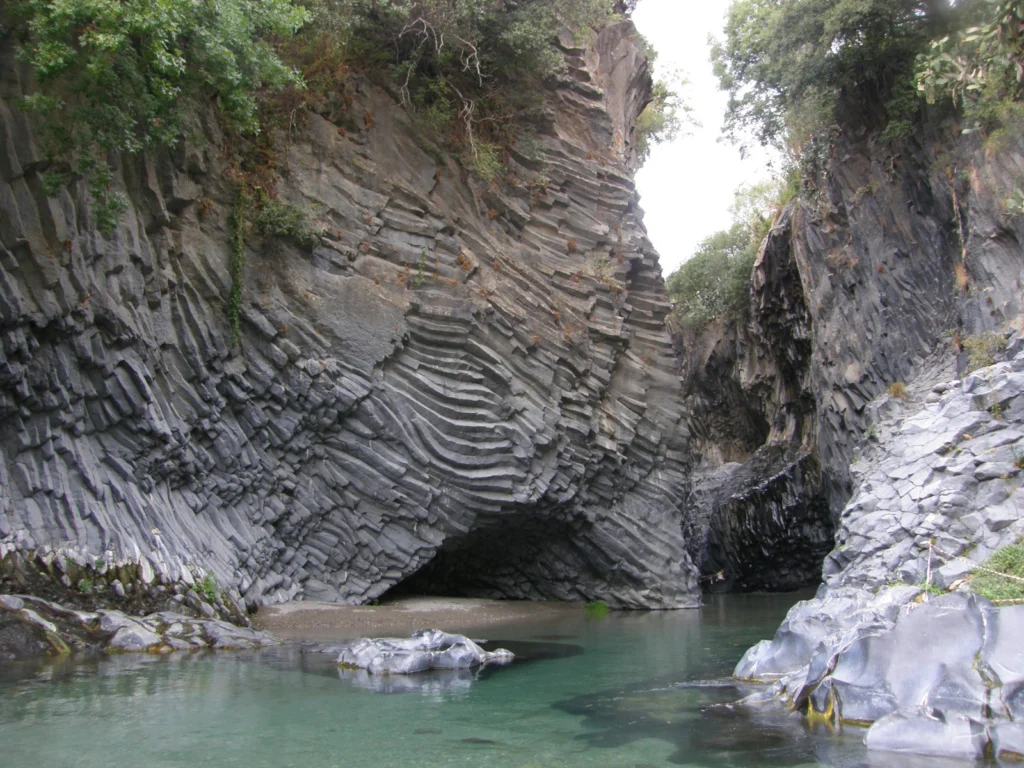
Imaggeo on Mondays: Gole dell‘ Alcantara
On account of Mount Etna (Europe’s largest volcano), the island of Sicily is peppered with geological wonders. Starting with the summit craters of the volcano itself, right through to over 200 caves formed within lava tubes, the island is packed with volcanic sights.Chief among them is Gole dell ‘Alcantara, a system of gorges formed 8,000 years ago in the course of the river Alcantara ...[Read More]
GeoTalk: Drilling into the crater which contributed to the demise of dinosaurs
Six months ago, somewhere in the tropical waters off the coast of Mexico, scientists began drilling into one of the most iconic geological features on Earth: the Chicxulub crater; the 66 million year old remnants of a deadly asteroid impact, thought to have contributed to the demise of dinosaurs and most other forms of life which inhabited the Earth at the time. Today we speak to Sonia Tikoo, Assi ...[Read More]
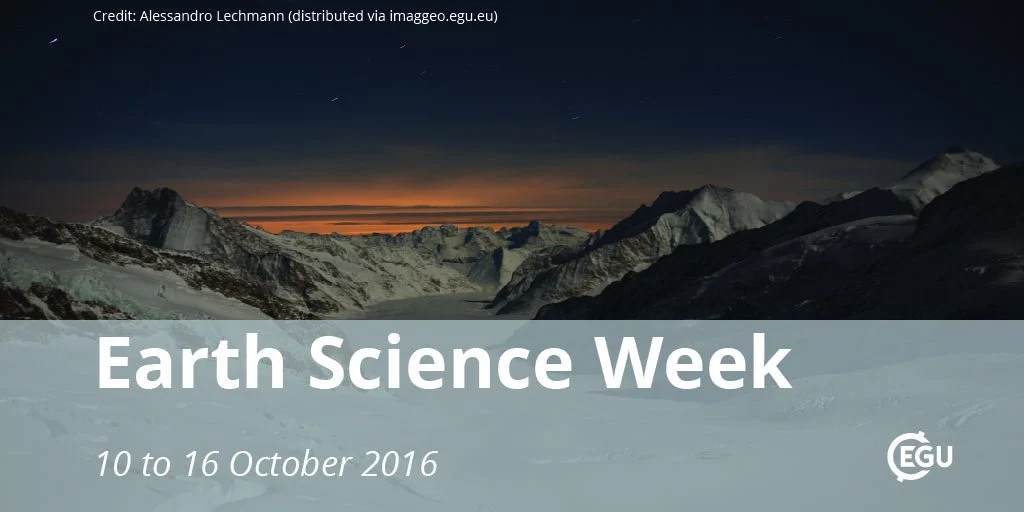
Celebrating Earth Science Week!
For those not so familiar with the Earth sciences, geosciences and all its subdisciplines might be shrouded in mystery: boring, unfathomable, out of reach and with little relevance to everyday life. Nothing could be further from the truth! Earth Science Week, an international annual celebration founded by the American Geosciences Institute in 1998, aims to change the public’s perception of the ge ...[Read More]
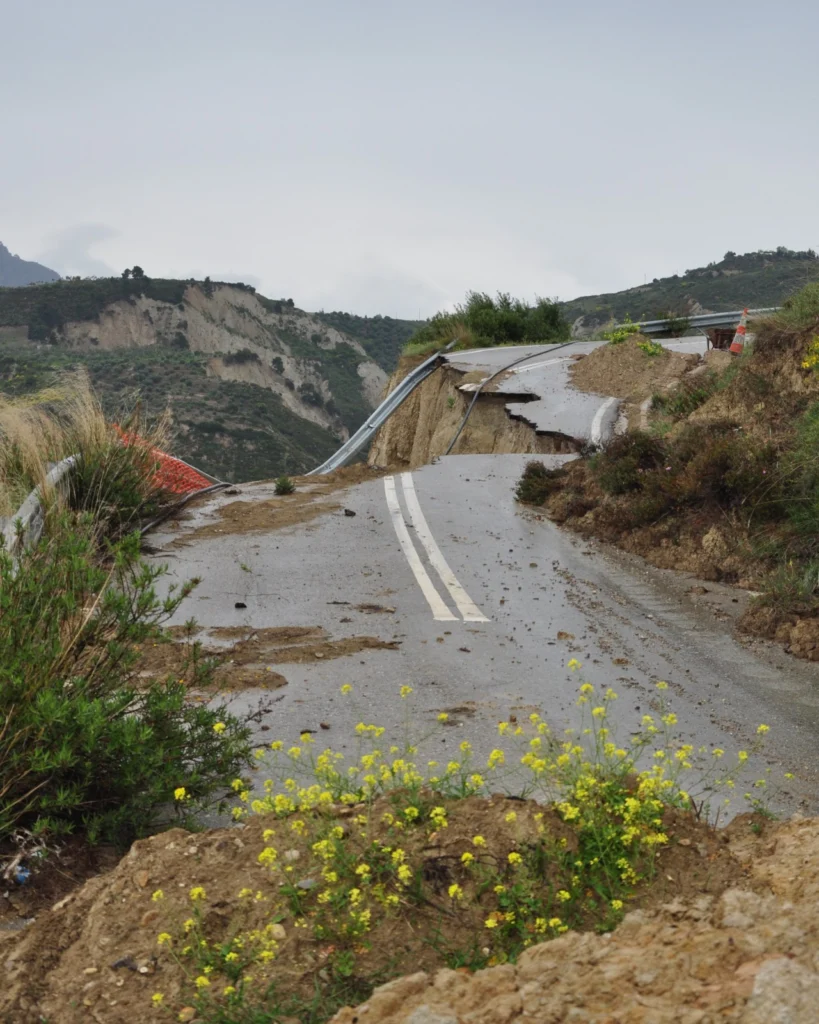
Imaggeo on Mondays: The road to nowhere – natural hazards in the Peloponnese
The Gulf of Corinth, in southern Greece, separates the Peloponnese peninsula from the continental mainland. The structural geology of the region is complex, largely defined by the subduction of the African Plate below the Eurasian Plate (a little to the south). The Gulf itself is an active extensional marine basin, i.e., one that is pulling open and where sediments accumulate. Sedimentary basins r ...[Read More]
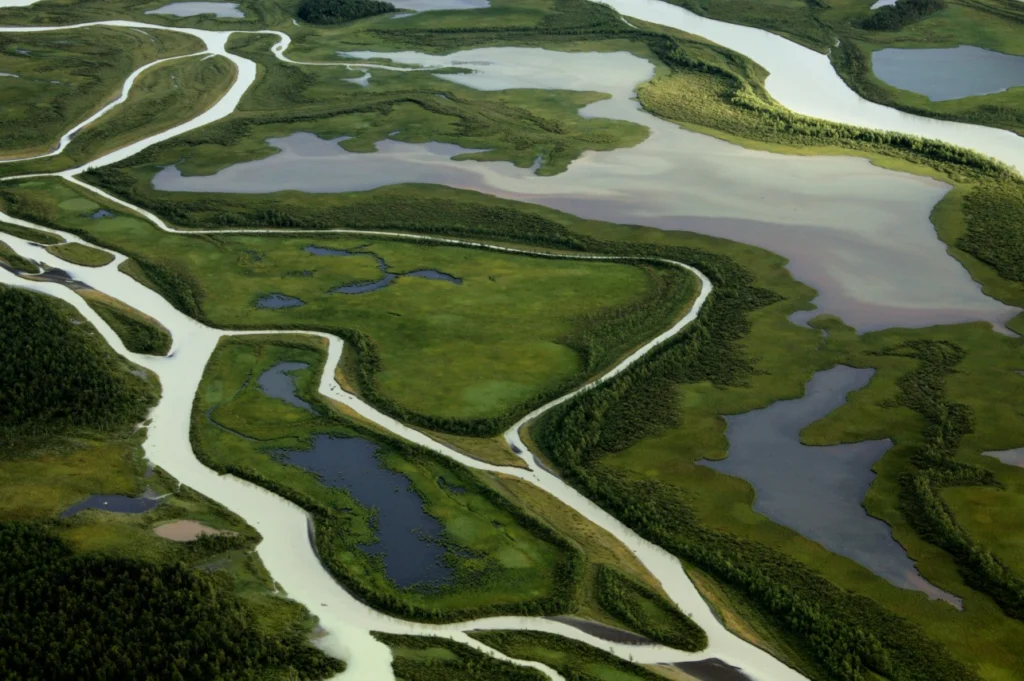
Imaggeo on Mondays: Living flows
There are handful true wildernesses left on the planet. Only a few, far flung corners, of the globe remain truly remote and unspoilt. To explore and experience untouched landscapes you might find yourself making the journey to the dunes in Sossuvlei in Namibia, or to the salty plain of the Salar Uyuni in Bolivia. But it’s not necessary to travel so far to discover an area where humans have, so far ...[Read More]
Going deeper underground – why do we want to know how rocks behave?
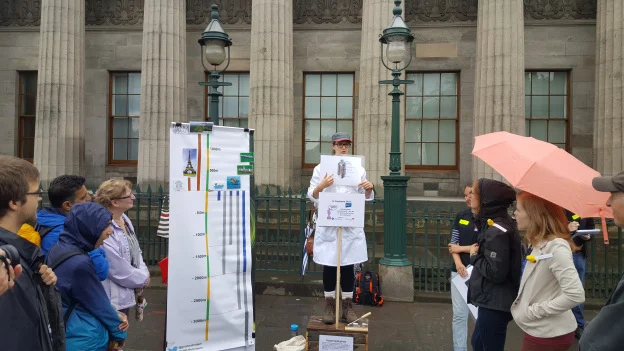
Imagine you find yourself standing atop a wooden box in the middle of your home town, on a rainy weekend day, with the sole aim of talking to passersby about your research work. It can be a rather daunting prospect! How do you decide what the take-home message of your work is: which single nugget of information do you want members of the public to take away after having spoken to you? Even more im ...[Read More]
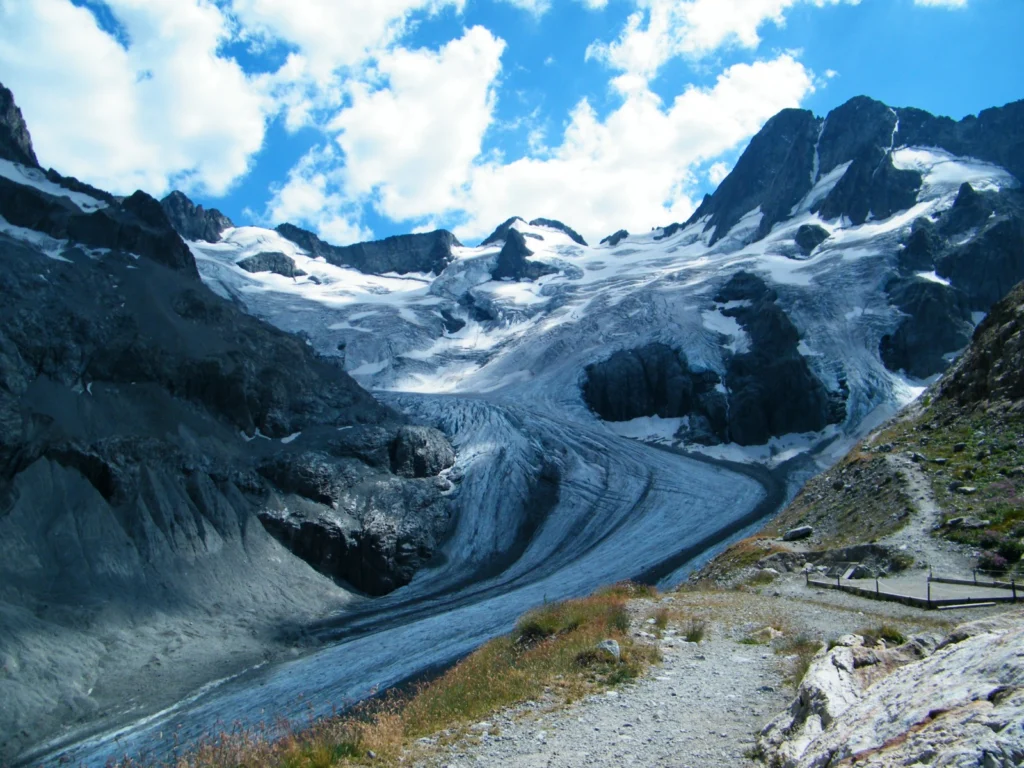
Imaggeo on Mondays: Glacier de la Pilatte
The relentless retreat of glaciers, globally, is widely studied and reported. The causes for the loss of these precious landforms are complex and the dynamics which govern them difficult to unravel. So are the consequences and impacts of reduced glacial extent atop the world’s high peaks, as Alexis Merlaud, explains in this week’s edition of Imaggeo on Mondays. This picture was taken on 20 August ...[Read More]