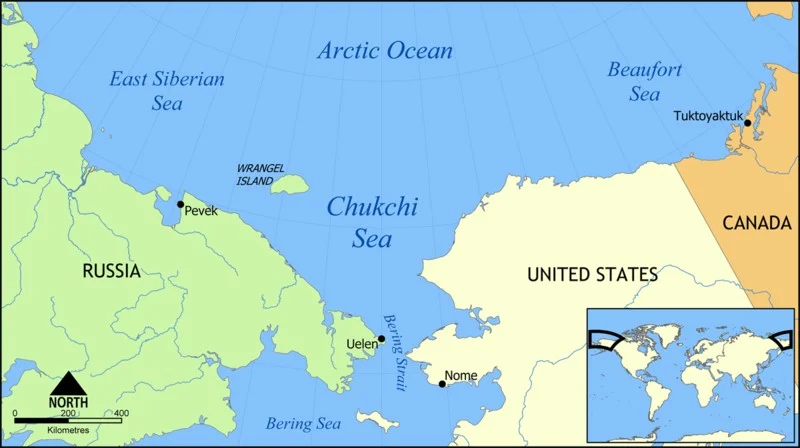
Though now submerged under 53 m of ocean waters, there once was a land bridge which connected North America with Asia, allowing the passage of species, including early humans, between the two continents. A new study, published in the EGU’s open access journal Climate of the Past, explores when the land bridge was last inundated, cutting off the link between the two landmasses. The Bering Strait, a ...[Read More]
Geodynamics
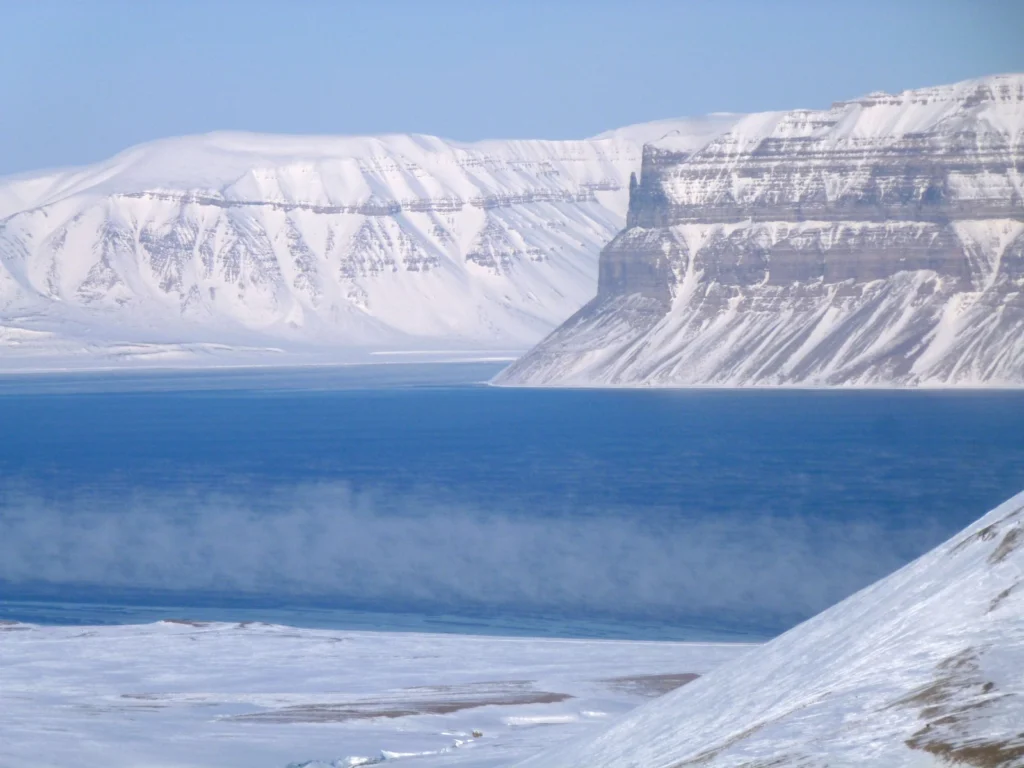
Volcanic ash layers in Svalbard hold clues to the formation of the North Atlantic
This guest post by Dr Morgan Jones (a Researcher in Volcanology at the Centre of Earth Evolution and Dynamics (CEED) at the University of Oslo, Norway) describes the latest findings of his multidisciplinary research into how the North Atlantic formed. His open access study, in collaboration with colleagues at CEED and the Massachusetts Institute of Technology (MIT) is published in the Nature Journ ...[Read More]
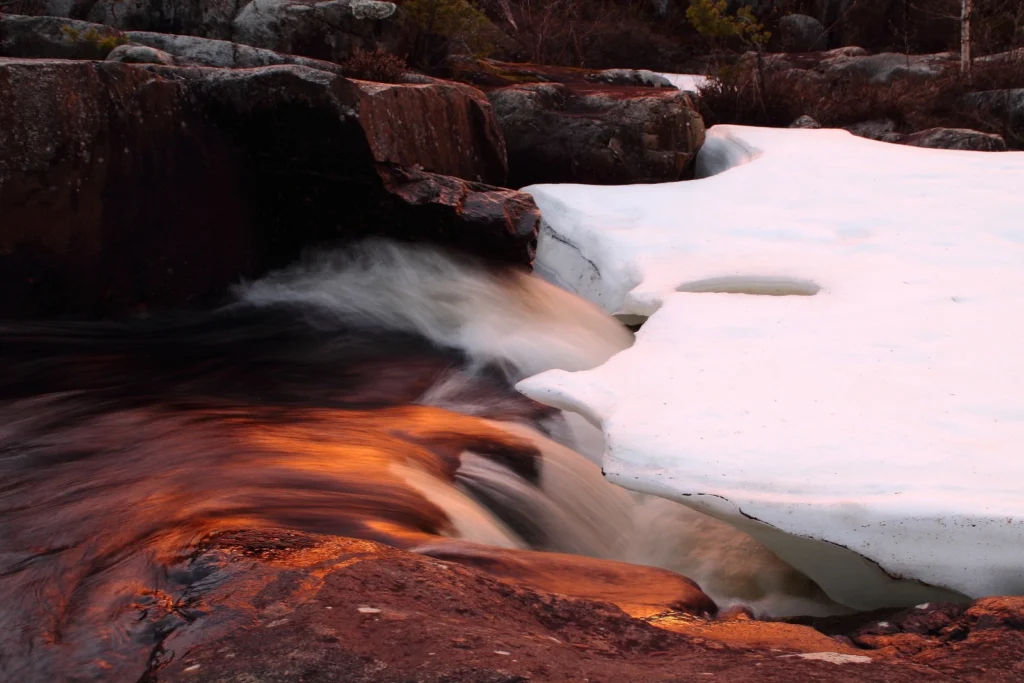
Imaggeo on Mondays: Symbiosis of ice and water
This mesmerising photograph is another of the fabulous finalists (and winner) of the 2017 imaggeo photo contest. Imaggeo is the EGU’s open access image repository. It’s a great place to showcase your photographs; so whether you are stuck in the lab this summer, frantically typing away at a paper, or are lucky enough to be in the field, be sure to submit your photographs for all EGU members to see. ...[Read More]
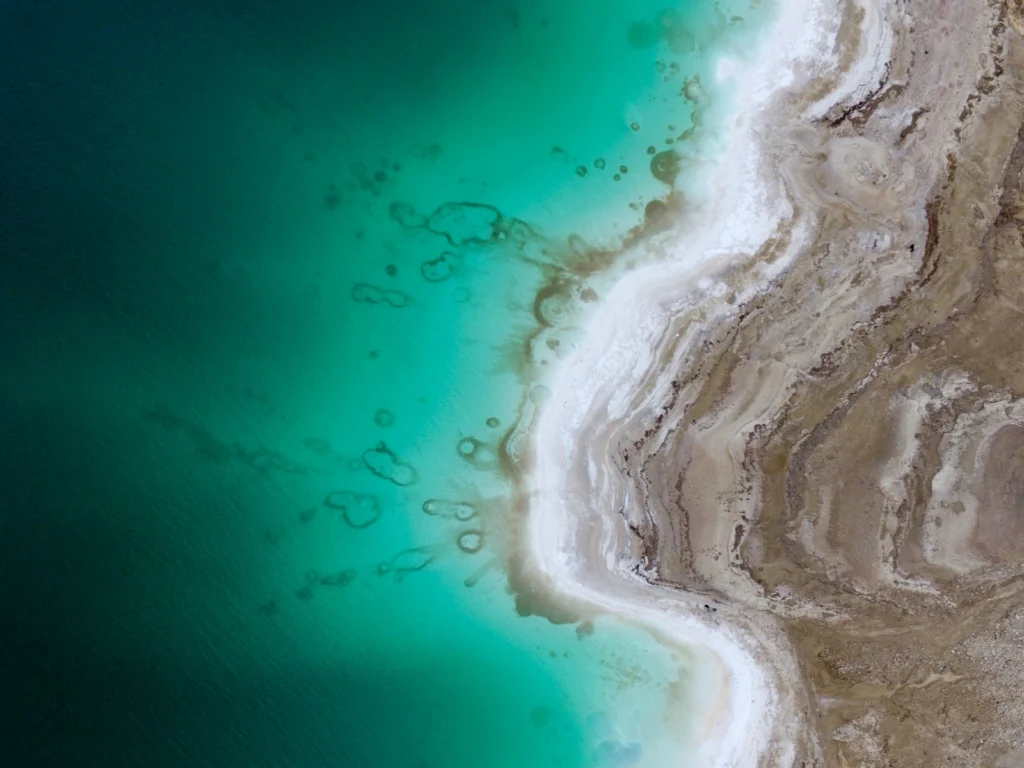
Imaggeo on Mondays: Salt shoreline of the Dead Sea
This beautiful aerial image (you’d be forgiven for thinking that it was a watercolour) of the Dead Sea was captured by a drone flying in 100m altitude over its eastern coastline. Climate change is seeing temperatures rise in the Middle East, and the increased demand for water in the region (for irrigation) mean the areas on the banks of the lake are suffering a major water shortage. As a result, t ...[Read More]
Imaggeo on Mondays: Breath from the underground
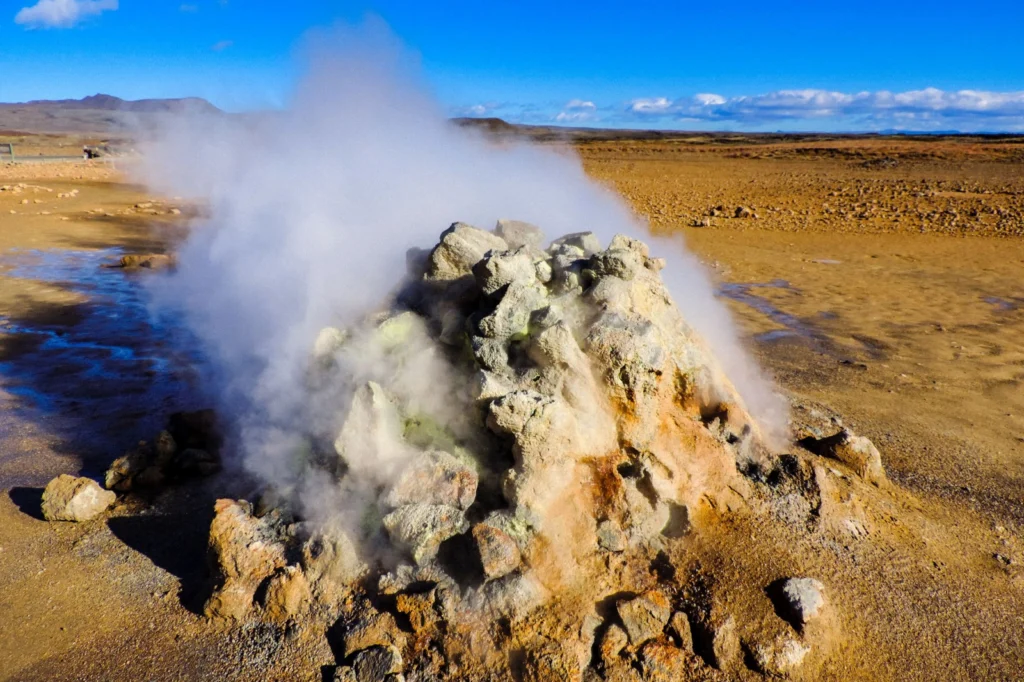
The heat seeping from the geothermal area which is part of the Krafla volcanic system in Iceland, ‘powers’ the steaming vent at Hverir (Hverarönd). The area is well known for its mud pots and sulphuric gas fumaroles, complete with pungent eggy smell. Some of the vents are in fact boreholes drilled in the 50’s for sulphur exploration which have been turned into fumaroles, the steam is a resul ...[Read More]
GeoTalk: The life and death of an ocean – is the Atlantic Ocean on its way to closing?
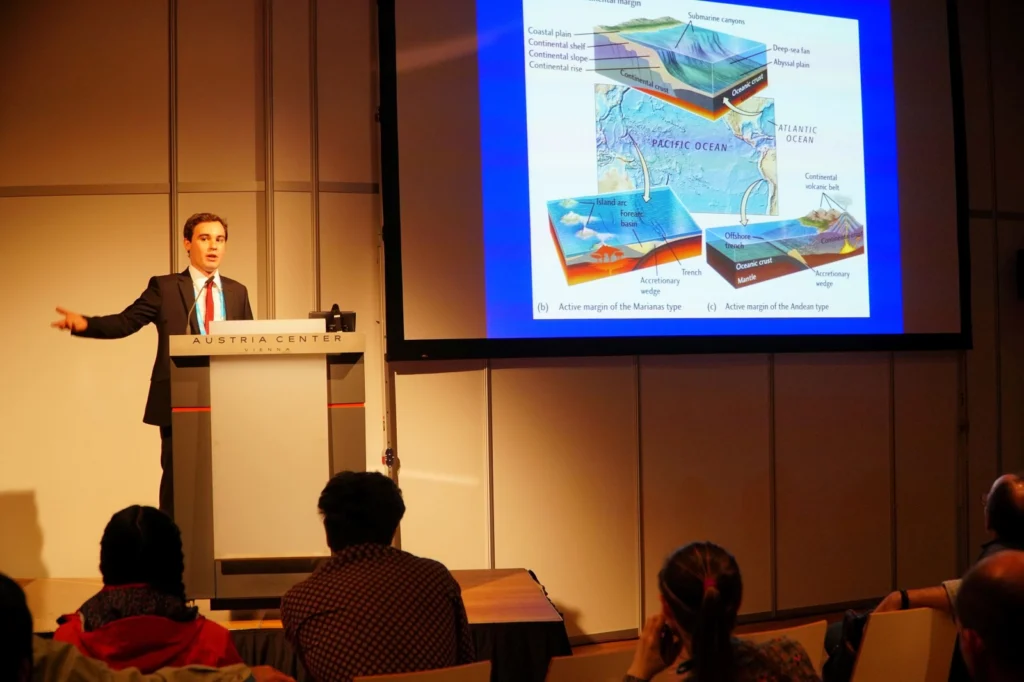
Geotalk is a regular feature highlighting early career researchers and their work. Following the EGU General Assembly, we spoke to João Duarte, the winner of a 2017 Arne Richter Award for Outstanding Early Career Scientists. João is a pioneer in his field. He has innovatively combined tectonic, marine geology and analogue modelling techniques to further our understanding of subduction initiation ...[Read More]
Light years from home – a geologist’s tale
In a departure from the usual posts we feature on the blog, today Conor Purcell (a freelance science writer) brings you a thought provoking science fiction piece. Grab a drink and dive into this geology inspired adventure! “It’s typical geology for a rocky planet” K reported. “Captured beneath the ocean at its northern pole, the core is a mix of metamorphic and sedimentary rock, with sand an ...[Read More]
Imaggeo on Mondays: Airplane views of the Alps
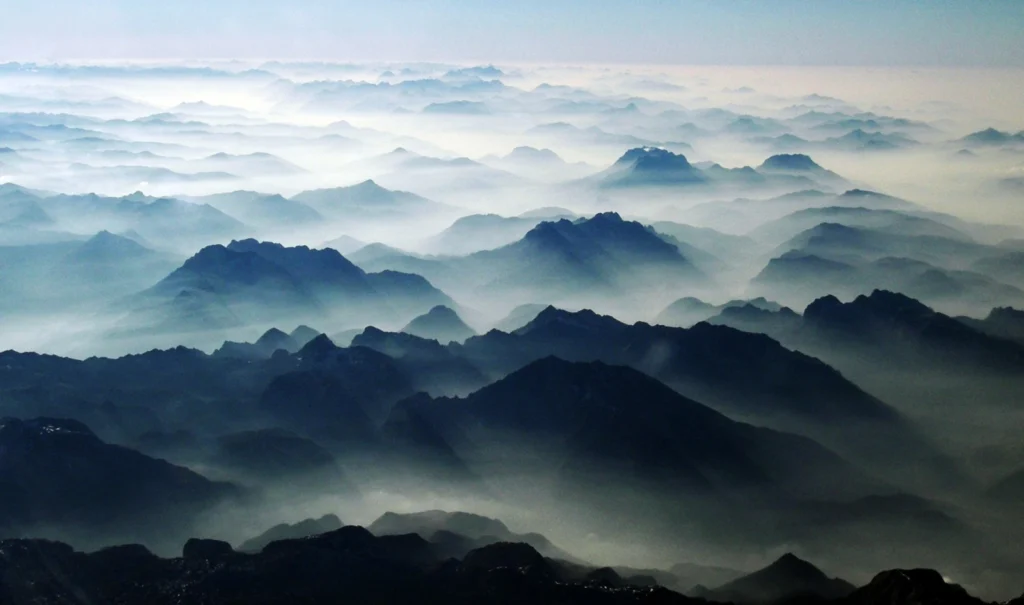
The forward scattering of sunlight, which is caused by a large number of aerosol particles (moist haze) in Alpine valleys, gives the mountain massifs a rather plastic appearance. The hazy area in the foreground lies above the Koenigsee lake; behind it the Watzmann, Hochkalter, Loferer Steinberge and Wilder Kaiser massifs loom up behind one other to the right of the centre line. Behind them is the ...[Read More]
May GeoRoundUp: the best of the Earth sciences from around the web
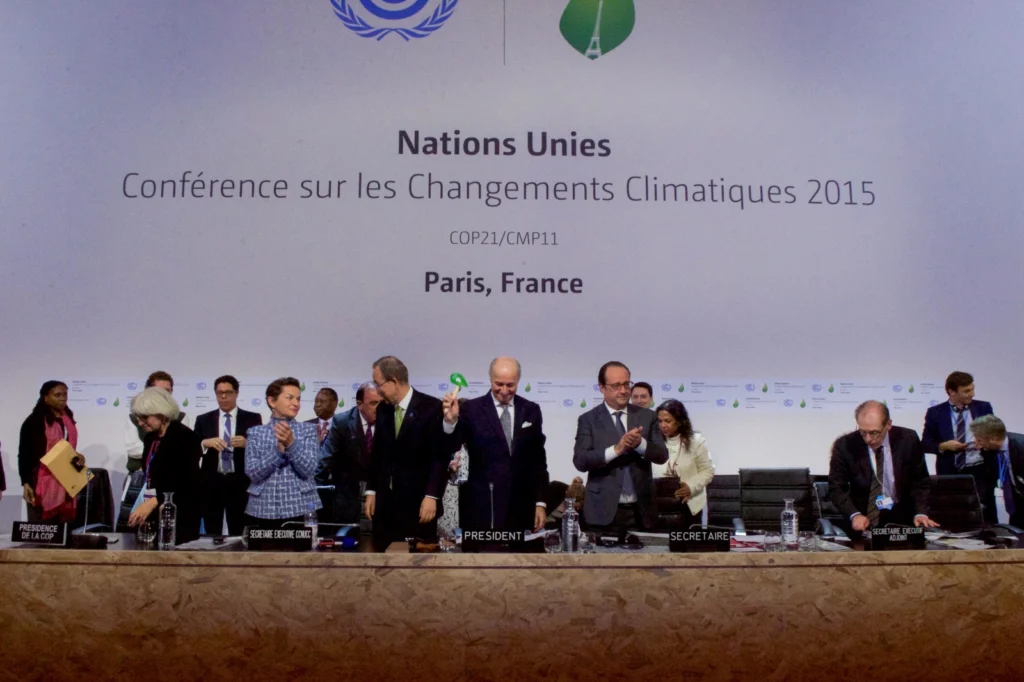
Drawing inspiration from popular stories on our social media channels, as well as unique and quirky research news, this monthly column aims to bring you the best of the Earth and planetary sciences from around the web. Major Story In the last couple of weeks of May, the news world was abuzz with the possibility of Donald Trump withdrawing from the Paris Agreement. Though the announcement actually ...[Read More]
Imaggeo on Mondays: A lava layer cake
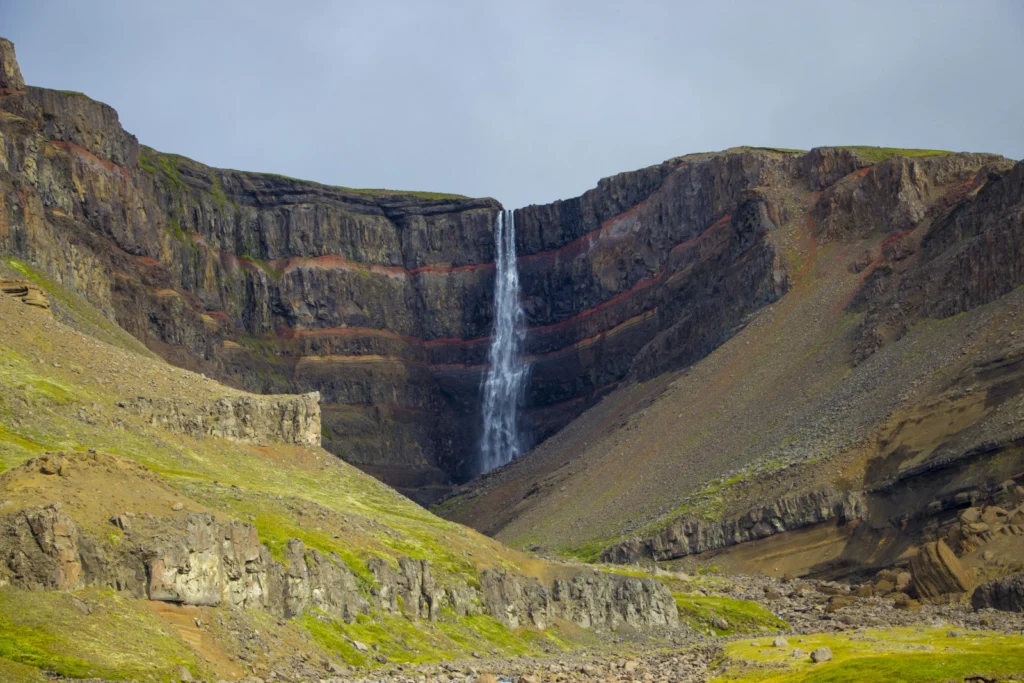
Brekkuselslækur, a small river, carves its way across Iceland’s ancient volcanic landscape. At Hengifoss, Iceland’s third-highest waterfall, it tumbles fiercely down thick, dark layers of lavas erupted from volcanoes some 18 to 2.58 million years ago, during a period of geological time known as the Tertiary. Eruptions are rarely continuous; during hiatuses in the extrusion of lavas, ash is able to ...[Read More]