GeoLog

EGU Scientific Divisions

GeoSciences Column: The ‘dirty weather’ diaries of Reverend Richard Davis

GeoSciences Column: The ‘dirty weather’ diaries of Reverend Richard Davis

Researching the Earth’s climate of the past, helps scientists make better predictions about how the climate and our environment will continue to be affected by, change and adapt to rising temperatures. One of the most invaluable sources of data, when it comes to understanding the Earth’s past climate, are historical meteorological records. Accounts of weather and climate conditions for the Souther ...[Read More]

Imaggeo on Mondays: A look inside a thunderstorm

Imaggeo on Mondays: A look inside a thunderstorm

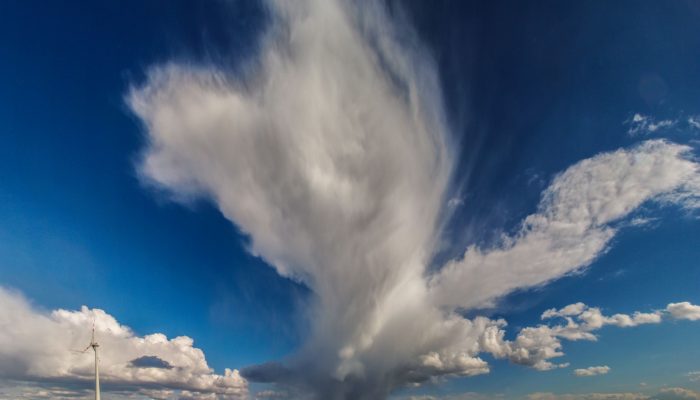
This week’s contribution to Imaggeo on Mondays is a photograph of a mesocyclone – and its rotating wall cloud – photographed by Mareike Schuster, an atmospheric scientist from Freie Universität Berlin, Germany. The picture was taken in June 2012 near Cheyenne, Wyoming in the United States during a field campaign, ROTATE, led by the Center for Severe Weather Research, based in Boulder, Colora ...[Read More]

GeoTalk: Drilling into the crater which contributed to the demise of dinosaurs

GeoTalk: Drilling into the crater which contributed to the demise of dinosaurs

Six months ago, somewhere in the tropical waters off the coast of Mexico, scientists began drilling into one of the most iconic geological features on Earth: the Chicxulub crater; the 66 million year old remnants of a deadly asteroid impact, thought to have contributed to the demise of dinosaurs and most other forms of life which inhabited the Earth at the time. Today we speak to Sonia Tikoo, Assi ...[Read More]

What is in your field rucksack? Backpacking in the wilderness

Inspired by a post on Lifehacker on what your average geologist carries in their rucksack/backpack, we’ve put together a few blog posts showcasing what a range of our EGU members carry in their bags whilst in the field! This bag belongs to: Alexa Van Eaton Field Work location: Glacier Peak volcano, Washington, USA Duration of field work: 12 days What was the aim of the research?: Glacier Peak is a ...[Read More]