Making room for growing populations, and the resources they demand, comes at the cost of precious natural environments. Rainforests, globally, are under threat from farming, logging and ever expanding cities. It is reported that if current rates of exploitation continue, the world’s rainforests could be lost within the next century. Like almost anything else, rainforests come in all shapes a ...[Read More]
Climate: Past, Present & Future
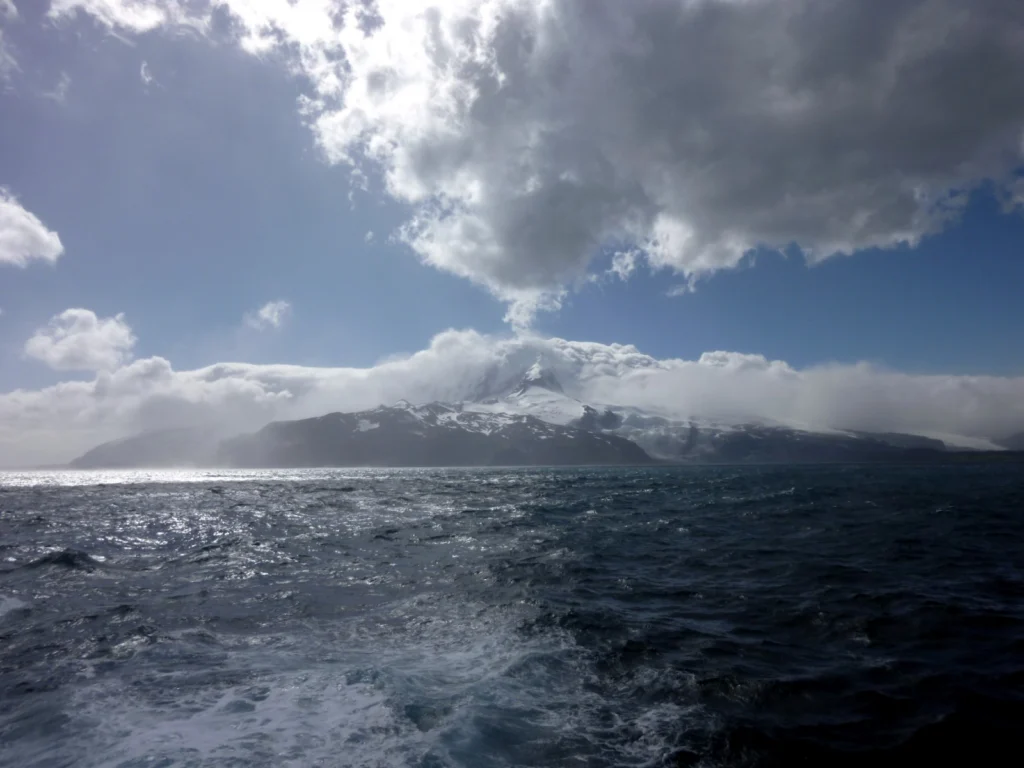
Imaggeo on Mondays: the remotest place on Earth?
Perhaps a bold claim, but at over 4,000 km away from Australia and 4,200 km from South Africa, Heard Island is unquestionably hard to reach. The faraway and little know place is part of a group of volcanic islands known as HIMI (comprised of the Heard Island and McDonald Islands), located in the southwest Indian Ocean. Shrouded in persistent bad weather and surrounded by the vast ocean, Heard Isla ...[Read More]
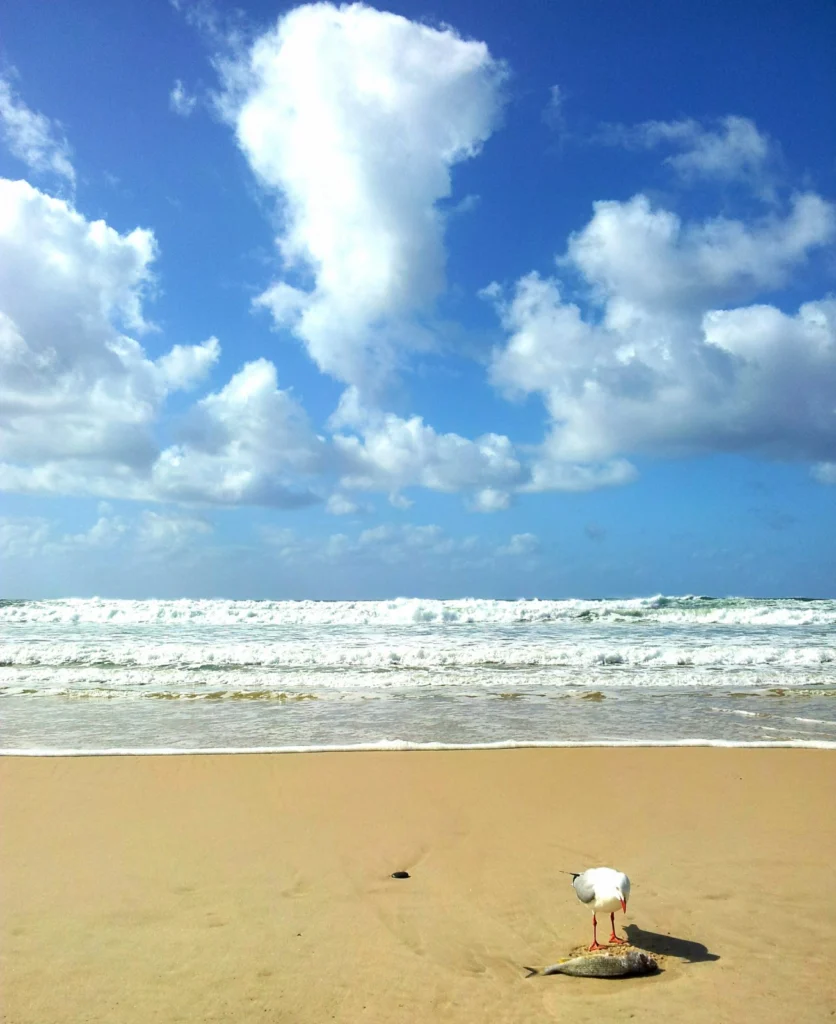
Geosciences Column: Do coastlines have memories?
Did you know that the shape of coastlines is determined by the angle at which waves crash against the shoreline. It has long been thought that fluctuations in the wave incidence angle are rapidly felt by coastlines, which change the shapes of their shores quickly in response to shifting wave patterns. Or do they? Researchers at the British Geological Survey, Duke University (USA) and Woods Hole Oc ...[Read More]
The best of Imaggeo in 2016: in pictures
Imaggeo, our open access image repository, is packed with beautiful images showcasing the best of the Earth, space and planetary sciences. Throughout the year we use the photographs submitted to the repository to illustrate our social media and blog posts. For the past few years we’ve celebrated the end of the year by rounding-up some of the best Imaggeo images. But it’s no easy task to pick which ...[Read More]
Looking back at the EGU Blogs in 2016: a competition
The past 12 months has seen an impressive 360 posts published across the EGU’s official blog, GeoLog, as well as the network and division blogs. From a lighthearted Aprils Fools’ Day post featuring an extreme chromatic phenomenon (otherwise known as FIB); through to how climate change is affecting mountain plant’s sex ratios; features on natural hazard events throughout the year and children’s dis ...[Read More]
GeoTalk: Using satellites to unravel the secrets of our planet’s polar regions
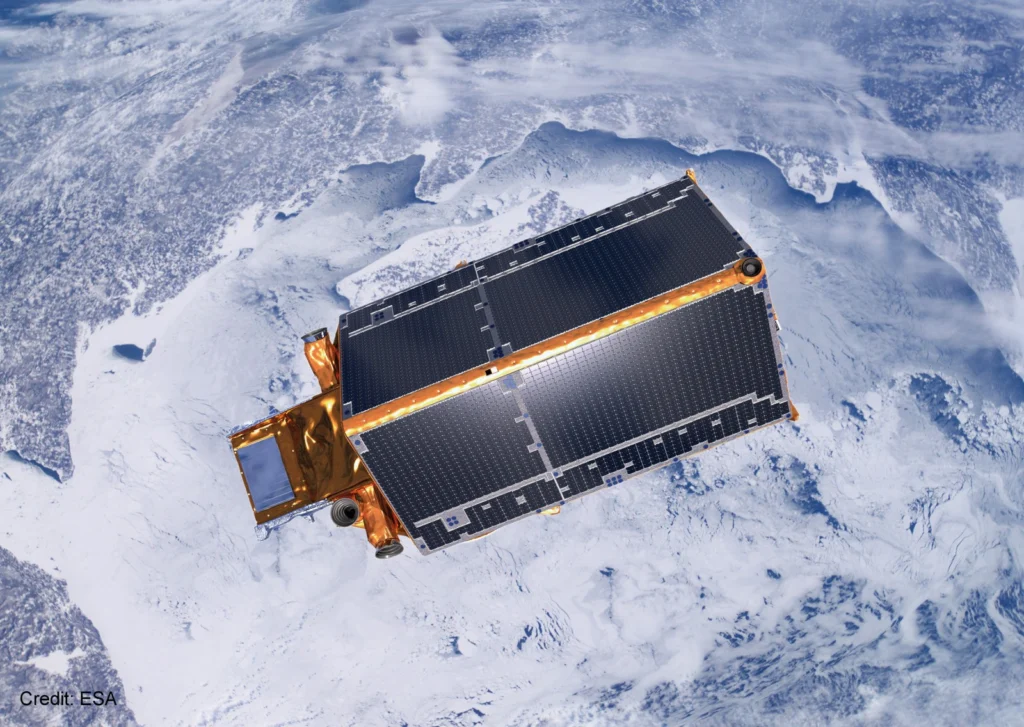
Geotalk is a regular feature highlighting early career researchers and their work. In this interview we speak to Bert Wouters, a polar scientist at the University of Utrecht, and winner of one of the 2016 Arne Richter Awards for Outstanding Young Scientists. At a time when the polar regions are facing increasing challenges resulting from climate change, understanding how they might respond to them ...[Read More]
Imaggeo on Mondays: The shrinking of Earth’s saltiest lake
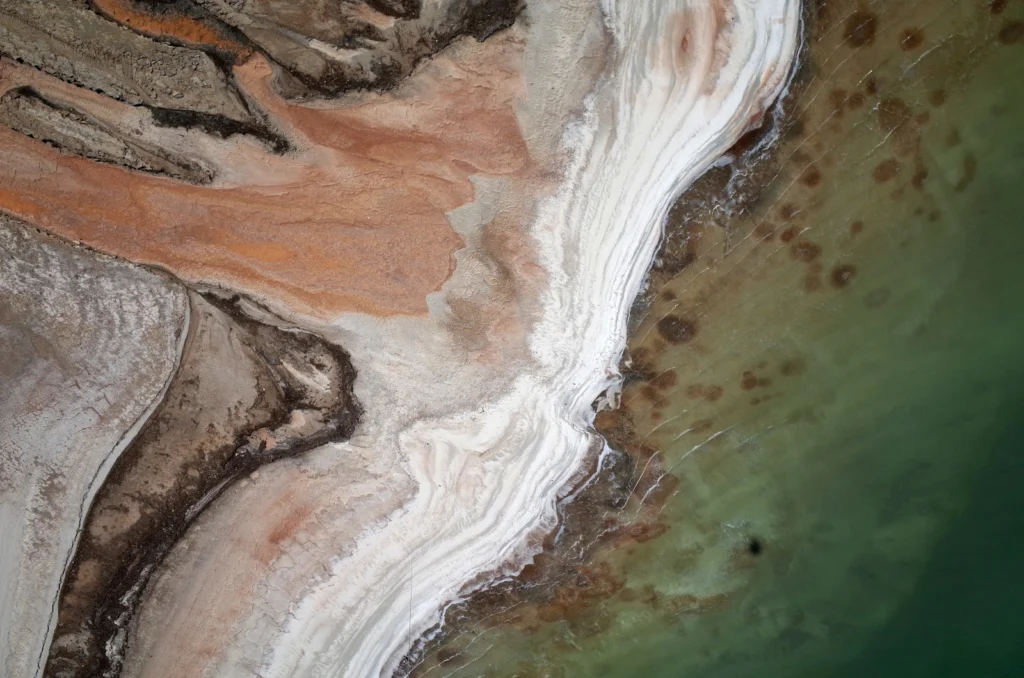
The Dead Sea is one of the saltiest lakes on Earth, located at the lowest point of the globe. For centuries it has been known for the restorative powers of its muds and waters. Their hypersalinity means it is possible to easily float on the lake’s surface. Bordering Israel, the West Bank and Jordan, it is a unique environment in an otherwise arid region. Changing climate, which is seeing tempera ...[Read More]
Geosciences Column: The complex links between shrinking sea ice and cloud cover
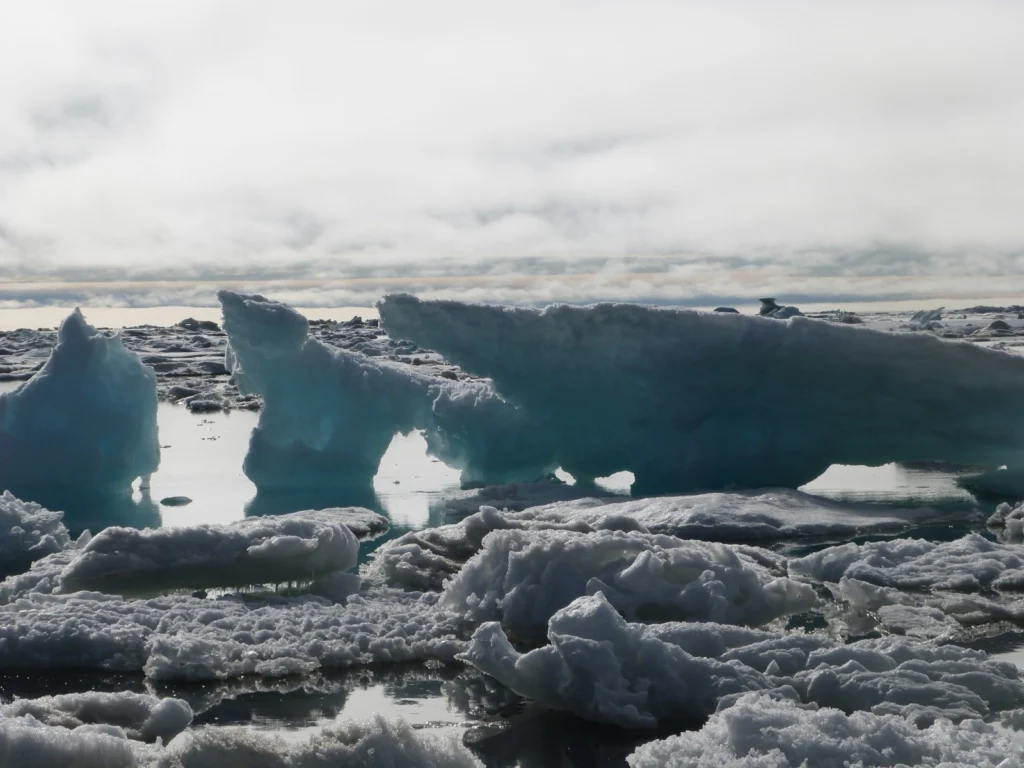
The global climate system is complex. It is composed of, and governed by, a plethora of interconnect factors. Solar radiation, land surface, ice cover, the atmosphere and living things, as well as wind and ocean currents, play a crucial role in the climate system. These factors are intricately connected; changes to some can have significant effects on others, leading to overall consequences for th ...[Read More]
Imaggeo on Mondays: White rainbow in the Arctic
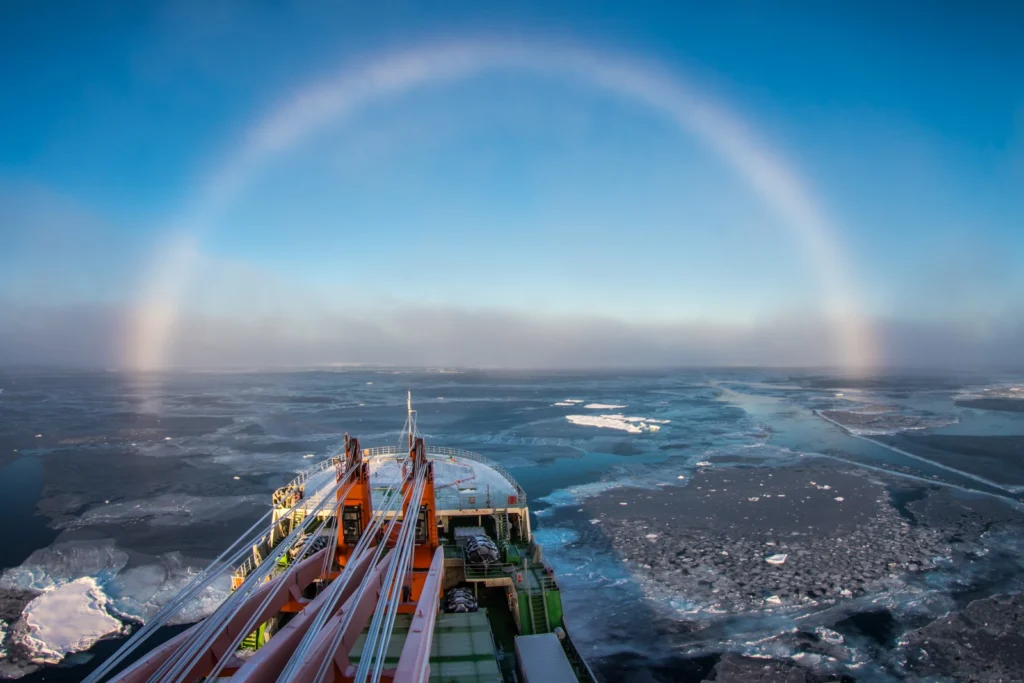
Despite heading into the long polar night – the time when the sun doesn’t shine in the globe’s most northerly latitudes and when temperatures drop and thick sheets of sea ice form -the Arctic is reported to be 20° C warmer than average for this time of year. Never has it been more important to understand the effects of climate change on Polar Regions. Mikhail Varentsov, a climate and meteor ...[Read More]
GeoEd: A round-up of (geo)educational board games
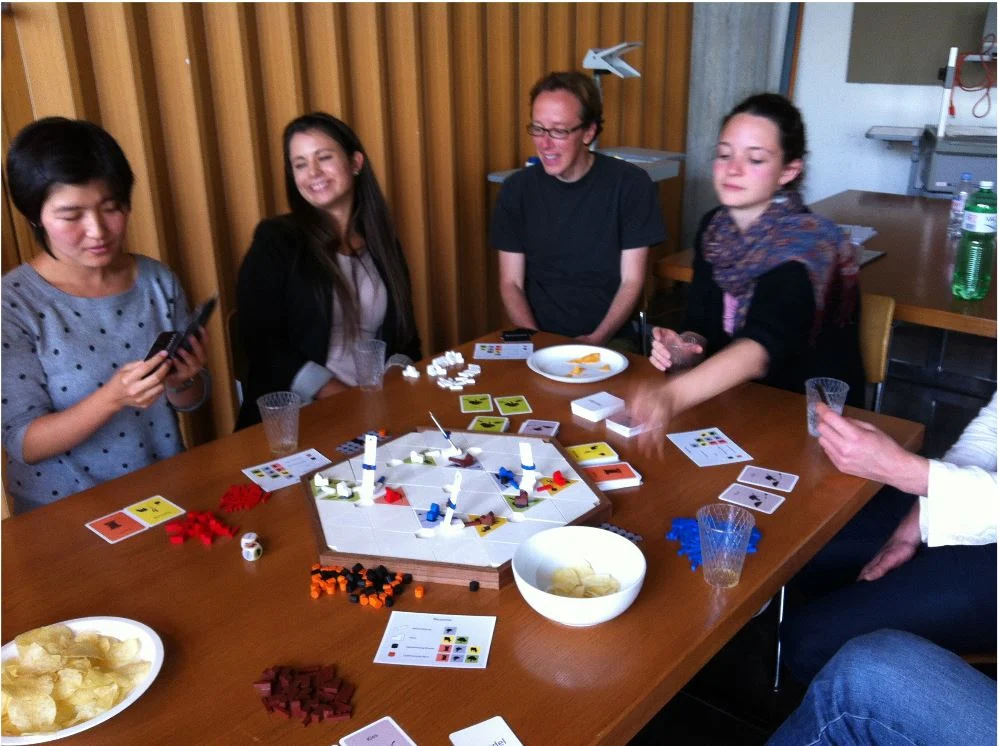
With the rise of electronic games – those played on computers, consoles and even on mobile phones – you’d be forgiven for thinking the humble board game would be slowly making its way into the history books. Nothing could be further from the truth! Sales of board games are on the up, as are cafes where you can gather to play table-top games of your choice, and board game meet ups: regular gaming g ...[Read More]