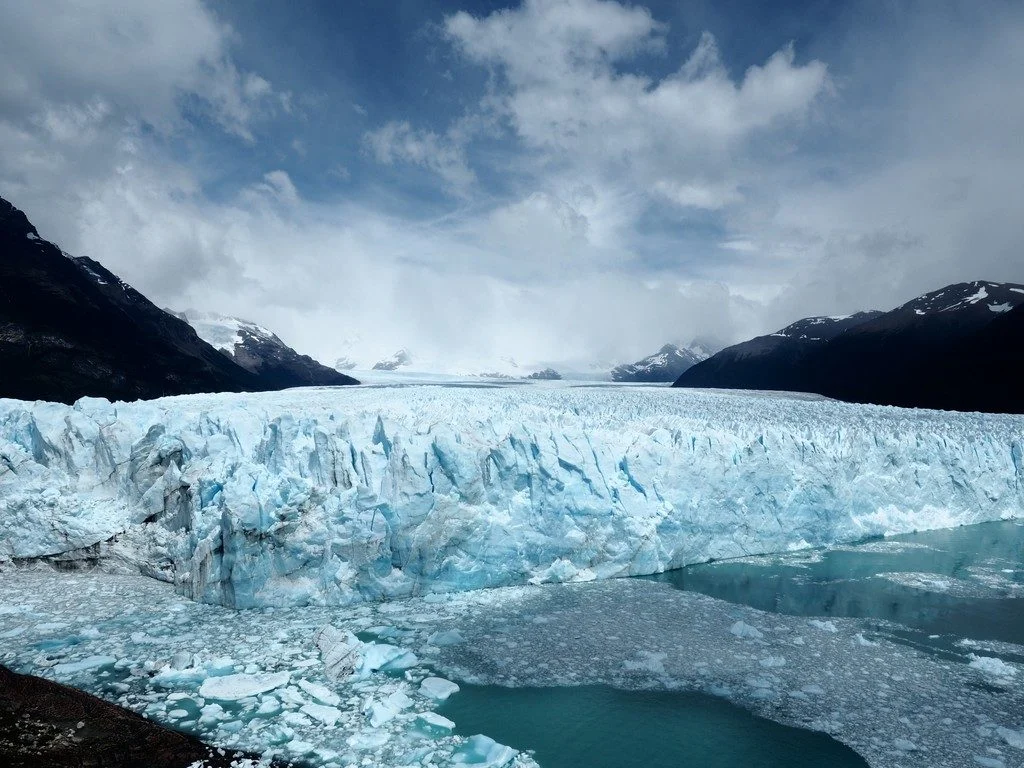
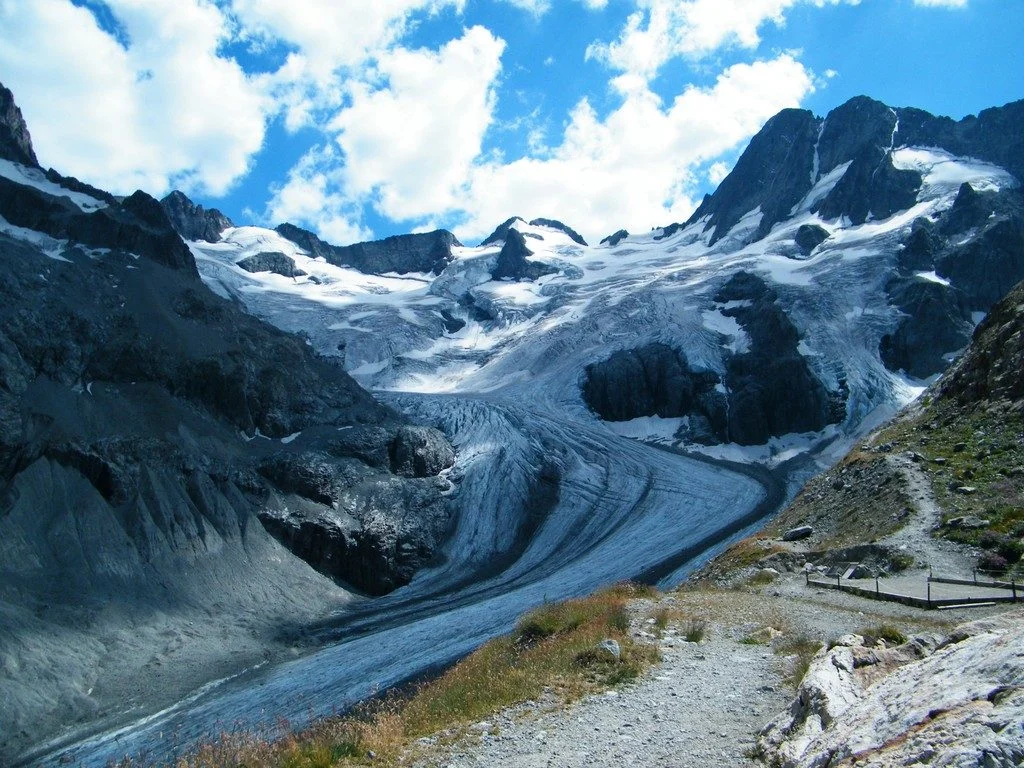
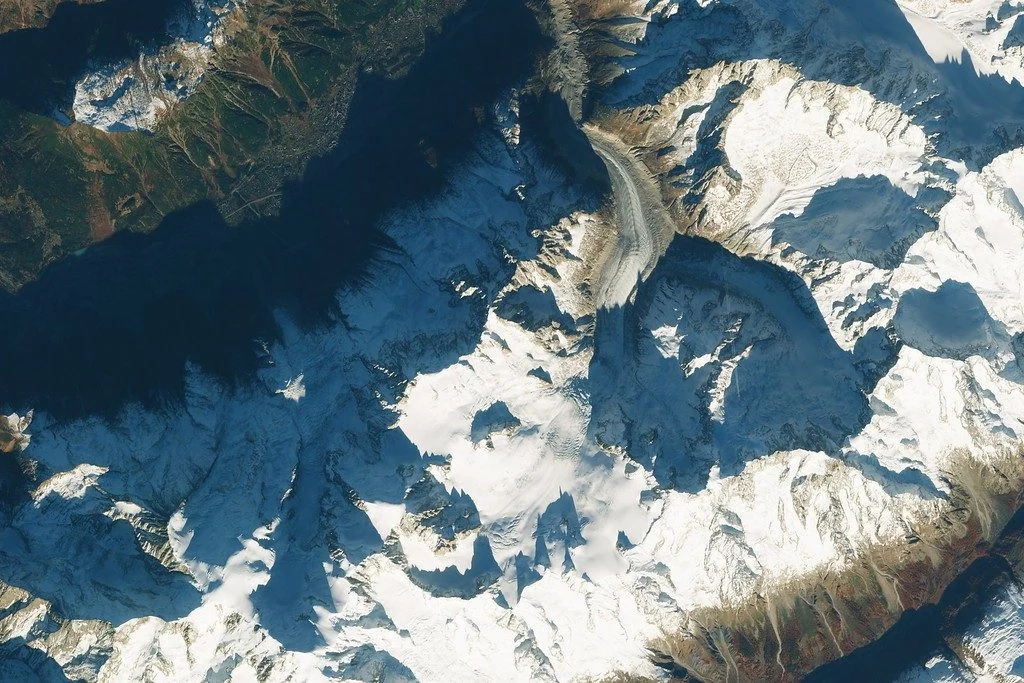
Human impacts on the climate are nowadays clearly discernible, and the changes to our climate that previously happened in geologic time scales are currently happening during the span of a human lifetime. Our planet is warming and temperature today is now more than 1°C higher than it was in the pre-industrial world and rises by …[Read More]
Cryospheric Sciences
Imaggeo on Mondays: A walk at the glacier
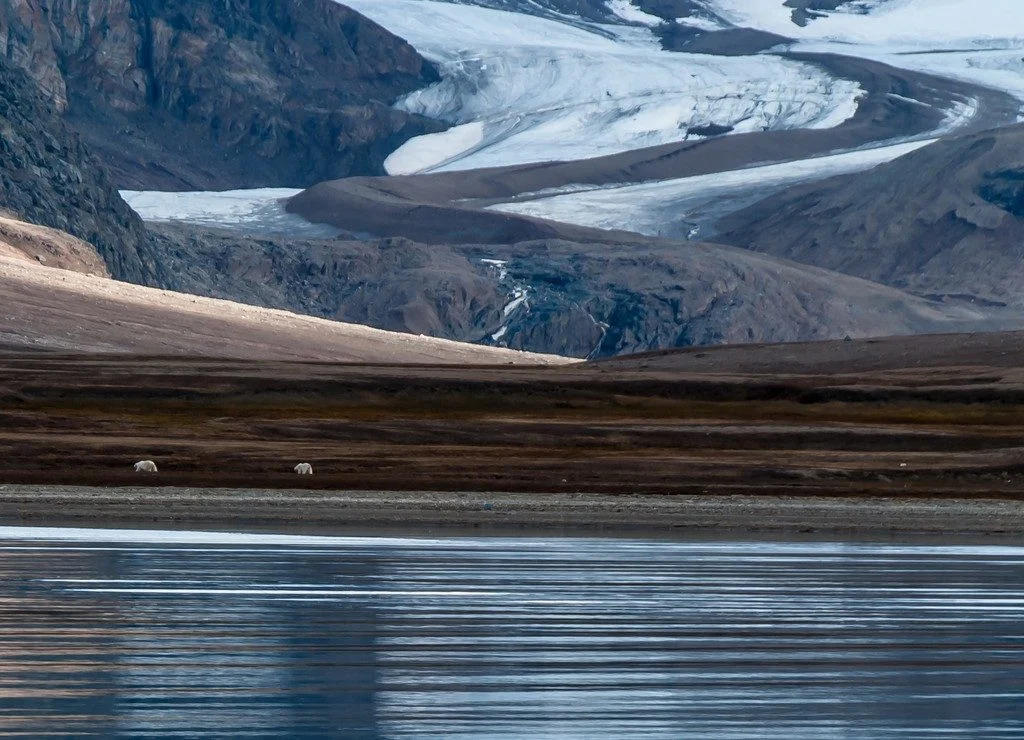
In 2012 I had the opportunity to help lead a teaching excursion to the Norwegian archipelago Svalbard. On this trip, geography students from the Ruhr-University of Bochum in Germany had the chance to learn more about the nature of this fascinating island. In addition to Svalbard’s climatology and the wildlife, the region’s glaciology and geomorphology …[Read More]
September GeoRoundUp: the best of the Earth sciences from around the web
Drawing inspiration from popular stories on our social media channels, major geoscience headlines, as well as unique and quirky research, this monthly column aims to bring you the latest Earth and planetary science news from around the web. Major stories Latest IPCC report puts the oceans and cryosphere in focus Last month the United Nations’ …[Read More]
July GeoRoundUp: the best of the Earth sciences from around the web
Drawing inspiration from popular stories on our social media channels, major geoscience headlines, as well as unique and quirky research, this monthly column aims to bring you the latest Earth and planetary science news from around the web. Major story The world soaks up the sun This summer our planet experienced the hottest June in …[Read More]
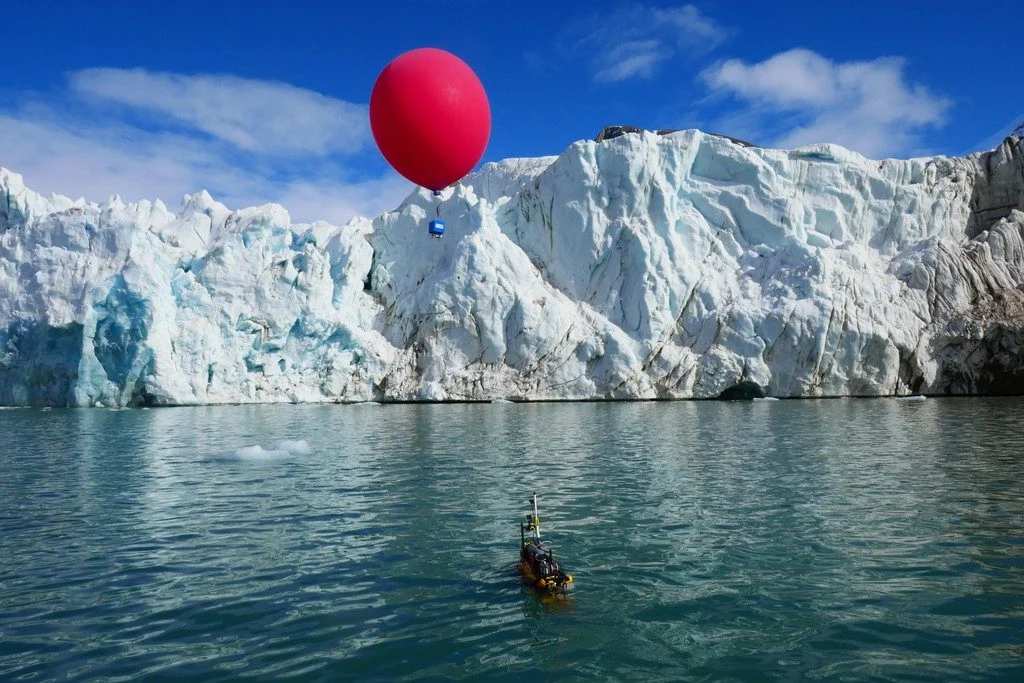
Imaggeo on Mondays: Robotics at the service of the polar science
This picture was taken in the Arctic in May 2018. It shows the unmanned marine vehicle Proteus in front of the tidewater glacier Conwaybreen in the Kongsfjorden in Spitsbergen in the Svalbard Archipelago. The front of tidewater glaciers is an almost vertical wall of ice standing over the sea where direct measurements are very critical …[Read More]
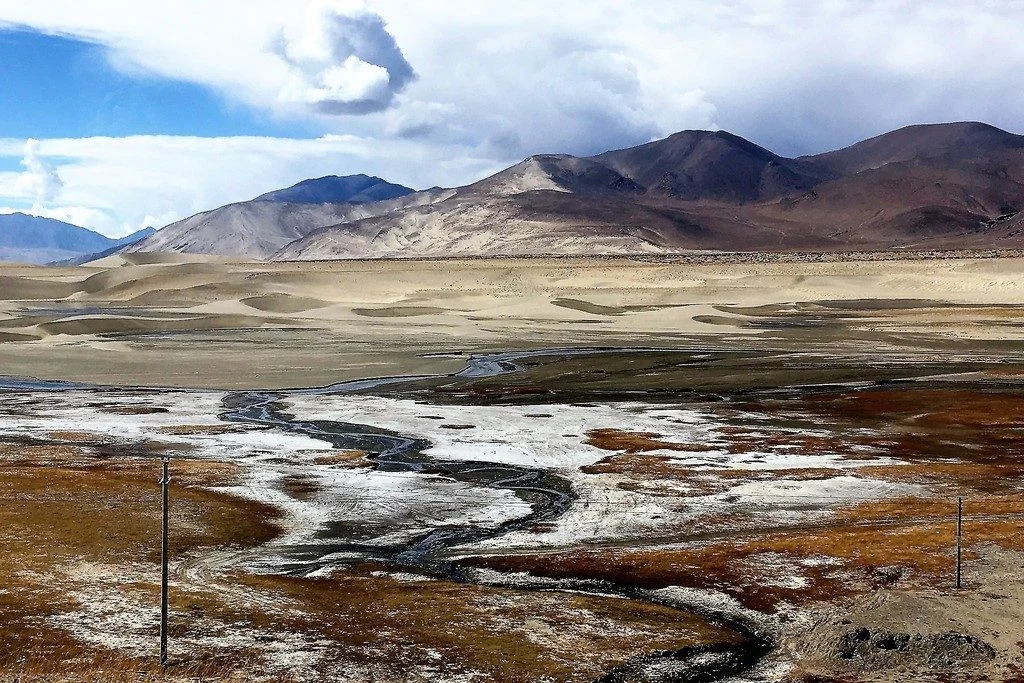
Imaggeo on Mondays: Sand and snow on the Tibetan Plateau
Roughly 50 million years ago, the Eurasian and Indian continental plates began to crash into each other, dramatically changing the landscape of modern-day Asia. The force of the collision caused the Earth to scrunch together at the zone of impact, subsequently forming the Himalayan mountain range. However, to the north of the crash, a stretch …[Read More]
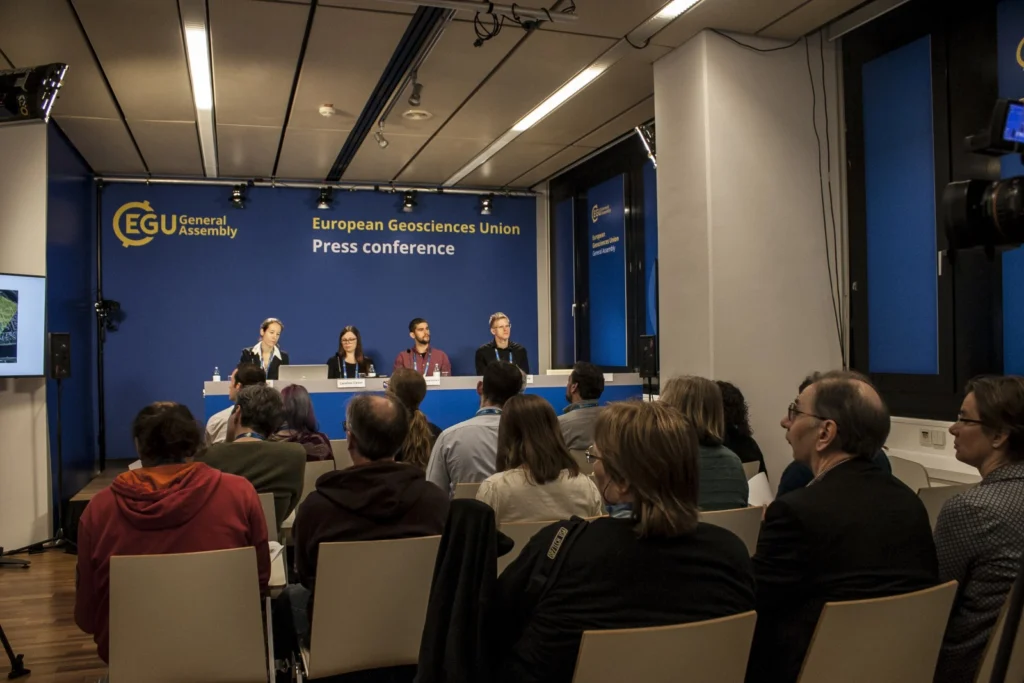
April GeoRoundUp: the best of the Earth sciences from the 2019 General Assembly
The EGU General Assembly 2019 took place in Vienna last month, drawing more than 16,000 participants from 113 countries. This month’s GeoRoundUp will focus on some of the unique and interesting stories that came out of research presented at the Assembly! Major Stories Glacial disappearing act in the European Alps New research from a team …[Read More]
Imaggeo on Mondays: Up close and personal with Svalbard glaciers
A University Centre in Svalbard (UNIS) Glaciology student examines the calving front of the Paulabreen glacier [in Spitsbergen, Svalbard], taking advantage of sea ice in the Rindersbukta fjord to safely approach the front. Paulabreen is a surge-type glacier, which means that it periodically switches between long periods of slow, stable flow to short-lived periods of …[Read More]
Imaggeo on Mondays: High above the top of Europe
Sentinel-2B imaged the highest mountains of western Europe, just the moment an airplane was about to fly over the granite peaks of Grandes Jorasses and cross the border from France to Italy. The passengers on the right side of the plane must have enjoyed a spectacular view on Mont Blanc, just nine kilometers away to …[Read More]
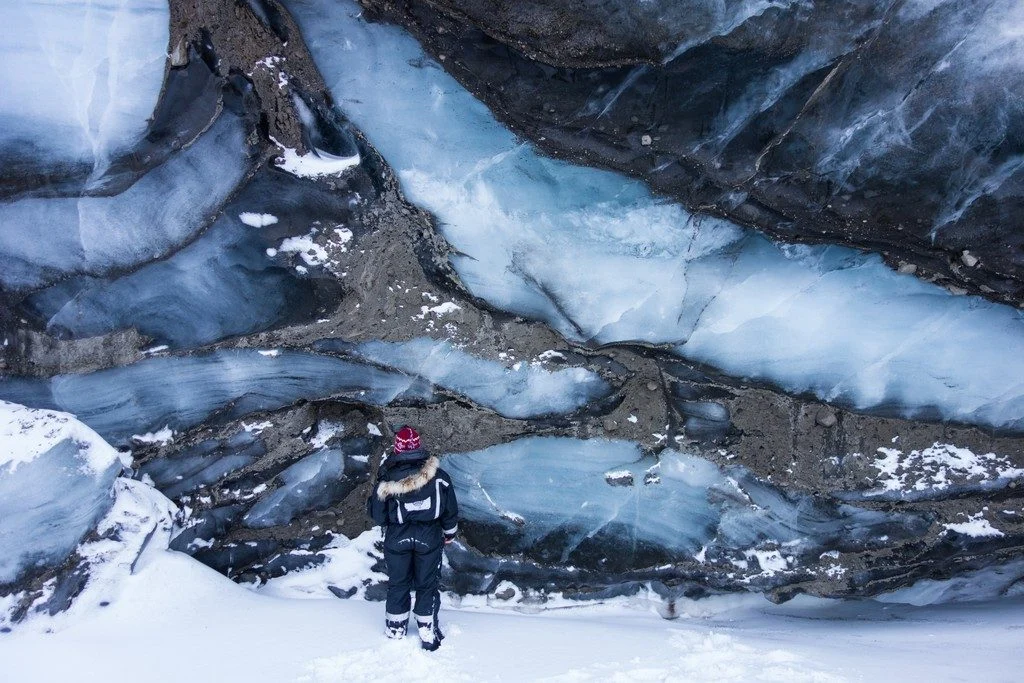
Imaggeo on Mondays: Exploring the underground cryosphere
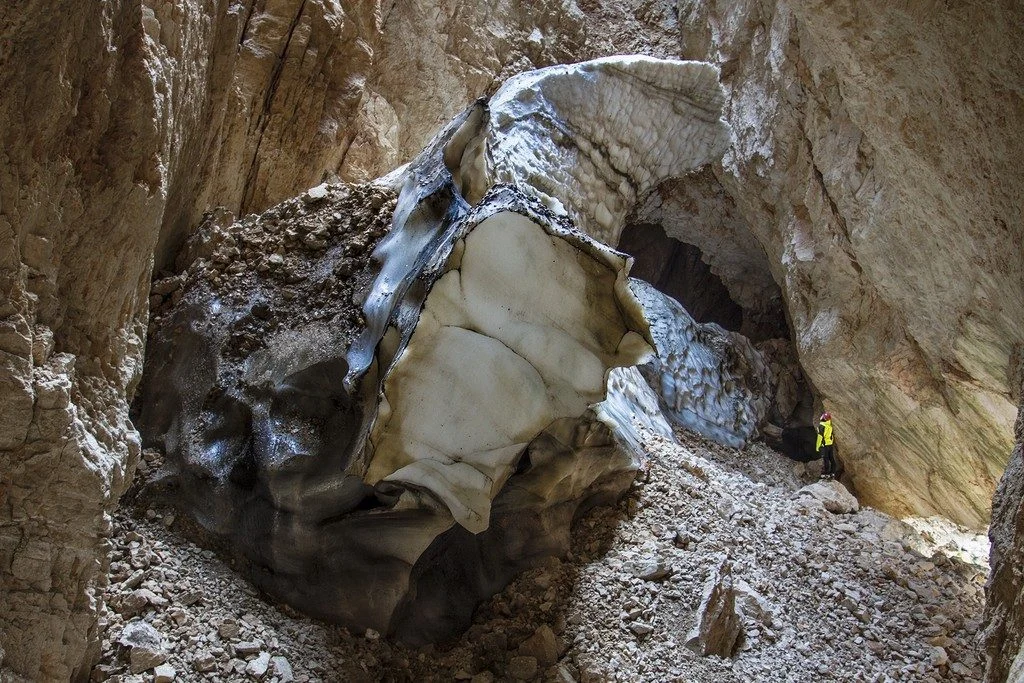
The winter season is a good time to take advantage of cold weather activities, whether that’s hitting the ski slopes or warming up by a fire, but for Renato R. Colucci, it’s also one of the best time’s to study the Earth’s underground cryosphere. Colucci, who took this featured photograph, is a researcher at Italian …[Read More]