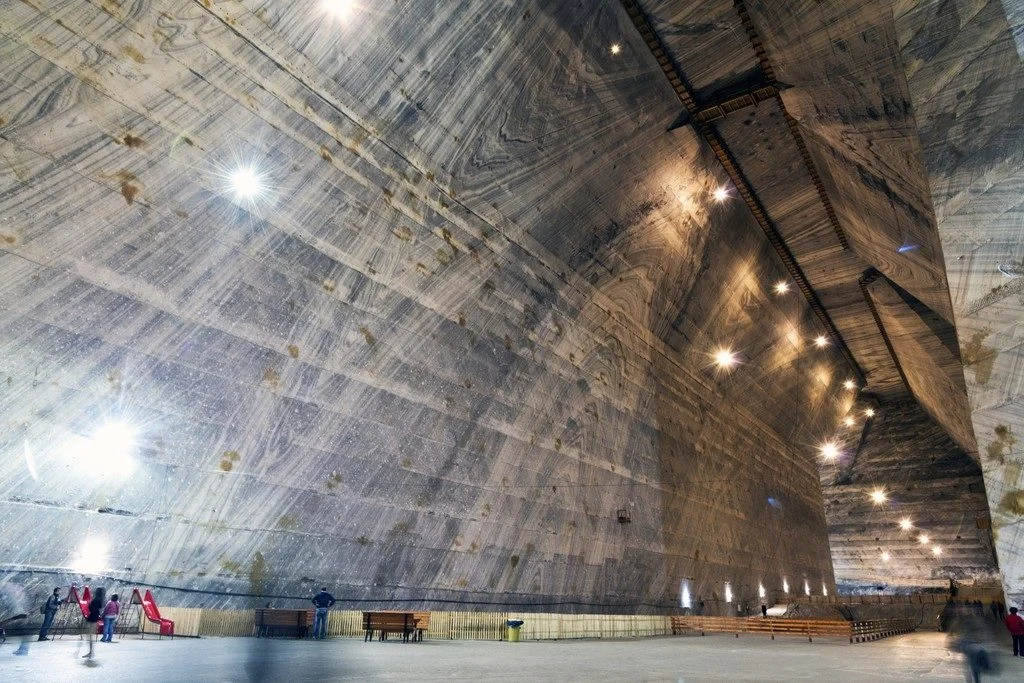
The image gives us a glimpse into the Slănic Salt Mine in central Romania, about 100 kilometres north of the capital city Bucharest. The region was actively mined for almost 30 years, from 1943 to 1970. The Slănic Salt Mine is the largest salt mine in Europe, and the facility consists of 14 large chambers, …[Read More]
Imaggeo on Mondays: Inside the whale’s mouth
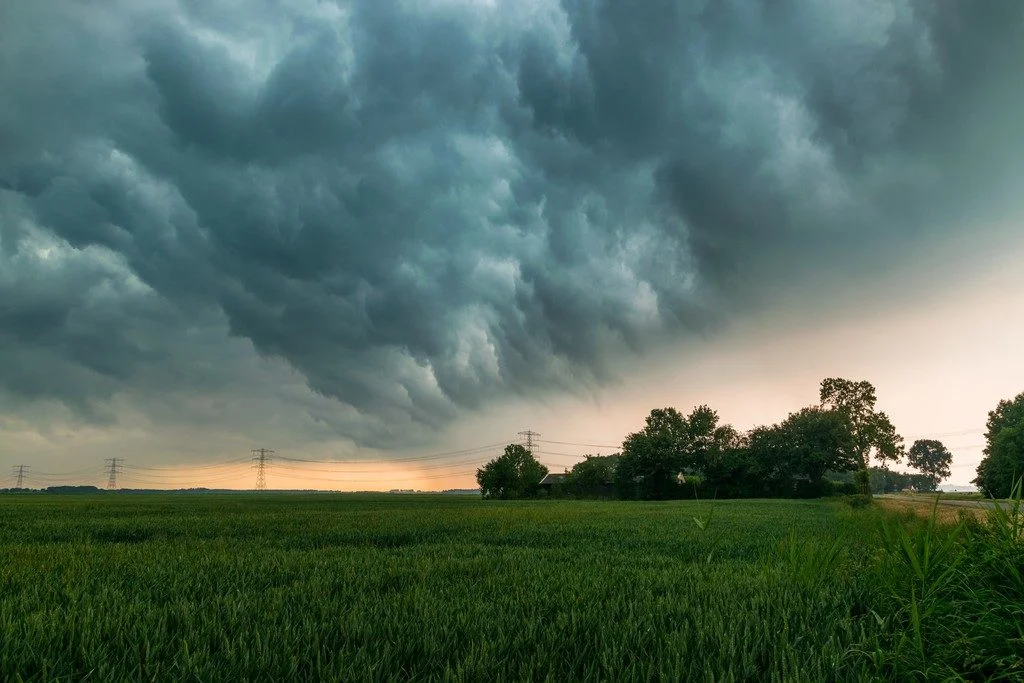
Often there are moments in our lives when we are reminded of the strength and magnitude of our environment, whether that’s trekking through a mountain range or gazing at the horizon from the ocean shore. Yet arguably there are few things that can make you feel as small as a particularly powerful summer storm. “The …[Read More]
GeoTalk: Bárbara Ferreira – reflections on a science communication career with EGU
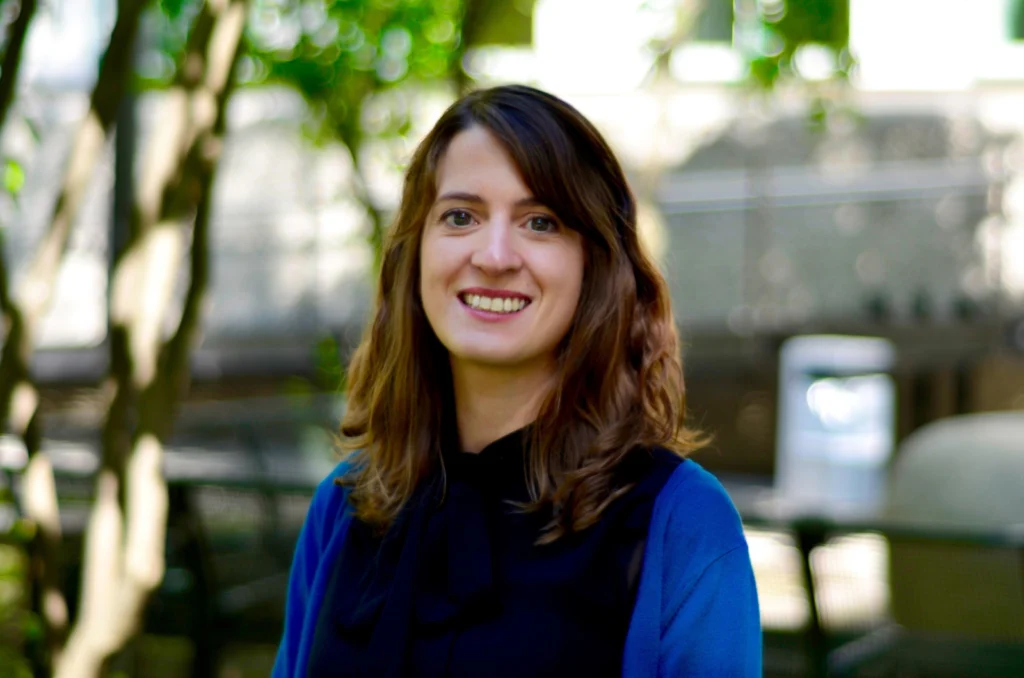
GeoTalk interviews usually feature the work of early career researchers, but this month we deviate from the standard format to speak to Bárbara Ferreira, EGU’s Media and Communications Manager. Bárbara has been an integral part of the EGU since September 2011, from coordinating science communication between the Union, journalists and the public at large, to …[Read More]
Help shape the conference programme: Inter- and Transdisciplinary Sessions at the 2020 General Assembly
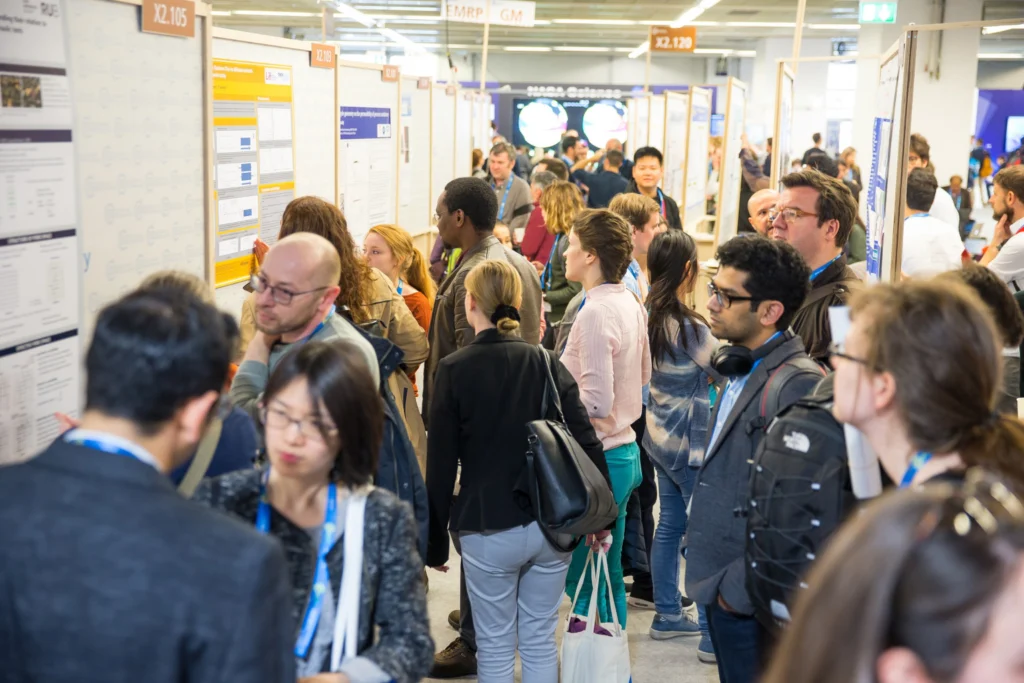
Do you enjoy the EGU’s annual General Assembly but wish you could play a more active role in shaping the scientific programme? Now is your chance! But hurry, the session submission deadline is fast approaching. You’ve got until 5 September to propose changes. As well as the standard scientific sessions, subdivided by Programme Groups, EGU coordinates Inter- …[Read More]
Imaggeo on Mondays: Monitoring Antarctica’s ocean current
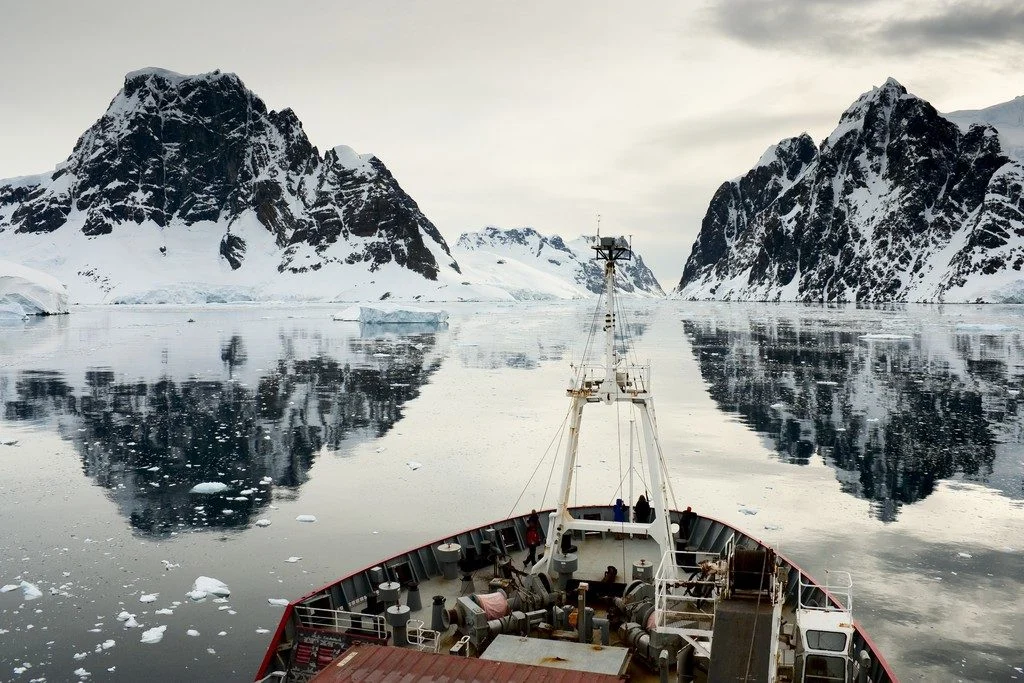
This week’s featured image depicts a quiet and still oceanic landscape in Antarctica, but polar scientists are studying how energetic and variable the ocean currents in this part of the world can be. In this picture, the marine research vessel RRS James Clark Ross is making its way through the Lemaire Channel, a small passage …[Read More]
July GeoRoundUp: the best of the Earth sciences from around the web
Drawing inspiration from popular stories on our social media channels, major geoscience headlines, as well as unique and quirky research, this monthly column aims to bring you the latest Earth and planetary science news from around the web. Major story The world soaks up the sun This summer our planet experienced the hottest June in …[Read More]
Organise a short course at EGU 2020: follow this simple guide!
When it comes to supercharging your scientific skills, broadening your base science communication, or picking up tips on how to boost your career, short courses can be one of the highlights of the General Assembly programme. But, did you know that any EGU member planning to go to the General Assembly (you!) can propose a …[Read More]
Help shape the conference programme: Union Symposia and Great Debates at the 2020 General Assembly
Do you enjoy the EGU’s annual General Assembly but wish you could play a more active role in shaping the programme? This year, why not propose a Union Symposia or Great Debate? Each year at the General Assembly, the conference features a limited number of Union Symposia (US) and Great Debates (GDB), which can be …[Read More]
GeoTalk: Creative communication for science education – meet scientific artist Kelly Stanford
GeoTalk interviews usually feature the work of early career researchers, but this month we deviate from the standard format to speak to Kelly Stanford, an artist based in Manchester, UK who focuses on creating works of art that embody scientific concepts in an accessible and aesthetically pleasing manner which can be used to communicate science …[Read More]
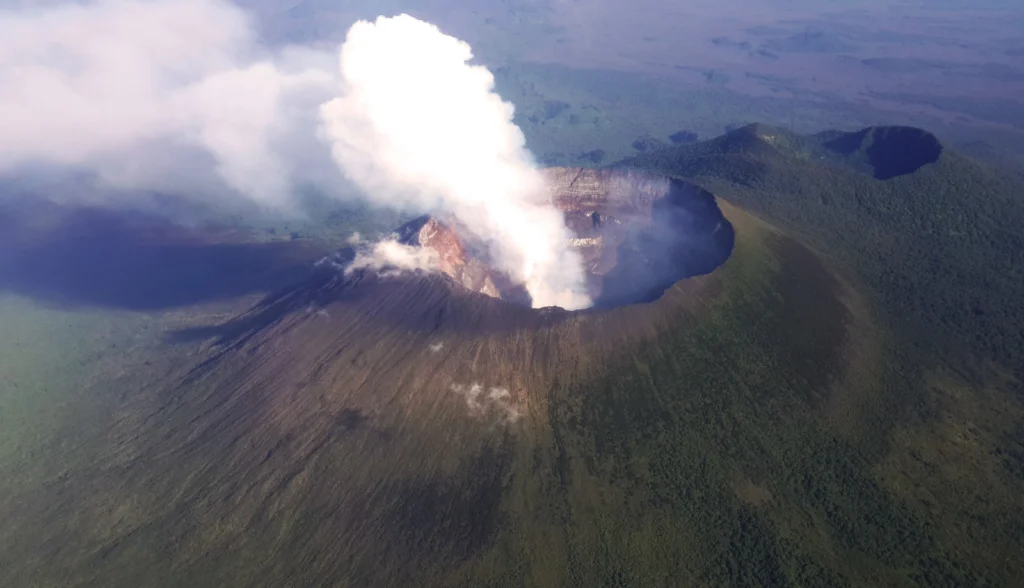
Geosciences Column: How erupting African volcanoes impact the Amazon’s atmosphere
When volcanoes erupt, they can release into the atmosphere a number of different gases initially stored in their magma, such as carbon dioxide, hydrogen sulfide, and sulfur dioxide. These kinds of gases can have a big influence on Earth’s atmosphere, even at distances hundreds to thousands of kilometres away. A team of researchers have found …[Read More]