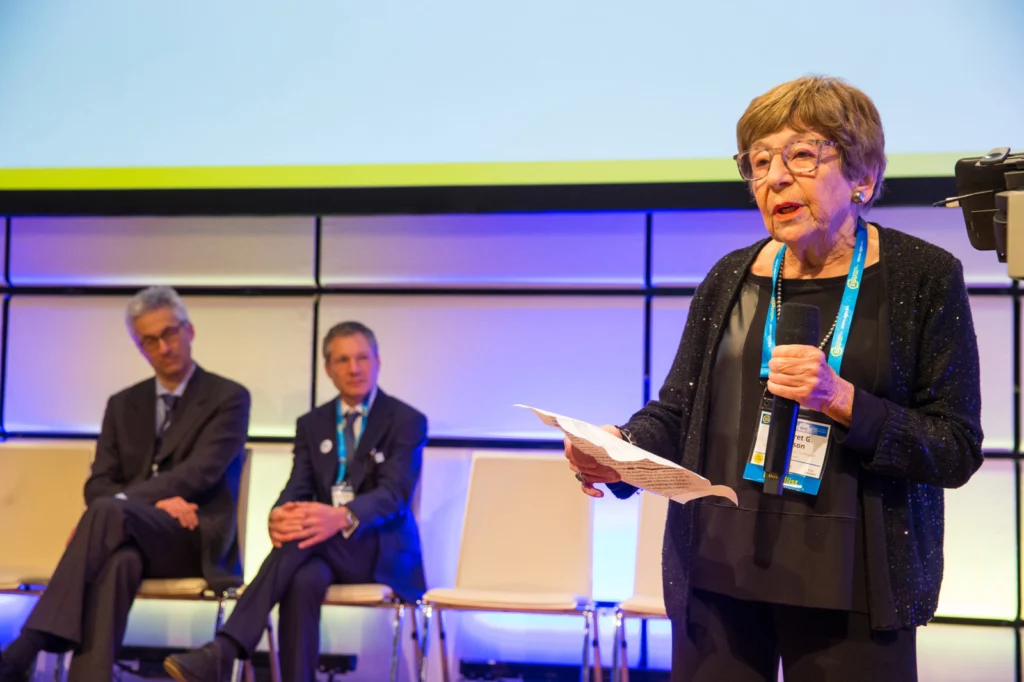
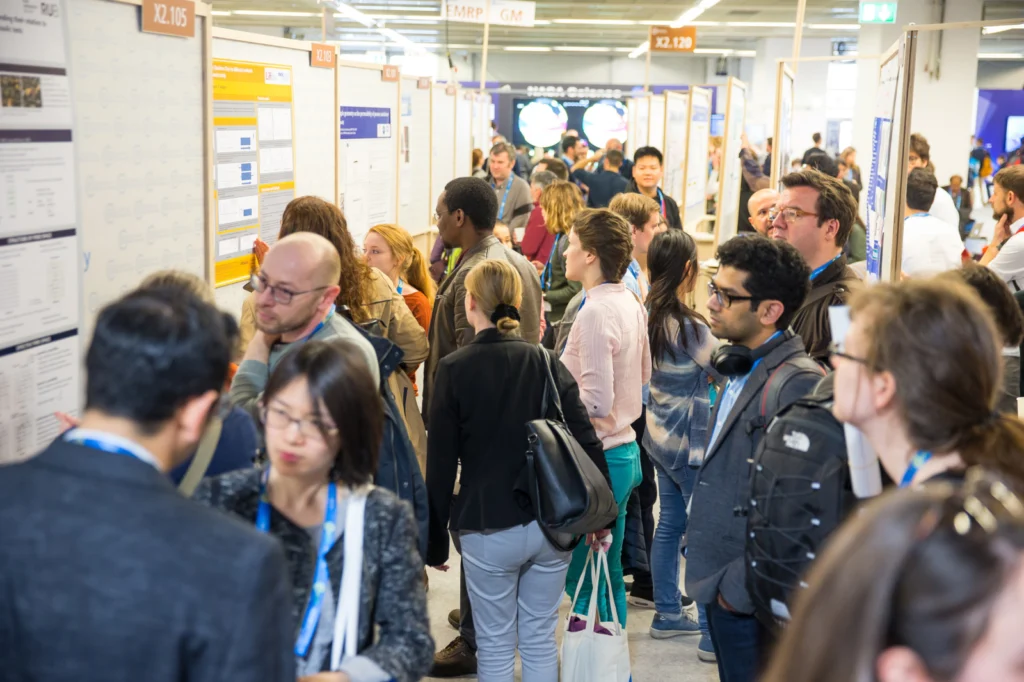
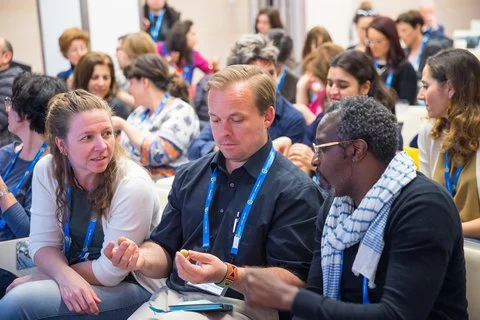
The EGU is committed to promoting the participation of both early career scientists and established researchers from low and middle-income countries who wish to present their work at the EGU General Assembly. In order to encourage participation of scientists from both these groups, a part of the overall budget of the EGU General Assembly is reserved to provide financial support to those who wish t ...[Read More]
EGU announces 2020 awards and medals
This week, the EGU announced the 49 recipients of next year’s Union Medals and Awards, Division Medals and Division Outstanding Early Career Scientist Awards. The aim of the awards is to recognise the efforts of the awardees in furthering our understanding of the Earth, planetary and space sciences. The prizes will be handed out during the EGU 2020 General Assembly in Vienna on 3-8 May. Head over ...[Read More]
Join us at the EGU 2020 General Assembly: Call for abstracts is now open!
From now, up until 15 January 2020 13:00 CET, you can submit your abstract for the upcoming EGU General Assembly (EGU 2020). In addition to established scientists, PhD students and other early career researchers are welcome to submit abstracts to present their research at the conference. Further, the EGU encourages undergraduate and master students to submit abstracts on their dissertations or fin ...[Read More]
EGU General Assembly 2020: Apply to be our next artist in residence!
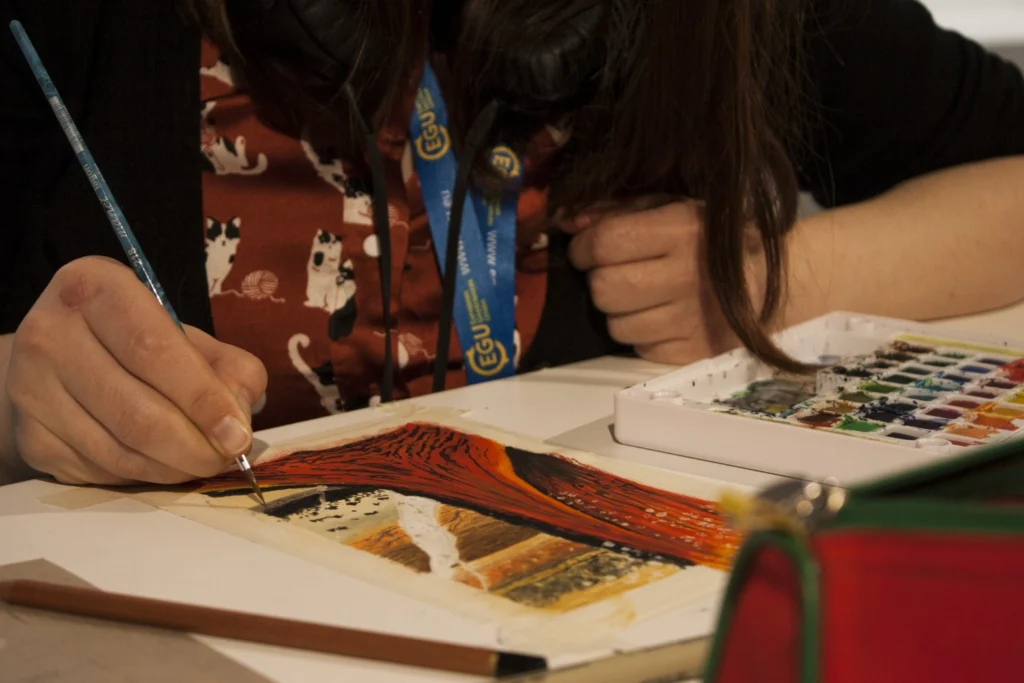
Calling all artists interested in the geosciences! For the third year in a row, the European Geosciences Union (EGU) will be providing artist in residence opportunities at its annual General Assembly. Our residency programme provides artists with an opportunity to engage with scientific research in a dynamic setting and be inspired by new scientific discoveries. Researchers, on the other hand, can ...[Read More]
Educators: apply now to take part in the 2020 GIFT workshop!
The General Assembly is not only for researchers but also for teachers and educators with an interest in the geosciences. Every year the Geosciences Information For Teachers (GIFT) workshop is organised by the EGU Committee on Education to bring first class science closer to primary and high school teachers. The topic of the 2020 edition of GIFT is ‘Water in the solar system’. This year’s workshop ...[Read More]
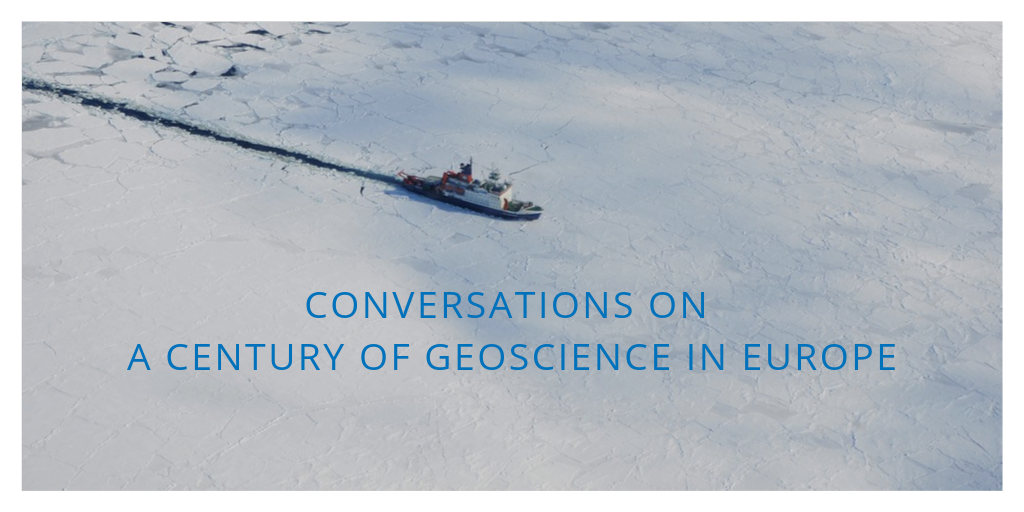
Conversations on a century of geoscience in Europe: Part 2
When you think about the last century of geoscience, what comes to mind? Perhaps Alfred Wegener’s theory of continental drift? Or Inge Lehmann’s discovery of Earth’s solid inner core? Over the last 100 years, geoscientists have made incredible contributions to our understanding of the Earth, the solar system, and beyond. The science community has explored uncharted territory, challenged previously ...[Read More]
September GeoRoundUp: the best of the Earth sciences from around the web
Drawing inspiration from popular stories on our social media channels, major geoscience headlines, as well as unique and quirky research, this monthly column aims to bring you the latest Earth and planetary science news from around the web. Major stories Latest IPCC report puts the oceans and cryosphere in focus Last month the United Nations’ Intergovernmental Panel on Climate Change (IPCC) releas ...[Read More]
Call for new EGU network blogs!
Here is your chance to join the EGU blog network! Since 2013, the Union’s network blogs have enjoyed thought-provoking and engaging contributions on a range of topics: from the workings of the inner Earth and palaeontology, through to geomorphology and air quality. The network aims to foster a diverse community of geoscience bloggers, sharing accurate information about geoscientific research in a ...[Read More]
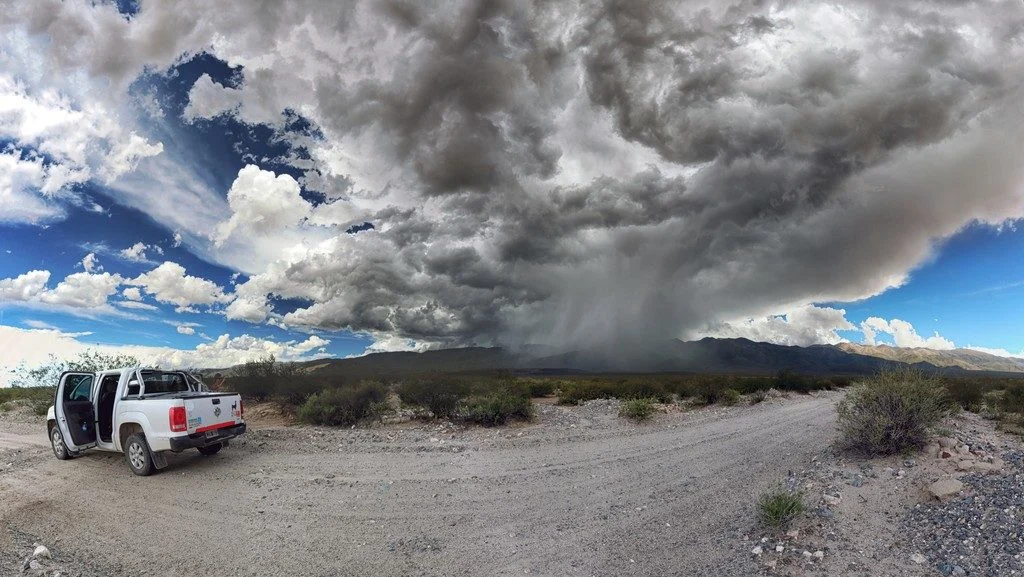
Imaggeo on Mondays: how short-term storms can impact our landscapes
In the Sierra de Aconquija, a mountain range in the southern Central Andes of Argentina, strong storms often come and go at a moment’s notice, but they can have a long-lasting impact on the Earth’s surface. The thunderstorm cell featured in this photo formed in less than half an hour, giving all those nearby only a few minutes to take cover. Mitch D’Arcy, a geomorphologist and postdoctoral researc ...[Read More]
Conversations on a century of geoscience in Europe: Part 1
When you think about the last century of geoscience, what comes to mind? Perhaps Alfred Wegener’s theory of continental drift? Or Inge Lehmann’s discovery of Earth’s solid inner core? Over the last 100 years, geoscientists have made incredible contributions to our understanding of the Earth, the solar system, and beyond. The science community has explored uncharted territory, challenged previously ...[Read More]