Tinted detail of a photo: Aerial view of steep limestone mountain ridges whose pale rock layers are tilted almost vertical, with green grassy slopes between them, a deep shadowed valley and a building with a mast on the left summit.
TS
Tectonics and Structural Geology

Experiments

Minds over Methods: Mineral reactions in the lab
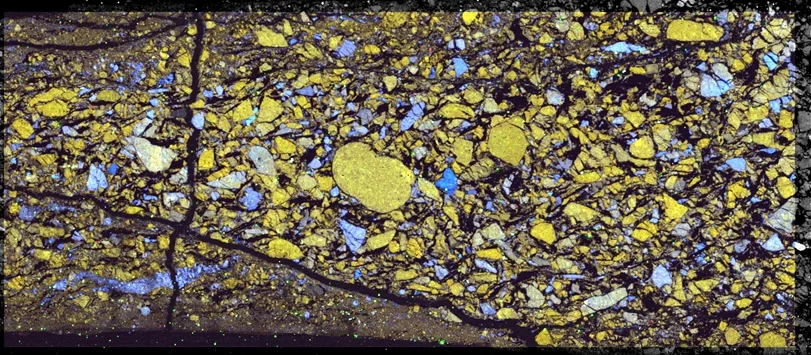
Minds over Methods: Mineral reactions in the lab
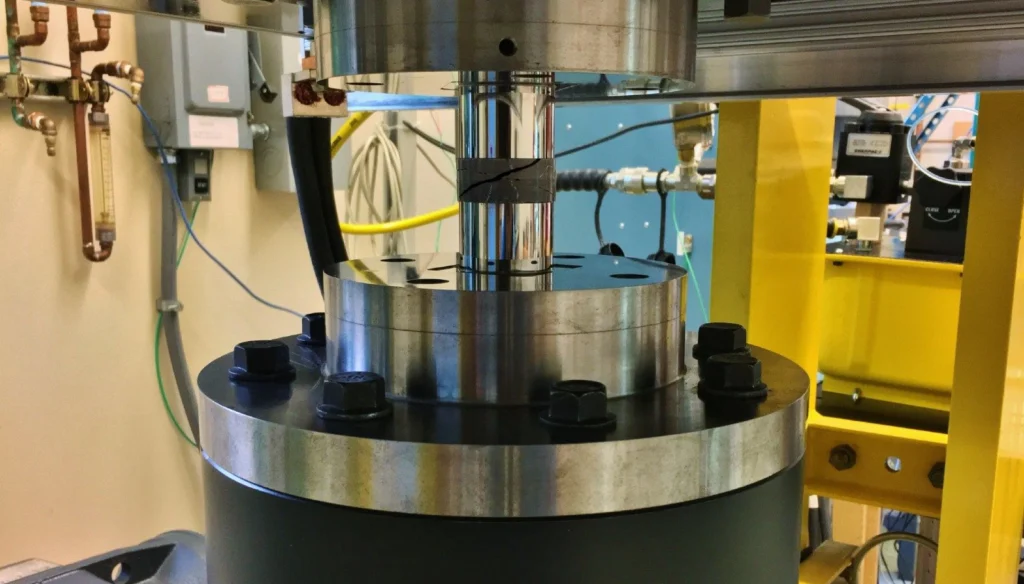
  Mineral reactions in the lab André Niemeijer, Assistant Professor, Department of Earth Sciences at Utrecht University, the Netherlands In this blogpost we will go on a tour of the High Pressure and Temperature (HPT) Laboratory at Utrecht University and learn about some of the interesting science done there. André’s main interest is fault friction and all …[Read More]

Minds over Methods: Massively dilatant faults in Iceland – from surface to subsurface structures

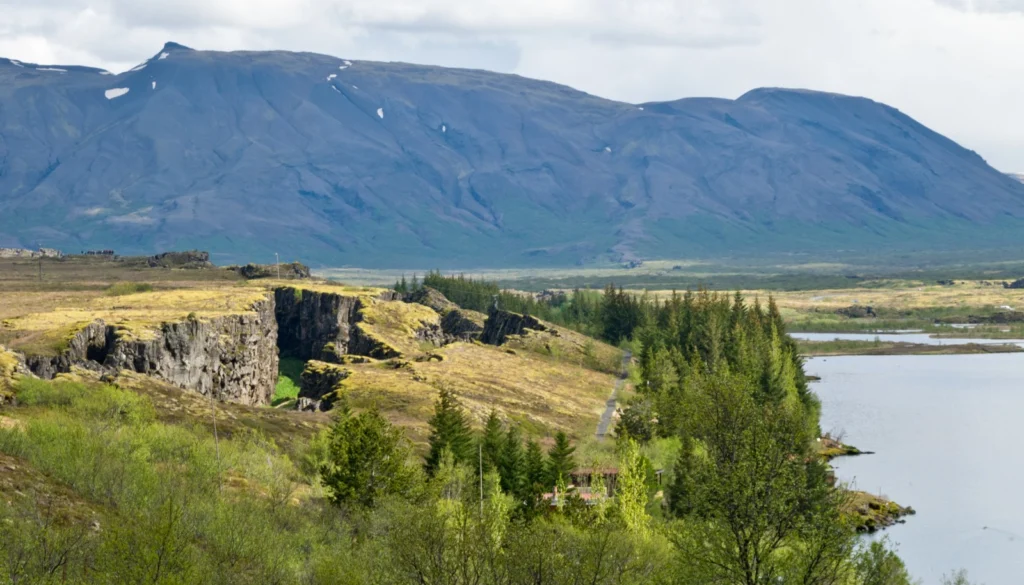
Minds over Methods: Massively dilatant faults in Iceland – from surface to subsurface structures

In this Minds over Methods we don’t have one, but two scientists talking about their research! Michael Kettermann and Christopher Weismüller, both from Aachen University, explain us about the multidisciplinary approach they use to understand more about massively dilatant faults. How do they form and what do they look like at depth? Massively dilatant faults …[Read More]

Minds over Methods: What controls the shape of oceanic ridges?

Minds over Methods: What controls the shape of oceanic ridges?

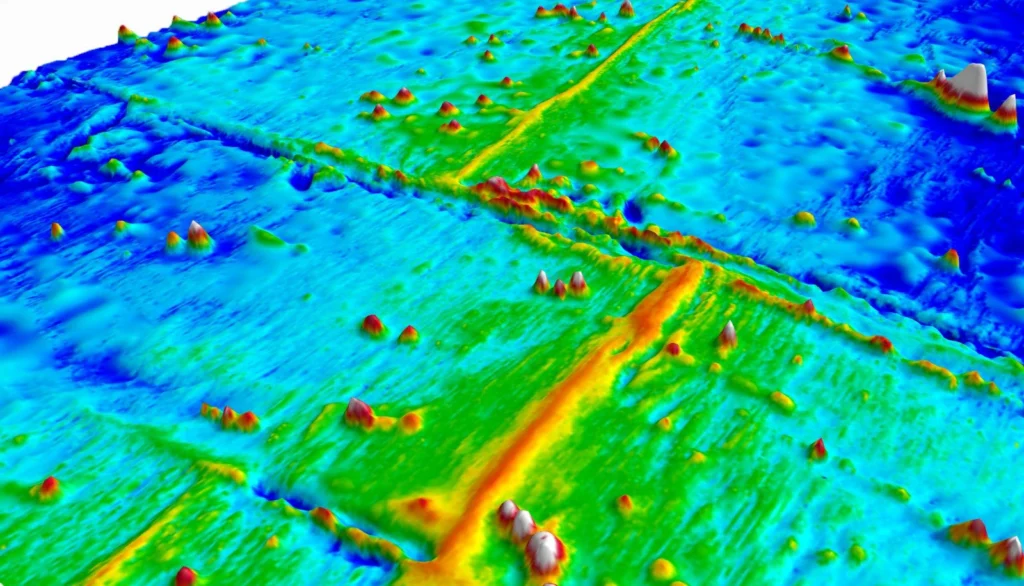
In this edition of Minds over Methods, Aurore Sibrant, postdoc at Bretagne Occidentale University (France) explains how she studies the shape of oceanic ridges, and which parameters are thought to control this shape. By using laboratory experiments combined with observations from nature, she gives new insights into how spreading rates and lithosphere thickness influence the …[Read More]

Minds over Methods: Experimental seismotectonics

Minds over Methods: Experimental seismotectonics

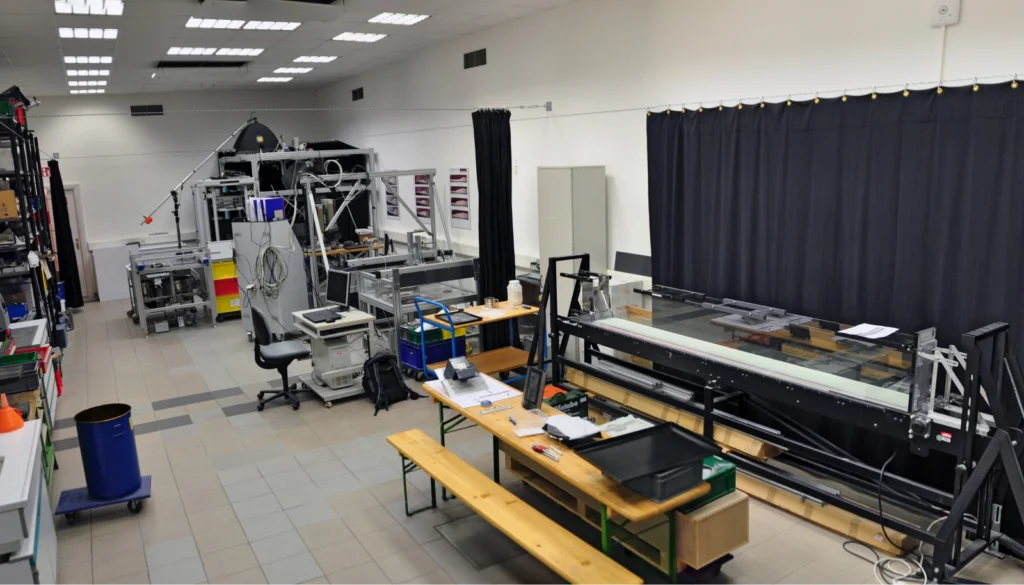
For our next Minds over Methods, we go back into the laboratory, this time for modelling seismotectonics! Michael Rudolf, PhD student at GFZ in Potsdam (Germany), tells us about the different types of analogue models they perform, and how these models contribute to a better understanding of earthquakes along plate boundaries.   Experimental seismotectonics – …[Read More]

Minds over Methods: Making ultramylonites

Minds over Methods: Making ultramylonites

“Summer break is over, which means we will continue with our Minds over Methods blogs! For this edition we invited Andrew Cross to write about his experiments with a new rock deformation device – the Large Volume Torsion (LVT) apparatus. Andrew is currently working as a Postdoctoral Research Associate in the Department of Earth and …[Read More]