SSS
Soil System Sciences

Soil science

Plant carbon allocation, soil nutrient availability and the mycorrhizal business
Plant carbon allocation, soil nutrient availability and the mycorrhizal business
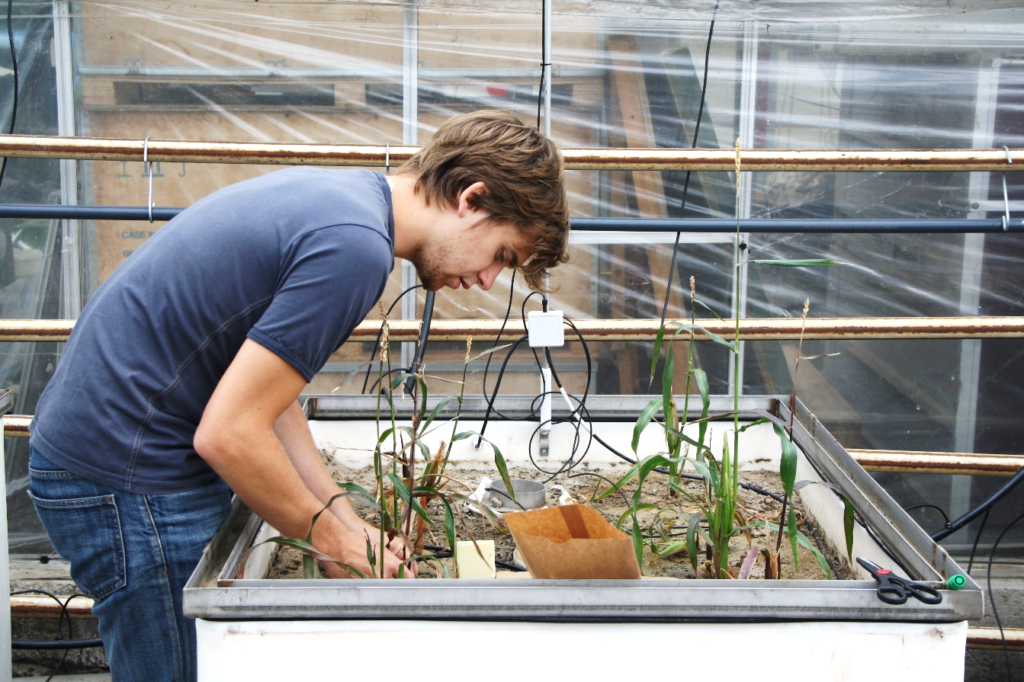
The soil market: plants spend some of their carbon on buying nutrients from mycorrhizae Similar to the way that we take up carbon (C) through the food we eat, plants absorb C in the form of CO2 from the atmosphere through photosynthesis, and use it to build sugars (Fig. 1). After having a good snack, our body decides where to send the C it has just gained: should I use it to grow muscles (or fat), ...[Read More]

Monday paper: The challenge and future of rocky desertification control in karst areas in southwest China

Monday paper: The challenge and future of rocky desertification control in karst areas in southwest China

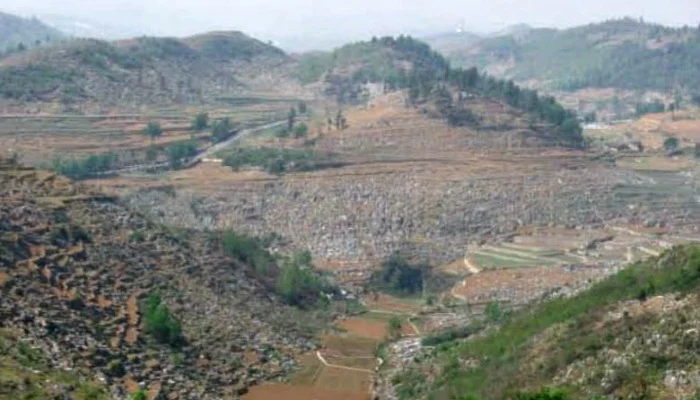
Zhang, J. Y., Dai, M. H., Wang, L. C., Zeng, C. F., and Su, W. C. 2016. The challenge and future of rocky desertification control in karst areas in southwest China. Solid Earth, 7:83-91, DOI:10.5194/se-7-83-2016, 2016.   Karst ecosystems in China are one of the main objectives of desertification control, since its conservation is important for economic and social development, especially of th ...[Read More]

Why your scientific paper was accepted?

Why your scientific paper was accepted?

As one of the executive editors of Solid Earth, one of my main duties is to keep up the journal’s reputation and a high quality of published articles. For a manuscript to be considered as a candidate for publication, it is necessary to fall within the scope of the journal. But, in my opinion, it also needs to show “new science”: innovation in the methods or approaches, sound resu ...[Read More]

New and traditional soil amendments – not so new after all?

New and traditional soil amendments – not so new after all?

Caroline Spann University of Natural Resources and Life Sciences, Vienna As of increasing demands for 4F (food, feed, fiber and fuel production) from agricultural sites there are many researches being done on soil amendments to increase yields, to remediate degraded or even contaminated soils to make them more profitable again. Tuesday morning a session was dedicated to “new and traditional soil a ...[Read More]

Go ask a statistician!

Go ask a statistician!

Caroline Spann University of Natural Resources and Life Sciences, Vienna During the EGU2016 Assembly, the chair of the statistics advisory panel of European Journal of Soil Science offered a short course on common statistical problems in soil science papers called “Secrets from the statistics panel: common statistical problems in soil science papers”. Motivation to start such a short course was to ...[Read More]

The long, long travel from rock to soil (I)

  There is hardly a subject in all nature, of which the majority of people has so unclear terms and which has hitherto been so completely misunderstood, as the soil on which they walk. F.A. Fallou Soil is often considered as the skin of the Earth and is located at the interface between the lithosphere, hydrosphere, atmosphere and biosphere. Air, water, rock and living beings interact to form ...[Read More]

Soil science and policy challenges

Sarah Connors, EGU Science Policy Fellow Antonio Jordán, University of Seville   Soil is often considered as the skin of the Earth and is located at the interface between the lithosphere, hydrosphere, atmosphere and biosphere. Soil is the physical and nutritional support for living organisms in emerged areas.

Soil facts

As part of the activities of the International Year of Soils, FAO has published the following Soil Facts. Contribute with your comments!          

Turning unproductive soil into profits

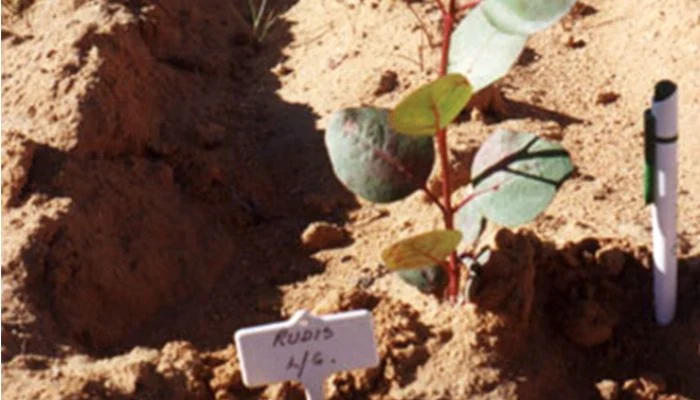
Preeti Roychand La Trobe University AgriBio Centre for AgriBioscience Melbourne, VIC, Australia Sandy soils in Western Australia are bad soils for growing plants due to their poor nutrients and water holding capacity (see an example in Figure 1). In general, these soils are water repellent, which leads to land degradation by increasing soil erosion risk and run-off rates. Nevertheless, these soils ...[Read More]

Fire and soil microorganisms: where should we focus on?

Fire and soil microorganisms: where should we focus on?

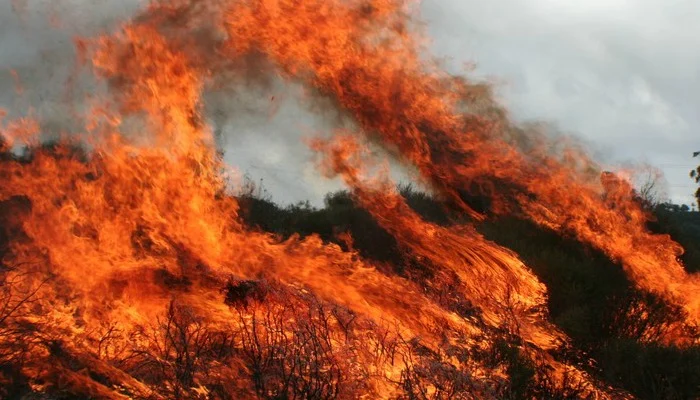
Gema Bárcenas-Moreno University of Seville, Sevilla, Spain Currently, the complexity of soil microbial ecology on soil systems is a hot topic in the environmental sciences, since the scientific community has achieved a deep knowledge of the relevance of microorganisms in soil processes. After several decades of study of the effects of wildfires on soils, one of the main conclusions is that soil mi ...[Read More]