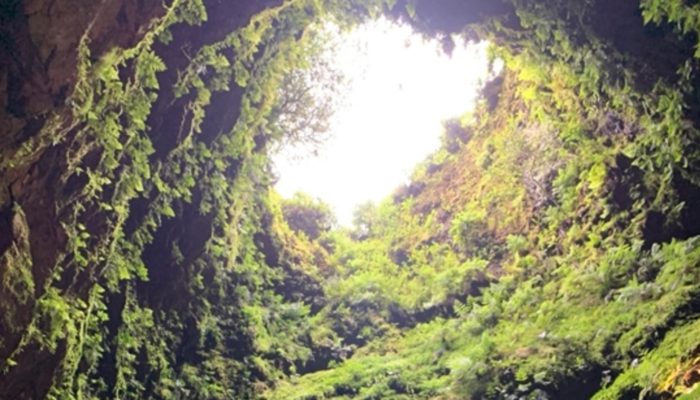
Will Sturgeon – Post-Doc at the Earth Sciences Department of University College London, UK – takes us on a journey to the Azores to deploy seismometers in response to the seismic swarm earlier in 2022… Protruding from the central Atlantic Ocean, about 1,400 km west of Lisbon, is an archipelago of nine volcanic islands, known as the Azores. Also described as “Europe’s Hawaii”, the ...[Read More]
Marsquake Detection with Machine Learning Methods
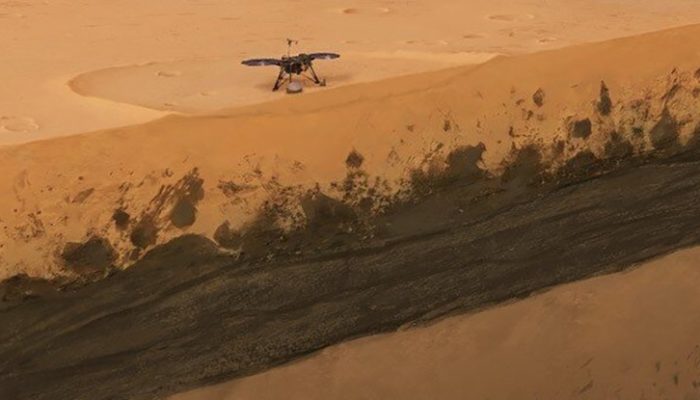
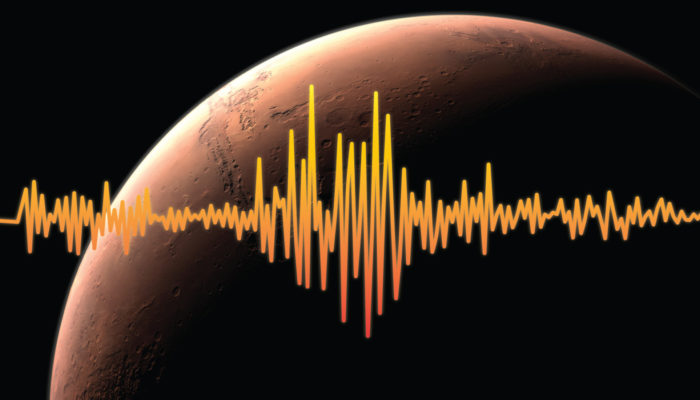
We interview Nikolaj Dahmen, a PhD student at ETH Zurich’s Institute of Geophysics, about how he uses Machine Learning methods to detect Marsquakes using data from NASA’s InSight Mission…. Why are marsquakes important to detect? Marsquakes generate seismic waves that travel from its source through the interior of the planet. The recordings of these waves carry information about the medium through ...[Read More]
Opinion: self-supervised Machine Learning in seismology
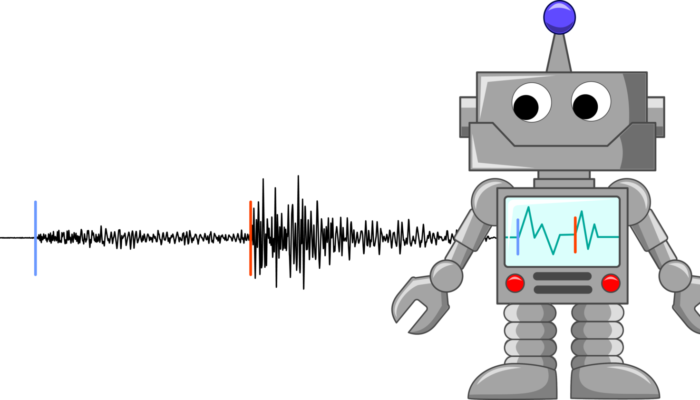
Martijn van den Ende, a Postdoctoral research fellow at Université Côte d’Azur, writes about his thoughts on the state of Machine Learning in seismology… At this moment of writing, it is unlikely that any experienced seismologist is unaware of the recent advancements of Machine Learning (ML) methods in Earth Sciences. Some pioneering studies started paving the way for ML in the early 1 ...[Read More]
Seismic Field Work at the Equator
Benedikt Braszus – PhD student at Karlsruhe Institute of Technology, Germany – takes us on a seismic field trip to tropcial Ecuador. Scientists from Géoazur (CNRS/IRD/Observatoire de la Côte d’Azur/Université de la Côte d’Azur), Karlsruhe Institute of Technology, Instituto Geofísico / Escuela Politécnica Nacional (IG-EPN, Quito), Instituto Oceanográfico de la Armada del Ecuador ...[Read More]