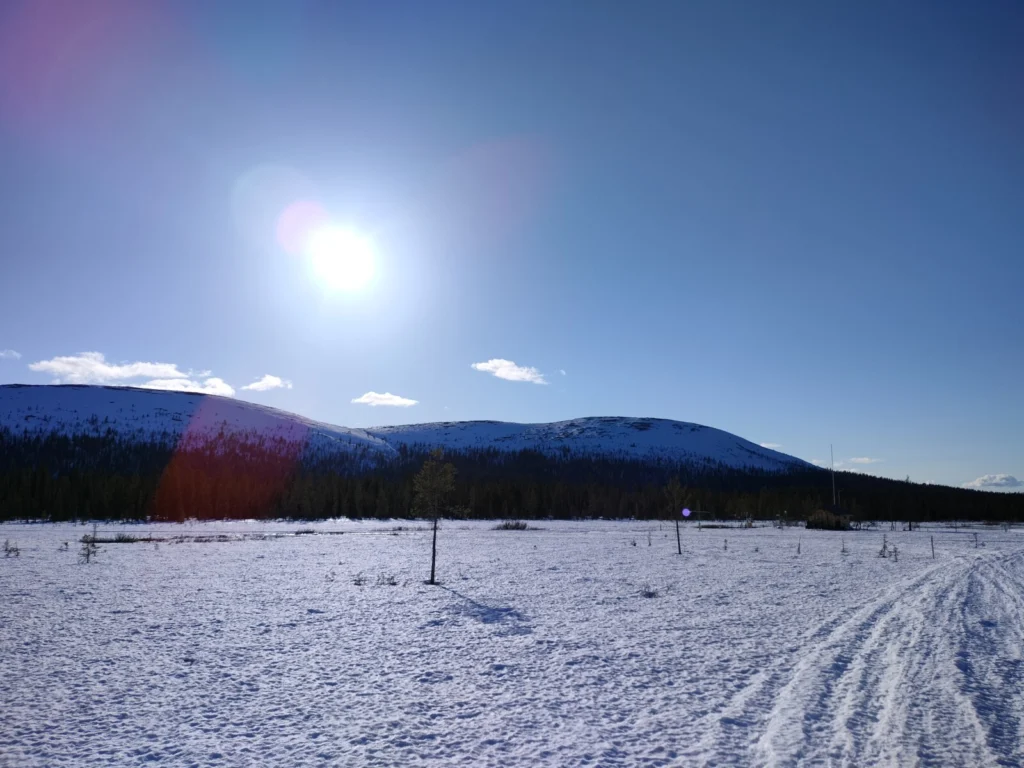
We know that climate change is affecting many aspects of what we have considered “stable” throughout a long period of modern times. One of many impacted and changing factors is snow and thereby also snow meltwater. One way to study meltwater is to trace it by the usage of stable water isotope signals and we …[Read More]
Division blogs
Geodesy Division Highlights at EGU24: Your Essential Guide
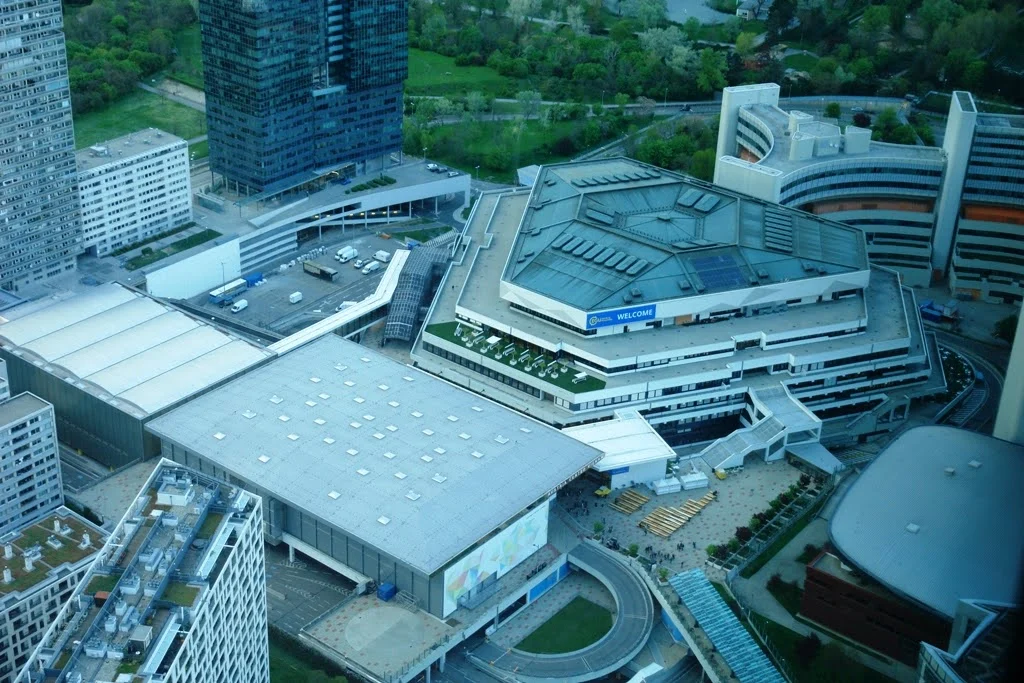
We have been a bit quiet during March, but that was only for a good reason: to prepare lots of engaging activities and short courses for the EGU General Assembly. So, let’s find out what’s waiting for you at the GA24. But a quick reminder that this is just a small preview of the many …[Read More]
Geomythology. Chimera: the lion, the goat, the snake and the flaming gas vents
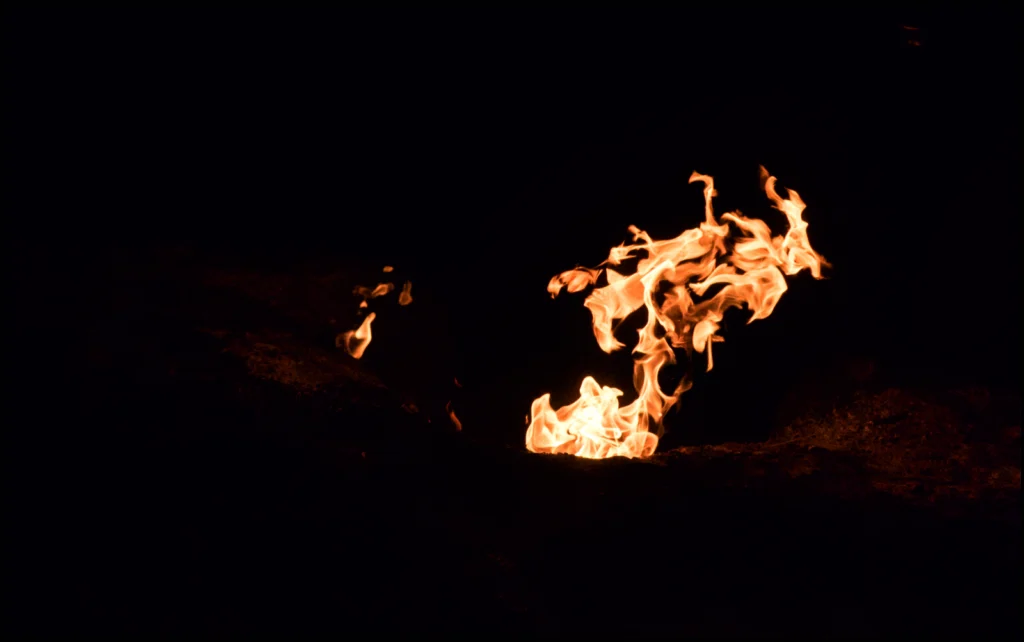
Once upon a time in Lycia there was a land of fire, which burned so bright the light was visible by sailors navigating on the Mare Lycium, who were using the fires as a natural lighthouse. Mount Chimaera in the country of Phaselis is on fire, and indeed burns with a flame that does not …[Read More]
Empowering ECS Voices in Wetland Conservation: Insights from COP28
In the arena of environmental conservation, the power of youth engagement is gaining increasing recognition as a force propelling positive change. This recognition is particularly evident in the endeavours aimed towards safeguarding our wetlands – crucial ecosystems brimming with biodiversity and providing indispensable services to both humanity and the natural world. At the 28th Conference …[Read More]
Seismology Division Events for EGU24
Hello fellow Seismologists! The exciting time of the EGU General Assembly is upon us, and we are looking forward to reconnecting with all of you at EGU24. Through this blog, we would like to bring your attention to the events that are organised by the Seismology Division and ECS Representatives of the Seismology Division during …[Read More]
EGU General Assembly: Geodynamics Division
The EGU General Assembly is fast-approaching! This week, we interview two members of the Geodynamics Division team – Jeroen van Hunen and Garima Shukla – to hear their thoughts on the upcoming General Assembly. We’re also sharing all of the key events planned by the Geodynamics Division to add to your conference program. The Geodynamics …[Read More]
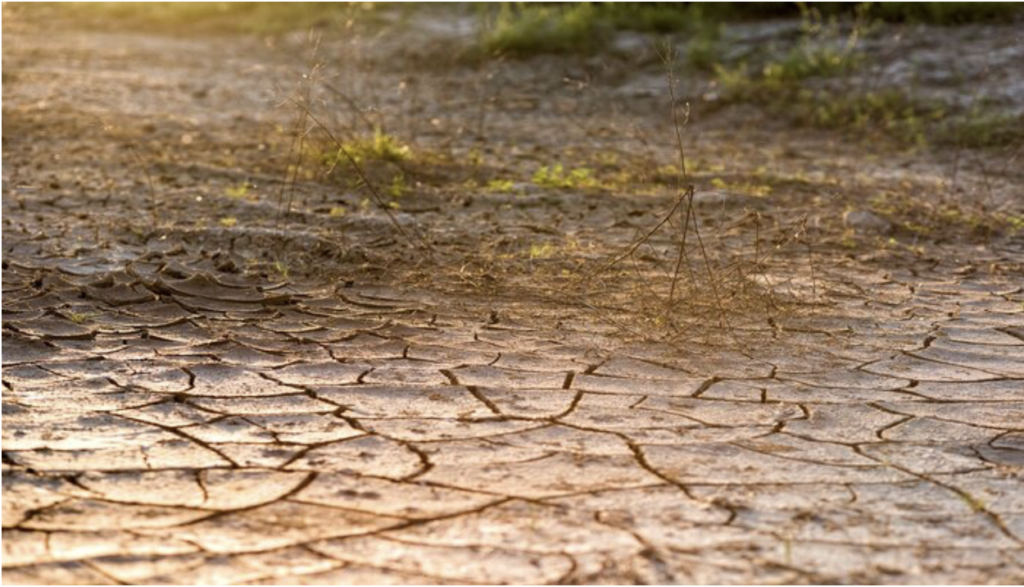
The water crisis in Bengaluru, India, and its direct link to the degradation of the city’s lake system
In the heart of India’s rapid urban expansion, Bengaluru city’s escalating water crisis reveals a direct connection to the deteriorating health of its lake systems, once the lifeline of this burgeoning city. Bengaluru has an area of about 741 sq km and a population of 13.6 million (2023) and has been historically celebrated as the …[Read More]
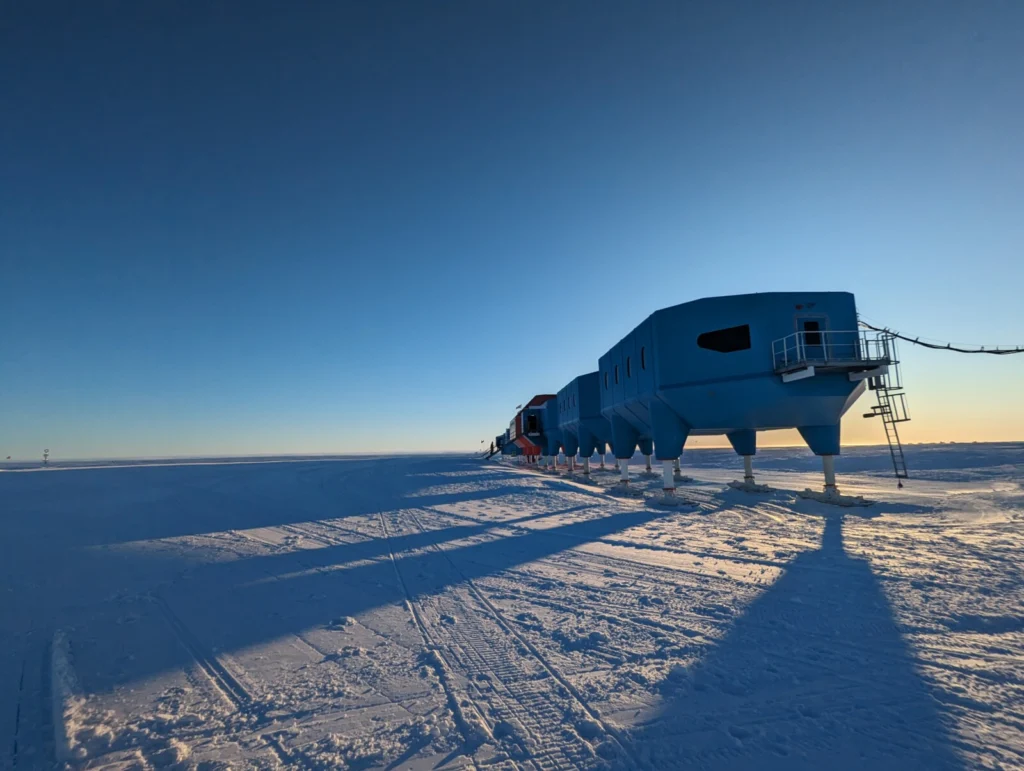
Did you know? We can see what’s going on inside an ice shelf using geophysics!
Understanding what is going on inside an ice shelf is important for many reasons. But mostly, it allows us to better understand their contribution to sea level rise, and to understand how they are changing and evolve over time, with our changing climate. Geophysical methods offer a means to be able to see inside an …[Read More]
The Sassy Scientist – Dungeon Diving Postdoc: Critical Hit or Critical Miss
From 22°C December to 6°C (end of) March… Something feels off. Maybe the climate also decided to change fields. So Denise asks: How feasible is it to change your field as a postdoc when you’re terrified of being ghosted by hiring committees or getting rejection letters? Dear Denise, Sure. I mean, why not? Changing to …[Read More]
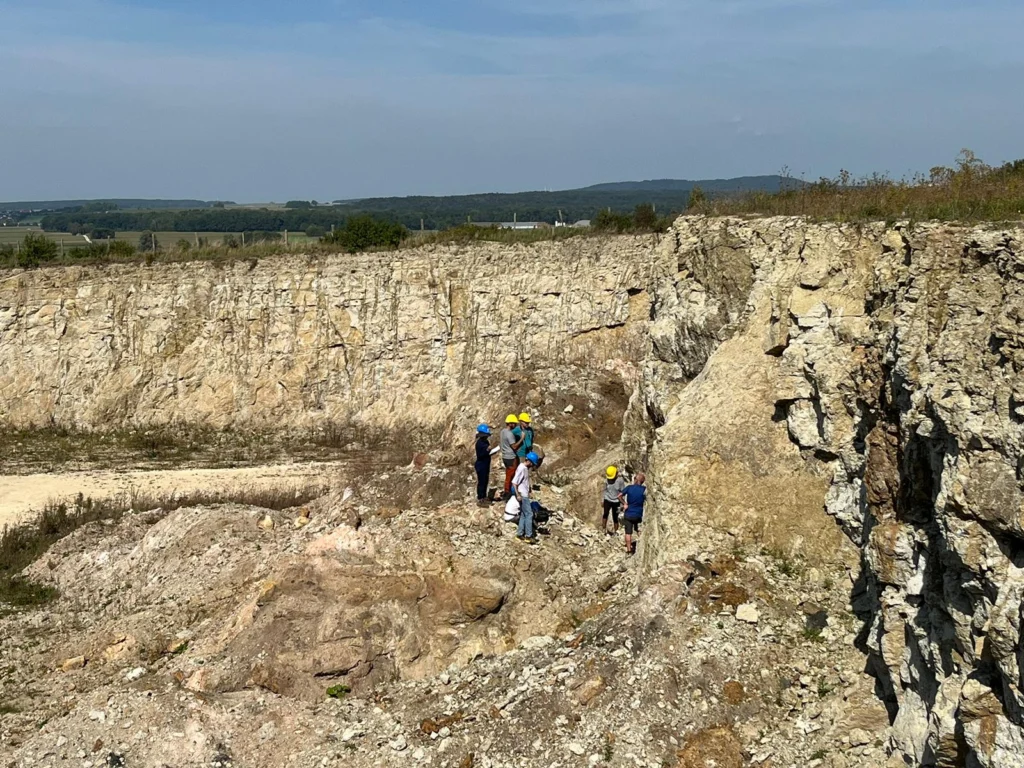
Summer of ‘23: Chronicles of a summer school on meteorite and comet impacts.
One of the best-researched and preserved impact craters on Earth is the Ries Crater (Germany). Hikers, bikers, school groups, and geo-tourists from all over the world come here in search for the evidence of the cosmic catastrophe. In this week’s blog post, PhD student Katherine Villavicencio from University G. d’Annunzio (Italy) shares her experience when attending …[Read More]