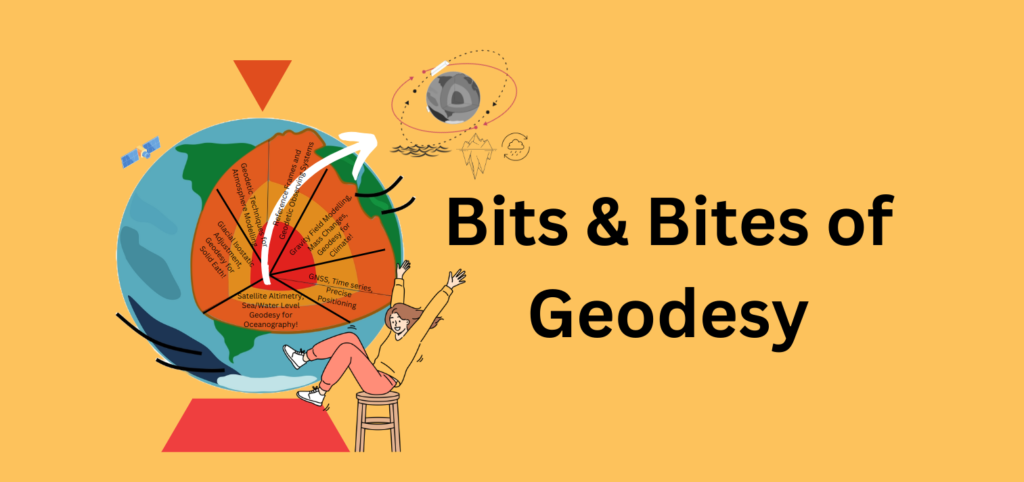
In the previous post of this series, we learned how we can use satellite radar altimetry to retrieve highly accurate estimates of global sea level changes. If only reading “sea level” triggers your climate anxiety – we got you covered! In this post we will introduce you to three more applications of radar altimetry, where …[Read More]
Division blogs
Public engagement in science: how to position ourselves?
The recent student protests against the war in Gaza reminded all of us that being a member of the academic community requires us to reflect upon our role in society. In Switzerland, the university occupations (see SwissInfo) led to several open letter-type reactions from academic staff, either supporting the protests or on the contrary, recalling …[Read More]
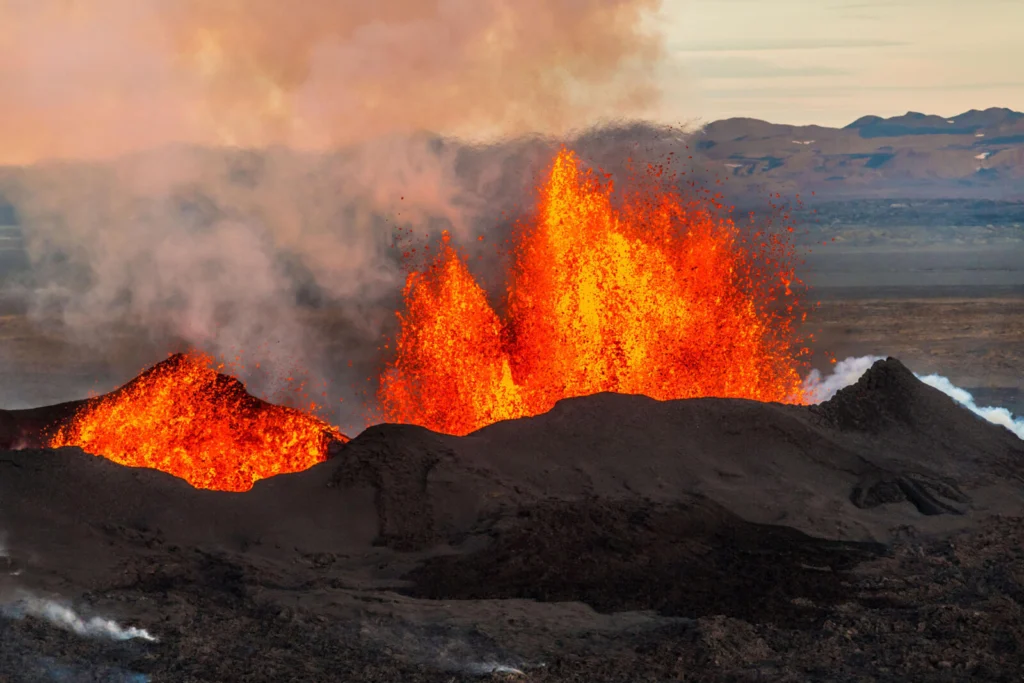
Unravelling the Magma Plumbing network of the Deccan Traps
In this week’s blog, Garima Shukla, ECS representative of the Geodynamics Division and PhD student at the Indian Institute of Science Education and Research, Bhopal, India, working with Dr. Jyotirmoy Mallik, discusses her research involving fieldwork and statistical calculations. Her research also delves into rock magnetism and palaeomagnetism to unravel the longstanding enigmas surrounding the …[Read More]
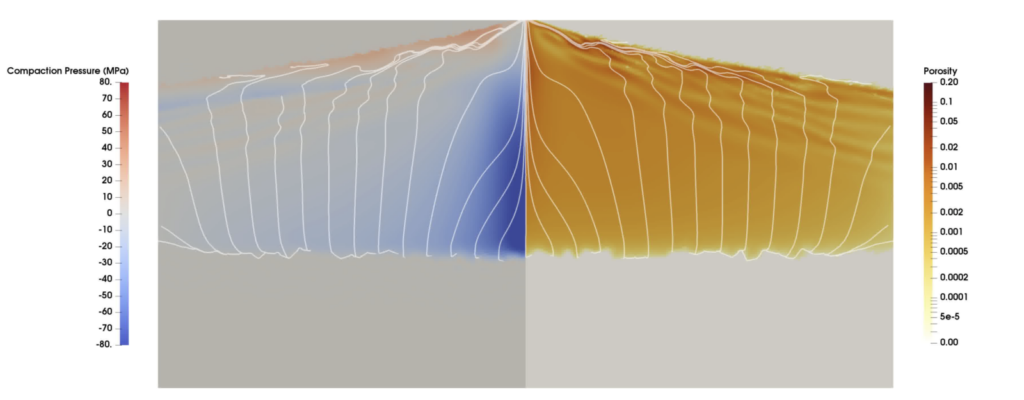
Two phase or not two phase
In this week’s blog Shi Joyce Sim from Georgia Institute of Technology shares the underlying science behind two-phase flow dynamics. A talk at the Lunar and Planetary Science Conference in March got me thinking. Basically, the presenter described how boundary layers grow over time, a phenomenon that cannot be captured using one dimensional models and …[Read More]
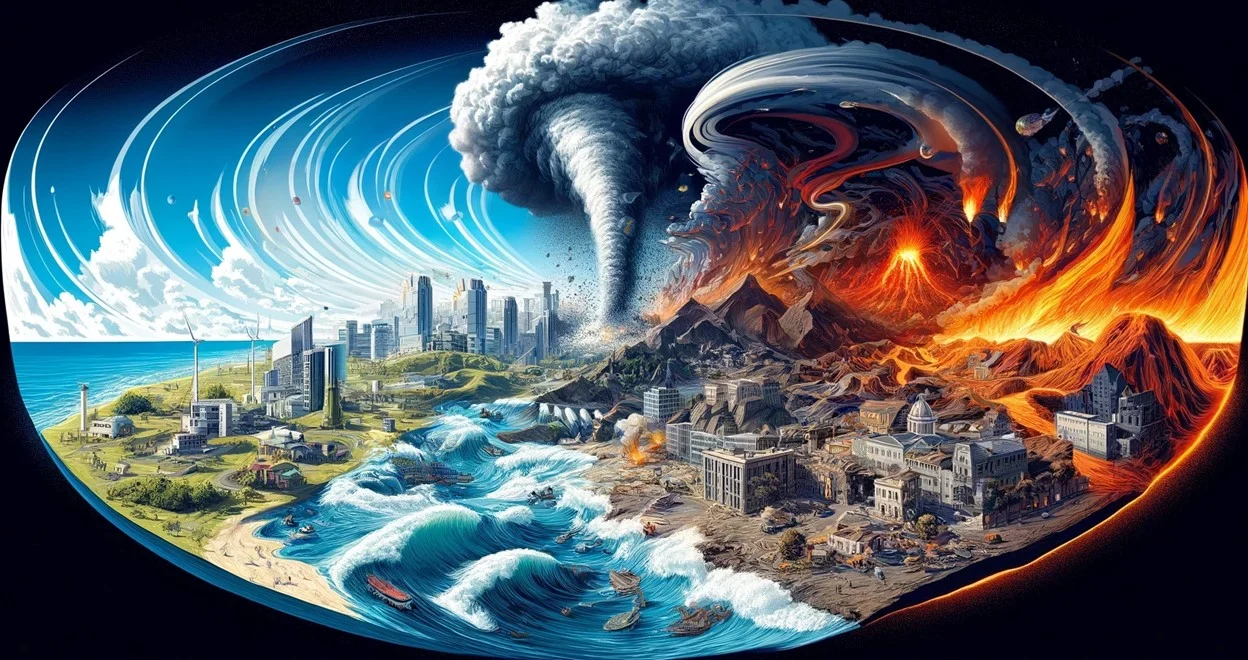
Evolving multi-hazard paradigms in a nutshell
Understanding multi-hazard approaches is crucial in an era of escalating natural hazards leading to disastrous impacts on Earth’s citizens. Triggered by the increasing frequency and severity of these events, this brief post provides a concise yet comprehensive overview of evolving paradigms in multi-hazard research and management. By exploring definitions, historical developments, and current trends, we …[Read More]
Cryo Comm – Explaining ice core science with “cool” educational videos
Mastering the art of science communication is becoming more and more important, especially in the realm of climate science! Training and practice can really help PhD students acquire this skill. With this in mind, the DEEPICE project, a training network of 15 PhD students, has developed a wide range of activities to train the DEEPICE …[Read More]
GMPV Campfires – Call for Speakers
GMPV Campfires – Call for Speakers The EGU Geochemistry, Mineralogy, Petrology and Volcanology ECS committee are currently looking for early career scientists to present at and attend our monthly online talk series (EGU Campfires). The EGU Campfires are a free one-hour online seminar consisting of three to four 10-12-minute talks. These quick-fire presentations give …[Read More]
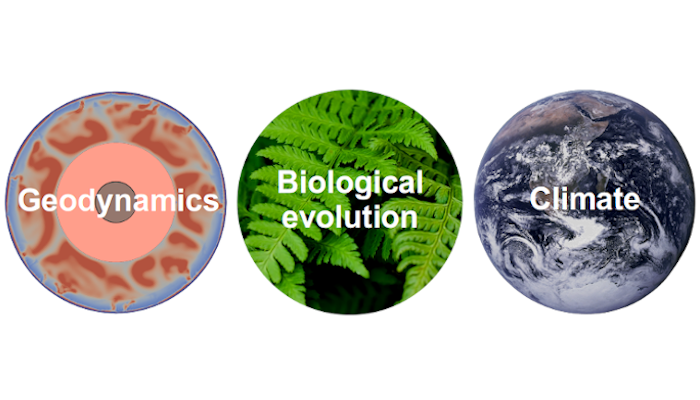
Biogeodynamics – Let’s model the entire world!
All models are wrong, but some are useful – we all have heard this quote. But it raises several questions (including but not limited to) – What would a model of the entire world look like? Can you couple geodynamical models with climate and biological evolution models? Would these models be useful? In this week’s …[Read More]
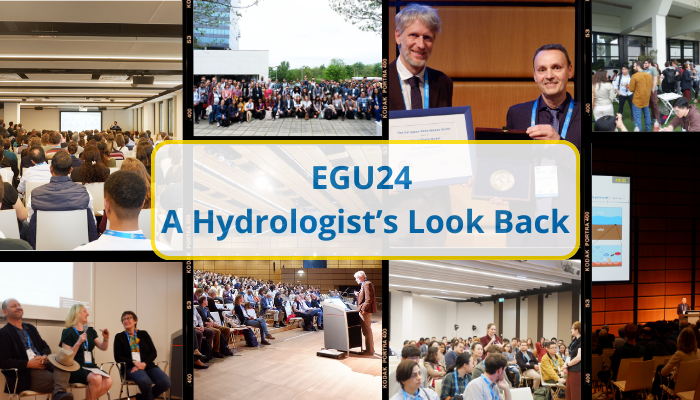
EGU24 – A Hydrologist’s Look Back
With almost 21,000 participants, the 2024 EGU General Assembly, held from 14-19 April, in Vienna and online, was the biggest one yet. For hydrologists, there were hundreds of sessions to enjoy, networking events to join, short courses to learn from, and colleagues to meet. Here’s a look back at the highlights! A look back at …[Read More]
TS Must-Read – Wang et al. (2012) Deformation cycles of subduction earthquakes in a viscoelastic Earth
Large subduction earthquakes cause perturbation of the subduction system, whose response depends on its rheological characteristics. The evolution of the subduction system from earthquake to earthquake is defined as subduction earthquake cycle (SEC), and is characterised by three main processes that operate over decades/centuries: postseismic afterslip, viscoelastic mantle relaxation, and fault relocking. Despite the precise …[Read More]