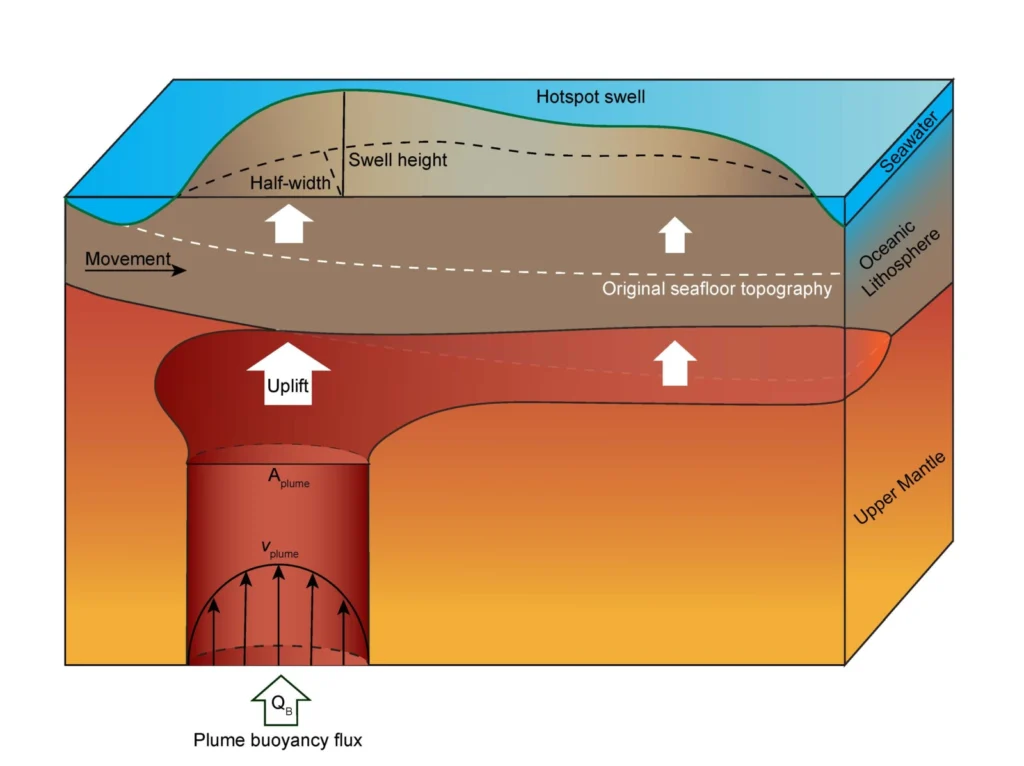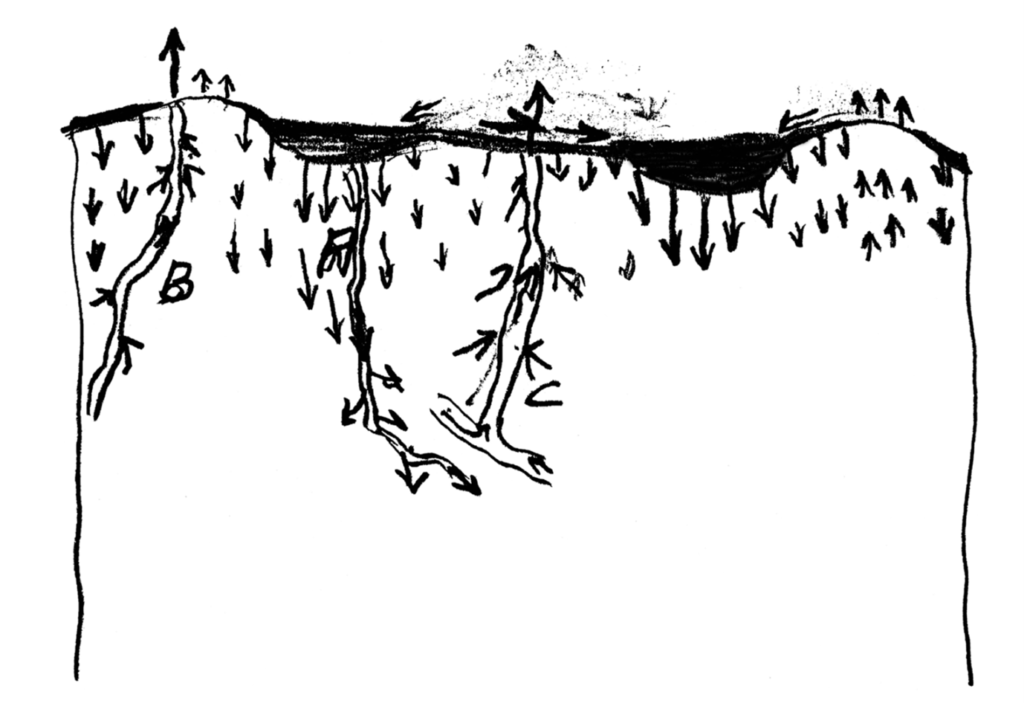
Figure 1. Illustration of the hotspot swell and plume buoyancy flux. White dashed line shows the original seafloor topography due to half-space cooling. Dark green line represents the surface dynamic topography caused by the dynamic uplift of the plume. One of the main surface expressions of dynamic topography are hotpot swells formed by mantle plumes. …[Read More]
Division blogs
Biogeosciences
Demystifying the EGU OSPP Poster Competition
The Abstract deadline for the 2025 General Assembly is approaching fast (January 15th!) and with it the deadline to sign up for the OSPP award. If you are an early career researcher who is interested in joining the contest, this is you! We talked with the coordinators, as well as some of last year’s …[Read More]
Geodesy
Geodesy Division Year In Review 2024
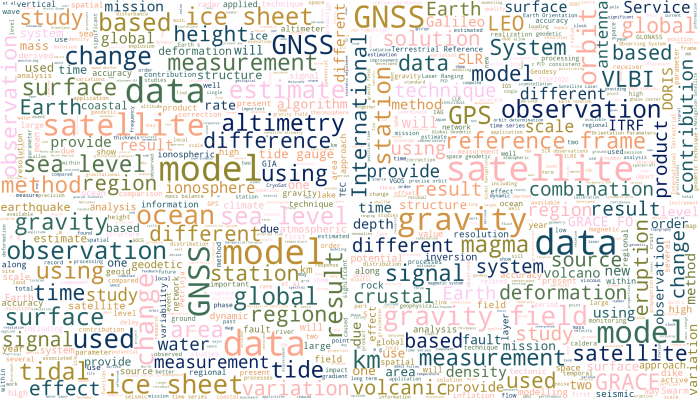
Hi EGU Community! We hope that you had some rest during the holidays and are ready for this new year ahead! With the last blog post of 2024, we want to look back at what happened in the G Division during the last year and give an outlook on what you can expect for the …[Read More]
Seismology
Seismology Job Portal
On this page, we regularly update open positions in Seismology for early career scientists. Do you have a job on offer? Contact us at ecs-sm@egu.eu Please, note that other available research positions are displayed on the EGU Jobs Portal.
Natural Hazards
How scientists support Disaster Risk Reduction (DRR) policies: the example of a European Ultraperipheral Department (Mayotte, the 14th of December, 2024)
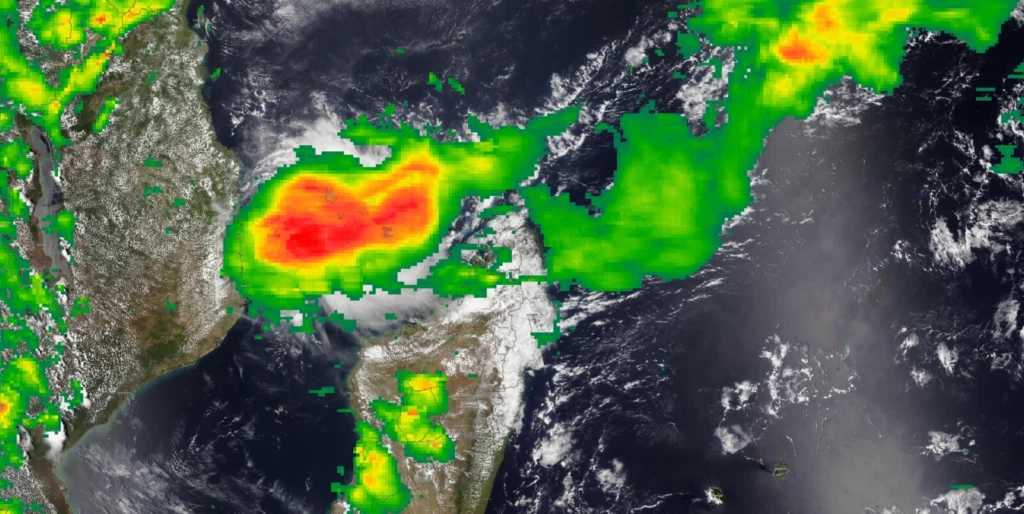
Ultraperipheral European departments like Mayotte are developing regions, often disproportionately exposed to natural hazards and struggling to mitigate the impacts of climate change. The eye of cyclone Chido, the most violent storm to hit Mayotte island in 90 years, engulfed the French Department on the 14th of December 2024. The extensive destruction and massive loss …[Read More]
Geochemistry, Mineralogy, Petrology & Volcanology
Season’s Greetings to the GMPV Community
As 2024 draws to a close, we reflect on a year filled with groundbreaking discoveries and inspiring collaborations in mineralogy, geochemistry, petrology, and volcanology. This year, our understanding of Earth’s intricate systems has deepened significantly. We widen our scopes approaching mineralogical and petrological problems with new methods such as machine learning and deep learning technologies …[Read More]
Geodesy
Inside the World of ‘Native Scientists’
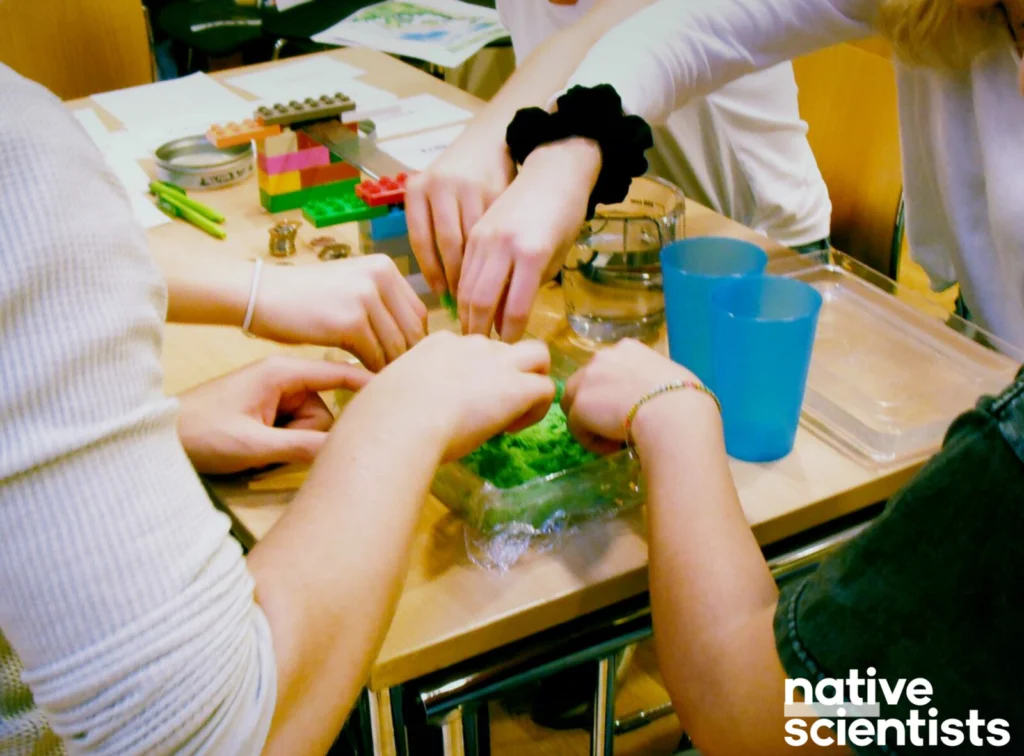
Are you ready to dive into the fascinating mutual symbiosis of science, culture, and education? Be ready to be inspired by the blog editor-in-chief of our division blog, Rebekka Steffen, who is a researcher at Lantmäteriet in Sweden, where she specializes on glacial isostatic adjustment—think rising land, ancient ice sheets, and Earth’s stress fields! …[Read More]
Hydrological Sciences
History of Hydrology@EGU2025 and beyond
You are certainly aware of the continued efforts of a group of hydrologists, with the lead of Keith Beven, to shed light on the history of hydrology, including the History of Hydrology Wiki . Looking back to those who shaped our science, the questions they addressed and those that remain open is essential to understand …[Read More]
Hydrological Sciences
How do you ensure quality in your flow modeling? Participate in a survey!
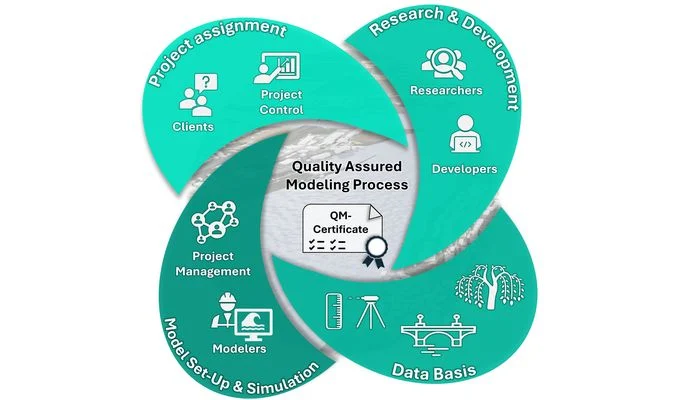
The challenges in hydraulic engineering are increasing due to the growing threat of floods and heavy rainfall events caused by climate change (as experienced several times in Europe in recent years) on the one hand and the more frequent low water situations and the associated requirements for ecological enhancement of water bodies, on the other …[Read More]
Natural Hazards
From Reflection to Action – Wishes for the Year Ahead
When another year comes to an end, it is time for reflection. In the context of natural hazards, it is essential to consider the challenges posed to societies, what went well, what could have been done better, and how we could create a more resilient world. Just before Big Ben strikes 12 times, marking the …[Read More]