EGU Blogs

Division blogs

GD
Geodynamics

Mobilidiocy

Mobilidiocy

Guess who’s back? Back again! Sassy’s back, tell your colleagues! This week I am going to shoot the elephant in the room by answering Will’s question “Is Mobility a plus or a must for a research career?” Now I know I have already answered a similar question some time ago, but a changing world requires …[Read More]

OS
Ocean Sciences

When the atmosphere moves the sea: Meteotsunami waves

When the atmosphere moves the sea: Meteotsunami waves

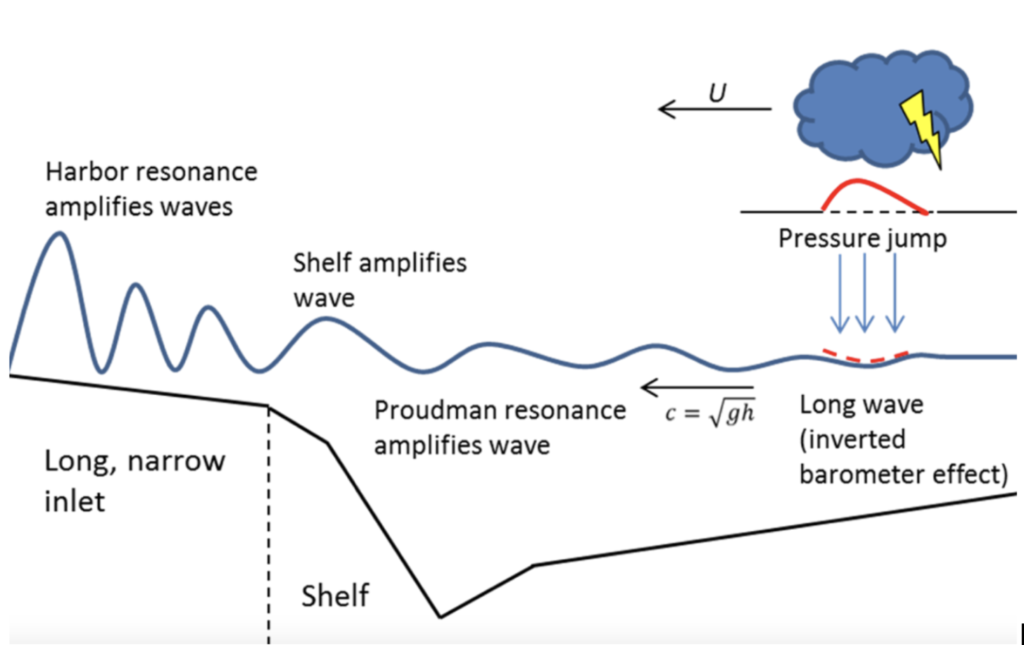
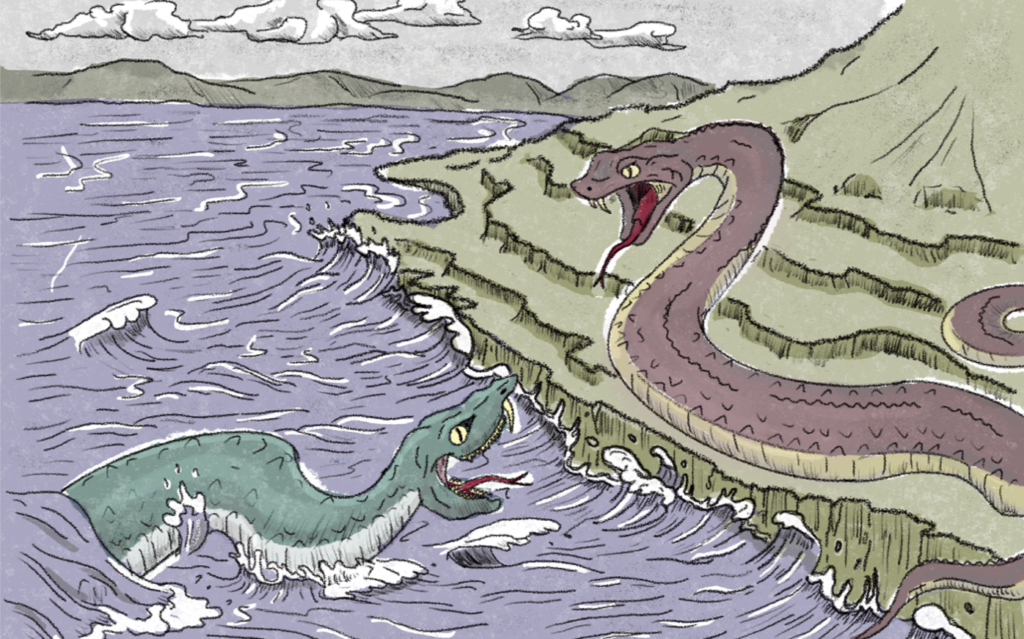
Meteotsunamis or meteorological tsunamis are globally occurring progressive shallow water waves with a period of between 2 to 120 minutes which results from an air-sea interaction. They tend to be initiated by sudden pressure changes and wind stress from moving atmospheric systems with sources ranging from convective clouds, cyclones, squalls, thunderstorms, atmospheric gravity waves and …[Read More]

GD
Geodynamics

Science has no borders. Researchers do: a modern Odyssey

Science has no borders. Researchers do: a modern Odyssey

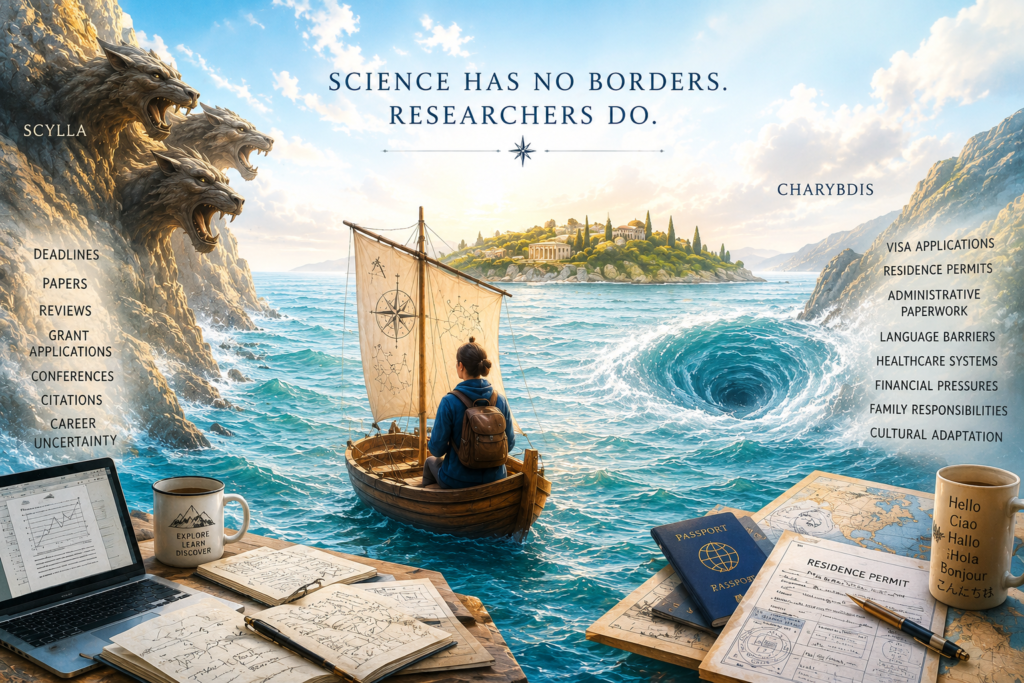
When Homer wrote The Odyssey nearly three thousand years ago, he described a journey filled with storms, uncertainty, unexpected detours, and the relentless hope of eventually reaching Ithaca. Today’s journeys may no longer cross the Mediterranean, but they continue to test researchers’ resilience in unexpected ways. Not because researchers sail across unknown seas, but because …[Read More]

GM
Geomorphology

Great Names in Geomorphology A–Z: Frank Ahnert

Great Names in Geomorphology A–Z: Frank Ahnert

Introducing our new mini-series by GM Blog co-editor Wioleta Porębna: Great Names in Geomorphology A–Z! Our readers will choose the next name in alphabetical order – leave your suggestions in the comments!  Frank Ahnert (12 December 1927 – 10 September 2017) was a German geomorphologist whose work played a pivotal role in establishing quantitative and …[Read More]

G
Geodesy

Tidal pulse of rivers

Tidal pulse of rivers

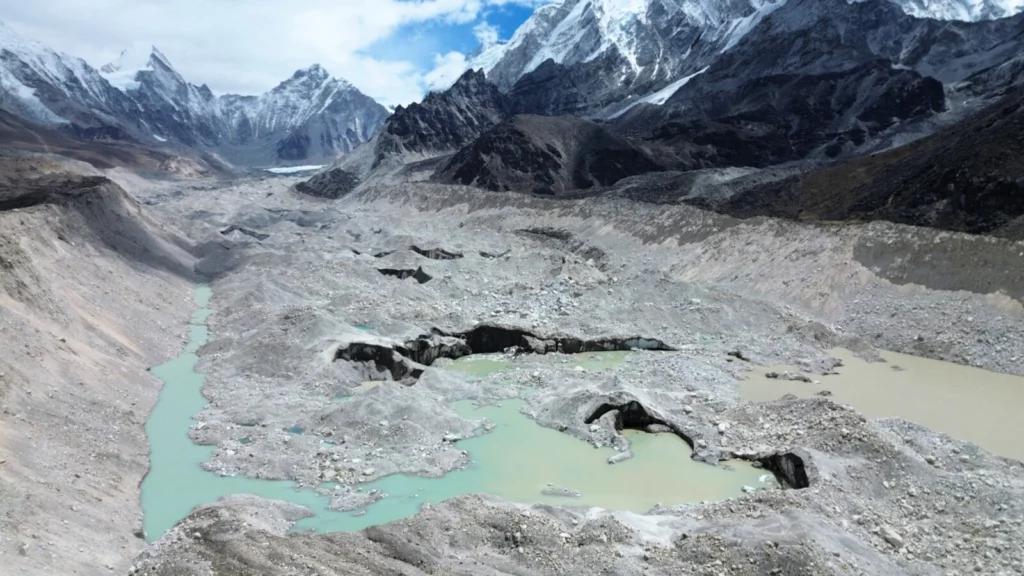
The research gap Ocean tides play a significant role on ocean circulation, coastal processes and mass variations. Tides are generated from the gravitational interaction between Earth, Moon and Sun, which typically results in two high and two low tides observed each day. Satellite observations have vastly expanded our understanding of ocean tides. In 2022, the Surface …[Read More]

OS
Ocean Sciences

More Than a Rain Gauge: When Salt Starts Steering the Sea

More Than a Rain Gauge: When Salt Starts Steering the Sea

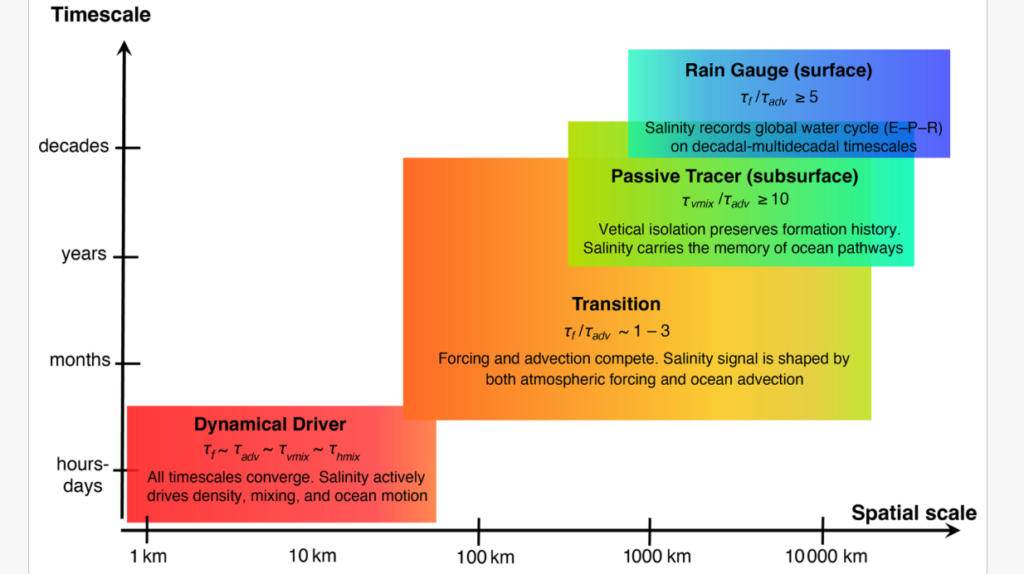
Posted in: Ocean Sciences | Reviews & Perspectives | Ocean Science Jubilee Special Issue We usually think of ocean salinity as the ocean’s rain gauge. Rain, rivers, and melting ice freshen the surface; evaporation leaves it saltier. Seen from space, these changing patterns reveal how Earth’s water cycle is evolving, with wet regions generally becoming …[Read More]

GD
Geodynamics

The pulsed rise of the Nahuelbuta Range: How glaciers indirectly built a mountain in Patagonia

The pulsed rise of the Nahuelbuta Range: How glaciers indirectly built a mountain in Patagonia

Forearc ranges are a striking example of how tectonic processes shape our planet. The Nahuelbuta Range in southern Chile is one of such settings. This week, Ambrosio Vega-Ruiz from the GFZ Helmholtz Centre for Geosciences, Germany, is telling us the story of this remarkable range, exploring how climate feedback can influence tectonic uplift across coastal …[Read More]

SM
Seismology

Could the Chilean Altiplano host natural hydrogen for the energy transition?

Could the Chilean Altiplano host natural hydrogen for the energy transition?

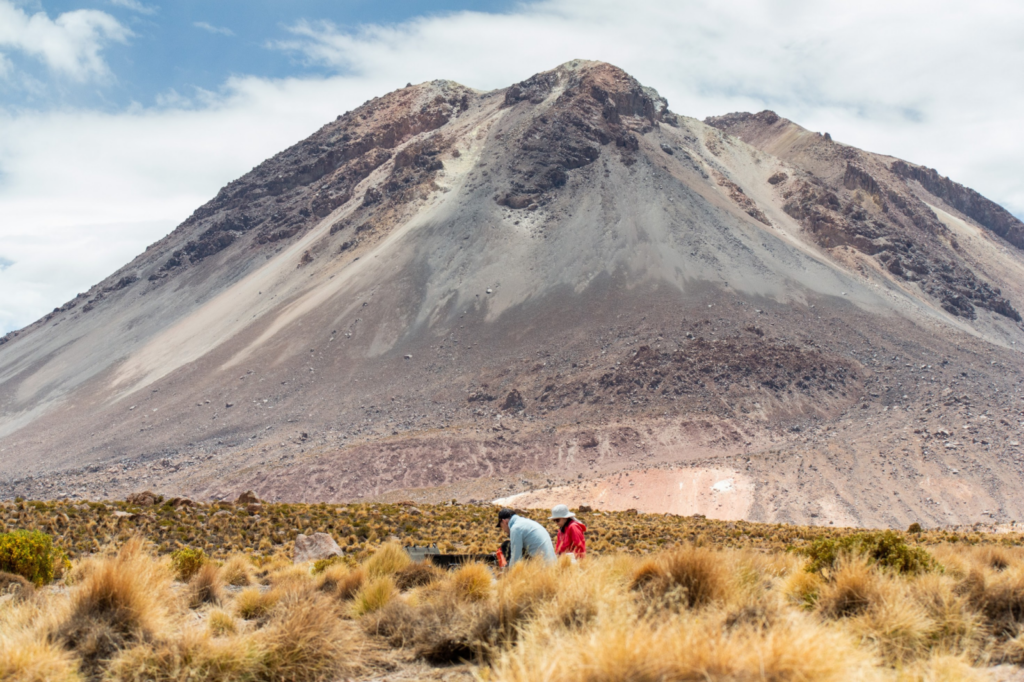
The contribution from Sergio León-Ríos, Associate Researcher at the Advanced Mining Technology Center (AMTC) at the University of Chile, where he does seismology research. Post edited by Adam Ciesielski prior to publication. Introduction Hydrogen sits at the heart of today’s energy transition. From policy documents to industry roadmaps, it is widely promoted as a clean …[Read More]