Drawing inspiration from new research shared by EGU scientists, this column brings you some of the latest publications. This edition covers the globe, from the air we breathe in Ireland and China to the waves that stitch the tropics to the Southern Hemisphere. Surface ozone in Ireland: where does it really come from? Ozone plays …[Read More]
The Breath of Forests, Cities, and Everything in Between: Eva Pfannerstill and the Air We Cannot See
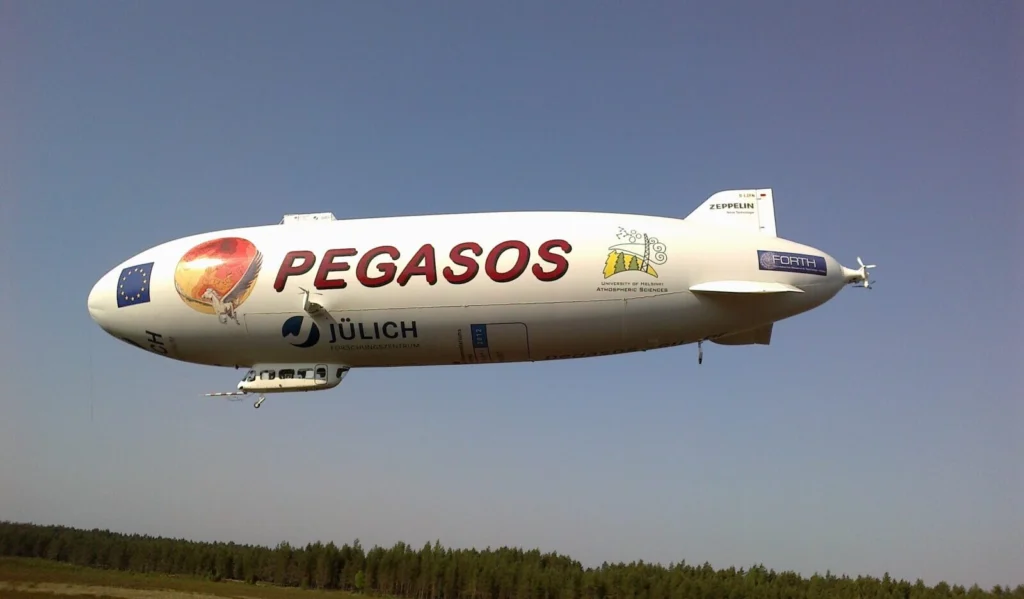
There is a slow-moving silver shape drifting over the forests and cities of North Rhine-Westphalia. From the ground, it looks almost ceremonial — a Zeppelin NT gliding through the air as though time had reversed by a century. Inside, sensors are humming. And Eva Pfannerstill is watching the data appear. She is not there to …[Read More]
The Invisible Chemistry of Life: Jonathan Williams and the Language of the Air Around Us
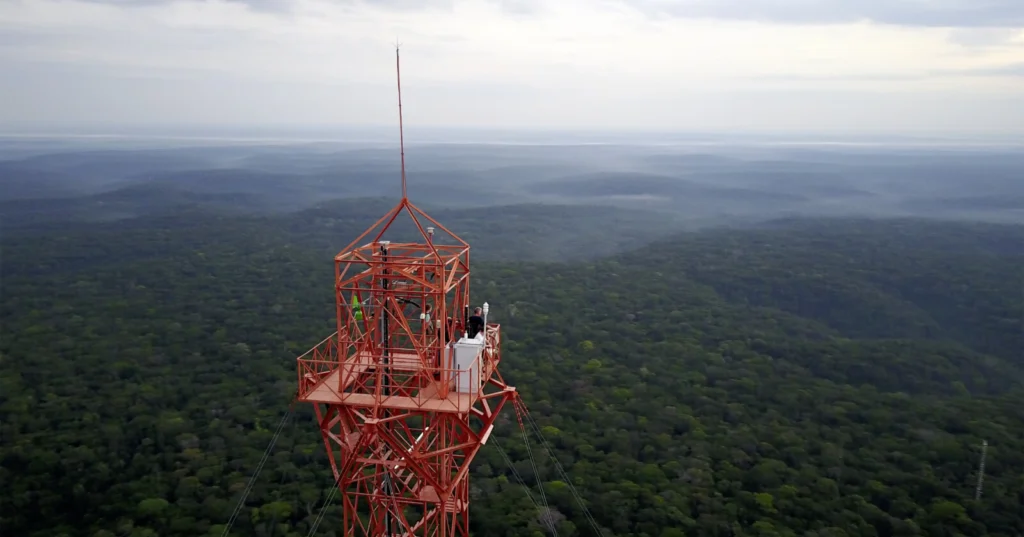
Prof. Jonathan Williams is an atmospheric chemist at the Max Planck Institute for Chemistry in Mainz, Germany, where he leads research into volatile organic compounds — the invisible molecules emitted by forests, cities, people, and everything in between. His work spans the Amazon rainforest to cinema audiences, from elderflower blossoms to the breath of cities. …[Read More]
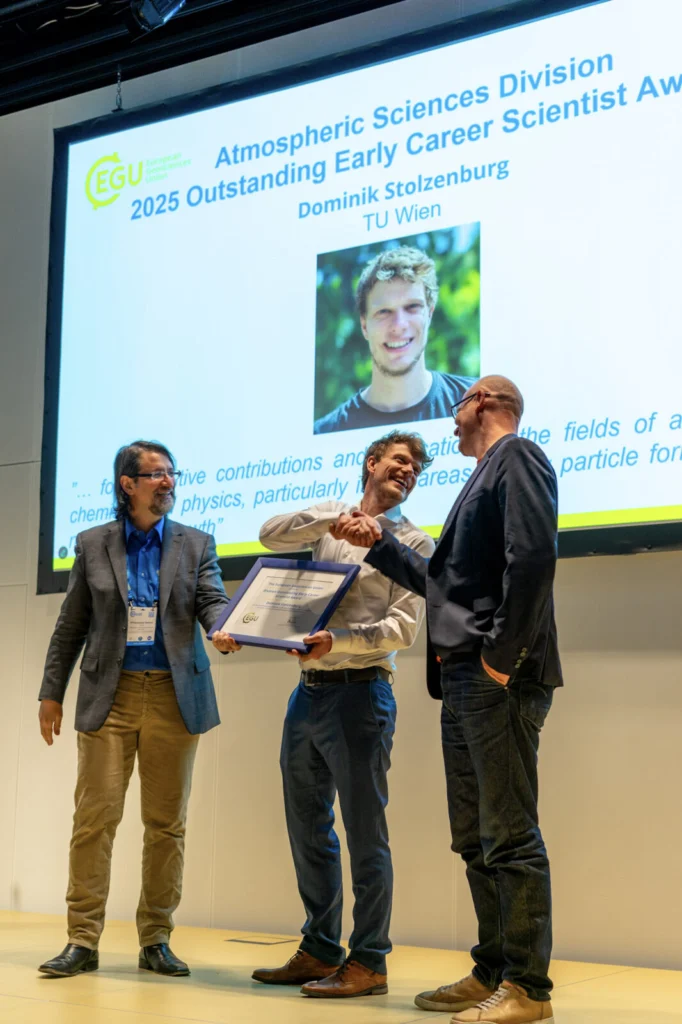
From Particles to the Air We Breathe: Dominik Stolzenburg’s Journey into the Hidden Life of Aerosols
Dr. Dominik Stolzenburg is a chemist in atmospheric physics at TU Wien, specializing in aerosol science and air quality. His work focuses on how ultrafine particles form, transform, and affect both climate systems and human health — especially in cities. Through field measurements, modeling, and data analysis, he explores how human and natural emissions interact, …[Read More]
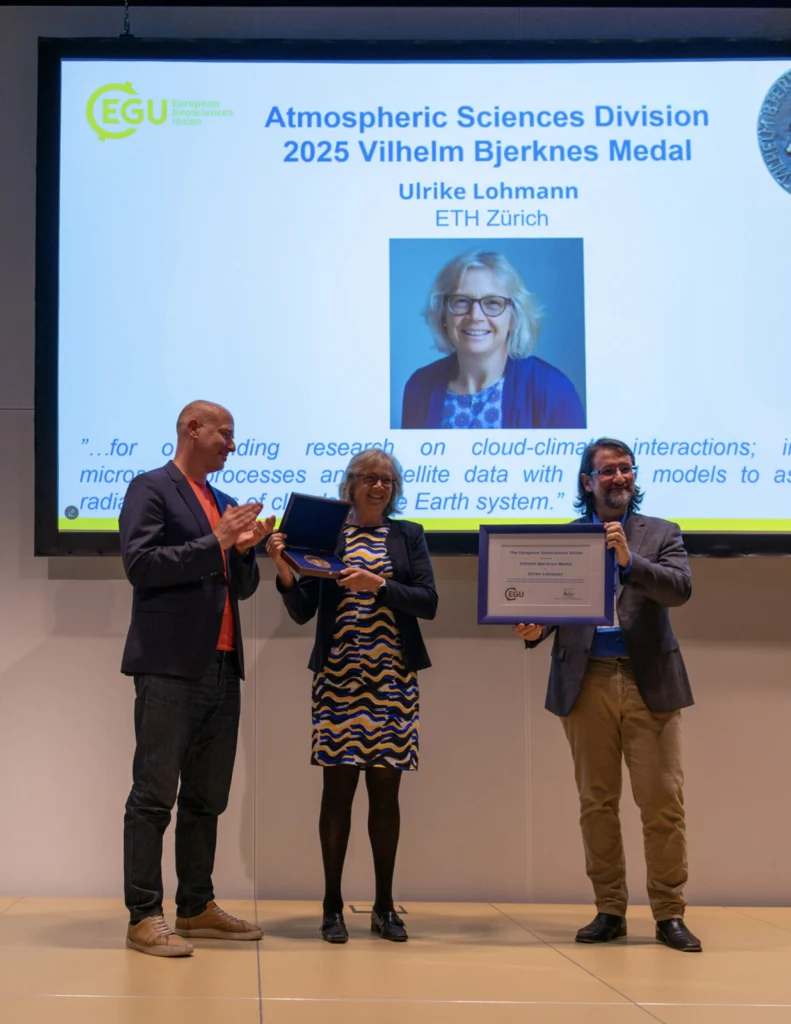
“You Can’t Get Around Clouds”: A Conversation with Climate Scientist Ulrike Lohmann
Prof. Dr. Ulrike Lohmann is a leading atmospheric physicist and climate scientist at ETH Zurich’s Institute for Atmospheric and Climate Science, renowned for her pioneering work on clouds, aerosols, and their interactions within the Earth’s climate system. Her research has significantly advanced our understanding of how microscopic particles influence cloud formation and, in turn, the …[Read More]