
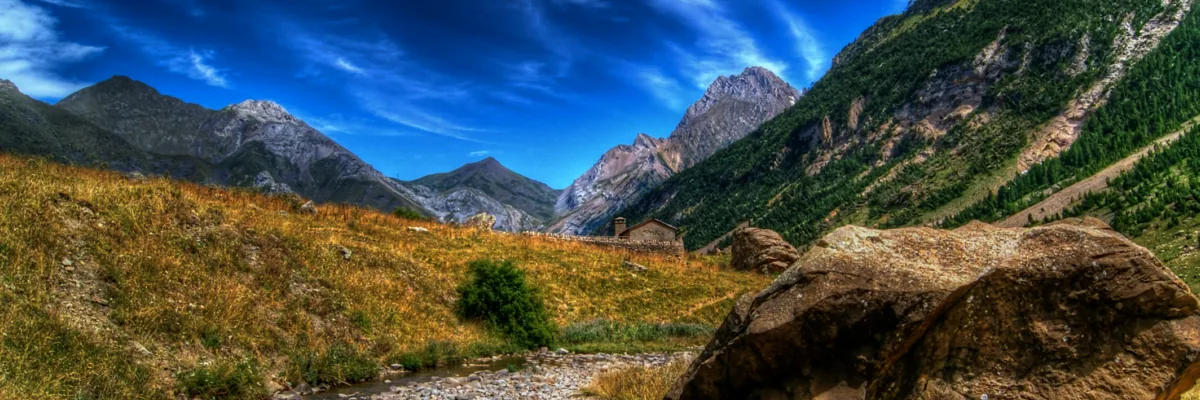
The Italian Young Geomorphologists represented by Irene Bollati (front row, green jacket) and Francesca Vergari invite you to join their event in June 2017. Group shot taken during the fieldtrip in Sardinia at the 6th Young Geomorphologists’ Day in 2015 IMPORTANT NOTICE! All those who tried to subscribe to the VII Young Geomorphologists Day 2017, …[Read More]
Division blogs
Image of the Week — Hidden lakes in East Antarctica !
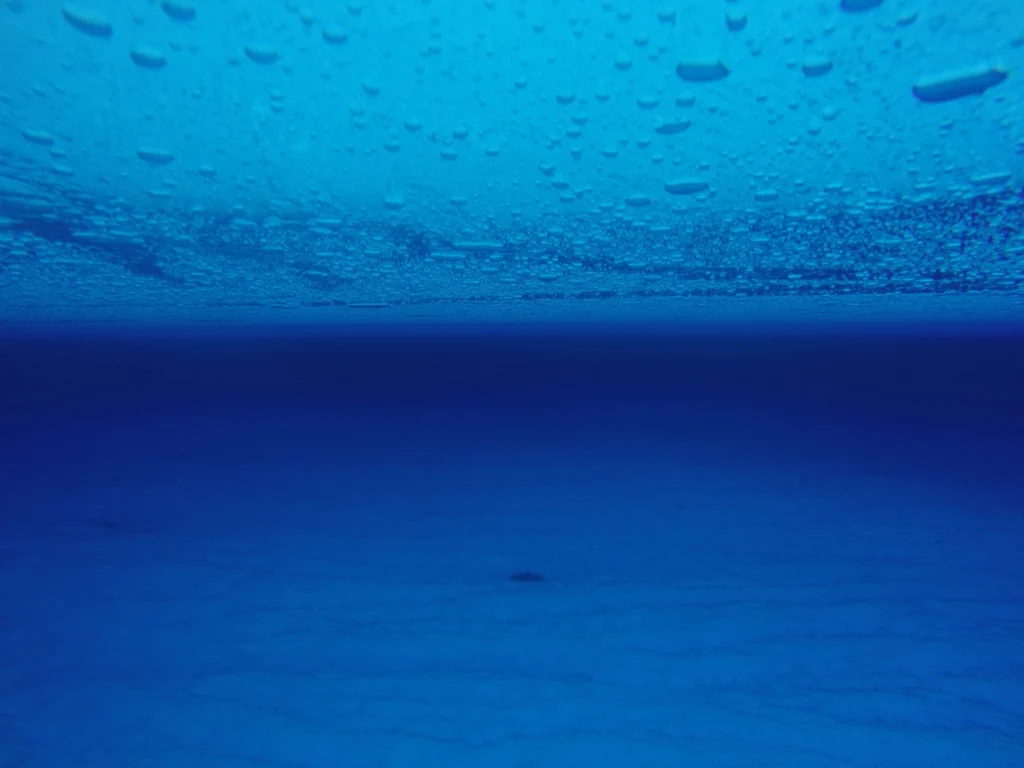
Who would have guessed that such a beautiful picture could get you interviewed for the national news?! Certainly not me! And yet, the photo of this englacial lake (a lake trapped within the ice in Antarctica), or rather science behind it, managed to capture the media attention and brought me, one of the happy co-author …[Read More]
Quantarctica: Mapping Antarctica has never been so easy!
One of the most time-consuming and stressful parts of any Antarctic research project is simply making a map. Whether it’s plotting your own data points, lines, or images; making the perfect “Figure 1” for your next paper, or replying to a collaborator who says “Just show me a map!,” it seems that quick and effective …[Read More]
Image of The Week – The Pulsating Ice Sheet!
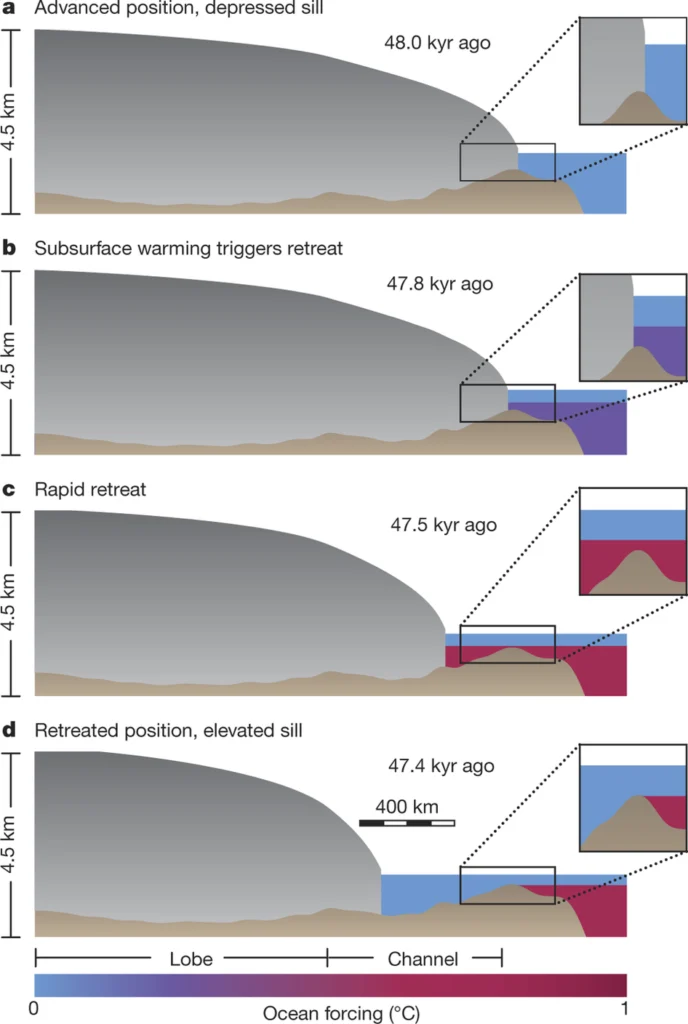
During the last glacial period (~110,000-12,500 years ago) the Laurentide Ice Sheet (North America) experienced rapid, episodic, mass loss events – known as Heinrich events. These events are particularly curious as they occurred during the colder portions of the last glacial period, when we would intuitively expect large-scale mass loss during warmer times. In order to understand …[Read More]
EGU mentoring programme 2017
– by Susanne Buiter TS Division President – EGU is launching a mentoring programme at its 2017 General Assembly for novice conference attendees, students, and early career scientists. The programme aims to facilitate new connections that may lead to long-term professional relationships within the Earth, planetary and space science communities. We anticipate the programme to …[Read More]
Paper of the month — The origin of volcano-tectonic earthquake swarms by Roman and Cashman (2006)
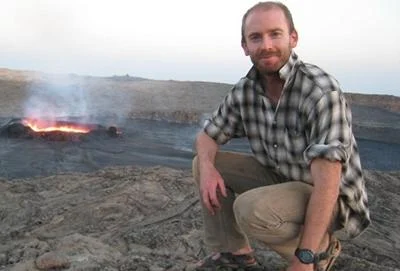
We are pleased to propose you a new Paper of the Month written by Dr. Derek Keir on volcano seismology. Derek’s PhD thesis was on the “Seismicity of the Ethiopian rift” and conducted at Royal Holloway University of London under the supervision of Prof. Cindy Ebinger and Prof. Graham Stuart of the University of Leeds. …[Read More]
Image of the Week — The ice blue eye of the Arctic
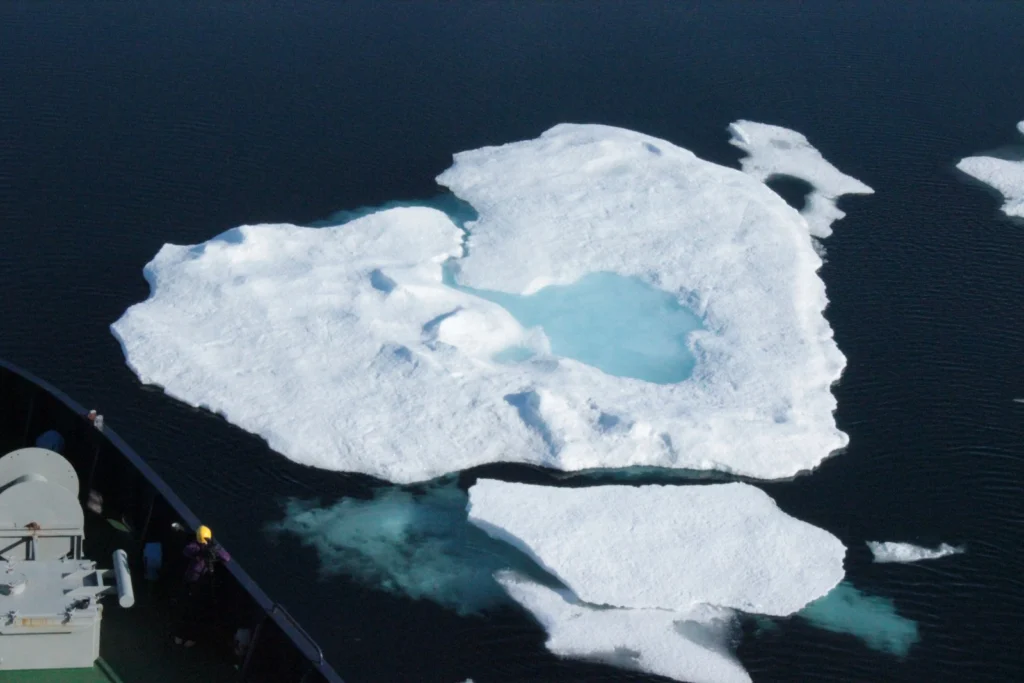
“Positive feedback” is a term that regularly pops up when talking about climate change. It does not mean good news, but rather that climate change causes a phenomenon which it turns exacerbates climate change. The image of this week shows a beautiful melt pond in the Arctic sea ice, which is an example of such …[Read More]
11th Intern. Young Geomorphologists’ Workshop 2017, 19.-21. May 2017, Ammersee, Germany
This year, the Young Geomorphologists from Germany invite all interested young researchers / students in geomorphology and related fields to join the 11th international Young Geomorphologists’ workshop at Ammersee, Germany, held from 19th-21st May 2017. The venue is located at a lake ca. 1 hour southwest of Munich. In a mixture of oral presentations, posters, a …[Read More]
Image of the Week – Icelandic glaciers monitored from space!
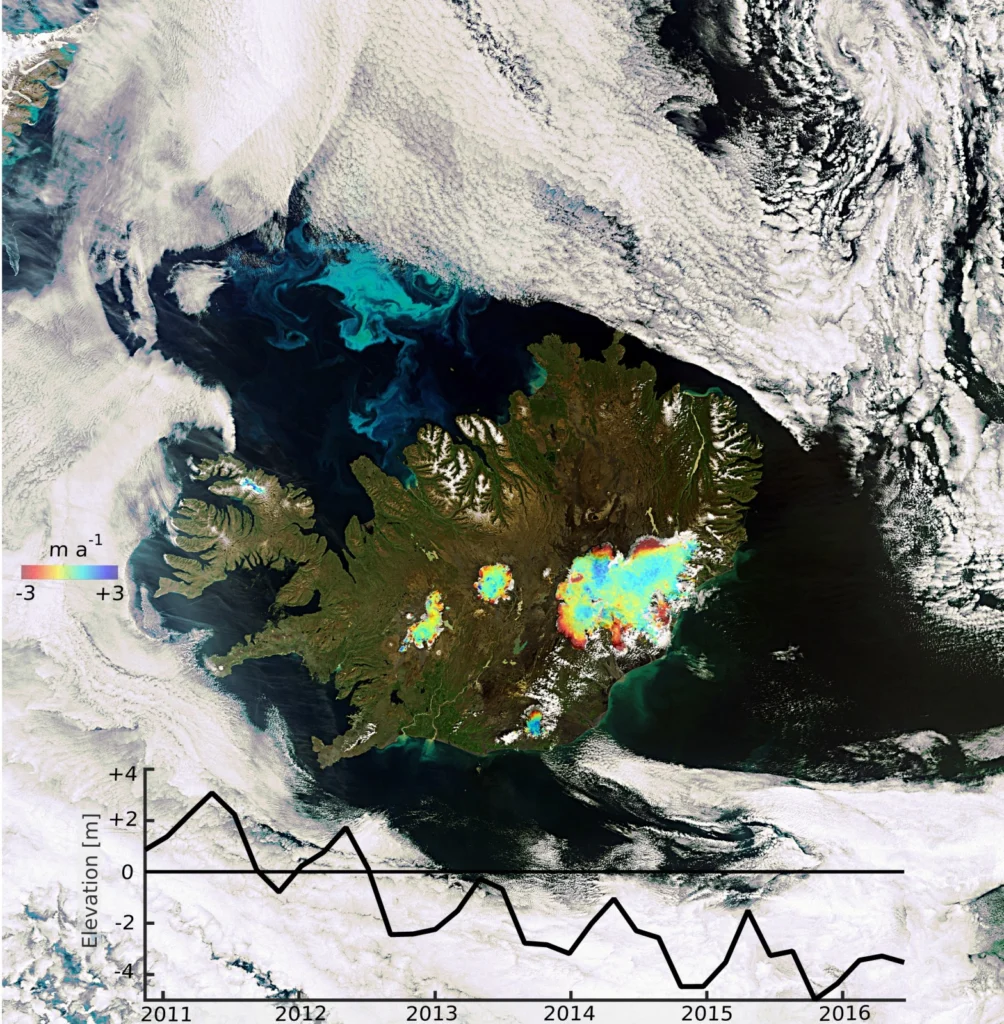
Located in the North Atlantic Ocean, just south of the polar circle, Iceland is a highly fascinating land. Covered by some of the largest glaciers in Europe and hosting active volcanoes, geothermal sites and subglacial lakes, it is extremely dynamic in nature and ever changing. With this Image of the Week we will tell you …[Read More]
Image of the Week – Apocalypse snow? … No, it’s sea ice!
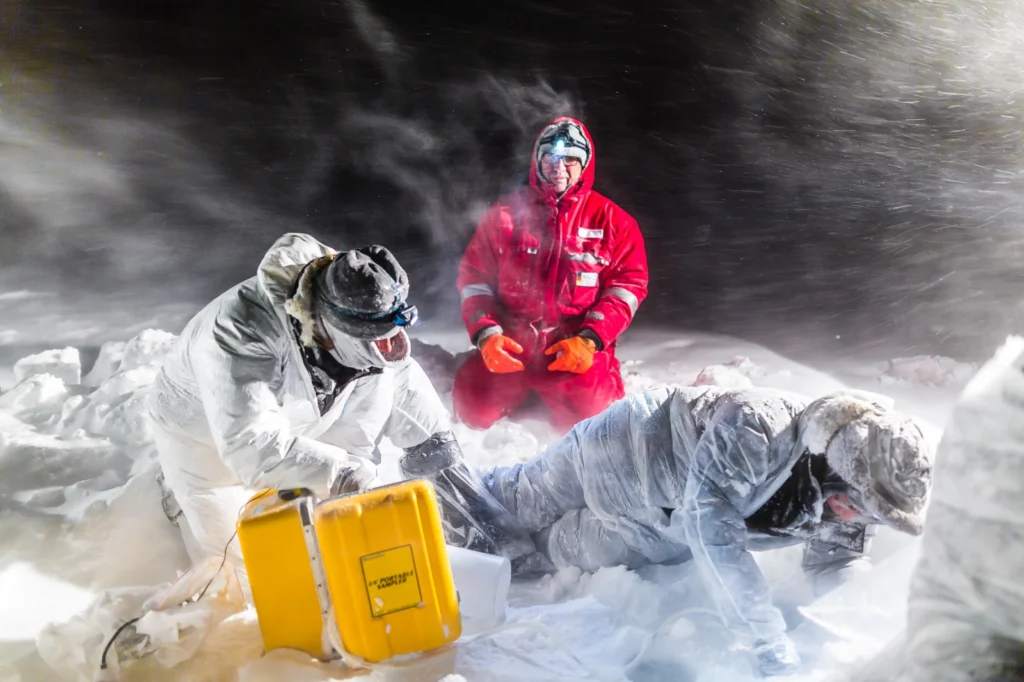
Sea ice brine sampling is always great fun, but sometimes somewhat challenging ! As sea water freezes to form sea ice, salts in the water are rejected from the ice and concentrate in pockets of very salty water, which are entrapped within the sea ice. These pockets are known as “brines”. Scientists sample these brines to …[Read More]