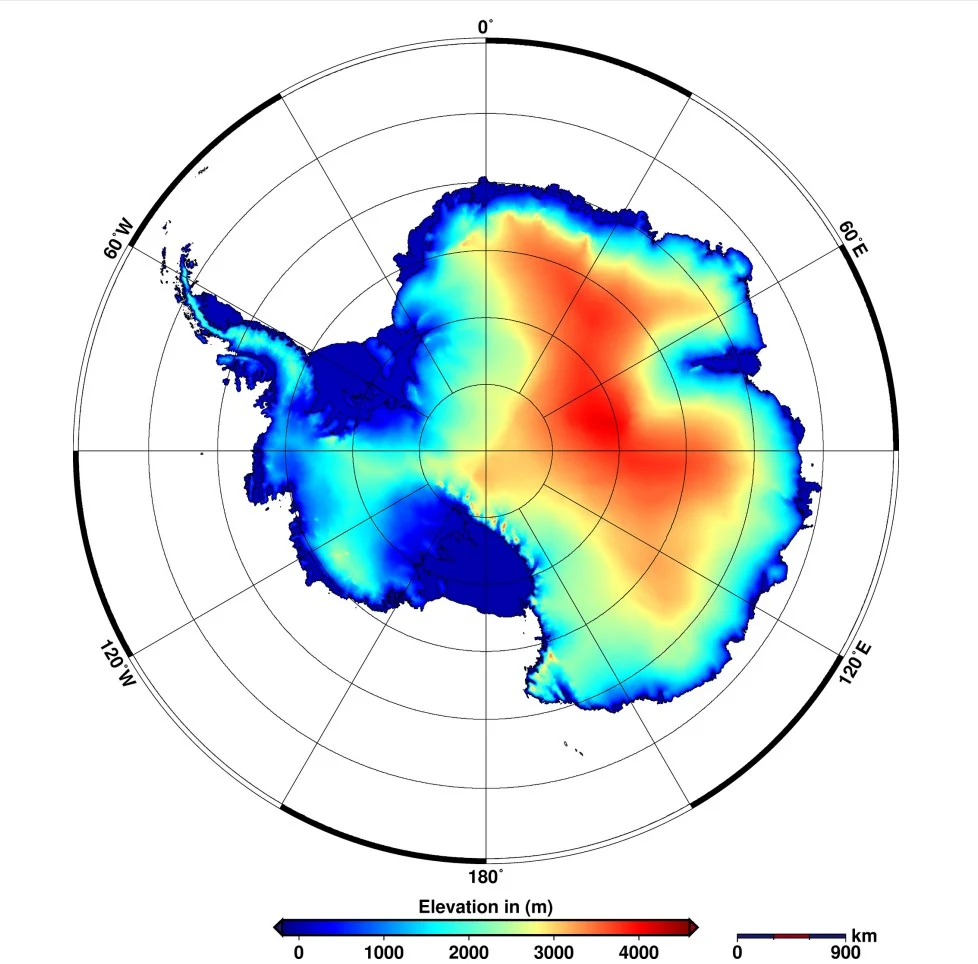
When it comes to climate change, the Arctic and the Antarctic are poles apart. At the north of the planet, temperatures are increasing twice as fast as in the rest of the globe, while warming in Antarctica has been milder. A recent study published in Earth System Dynamics shows that the high elevation of Antarctica …[Read More]
Division blogs
Geodynamics
Pre-plate-tectonics on early Earth: How to make primordial continental crust
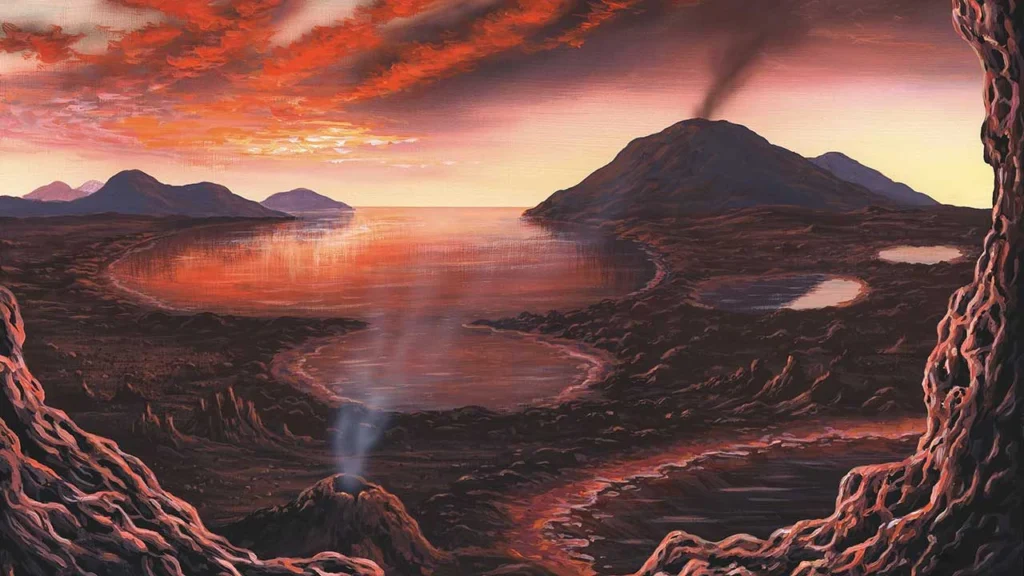
The sequence of events before continental crust formation has long been contested. Numerical simulations performed by Rozel and colleagues imply that the key to the puzzle could lie in the intrusive magmatism. Despite several decades of research on the topic, the trigger of proto-continental crust formation on early Earth remains an enigma. However, magmatic processes …[Read More]
Climate: Past, Present & Future
Corals, the thermometers of the past!
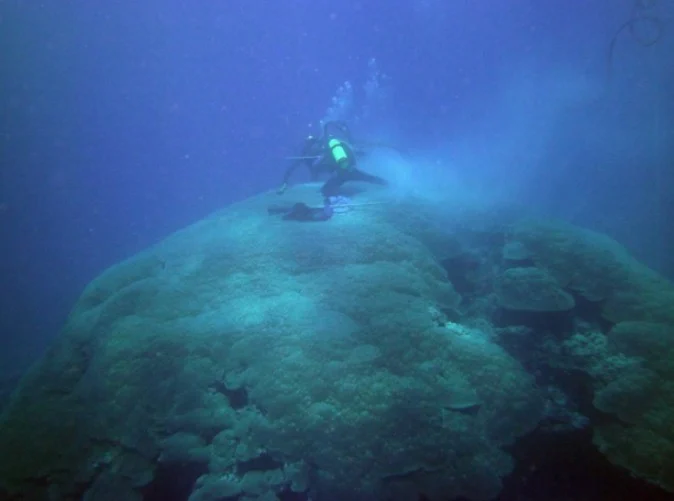
Name of proxy: Coral Type of record: Oceanic variability Paleoenvironment: Fringing reefs, barrier reefs, or atoll Period of time investigated: Mainly the last 200 years How does it works ? What we usually picture as a coral is actually a colony of tiny living animals called coral polyps, which are closely related to jellyfish or …[Read More]
Cryospheric Sciences
Image of the Week – The birth of a sea-ice dragon!
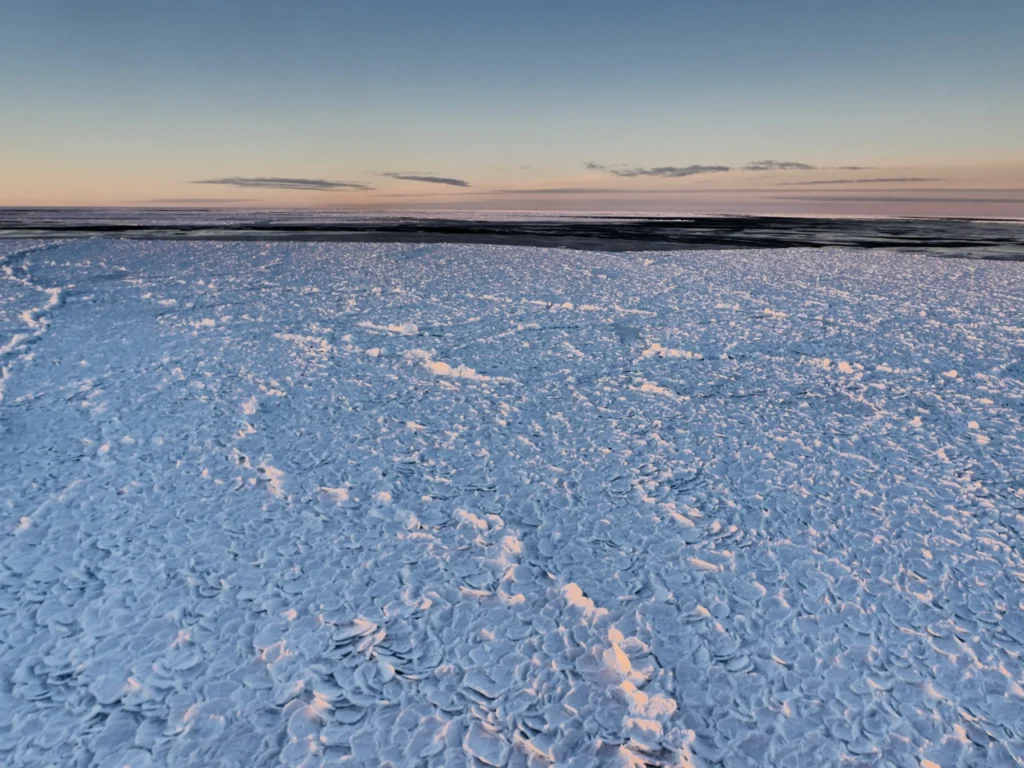
Dragon-skin ice may sound like the name of an episode of the Game of Thrones fantasy franchise. However, this fantasy name hides a rare and bizarre type of ice formation that you can see in our Image of the Week. It has been recently observed by the “Polynyas, ice production and seasonal evolution in the …[Read More]
Solar-Terrestrial Sciences
Welcome
Welcome to the ST division blog! The Solar-Terrestrial (ST) Division of European Geosciences Union (EGU) is starting its own blog! The blog is an initiative by a group of enthusiasts who met during the EGU’s General Assembly in April 2017. We are thrilled to set up this blog that will keep our readers informed about …[Read More]
Geodynamics
Our Geodynamission
Hello and welcome to the new blog of the Geodynamics division! From now on we will break your week on Wednesday morning with a new blog post! We will showcase many different aspects of geodynamics by introducing various topics to you in our Geodynamics 101 series, and we will discuss the latest geodynamics news in …[Read More]
Cryospheric Sciences
Image of the Week – Heat waves during Polar Night!
The winter 2016-2017 has been one of the hottest on record in the Arctic. In our Image of the Week, you can see that air temperatures were positive in the middle of the winter! Let’s talk about the reasons and implications of this warm Arctic winter. But first, let’s take a tour in Svalbard, …[Read More]
Tectonics and Structural Geology
Features from the field: Folding
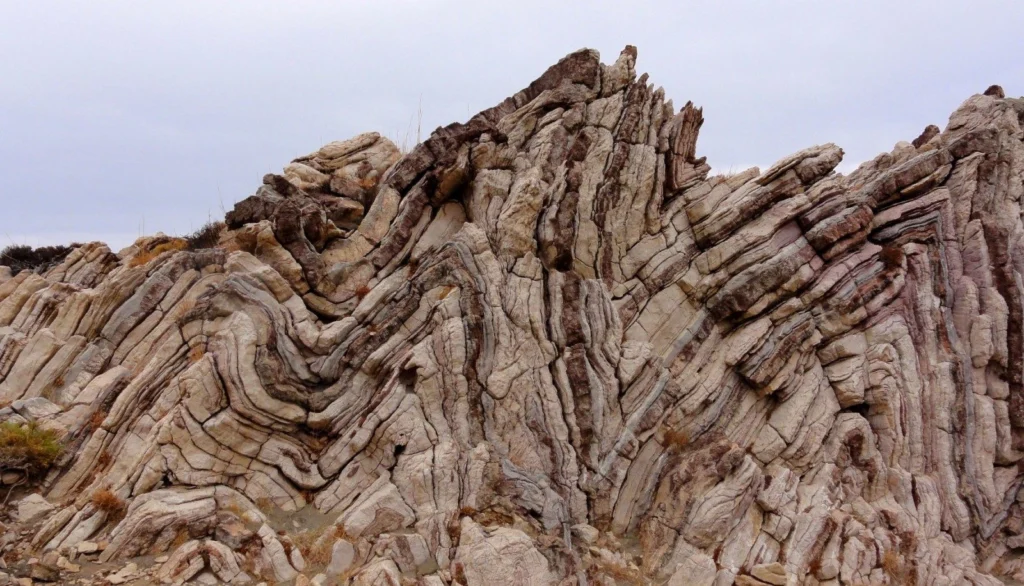
Folding is one of the most common geologic phenomena in the world. I should start with defining the term ‘deformation’ in order to understand the folding process better. In geology, deformation is an alteration of the size or shape of rocks. Deformation is caused by stress, the scientific term for force applied to a certain …[Read More]
Cryospheric Sciences
Image of the Week – When the dirty cryosphere destabilizes!
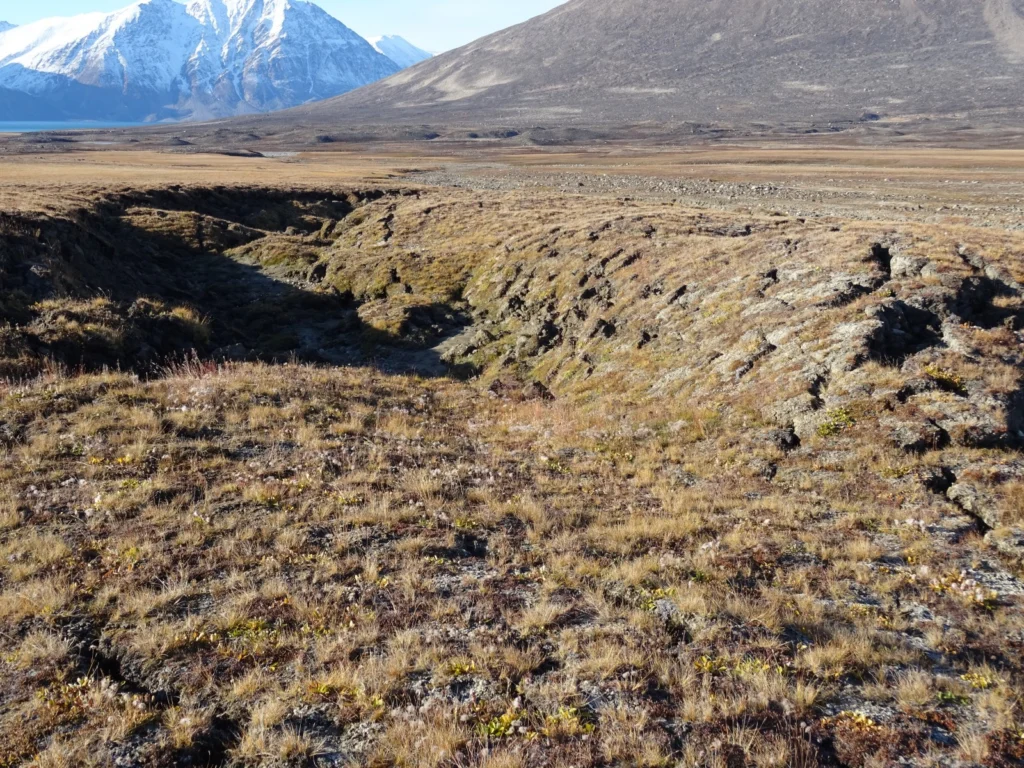
Ice is usually something you see covering large ocean areas, mountain tops and passes or as huge sheets in polar regions. This type of ice is clearly visible from space or with the naked eye. There is, however, a large volume of ice that is less visible. This ice is distributed over the polar and …[Read More]
Atmospheric Sciences
June 2017 Newsletter
The blog will now also host a newsletter specially dedicated to Early Career Scientists of the Atmospheric Sciences Divisions. ECS – AS News – Issue 1 – June 2017 FROM THE PRESIDENT Dear Early Career Atmospheric Scientists, I hope that you by now have digested all the excellent science and events that took place during …[Read More]