EGU Blogs

Division blogs

AS
Atmospheric Sciences

Volcanic Ash Particles Hold Clues to Their History and Effects
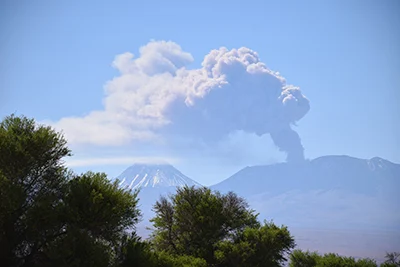
Volcanic Ash Particles Hold Clues to Their History and Effects
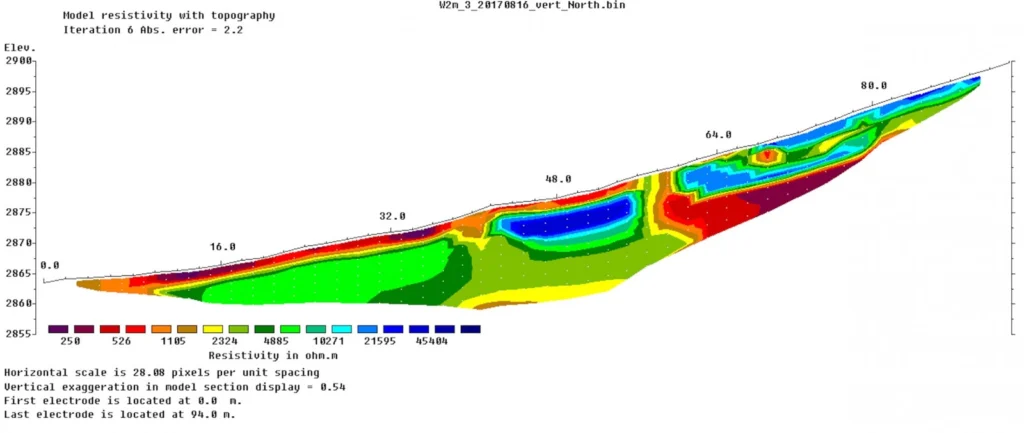
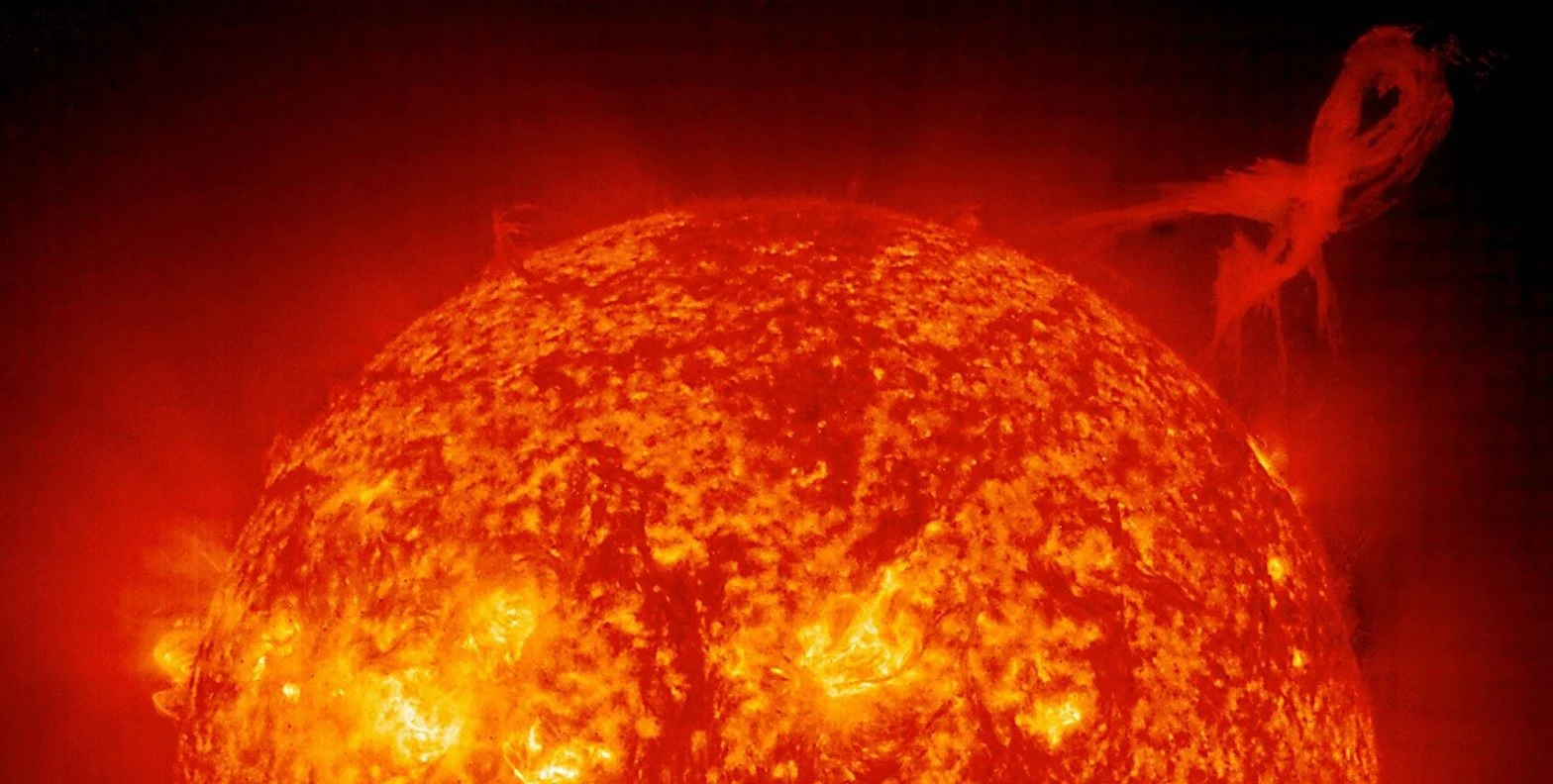
Volcanic Ash as an Active Agent in the Earth System (VA3): Combining Models and Experiments; Hamburg, Germany, 12–13 September 2016 Volcanic ash is a spectacular companion of volcanic activity that carries valuable information about the subsurface processes. It also poses a range of severe hazards to public health, infrastructure, aviation, and agriculture, and it plays …[Read More]

GD
Geodynamics

Why there should (not) be more women in geodynamics

Why there should (not) be more women in geodynamics

Nowadays, equality is cool. Everyone is always going on about how women and men should get the same opportunities. In science, and hence, geodynamics, women are still a bit behind men for both historical (women only recently started graduating more in exact sciences) and unconscious-bias reasons. Therefore, there are lots of programs in order to …[Read More]

CR
Cryospheric Sciences

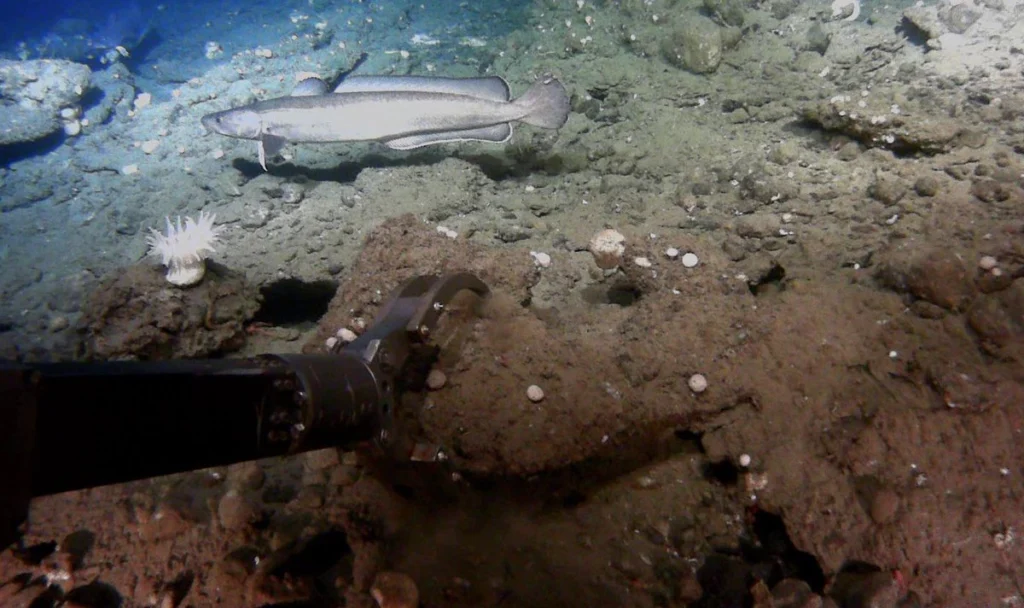
Image of the Week – ROVing in the deep…

Image of the Week – ROVing in the deep…

Robotics has revolutionised ocean observation, allowing for regular high resolution measurements even in remote locations or harsh conditions. But the ice-covered regions remain undersampled, especially the ice-ocean interface, as it is still too risky and complex to pilot instruments in this area. This is why it is exactly the area of interest of the paper …[Read More]

GD
Geodynamics

How good were the old forecasts of sea level rise?

How good were the old forecasts of sea level rise?

The Geodynamics 101 series serves to showcase the diversity of research topics and methods in the geodynamics community in an understandable manner. We welcome all researchers – PhD students to Professors – to introduce their area of expertise in a lighthearted, entertaining manner and touch upon some of the outstanding questions and problems related to their fields. …[Read More]

AS
Atmospheric Sciences

How can we use meteorological models to improve building energy simulations?

How can we use meteorological models to improve building energy simulations?

Climate change is calling for various and multiple approaches in the adaptation of cities and mitigation of the coming changes. Because buildings (residential and commercial) are responsible of about 40% of energy consumption, it is necessary to build more energy efficient ones, to decrease their contribution to greenhouse gas emissions. But what is the relation …[Read More]