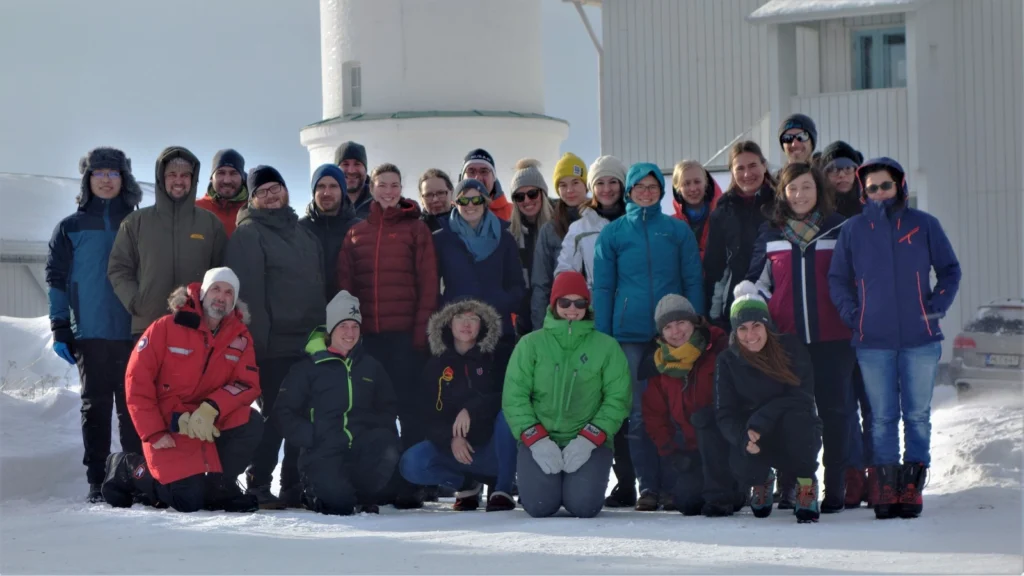
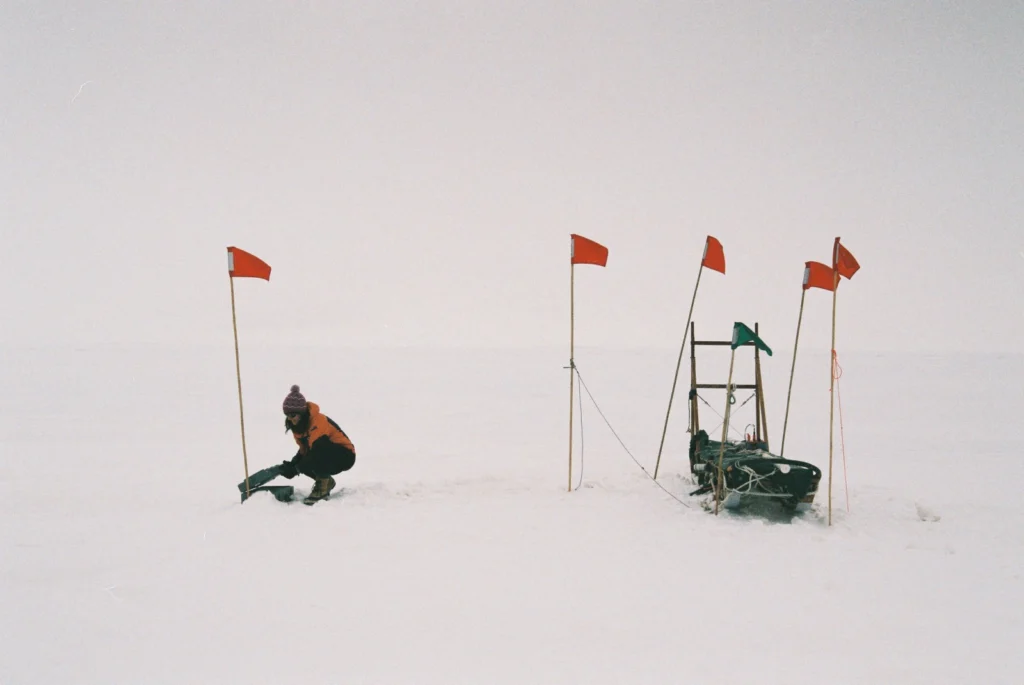
From February 17th to 23rd, 21 graduate students and postdoctorate researchers from around the world made their way to Hailuoto, a small island on the coast of Finland, to spend a week learning about snow on sea-ice for the 5th Snow Science Winter School. The course, jointly organized by the Finnish Meteorological Institute …[Read More]
Division blogs
EGU General Assembly 2019 – all info you need
The European Geosciences Union General Assembly 2019 is about to open its doors. With less than two weeks time, we would like to provide a small guideline if you attend this EGU GA 19 for the first time and/or if you are an Early Career Scientist (ECS). We, that are your Geomorphology (GM) Division ECS …[Read More]
Image of the Week — Into Iceberg Alley
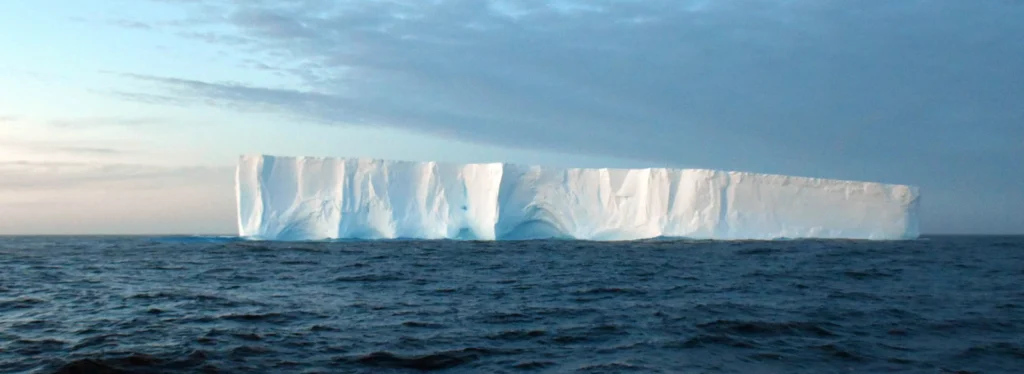
Crew in hardhats and red safety gear bustle about, preparing our ship for departure. A whale spouts nearby in the Straits of Magellan, a fluke waving in brief salute, before it submerges again. Our international team of 29 scientists and 2 science communicators, led by co-Chief Scientists Mike Weber and Maureen Raymo, is boarding the …[Read More]
The CRED presents the bill: the socio-economic cost of natural hazards.
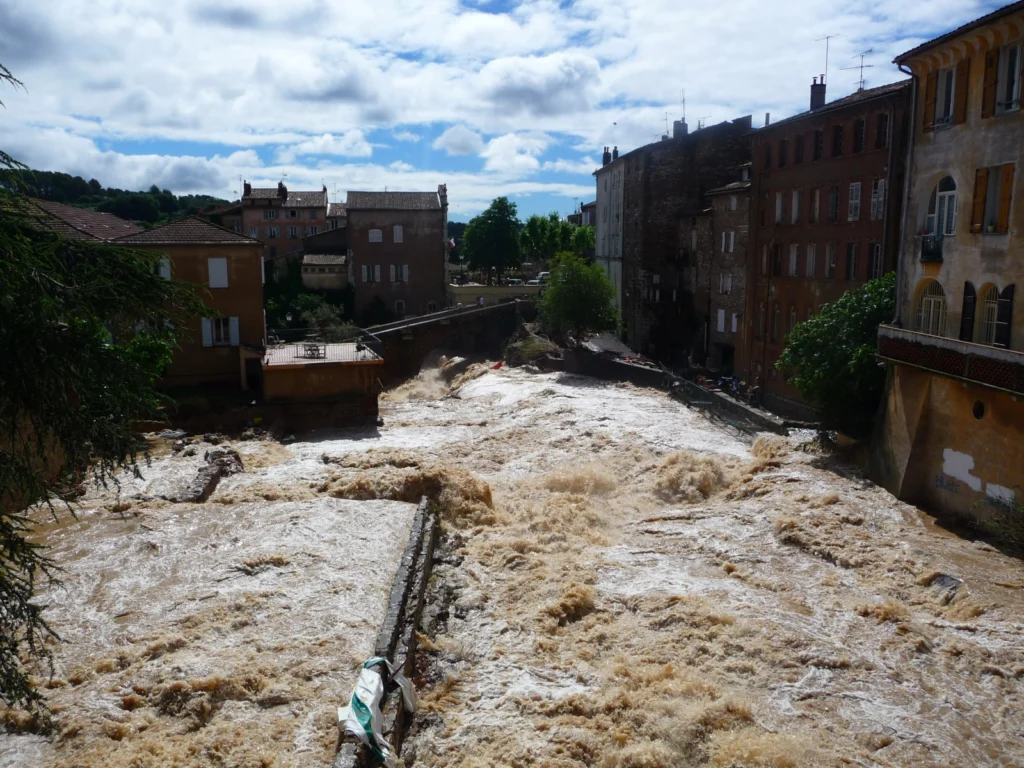
Which type of natural hazard is the most frequent? And which one causes the largest economic losses? Which populations are mainly affected? What are the necessary steps to reduce natural hazards’ impact? If you have ever wondered about any of these questions, you’d be interested to know that there is an institute answering all of …[Read More]
Meeting Plate Tectonics – Cesar Ranero
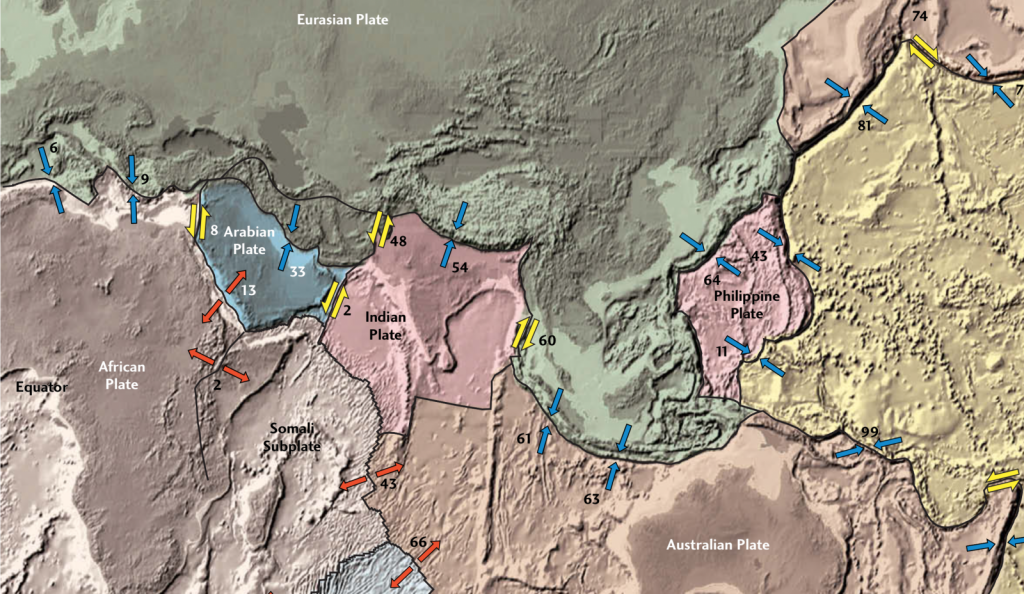
These blogposts present interviews with outstanding scientists that bloomed and shape the theory that revolutionised Earth Sciences — Plate Tectonics. Get to know them, learn from their experience, discover the pieces of advice they share and find out where the newest challenges lie! Meeting Cesar Ranero Prof. Cesar Ranero is an Earth Science researcher, currently Head of Barcelona Center for …[Read More]
Image of the Week – The solid Earth: softer than you might think!
Global sea level is rising and will continue to do so over the next century, as has once again been shown in the recent IPCC special report on 1.5°C. But did you know that, in some places of our planet, local sea level is actually falling, and this due to rising of the continent …[Read More]
How to make a subduction zone on Earth
Subduction zones are ubiquitous features on Earth, and an integral part of plate tectonics. They are known to have a very important role in modulating climate on Earth, and are believed to have played an essential part in making the Earth’s surface habitable, a role that extends to present-day. This week, Antoniette Greta Grima writes …[Read More]
Bridging the crevasse: working toward gender equity in the cryosphere
Today is International Women’s Day. As three early career glaciologists, we set out to investigate the state of gender diversity in the cryospheric sciences. Is there a better day for this than the day of recognition of the fight for women’s rights across the globe? “The extreme nature of high alpine and polar environments made …[Read More]
Taking into account the cultural context to improve scientific communication – Lessons learned from earthquakes in Mayotte
by Laure Fallou and Rémy Bossu Since 10th May 2018, a series of earthquakes has hit Mayotte Island, and it has not stopped yet. This seismic activity is very unusual in the area and has left not only the citizens, but also the authorities and the scientific community puzzled. Soon after the outset of …[Read More]
Palynological applications to sedimentology – a BSRG workshop
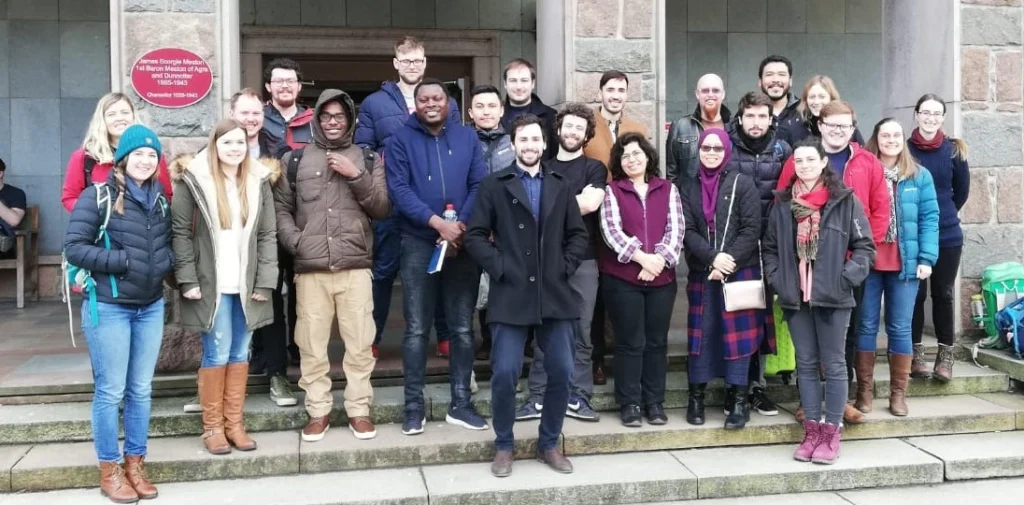
The 2019 BSRG workshop ‘Palynological Applications to Sedimentology’ was held at the University of Aberdeen from the 17th-19th February. The trip was led by palynology experts Dr. Adam McArthur (University of Leeds), Dr. Alena Ebinghaus (University of Aberdeen) and Dr. Manuel Vieira (Shell), organised by Dan Tek from the University of Leeds, and sponsored by …[Read More]