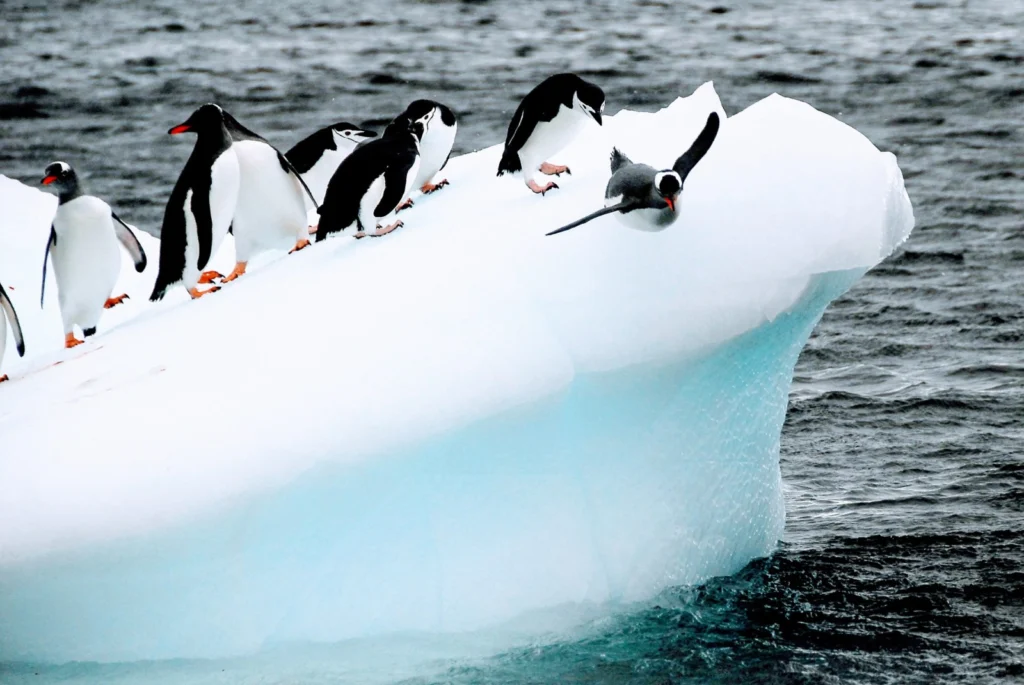
As Antarctica’s mass loss increases, the threat of crossing tipping points both in the ice sheet and the surrounding Southern Ocean is increasing. But what actually is a tipping point? Have tipping points already been crossed in the past? And what might the future hold? What do we mean by a “tipping point”? Scientifically speaking, …[Read More]
Division blogs
The Sassy Scientist – Reaching For The Stars
In a world of repetitive home office clean-ups, Freya is teetering on the brink of mental breakdown. Whereas al of our brilliant suggestions, such as cooking, befriending your neighbours, brush up on your programming skills, consider a career outside academia, acquiring new hobbies or wasting your time watching silly movies, have not posed good enough …[Read More]
A new European effort to better understand extreme weather
Extreme weather events routinely have detrimental socio-economic impacts around the globe. In fact, weather-related events make up over 90% of natural disasters worldwide [1]. In the new millennium, the frequency of many extreme weather events such as droughts and high temperatures, has systematically exceeded the levels seen in the 1980s and 1990s [1], and anthropogenic …[Read More]
A new European effort to better understand extreme weather
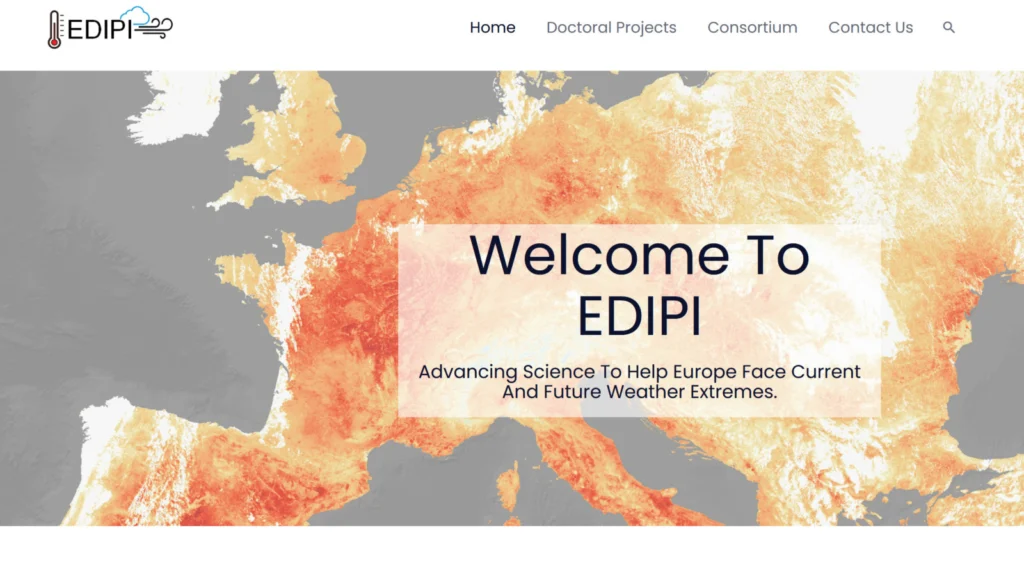
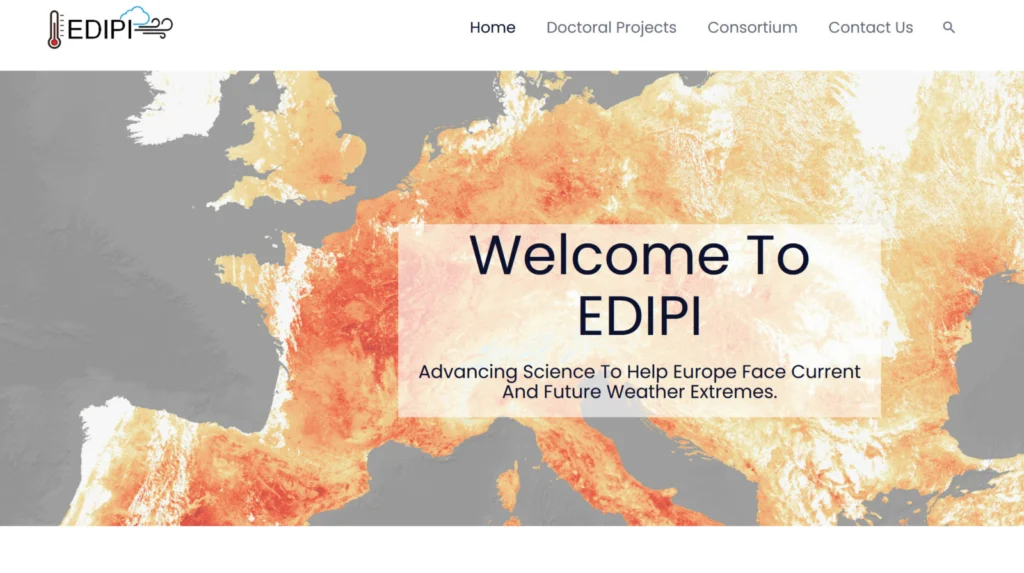
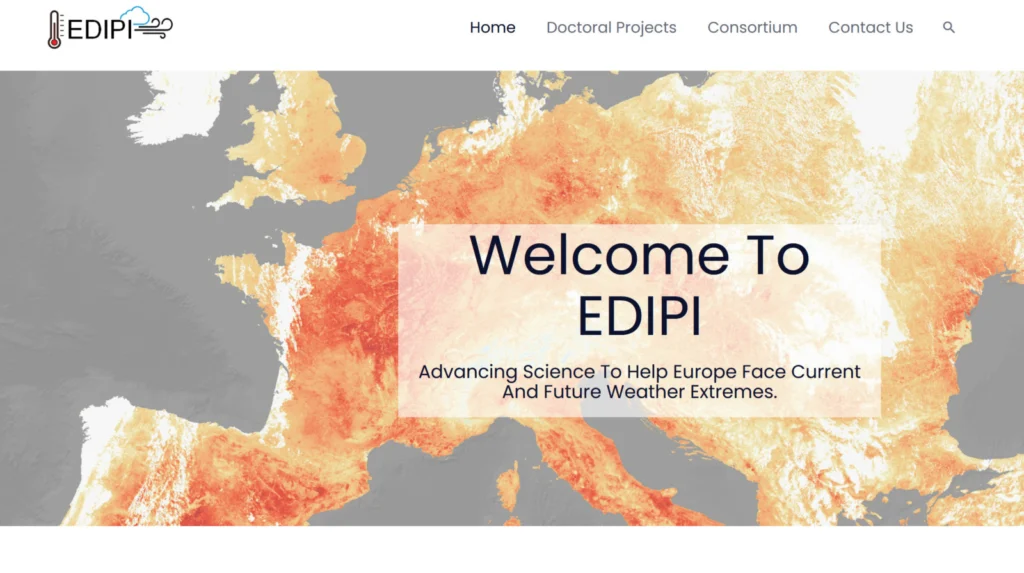
Feature Image: Screenshot of the european weather Extremes: DrIvers, Predictability and Impacts (EDIPI) homepage. Background Image Credits: Copernicus Sentinel data, processed by ESA. Extreme weather events routinely have detrimental socio-economic impacts around the globe. In fact, weather-related events make up over 90% of natural disasters worldwide [1]. In the new millennium, the frequency of many …[Read More]
In honour of Movember: geo-moustache-inspiration
As we are 11 days into November, you might have started to become suspicious of the increased number of people around you growing out their moustaches. While this could be due to the fact that many of us are sequestered at home and may have forgotten the point of personal grooming, there is a good …[Read More]
A new European effort to better understand extreme weather
Extreme weather events routinely have detrimental socio-economic impacts around the globe. In fact, weather-related events make up over 90% of natural disasters worldwide [1]. In the new millennium, the frequency of many extreme weather events such as droughts and high temperatures, has systematically exceeded the levels seen in the 1980s and 1990s [1], and anthropogenic …[Read More]
Thirty-nine days onboard the Langseth
When you picture sailing on a ship, what do you imagine? Cool breezes, salt spray, glorious sunrises, the peaceful sounds of breaking waves and passing gulls’ cries? As it turns out, you can go for multiple days at sea without directly looking at, smelling, or hearing the ocean waves – at least, you can if …[Read More]
The earthquake traffic light
Dr. Laura Gulia is a senior post-doc at the University of Bologna, Department of Physics and Astronomy. She has a strong experience in statistical seismology, seismicity analysis as well as seismic hazard and risk assessment. Recently, she investigated the spatio-temporal evolution of the earthquake size distribution throughout a seismic sequence focusing on the b-value, a …[Read More]
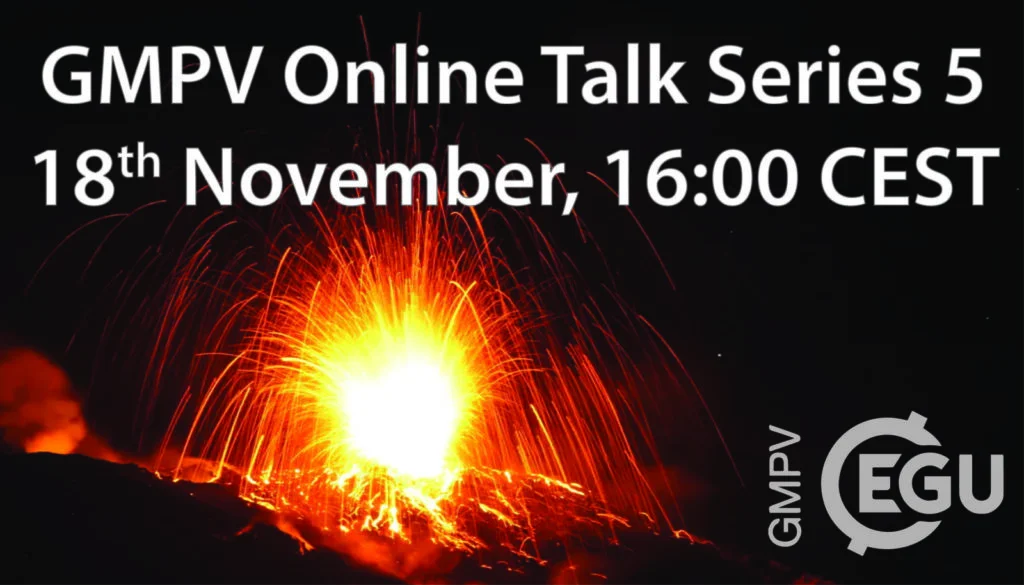
GMPV ECS online talks: Wednesday 18 November
The 5th edition of the Geochemistry, Minerology, Petrology and Volcanology division’s early career scientists talks will be on Wednesday 18 November 4pm CET. Our speakers are: Joao Lages (Post doc @ University of Palermo) – Constraints on mantle, slab and crustal contributions to majors volatiles and noble gases along subduction zones Ailsa Naismith (PhD candidate …[Read More]
The Sassy Scientist – I Am A Rock
With real-life water cooler time at a premium, Paul has found that talking about the weather and Emily in Paris just isn’t breaking the ice. By Zoom, he asks possibly the worst qualified person in geodynamics: How can you turn your colleagues into friends? Dear Paul, Why would you want to? You only have a …[Read More]