Detail of a photo: Large angular boulder beside a shallow pebbly stream in a grassy mountain valley, below steep forested slopes and rocky peaks under a dramatic blue sky, in heavily processed colours.
EGU Blogs

Division blogs

GD

The Sassy Scientist – Extending the Extension

The Sassy Scientist – Extending the Extension

Looking towards yet another submission extension, Cameron can see the end of 2020, but not of their thesis: After how many chapters and papers PhD thesis can be considered as ‘complete’? Dear Cameron, What do you mean chapters *and* papers?! In my vast experience examining PhD students, when they finally finish, they have chapters *or* …[Read More]

TS

Mind your Head: Taking care of yourself during the Corona-virus crisis – Part 2

Mind your Head: Taking care of yourself during the Corona-virus crisis – Part 2

It has been many months since the first lockdown, in some countries about a year, in other countries perhaps eight months. A continuing learning curve, with many ups and downs. Now the end is slowly appearing on the horizon, with promises of vaccines, and several countries making definite plans on when and how to vaccinate. …[Read More]

SSS

The importance of our SSS (…Soil Support Staff!) #2

The importance of our SSS (…Soil Support Staff!) #2

Last month, we launched the first in a monthly series of blog posts dedicated to highlighting the indispensable work carried out by our technicians, laboratory assistants, and research support teams. Soil Science is indebted to these key individuals and their essential, tireless efforts to keep laboratories afloat, maintain our facilities, carry out fieldwork, and make …[Read More]

BG

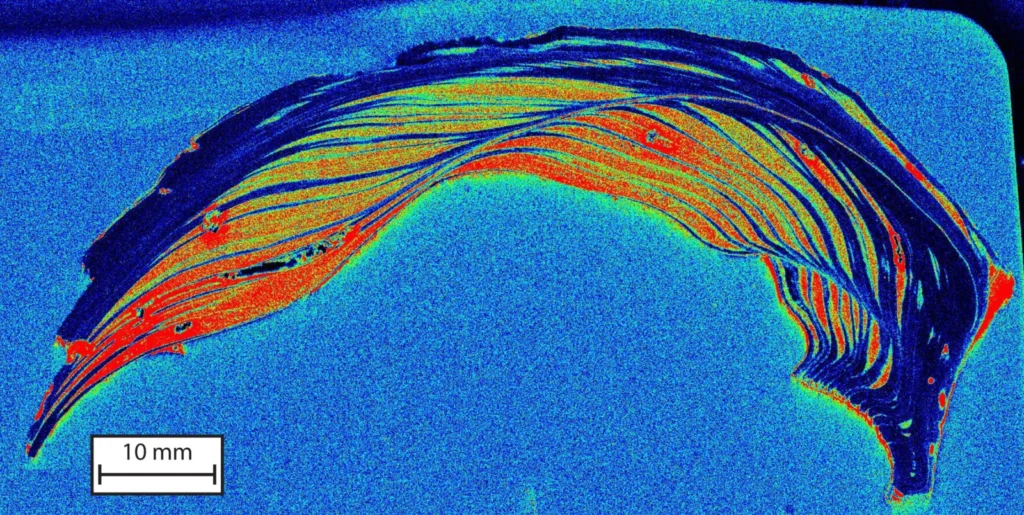
High-resolution biogeochemistry: Taking snapshots of past climate using mollusk shells

High-resolution biogeochemistry: Taking snapshots of past climate using mollusk shells

This is a solicited blogpost written by Niels de Winter. Now that the effects of rising anthropogenic CO2 emissions are starting to affect our everyday lives, accurate reconstructions of past climates become more and more relevant. These reconstructions help us to improve climate models used to project future global warming scenarios which in turn inform …[Read More]

HS

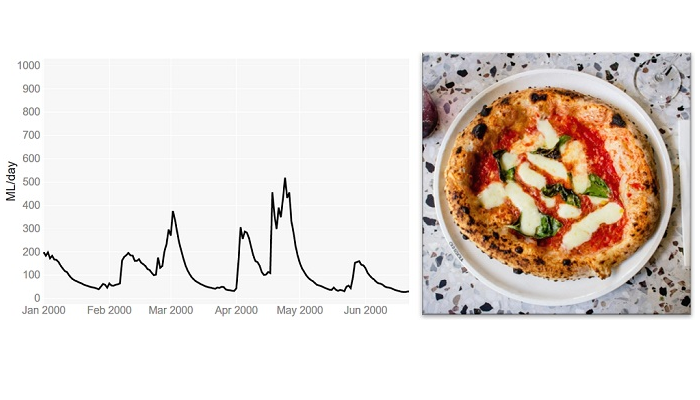
Hydrological modelling and pizza making: why doesn’t mine look like the one in the picture?

Hydrological modelling and pizza making: why doesn’t mine look like the one in the picture?

Is this a question that you have asked yourself after following a recipe, for instance, to make pizza? You have used the same ingredients and followed all the steps and still the result doesn’t look like the one in the picture… Don’t worry: you are not alone! This is a common issue, and not only …[Read More]

GD

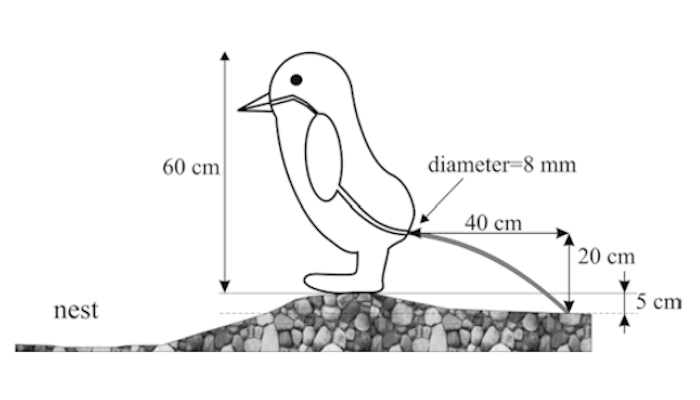
Seriously, science?

Seriously, science?

This week, Cédric Thieulot, Assistant Professor at The Department of Earth Science, in Utrecht, shows that there is no place for humor in peer reviewed scientific publications. Science is serious. It’s about experiments, theory, analysis, and for most of this readership maths, physics, chemistry, biology, geology and so much more. It’s serious business, with funding, …[Read More]

#vEGU21 Session in the Spotlight: Island arc volcanism along the Africa-Eurasia plate boundary

#vEGU21 Session in the Spotlight: Island arc volcanism along the Africa-Eurasia plate boundary

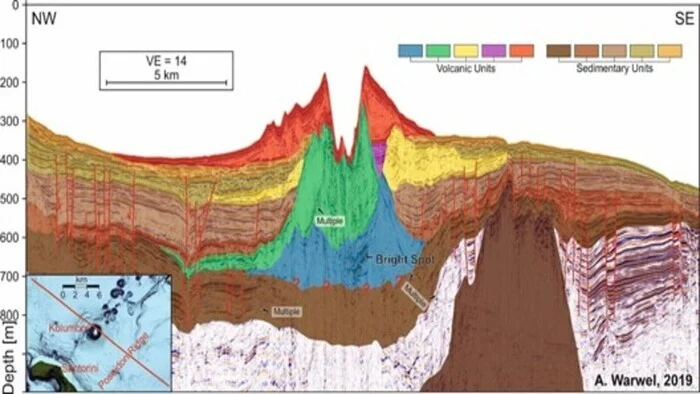
It’s beginning to look a lot like Christmas! ☃ Which only means that the EGU abstract submission deadline is fast approaching. With 6 weeks left to go, have you decided which session to submit your abstract to? Today we put a spotlight on session NH2.1 (Co-organized by GM9/GMPV11). Are you passionate about reconstructing volcanic histories?✅ …[Read More]

NP

NPG Paper of the Month: “Applications of matrix factorization methods to climate data”

NPG Paper of the Month: “Applications of matrix factorization methods to climate data”

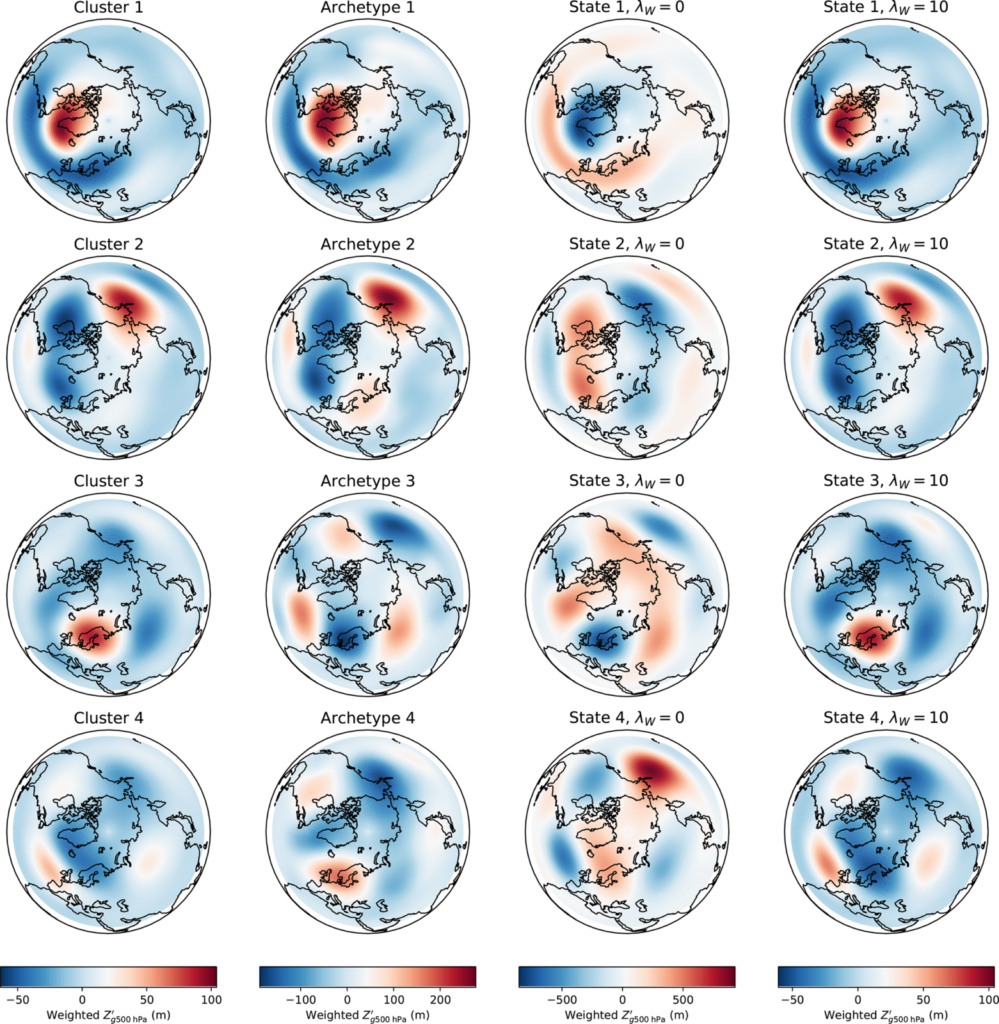
The September 2020 NPG Paper of the Month award goes to Dylan Harries and Terence J. O’Kane for their paper “Applications of matrix factorization methods to climate data” (https://doi.org/10.5194/npg-27-453-2020). Dylan is a postdoctoral fellow within the Oceans and Atmosphere business unit of CSIRO (Australia). His current research focuses on methods for learning reduced-order models from …[Read More]