The #EGU22 abstract submission deadline is approaching surprisingly fast – only 6 weeks are left until you have to decide to which of our many great sessions you want to submit your abstract! But which session will be the best one to fit your research? We will try to help you make this decision by …[Read More]
Division blogs
Exploring parachute science in analytical geoscience
During this past October, a team of researchers took part in a “hackathon” organised by the UK Natural Environment Research Council (NERC) to generate data and new ideas to increase diversity in geoscience. This was an extremely hectic, sometimes stressful but fun and illuminating experience which ultimately culminated in a pilot funding bid (which we …[Read More]
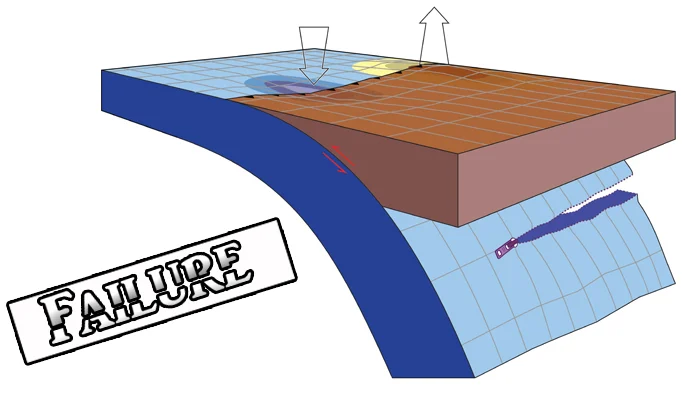
Lithospheric failure at subduction zones
Observing the Earth’s changing surface is the only thing solid Earth scientists can do; we simply cannot drill deep enough into the Earth and look at the processes that occur at very high temperatures and pressures. We must combine surface measurements from various disciplines to infer that specific surface imprints are caused by specific processes …[Read More]
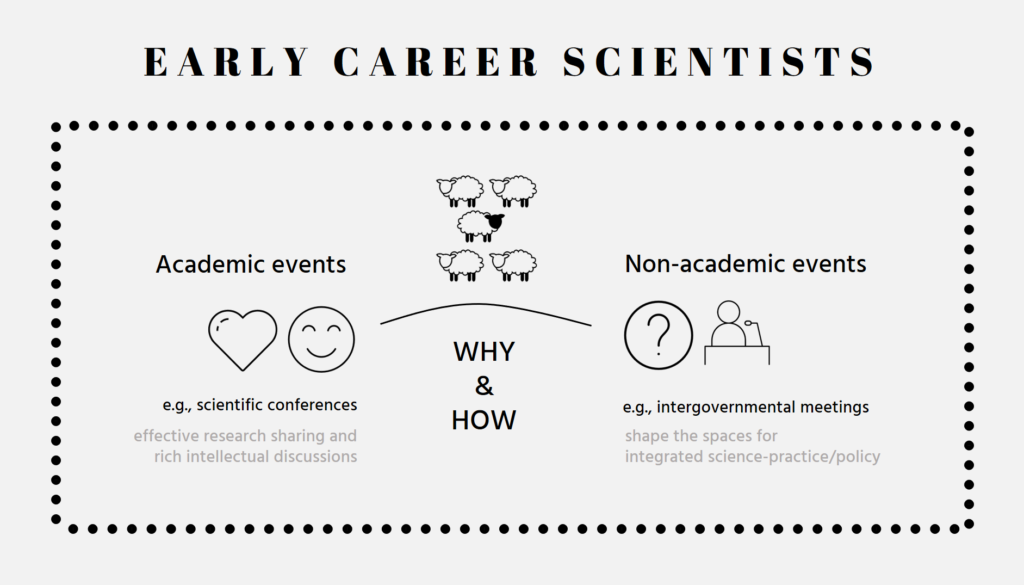
On talking about hydrology at non-academic events
Many of us have given talks (or are preparing their first one coming soon) at academic and non-academic events. What are the differences and what should we expect from both types of events? How can early career scientists (ECS) navigate through these two types of events? I wrote this blog post as an attempt to …[Read More]
“State of the ECS”: Getting back to normal…?
Matthew here! Since the end of the Summer, across Europe there were a few months of some kind of normality, and the ECS team enjoyed the freedoms that were on offer. Field work! In-person conferences! Actually seeing someone else in the office!?! As the winter draws in (how can it be December already?!?), and the …[Read More]
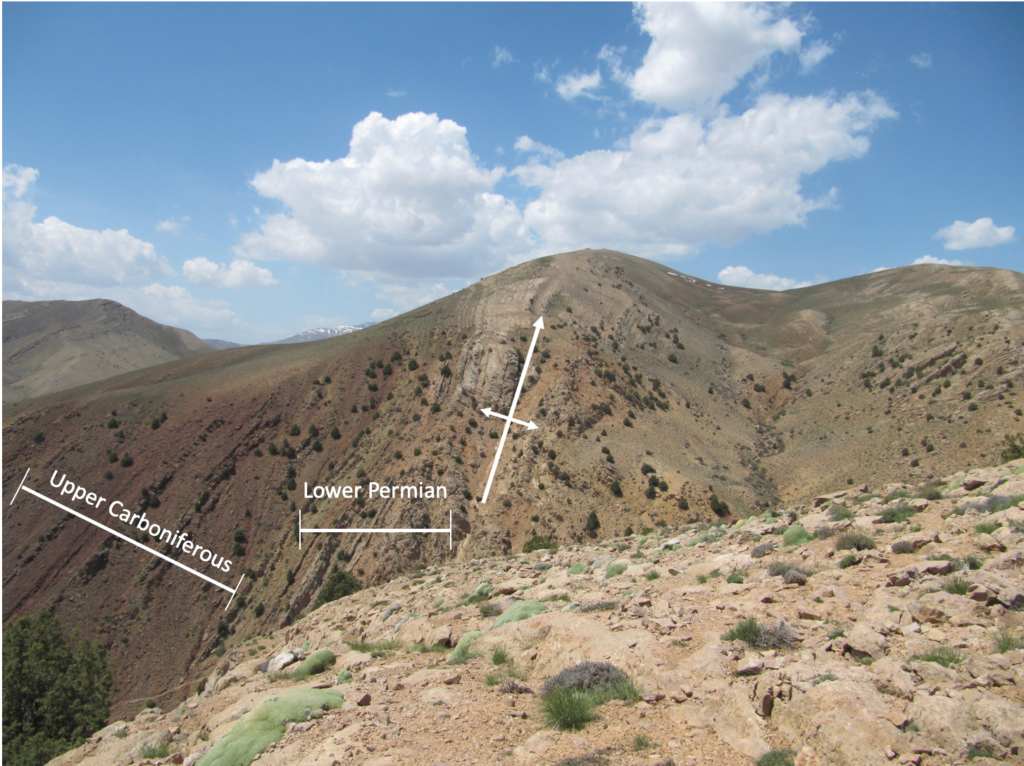
Tracing Atmospheric dustiness in the Permo-Carboniferous of northeastern Gondwana
This blog summarizes two recent articles about dust in the Paleozoic. Planet Earth is presently undergoing a profound climatic turnover. Improved understanding of both the mechanisms contributing to the present climate change and its consequences for the biosphere, including human society, will not only provide the knowledge required to cope with its effects, but may …[Read More]
Define and assess drought, the herculean challenge!
The frequency and intensity of drought periods have increased since the 1950s over most land areas [1]. In fact, between 1998 and 2017, drought was the sixth natural hazard associated with disasters (4.8% of the total number of disasters) but the second in terms of the total number of affected people (33% of the total …[Read More]
The Sassy Scientist – On The Other Side Of The Trench
Long (mostly self-inflicted) working hours, low pay, one short-time contract after another and no long-term guarantee whatsoever. That is academic life for you, in case you haven’t noticed. Sooner or later all academics start to ask themselves the same thing that Gabby asks: What are the nicest alternatives to academia? Dear Gabby, My personal favourites …[Read More]
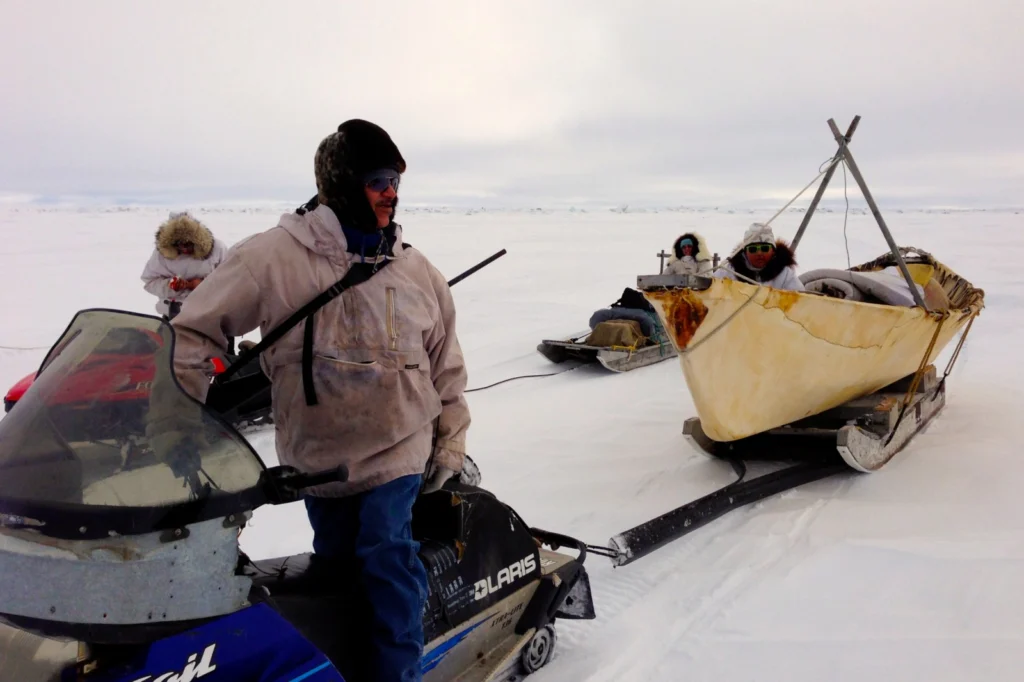
Will the ice break out? – a story from the farthest north ice trails
“If there is a pan of ice that hits the shorefast ice from the North, it can take off a sheet of ice, and you can go with it.” The serious expression of the 67-year-old whaling captain made it impossible to mistake the potential risk associated with the ancient tradition of spring whale hunting from …[Read More]
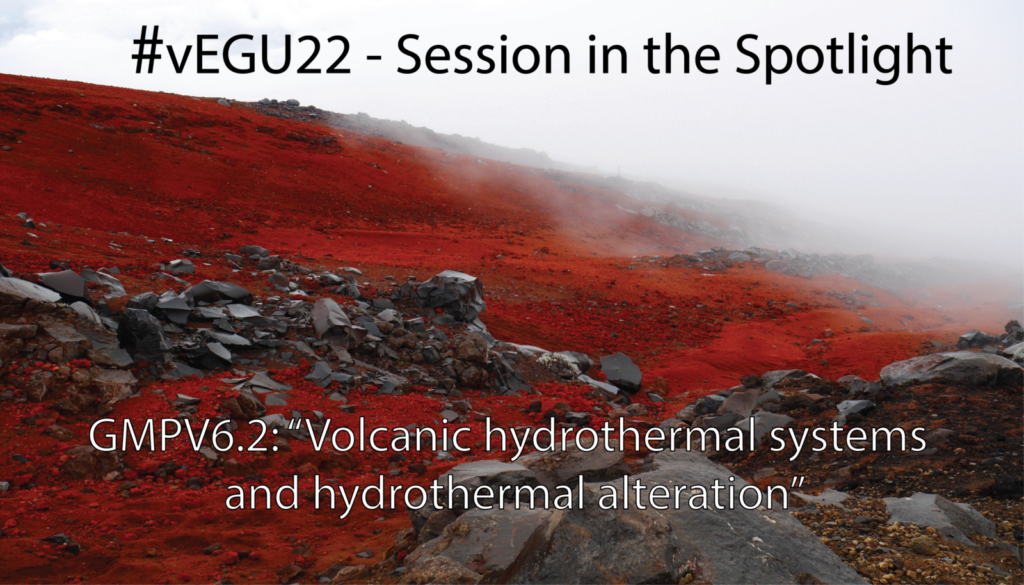
#EGU22 session in the spotlight: Volcanic hydrothermal systems and hydrothermal alteration
The abstract submission for the General Assembly in 2022 is open now! Our colleagues from the organization were very engaged and we are more than happy to share that the EGU22 is aimed to take place in a hybrid version! To celebrate this opportunity we will highlight some of our many GMPV sessions in the …[Read More]