EGU Blogs

Division blogs

Geochemistry, Mineralogy, Petrology & Volcanology

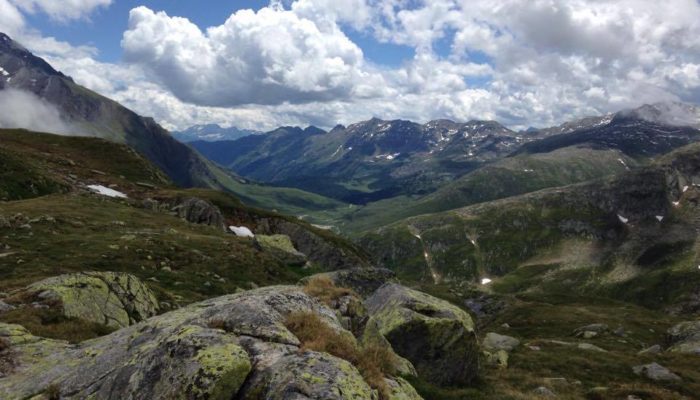
Carbonate Minerals: the Silent Players of Climate Change – Victoria Corcimaru for GMPV for Sustainable Development
Carbonate Minerals: the Silent Players of Climate Change – Victoria Corcimaru for GMPV for Sustainable Development
GMPV and The Sustainable Development Goals In 2015 all United Nations Member States adopted a set of Global Goals, as a universal call to protect our planet, end poverty and ensure that all people can enjoy peace and prosperity. These are called the Sustainable Development Goals – 17 integrated goals aimed at addressing the challenges our society is currently facing considering social, economic, a ...[Read More]

BG
Biogeosciences

Looking back at our first BG campfire.

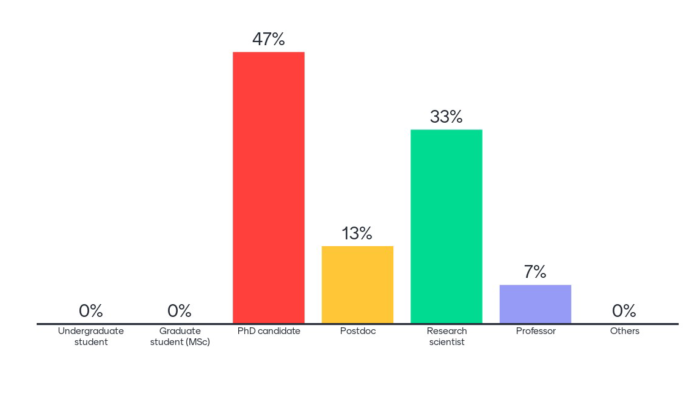
Graph showing participation by career stage.

The BG division is extremely excited about including campfire events in our regular program. Campfires are informal events where we would like to bring together the biogeosciences community to discuss, learn or implement new ideas. To do so, we first wanted to know what the hottest topics are that interest our members. We celebrated the first BG campfire event last May 27th. It was an exciting mee ...[Read More]

BG
Biogeosciences

Apply to become a BG Scientific Officer

Apply to become a BG Scientific Officer

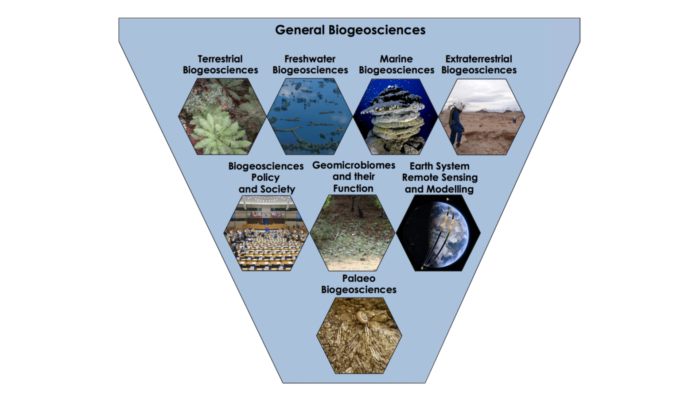
Biogeosciences Division Structure During the last EGU Biogeosciences Division Meeting we revealed how the BG Division would evolve over the next 12 months with your support and guidance. The new BG structure will consist of eight sub-divisions illustrated below. This structure maintains the visibility, expertise and diversity of our Biogeosciences community whilst creating new thematics that provi ...[Read More]

CL
Climate: Past, Present & Future

From mountains to caves: How I found my research niche

From mountains to caves: How I found my research niche

What makes you unique as a scientist? Most of us are confronted with this question sooner or later in our career, for example when applying for jobs or research grants. The answer is not always easy, especially for Early Career Researchers (ECRs) still developing a strong scientific profile. For me, being able to clearly identify my research niche has been a long process that involved developing i ...[Read More]

Geochemistry, Mineralogy, Petrology & Volcanology

Do caldera eruptions occur in cycles?

Do caldera eruptions occur in cycles?

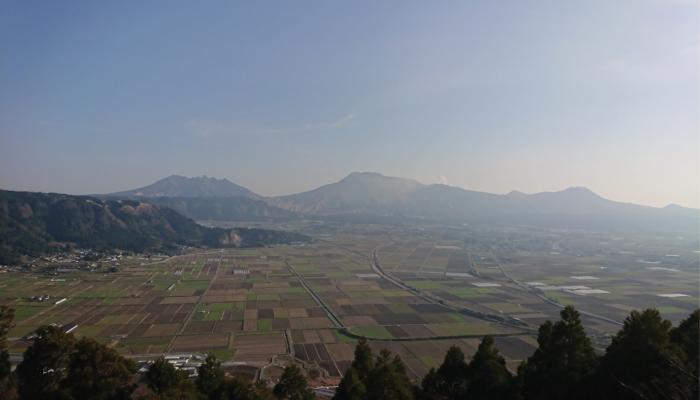
Caldera-forming eruptions represent some of the most dangerous natural hazards we have to face on Earth. If happening today, a single caldera-forming eruption would have a devastating impact on the population living around the volcano, destroy the surrounding environment, and also strongly influence the global climate. But what actually is a caldera and how do scientists interpret their eruptive a ...[Read More]

G
Geodesy

Geodesists on Tour: Gravity measurements on Antarctica

Geodesists on Tour: Gravity measurements on Antarctica

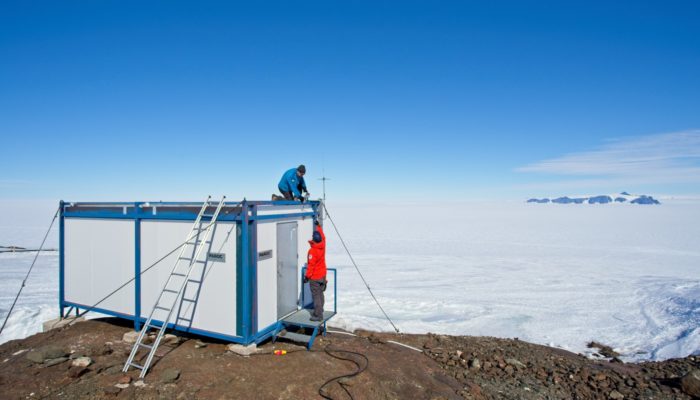
  Antarctica is well known for its large ice sheet, covering 98% of the continent. A large part of the ice sheet is losing mass leading to vertical and horizontal movements of the crust as well as changes of the gravitational attraction. To observe these changes in gravity with the highest accuracy, it is necessary to visit Antarctica and measure gravity on a regular basis. Since the late 198 ...[Read More]

Geochemistry, Mineralogy, Petrology & Volcanology

Volcanoes and Wines, Part 1

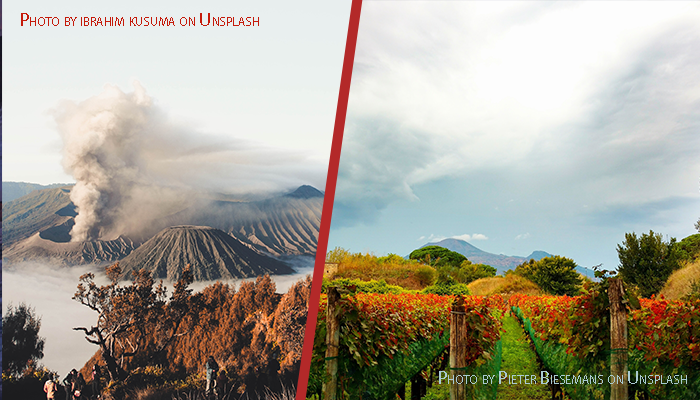
Volcano and Wine pt1 frontpage

Why talk about wine on the GMPV blog? Well, this geologist-favourite drink is not only good memories of the EGU General Assembly but also a topic that spans among all the GMPV categories. Indeed, wine composition, flavour, structure and quality are inevitably bound to the mineralogy and geochemistry of the soil, making it so common and appreciated since ancient times. And what gives us a nice comp ...[Read More]

SSP
Stratigraphy, Sedimentology and Palaeontology

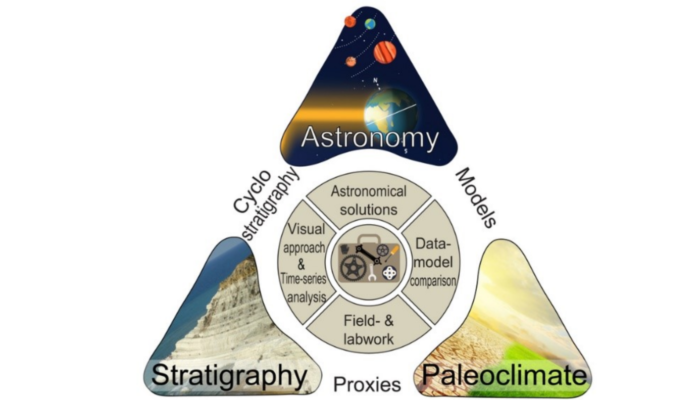
An online learning platform for cyclostratigraphy – www.cyclostratigraphy.org

An online learning platform for cyclostratigraphy – www.cyclostratigraphy.org

Cyclostratigraphers aim to read and understand the effect of climate-driven orbital changes in the geological record through time. In doing so, they start from an important prerequisite: An imprint of insolation variations caused by Earth’s orbital eccentricity, obliquity and/or precession (Milankovitch forcing) can be preserved in the geological rock record. The new www.cyclostratigraphy.org webs ...[Read More]

CL
Climate: Past, Present & Future

An online learning platform for cyclostratigraphy – www.cyclostratigraphy.org

An online learning platform for cyclostratigraphy – www.cyclostratigraphy.org

Cyclostratigraphers aim to read and understand the effect of climate-driven orbital changes in the geological record through time. In doing so, they start from an important prerequisite: An imprint of insolation variations caused by Earth’s orbital eccentricity, obliquity and/or precession (Milankovitch forcing) can be preserved in the geological rock record. The new www.cyclostratigraphy.org webs ...[Read More]

G
Geodesy

Notes from a hybrid conference

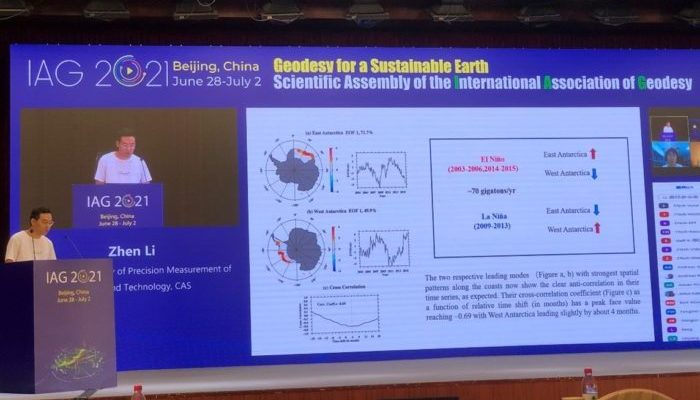
Zhen Li during his talk

With the COVID pandemic still ongoing, many conferences have been taking place online or have opted for a hybrid format, with combined on-site and online program parts. To many of us this still a rather new experience, so we decided to share some of the impressions we gathered in the hybrid meetings we attended so far. At the beginning of July, the International Association of Geodesy (IAG) Scient ...[Read More]