In this post, I will talk about two famous characters of the climate system; I will define them and see how they have changed in the current context of climate change. I will also show you how these two characters interact, one influencing the other, and vice versa. Finally, let’s see how the future looks …[Read More]
Division blogs
We need a new Early Career Scientist Co-Representative!
The general assembly 2023 is approaching, and the EGU Geodesy division is looking for an enthusiastic early career scientist (ECS) to take over the role of the division ECS Co-representative. But what do you have to do as an ECS-representative? And where can you sign up? Early career scientists represent a significant share of the …[Read More]
Tambora 1815: From eruptive dynamics to the global impact of the eruption – with Jessica Kandlbauer
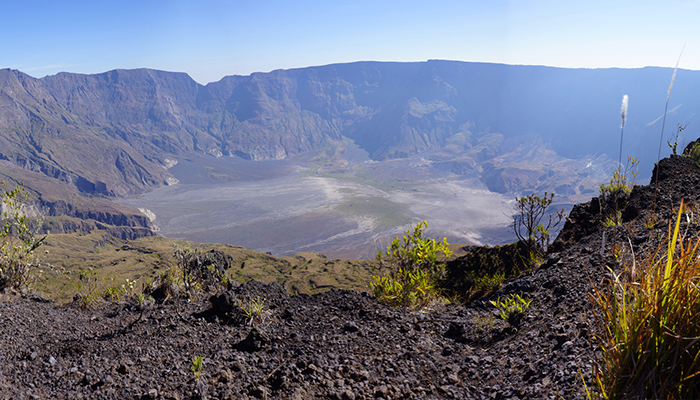
reading time: 10 minutes The Tambora 1815 eruption: a brief introduction On April 10th, 1815, the Tambora volcano, located on the island of Sumbawa in Indonesia, was responsible for one of the largest eruptions in the last millennium (Stothers, 1984; Sigurdsson and Carey, 1989; Oppenheimer, 2003; Self et al., 2004; Kandlbauer et al., 2013a; Kandlbauer …[Read More]
The Tectonic Memory of the Mantle
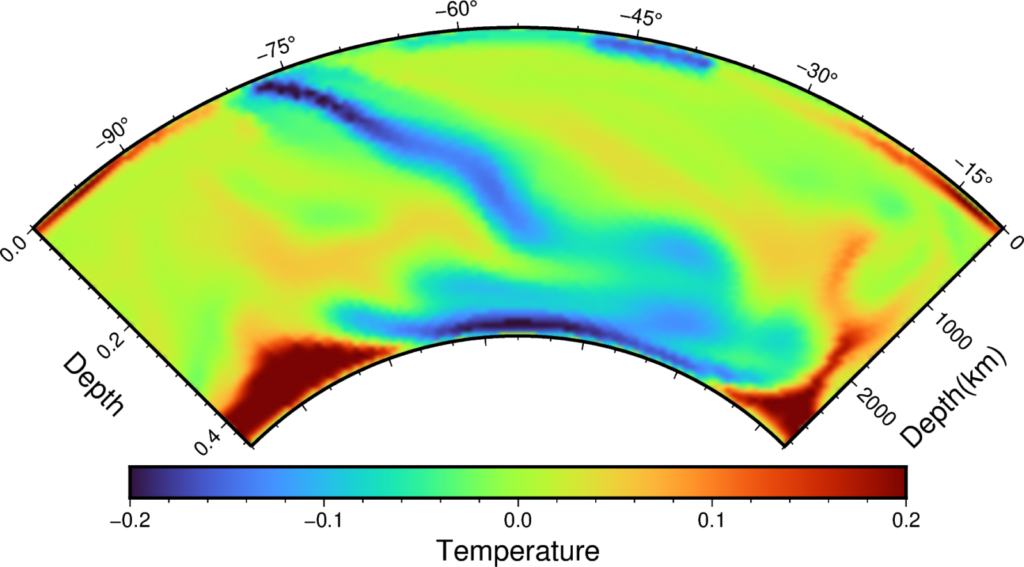
The study of the mantle aids in our understanding of the Earth’s tectonic evolution. In this week’s news and views, honours student Mr. Robert Marks shares his thoughts. Mr. Marks received his Bachelors (Hons) degree from the University of Wollongong under the supervision of Dr Nicolas Flament. The Earth’s mantle is filled with subducted slabs, …[Read More]
Getting to know NH11: Climate Hazards, the new EGU Natural Hazards Sub-Division
Earlier this year, the EGU Natural Hazards Division launched a new sub-division dedicated to climate hazards. In today’s interview, Dr Steven Hardiman, a Senior Research Scientist at the Met Office (UK) and the Science Officer of this new sub-division, will share some insights about NH11 and its future development. Hi Steve, and congratulations on …[Read More]
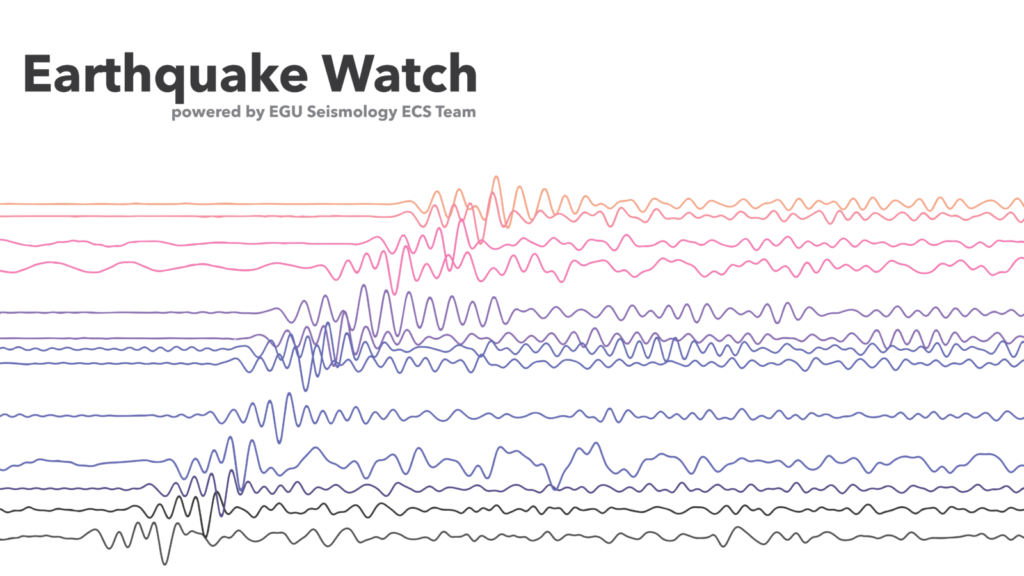
Earthquake Watch: The Coalcomán, Mexico – September, 2022
Dr. F. Ramón Zúñiga, from the Centro de Geociencias, Universidad Nacional Autónoma de Mexico, outlines the 19 September 2022 Mw7.7 Coalcomán, Mexico earthquake for the last Earthquake Watch of the year. On September 19th, barely one hour after the national drill commemorating the damaging earthquakes of September 19th, in 1985 and 2017, another strong earthquake …[Read More]
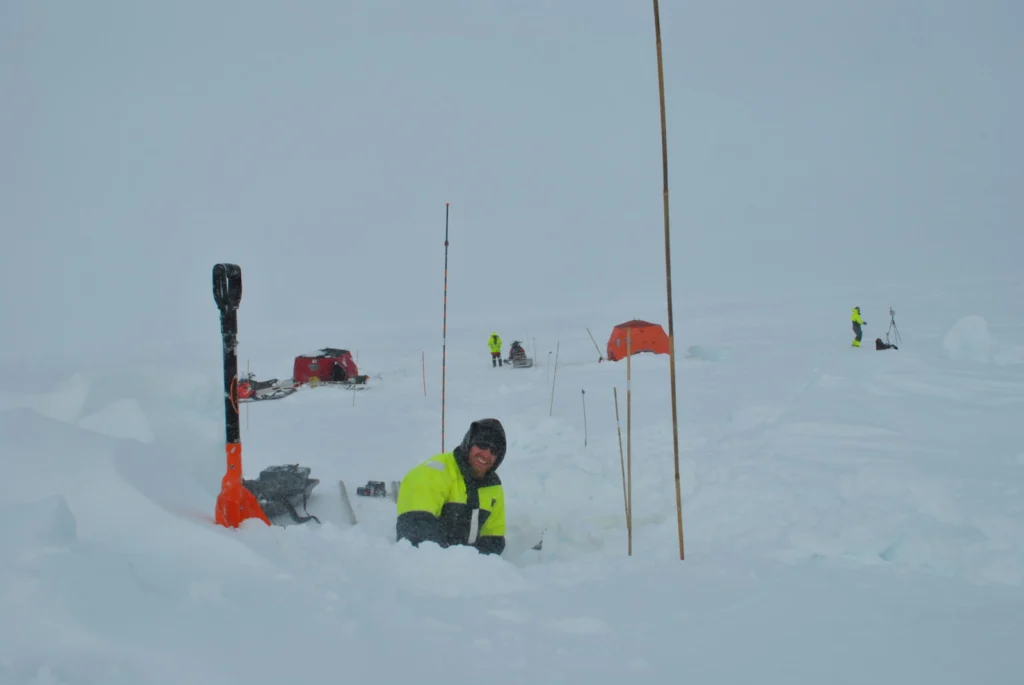
Fun Cryo Facts – Don’t eat brown snow
Scientist are curious people and we all know that the best discoveries happen by chance, so we always keep our eyes open for the unusual, the new, and the weird things in life. Especially, when we are out in the Arctic doing field work and find unknown brown layers… An unexpected discovery We were out …[Read More]
The Sassy Scientist – Rolling The Dice
The amount of work required to apply for grants and jobs in academia seems unnecessarily endless. Both for permanent and (even worse) short-term positions one needs to prepare a bunch of hogwash that really makes you wonder: does anybody have the time to actually read this? Out in the real world, a CV and a …[Read More]
“State of the ECS”: The 2022 Review
Hello everyone, Matthew here! As the end of 2022 draws near, it is time for us in the Seismology Division headquarters to reflect on another of the Earth’s tours around the Sun. Personally, this year has been a real rollercoaster. With everything getting back to some kind of normal, I’d forgotten that there is only …[Read More]
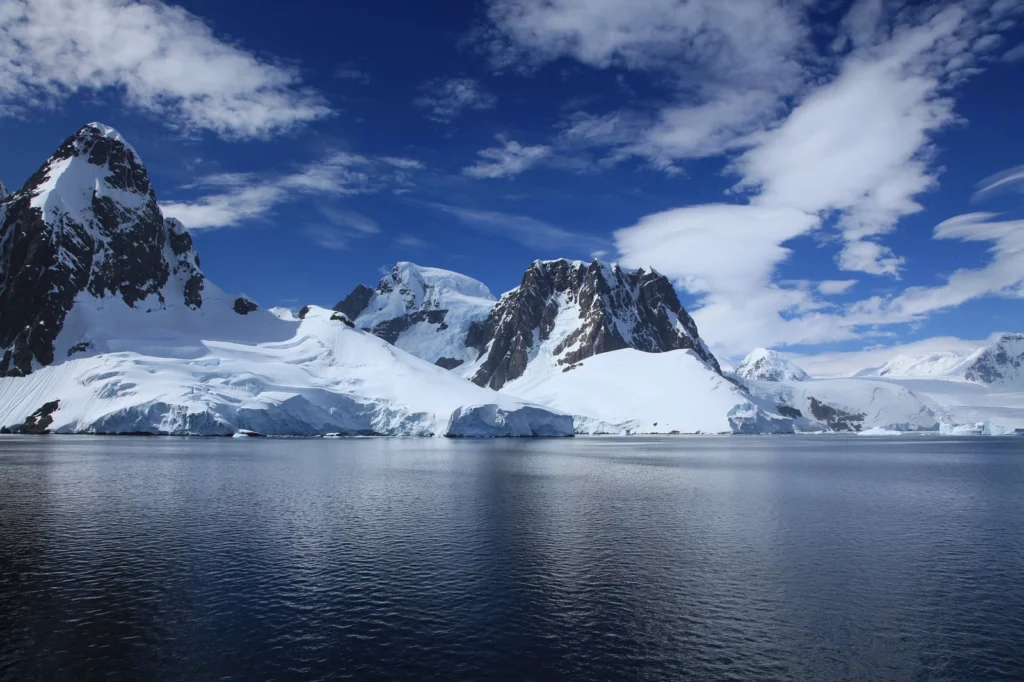
Was Antarctica glaciated during the Mesozoic?
The climate of Earth’s most southerly landmass (i.e., Antarctica) has varied considerably throughout geological time. The Cretaceous (145-66 million years ago – mya) is widely considered to have been a greenhouse Earth with warmer (or at least warmish) temperatures, globally. Although, there is no direct evidence for pre-Eocene ice sheets in Antarctica, some geological and …[Read More]