EGU Blogs

Division blogs

NP
Nonlinear Processes in Geosciences

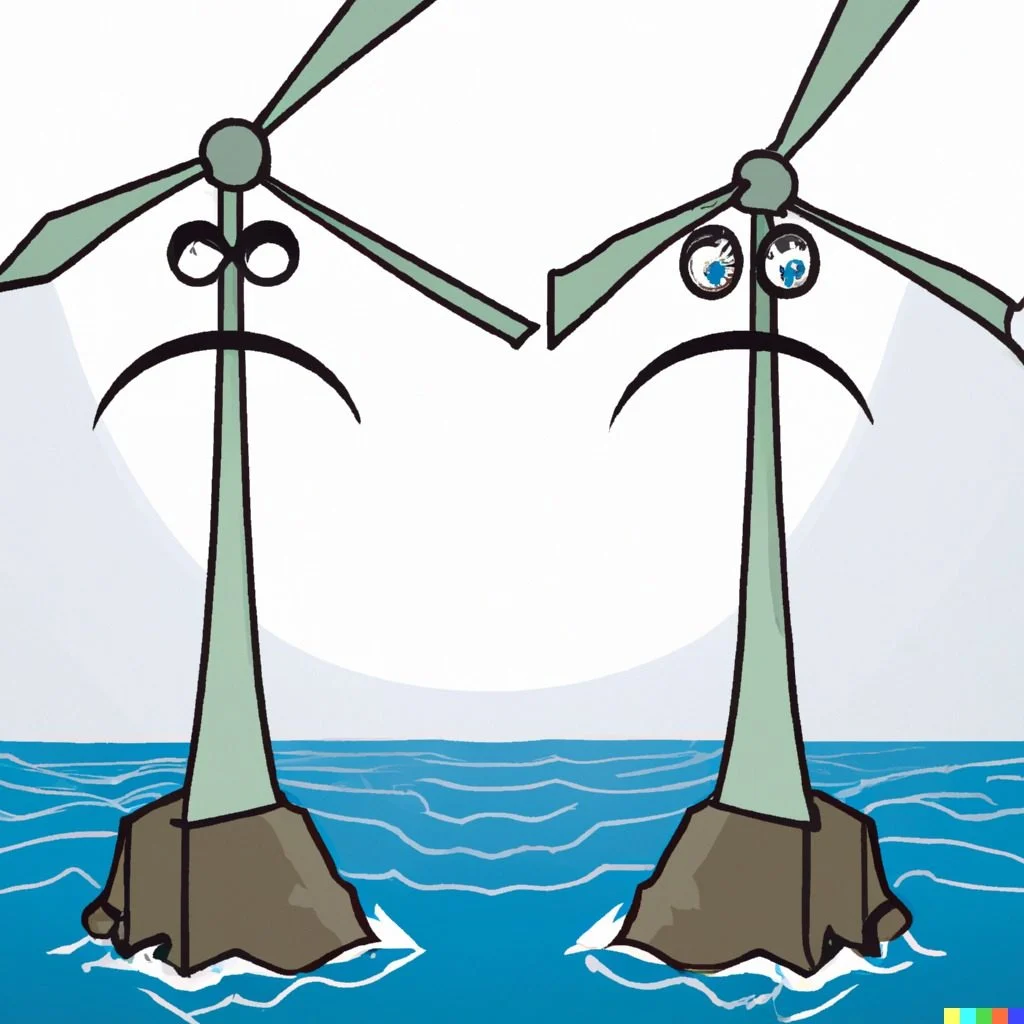
NPG Paper of the Month: “Brief communication: Climate science as a social process – history, climatic determinism, Mertonian norms and post-normality”

The NPG paper of the month for January 2023 was awarded to “Brief communication: Climate science as a social process – history, climatic determinism, Mertonian norms and post-normality” by Hans von Storch. One could argue that climate science is part of geophysics, or more precisely that part of climate science is part of geophysics. But …[Read More]

HS
Hydrological Sciences

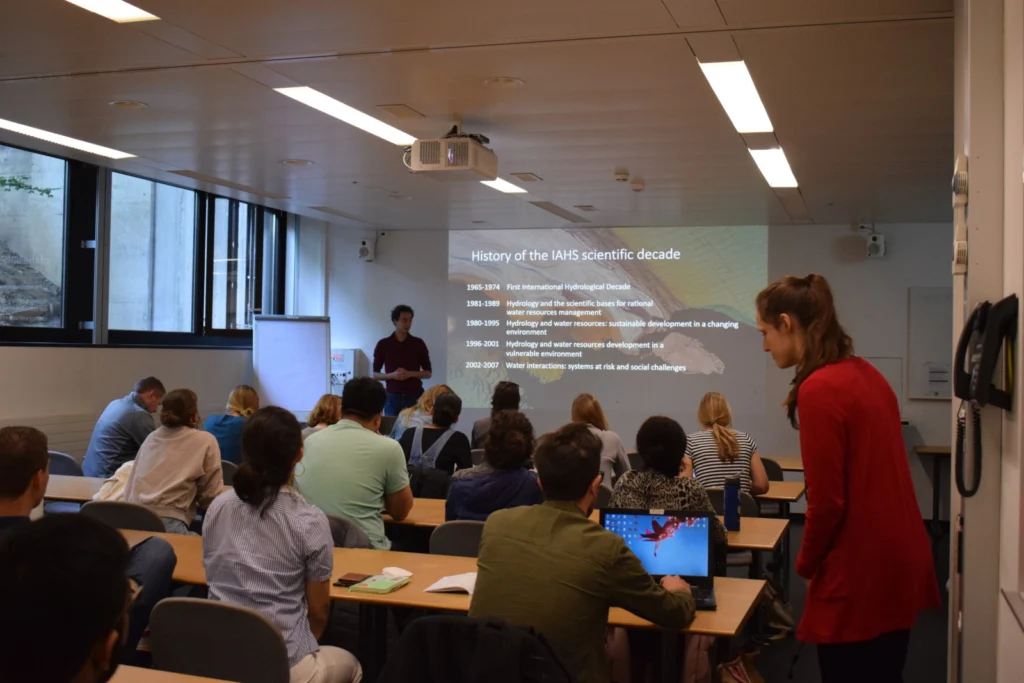
From Physics to Interdisciplinary Climate Science: Interview with Florentine Weber, Early Career Scientist Representative

From Physics to Interdisciplinary Climate Science: Interview with Florentine Weber, Early Career Scientist Representative

Kirsten M Florentine Weber, is the Early Career Scientist (ECS) representative of the Hydrological Sciences division of the EGU. She just finished her PhD and is starting a post-doctoral fellowship in 2023.  As ECS representative, it is her job to help young researchers to navigate the community – to inform them about their opportunities, to …[Read More]

HS
Hydrological Sciences

Call for Applications: Early Career Scientist Representative of the EGU’s Hydrological Sciences Division 

Call for Applications: Early Career Scientist Representative of the EGU’s Hydrological Sciences Division 

Do you want to take on a leading role in the community of young hydrologists across the world? Then apply to become the Early Career Scientist Representative (ECS rep) of the Hydrological Sciences (HS) Division of the European Geosciences Union (EGU)!  You’ll have the chance to shape the academic experience of other young hydrologists, interact …[Read More]

NH
Natural Hazards

Discovering the CoastSnap project – Interview with Dr Mitchell Harley

Discovering the CoastSnap project – Interview with Dr Mitchell Harley

CoastSnap is a global citizen science project aiming at monitoring the changes in our coastlines due to processes such as storms, rising sea levels, and human activities using smartphones. We will discover more about this promising project by chatting today with Dr Mitchell Harley, founder of the CoastSnap program. Mitchell is a Researcher and Senior …[Read More]

SM
Seismology

SENSOR: Fishing geophones from a helicopter in Greenland

SENSOR: Fishing geophones from a helicopter in Greenland

“SENSOR” – stands for Seismological Experiments, Network Systems, Observations and Recovery In this blog series, we share news about recent or upcoming seismic experiments around the globe! And this time we’re checking in with Ana Nap, a PhD student from the University of Zurich, Switzerland, about her work on Greenland’s fastest glacier… Installing instruments on …[Read More]

CR
Cryospheric Sciences

Perspective on Listening to Permafrost

Perspective on Listening to Permafrost

> Reflections from an ongoing art-science research project Common Grounds < How to visualize thousands of thousands (> 20,000,000) of data points collected in the Arctic atmosphere and subsurface at a permafrost observatory over 25 years? How to tell the story of permafrost, ground that is permanently frozen and an important part of the cryosphere, …[Read More]

Geochemistry, Mineralogy, Petrology & Volcanology

Geo-Fantasy – between Fantasy Novel and the Real World

Geo-Fantasy – between Fantasy Novel and the Real World

When reading fantasy novels, we are usually brought to worlds of elves, dragons, and epic battles, all surrounded by breathtaking magical forests, or castles above impervious cliffs. However, even fantasy stories take inspiration from the real world and its geology. Who does not remember the ascent of Mount Doom of Frodo and Sam, or the …[Read More]

G
Geodesy

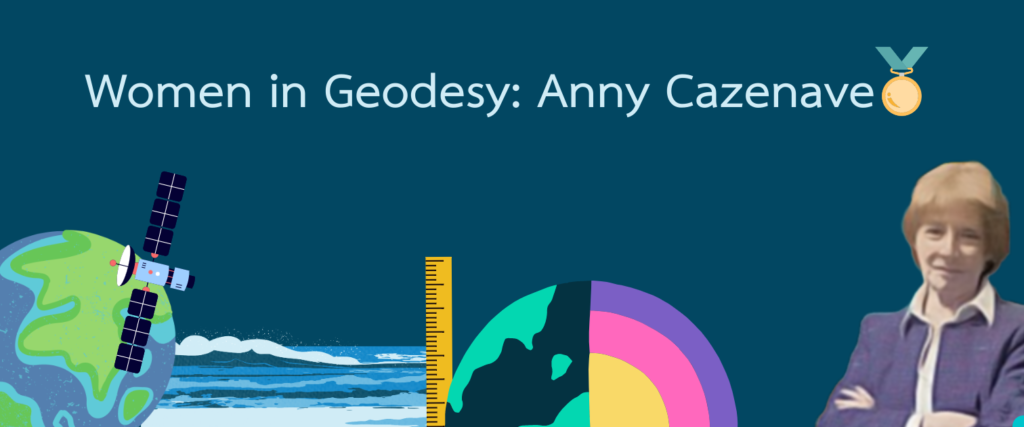
Women in the History of Geodesy

Women in the History of Geodesy

When we look at the history of science, we mostly see male presence in inventions and discoveries. However, this is not actually a true representation of scientific history. A lot of fundamental aspects/parts of science were discovered by female scientists such as Caroline Herschel, Ada Lovelace, Alice Ball, Marie Curie, Chien-Shiung Wu, Grace Hopper and …[Read More]