Tinted detail of a photo: Huge breaking wave with spray streaming back from its crest in front of dark cliffs topped by a house and telegraph poles, under a gloomy sky.
OS
Ocean Sciences

dataset

A guide to open hydrographic data in the Southern Ocean: seals, floats and ships
A guide to open hydrographic data in the Southern Ocean: seals, floats and ships
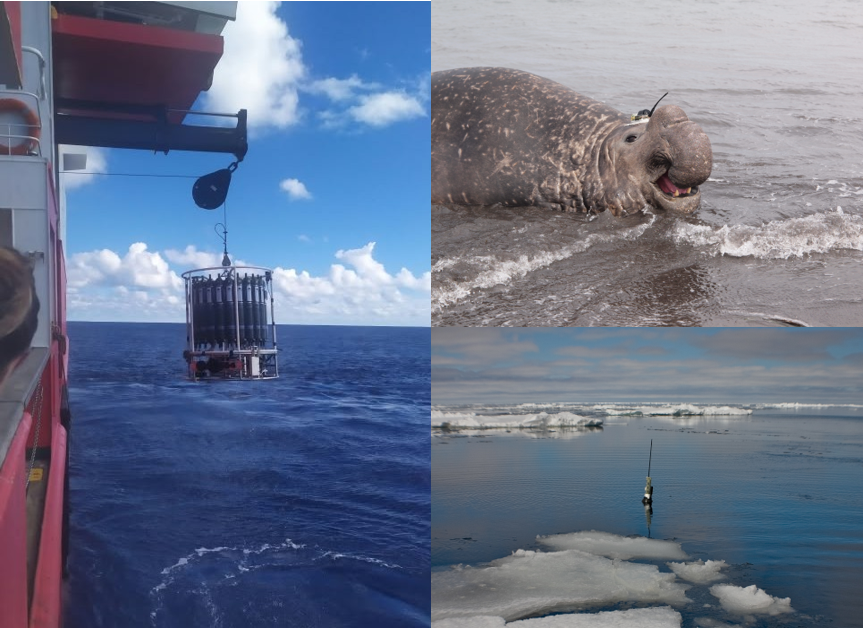
How do you study an ocean that is difficult to reach, frequently covered by sea ice, and far from most research institutions? Collecting observations is one challenge. Finding the measurements that already exist can be another. Temperature and salinity profiles reveal how seawater properties change with depth, helping oceanographers identify water masses and investigate the …[Read More]

A synergy of observations: Filling the gaps in an ocean colour chlorophyll-a record

A synergy of observations: Filling the gaps in an ocean colour chlorophyll-a record

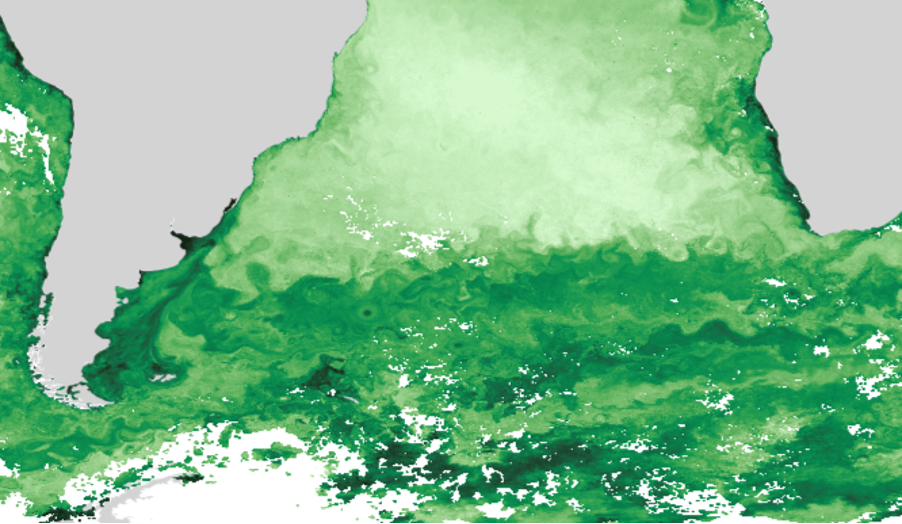
Chlorophyll-a (chl-a), as the dominant photosynthetic pigment within phytoplankton, provides an indication of the phytoplankton biomass and are essential for understanding global and regional changes in primary production in the oceans. Multiple ocean colour satellites have unlocked routine synoptical scale observations of chl-a which now extends from 1997 to the present day. Differing numbers of …[Read More]

Monitoring the Ocean’s Green Pulse: A New Global Dataset for Phytoplankton Phenology

Monitoring the Ocean’s Green Pulse: A New Global Dataset for Phytoplankton Phenology

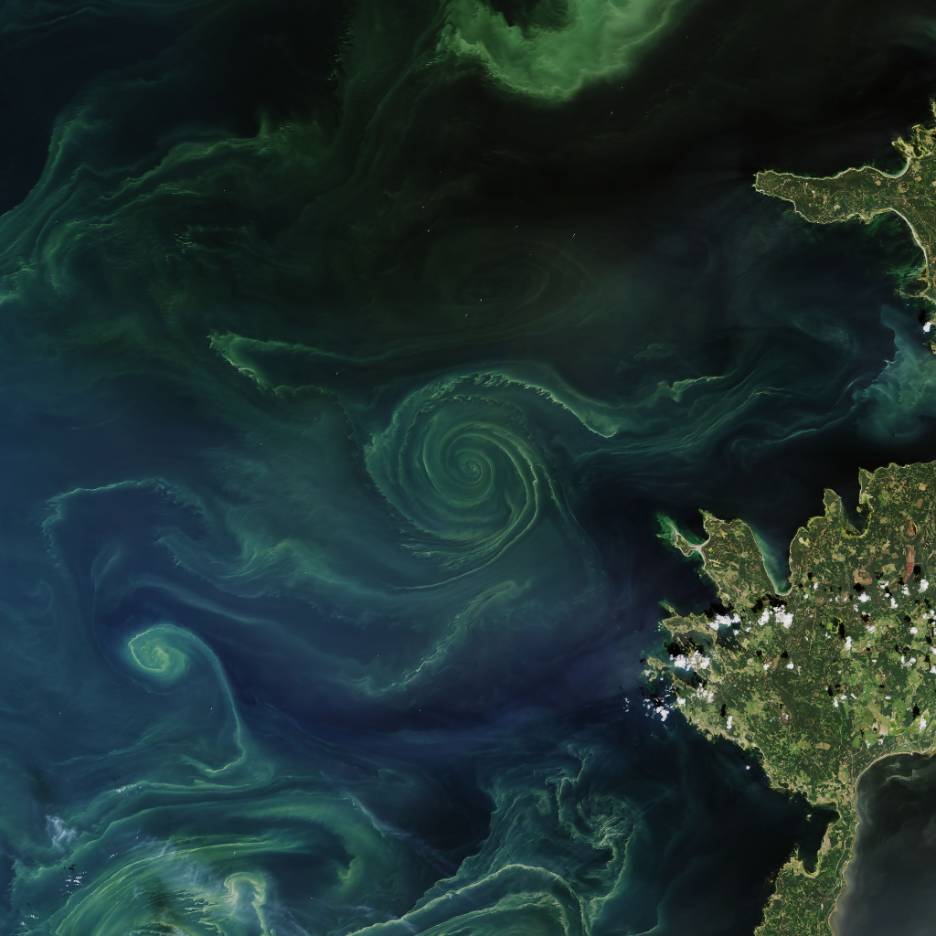
Phytoplankton are tiny, single-celled organisms mainly found in the ocean’s sunlit surface, where they grow through photosynthesis, forming the marine food web’s base and regulating Earth’s climate by absorbing carbon dioxide. Their seasonal growth cycles—known as “blooms”—drive marine productivity and influence everything from carbon uptake to food security. But how can we track these blooms …[Read More]