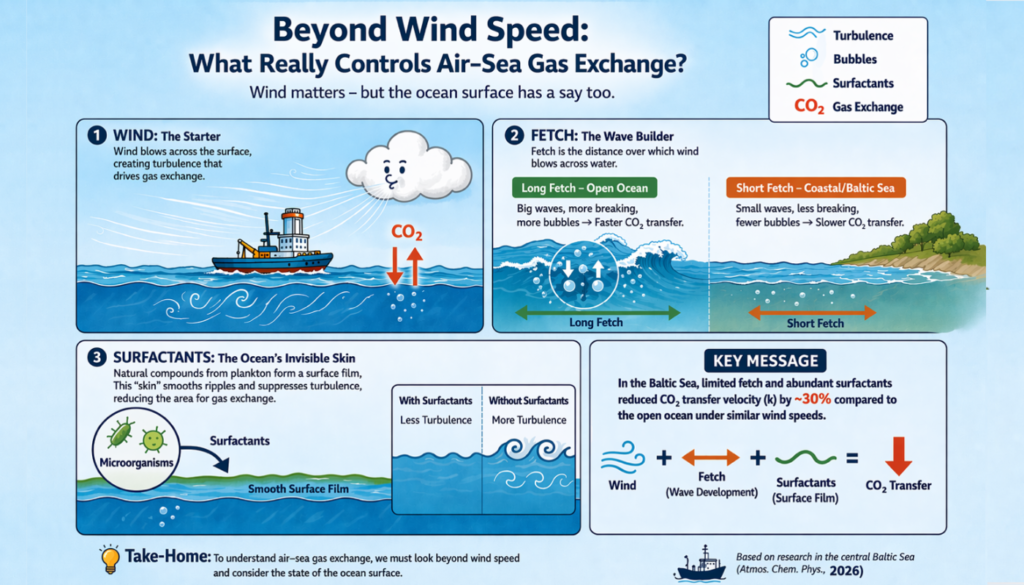
When we think about what drives air-sea gas exchange (such as CO2), wind usually gets all the credit. Strong winds stir the surface, enhance turbulence, and speed up gas transfer. But a new study in Atmospheric Chemistry and Physics shows there is more to the story: CO2 exchange does not just follow the wind, it is also directly affected by surface conditions (Fig. 1). Using the eddy covariance te ...[Read More]
Ocean Sciences
New Unified Interface for Existing Ocean Carbonate Chemistry Data Products
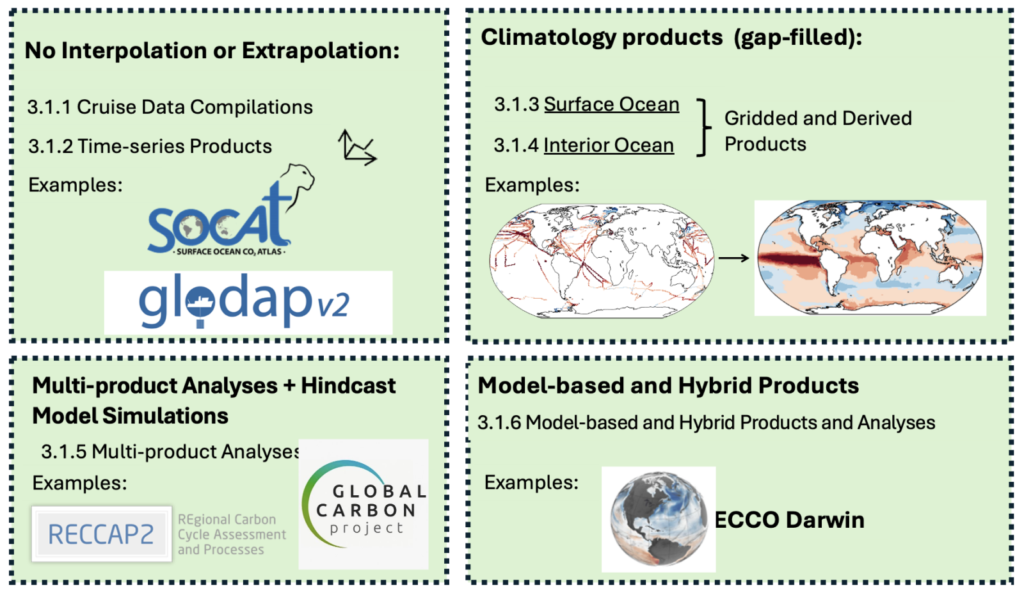
Here is a great resource for anyone working on ocean carbon: Jiang et al. (2026) compiled a comprehensive synthesis of data products for ocean carbonate chemistry — all in one place for you! The paper provides a comprehensive synthesis of 68 existing ocean carbonate chemistry data products and data product sets, including: 🛳️ Cruise-based Compilations 📈 Time-series Datasets 🗂️ Gap-filled Observati ...[Read More]
How atmospheric circulation patterns high above the Southern Ocean influence the deepest layers of the global ocean
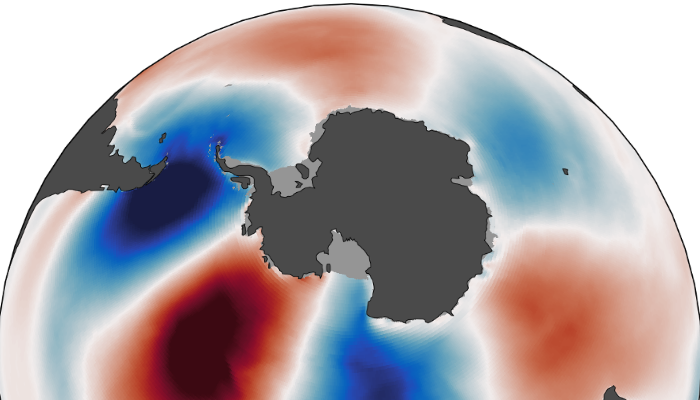
The ocean surrounding Antarctica plays a crucial role in the climate system. Along parts of the Antarctic coast, very cold and salty water becomes dense enough to sink all the way to the ocean floor. This process forms Antarctic Bottom Water: the deepest water mass in the global ocean, representing about 40% of its total volume. As this dense water sinks into the abyss, it helps trap heat and carb ...[Read More]
A synergy of observations: Filling the gaps in an ocean colour chlorophyll-a record
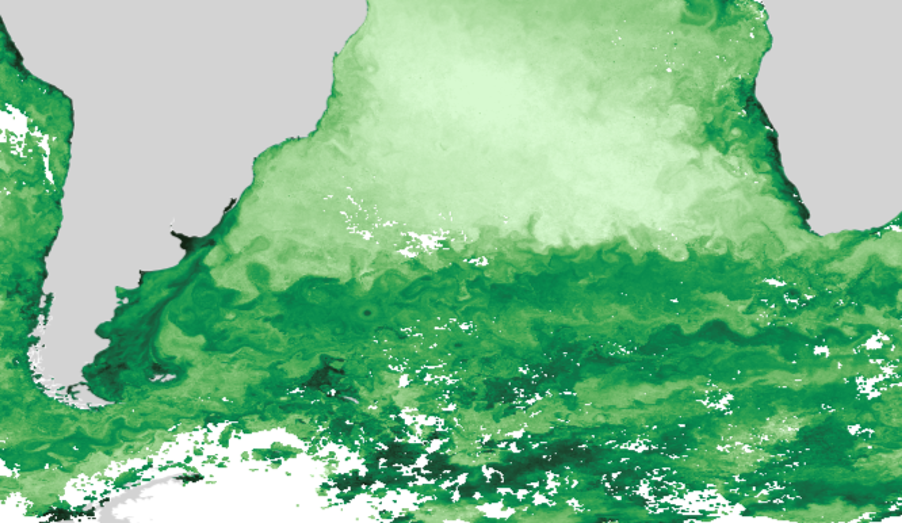
Chlorophyll-a (chl-a), as the dominant photosynthetic pigment within phytoplankton, provides an indication of the phytoplankton biomass and are essential for understanding global and regional changes in primary production in the oceans. Multiple ocean colour satellites have unlocked routine synoptical scale observations of chl-a which now extends from 1997 to the present day. Differing numbers of ...[Read More]
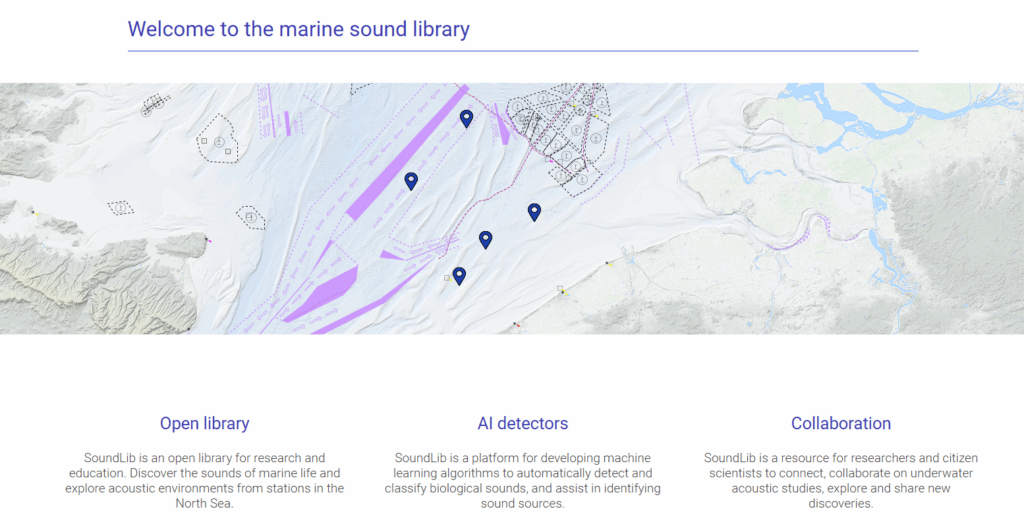
From Signals to the Sea: Building an AI Sound Library for the Ocean
We chatted with Bram Cuyx, an underwater acoustics AI research engineer at the Flanders Marine Institute (VLIZ) in Belgium, about his unique path from engineering into marine science. In this interview, he shares how he made the leap from signal processing in electronics to listening to the soundscape of the North Sea, what it’s like to build a sound library for AI, and why acoustics might b ...[Read More]
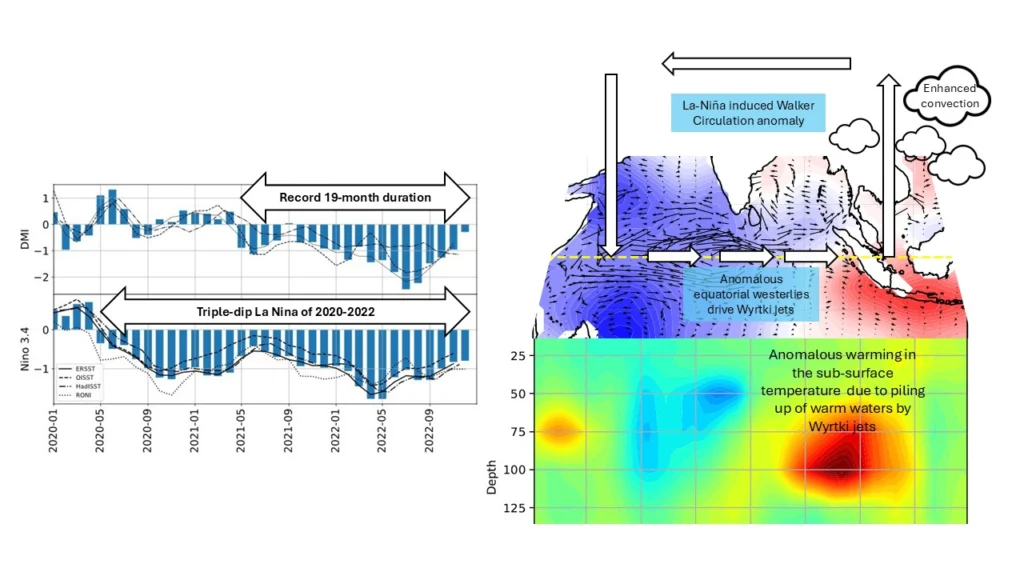
A Record-Breaking Indian Ocean Dipole: What Happened in 2021–2022?
The Indian Ocean Dipole (IOD) is generally considered a seasonal mode of variability, developing and decaying within a single year. During 2021–2022, however, negative IOD conditions persisted for approximately 19 months (Figure 1, top left), making this event the longest—and among the strongest—observed since reliable records began. This unusual persistence highlights important aspects of ocean–a ...[Read More]
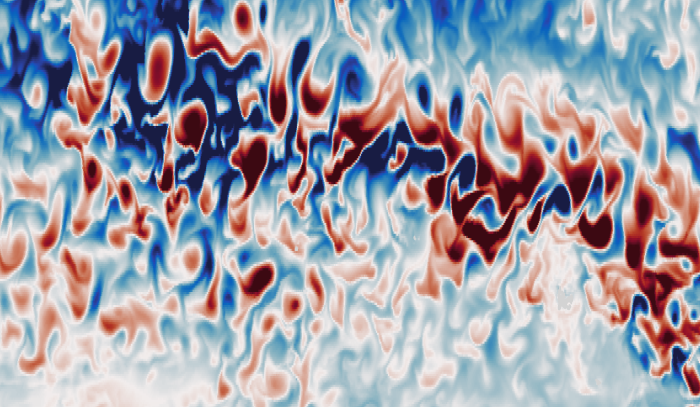
How do mesoscale eddies modulate CO2 fluxes in the Southern Ocean?
Mesoscale eddies and Southern Ocean carbon sink The Southern Ocean takes up more than a quarter of the anthropogenic CO₂. Its powerful westerly winds, deep overturning circulation, and intense mixing make it a major player in Earth’s climate system. But beneath this large-scale picture lies a world of swirling, dynamic structures that constantly reshape the ocean’s physical and biogeochemical prop ...[Read More]
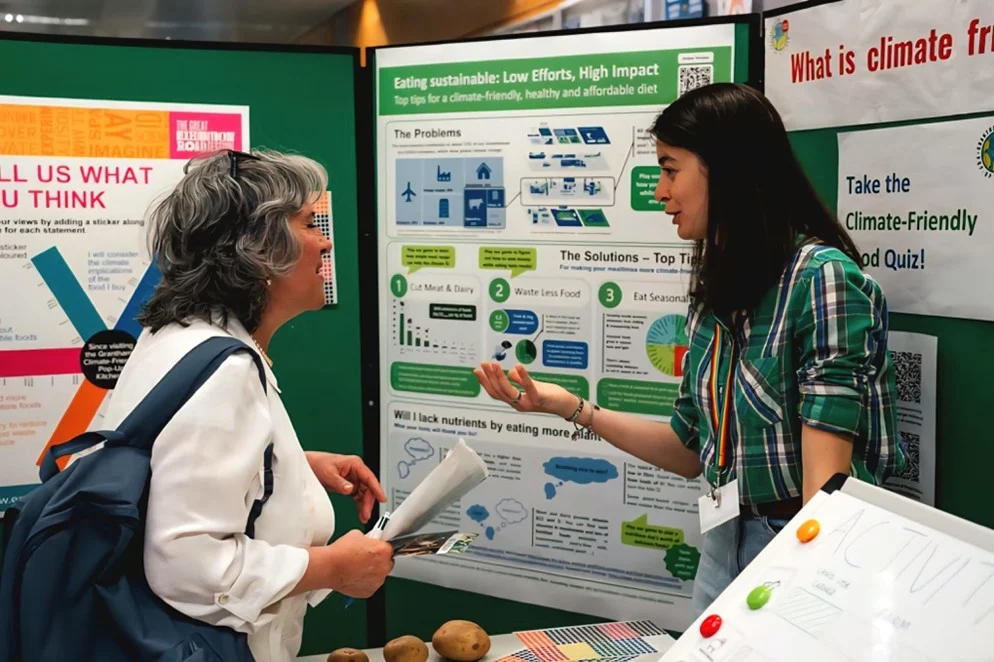
Meet Arianna, the New Voice as ECS OS Representative!
Meet the new Early Career Scientist (ECS) Representative for the Ocean Sciences (OS) division: Arianna Olivelli! In this role, she is dedicated to connecting, supporting, and advocating for early career ocean researchers across Europe and beyond. We sat down with Arianna to hear about her journey, her vision for the OS ECS community, and how she is empowering the next generation of ocean scientist ...[Read More]
A model to trace methane from the seafloor to the atmosphere
When people picture gas leaking from the seafloor, they often imagine plumes of bubbles that make up a direct path from the seabed to the sky. The reality, however, is far more complex and far more interesting. Between the seafloor and the atmosphere lies an entire ocean of physics, chemistry, and biology that controls the fate of the released gas. In fact, typically, most methane is dissolved int ...[Read More]
Call for input: A Fisherman’s Guide to Marine Carbon Dioxide Removal
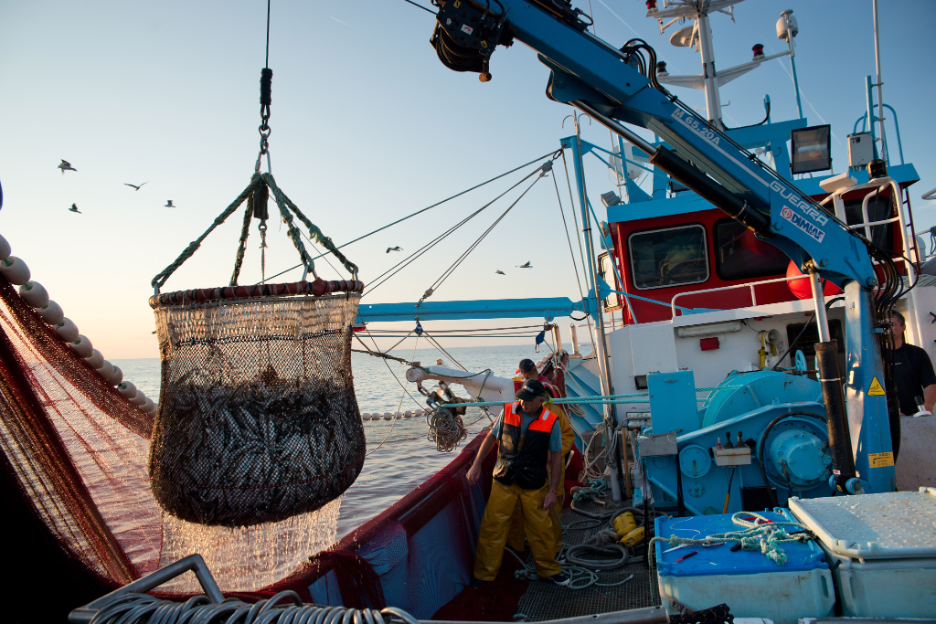
As climate change continues to reshape our oceans, science communication remains vital to the research and development of mitigation strategies. For scientists and engineers working on climate solutions, much of the conversation happens through technical papers, conference presentations, and policy memos. But invested communities outside these circles may have little access and limited time to con ...[Read More]