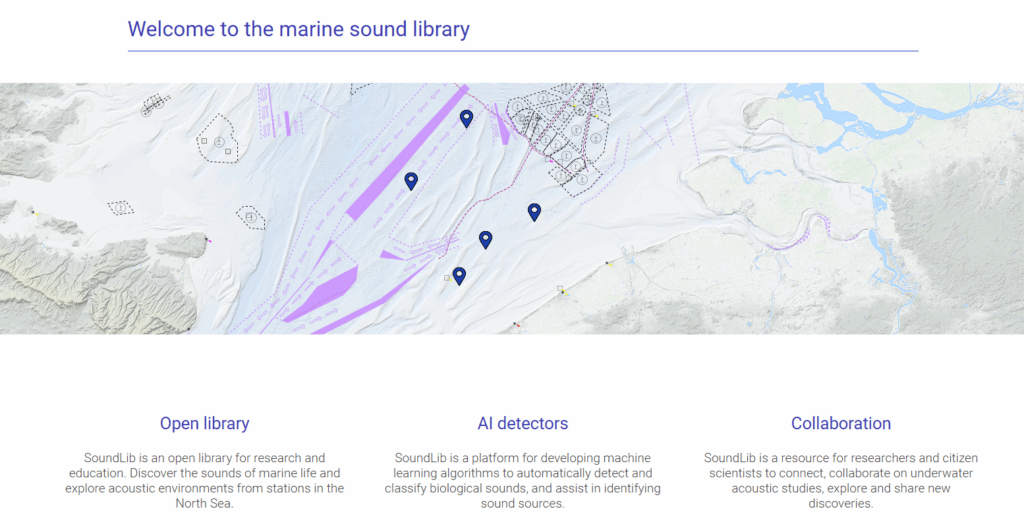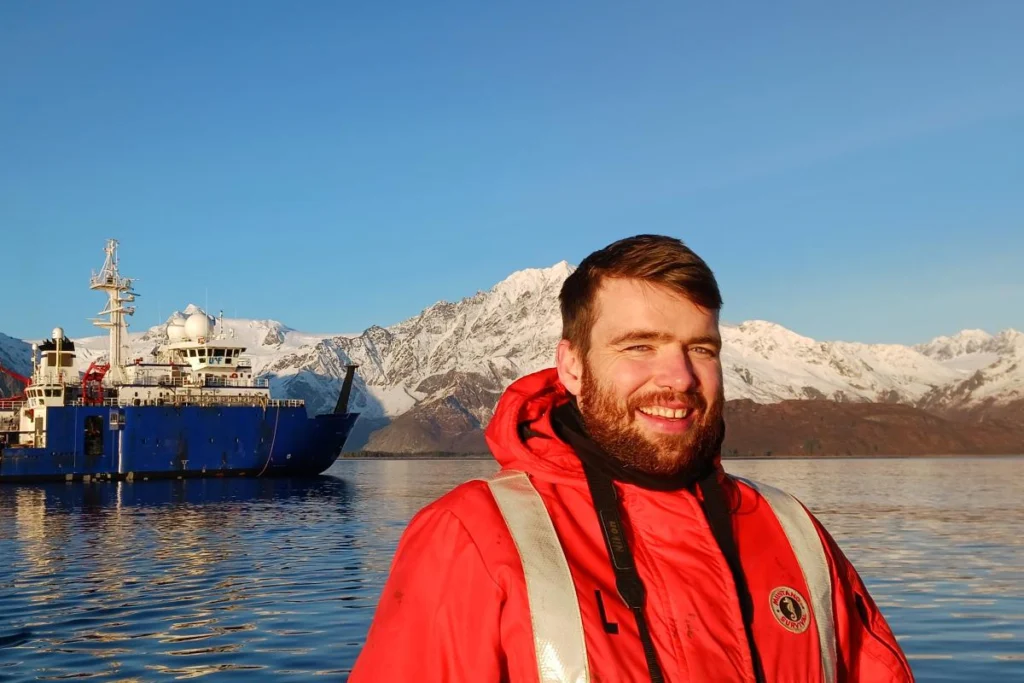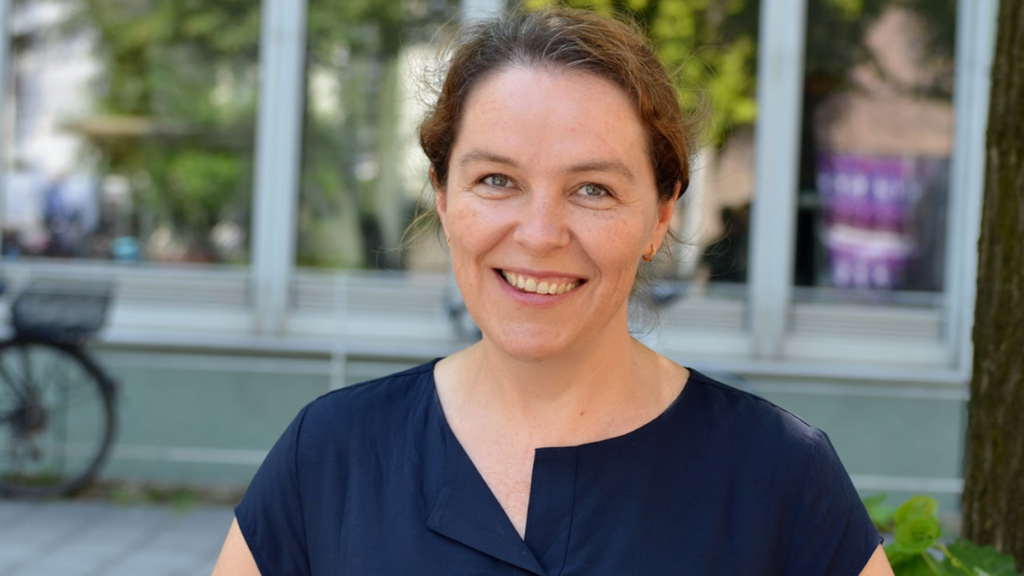
We chatted with Bram Cuyx, an underwater acoustics AI research engineer at the Flanders Marine Institute (VLIZ) in Belgium, about his unique path from engineering into marine science. In this interview, he shares how he made the leap from signal processing in electronics to listening to the soundscape of the North Sea, what it’s like to build a sound library for AI, and why acoustics might b ...[Read More]
Beyond Ocean
Call for input: A Fisherman’s Guide to Marine Carbon Dioxide Removal
As climate change continues to reshape our oceans, science communication remains vital to the research and development of mitigation strategies. For scientists and engineers working on climate solutions, much of the conversation happens through technical papers, conference presentations, and policy memos. But invested communities outside these circles may have little access and limited time to con ...[Read More]
The Untapped Potential of Citizen Science Onboard Expedition Cruise Vessels
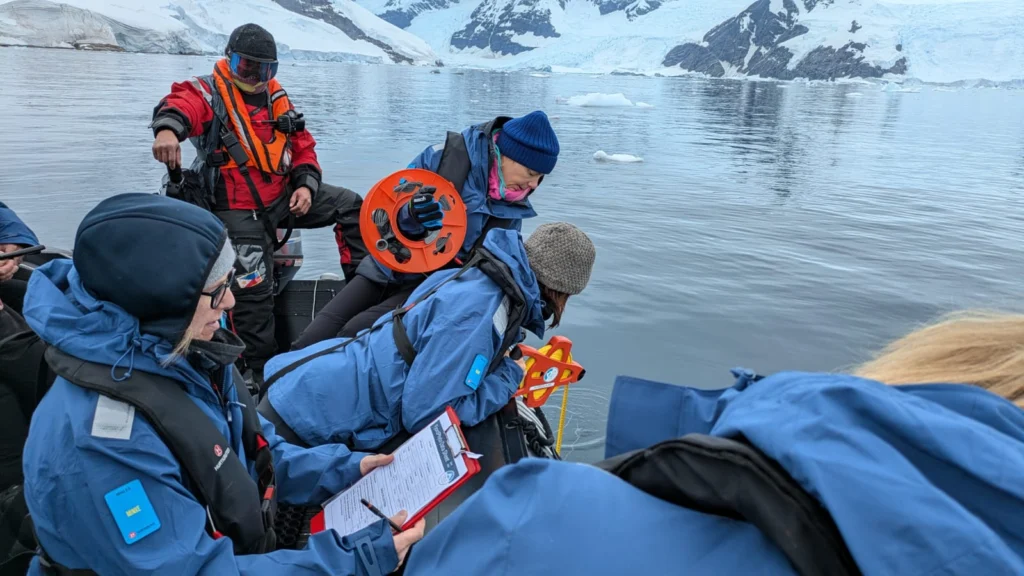
Scientific work can be done not only by professional scientists but also by the general public, often in collaboration with scientific institutions. At HX Expeditions, citizens have the opportunity to contribute to scientific projects on expedition cruises. Join us as we hear from Holly Stainton, the Science & Education Coordinator at MS Roald Amundsen and HX Expeditions, about her experiences ...[Read More]
Jens Terhaar Receives the Division Outstanding Early Career Scientist Award – About His Career and Work
Jens Terhaar received the 2025 Division Outstanding Early Career Scientist Award for his research on the ocean carbon cycle and its effects on climate. We spoke with him about his career path and the work that led to this award. Since completing his PhD in 2019, Jens has made a name for himself with many publications and outreach efforts. His work is about the ocean carbon sink, ocean biogeochemic ...[Read More]
Tatiana Ilyina Receives the Fridtjof Nansen Medal – About Her Career and Work
Tatiana Ilyina received the Fridtjof Nansen Medal from the European Geosciences Union (EGU) for her outstanding research in oceanography. We spoke with her about her career path and the work that led to this award. Here’s what you should know about her. Tatiana Ilyina studied Meteorology/Oceanography during her PhD at the University of Hamburg, continued as a postdoc at the University of Haw ...[Read More]
From Academic Research to Start-Up: A Marine Biologist’s Algae Farming Vision
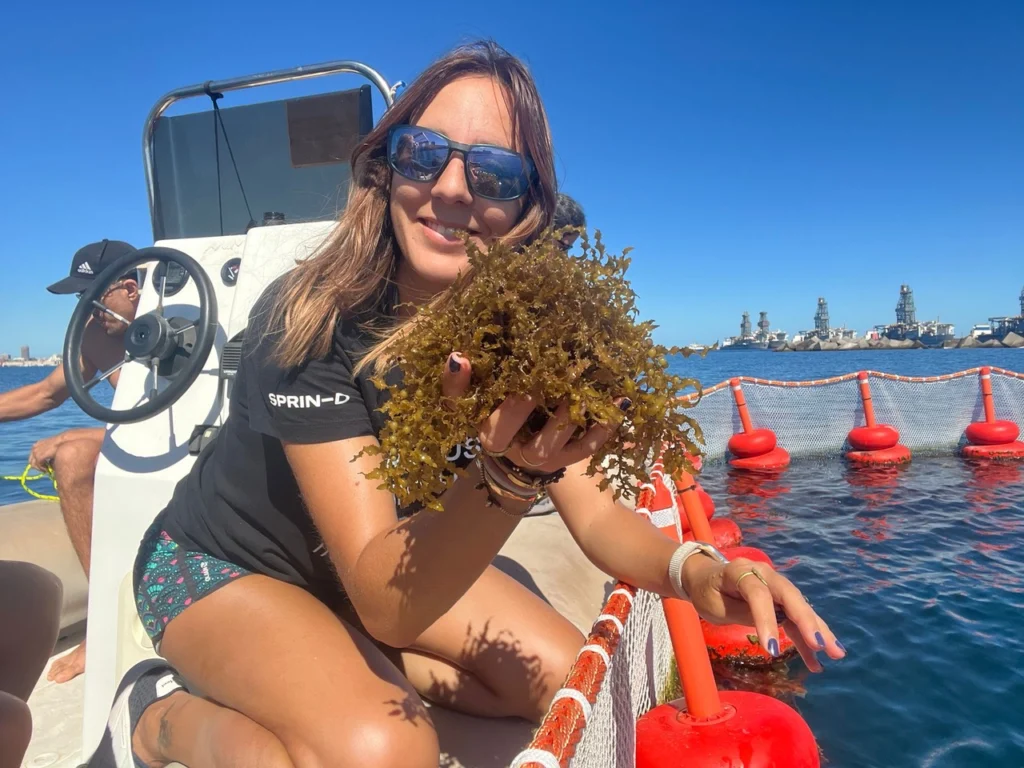
We chatted with a marine biologist about her exciting journey from academia to becoming an entrepreneur. Discover how her algae farm start-up came to life, learn about the concept, achievements, and challenges she faced, future plans, and finally her advice as well as her take on the importance of bridging the two worlds of academia and industry. Dr. Mar Fernández-Méndez is a marine biologist ded ...[Read More]
Embark on an Auditory Scientific Adventure to the South Pole!
Alongside SUNNA, an oceanographic robot as daring as it is curious, you will dive into a frozen and hostile environment to uncover its secrets. Over the course of seven episodes, our hero will gather invaluable scientific data to better understand the workings of the ocean, meeting the familiar inhabitants of this environment along the way. The Southern Ocean and Argo Profiling Float ...[Read More]
A modern take on the 19th-century scientific expeditions: cruise MSM104/1
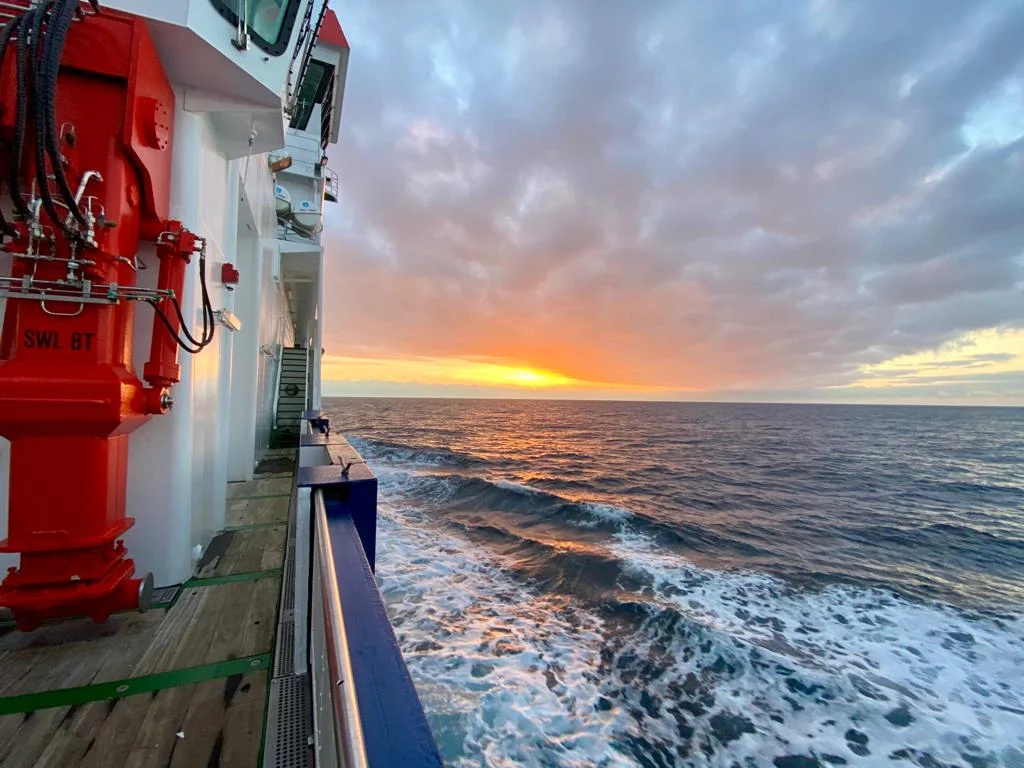
“Every ship that navigates the high seas, with these charts and blank abstract logs on board, may henceforth be regarded as a floating observatory, a temple of science.” Matthew Fontaine Maury This is a joint post, published together with the climate sciences division blog and the ocean sciences division blog. The ocean has always been important for humanity, with trade and war being just two exam ...[Read More]
The fragile connection of the Ocean and the Cryosphere – a story from the past
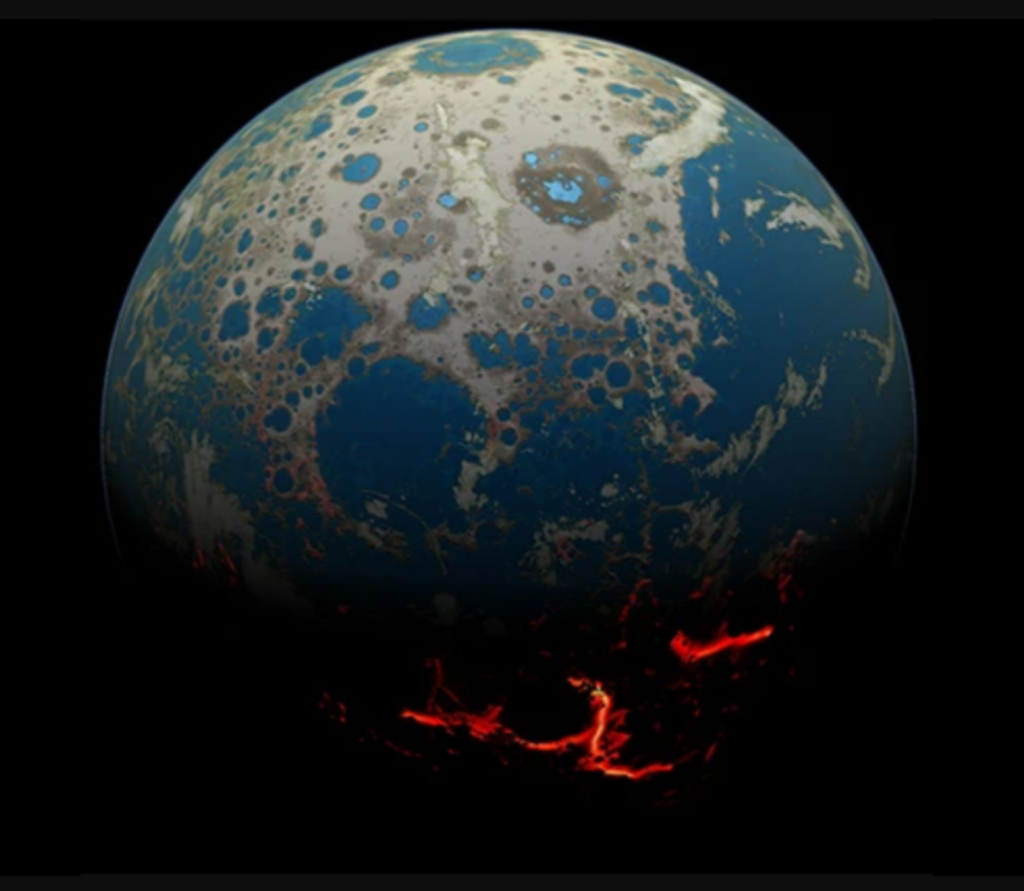
Compared to the formation and evolution of the Earth’s surface, the ancient oceans receive little attention in geological history. However, understanding the rise and fall of the oceans of the past—or “ghost oceans”—can reveal crucial information about the evolution of our planet, the cryosphere included. Can oceans play a historical role in climate change? If water bodies had not existed, would w ...[Read More]
Connecting the Networks for a better Understanding of the Ocean
Research in many scientific disciplines can be done singlehandedly by learning from the printed pages, solving complex equations and analyzing the data while sitting alone in an office. But observational ocean science research demands an involved team effort to get meaningful insights of the ocean. This is primarily because: The Ocean is vast – it is humanly impossible for anyone to conduct resear ...[Read More]