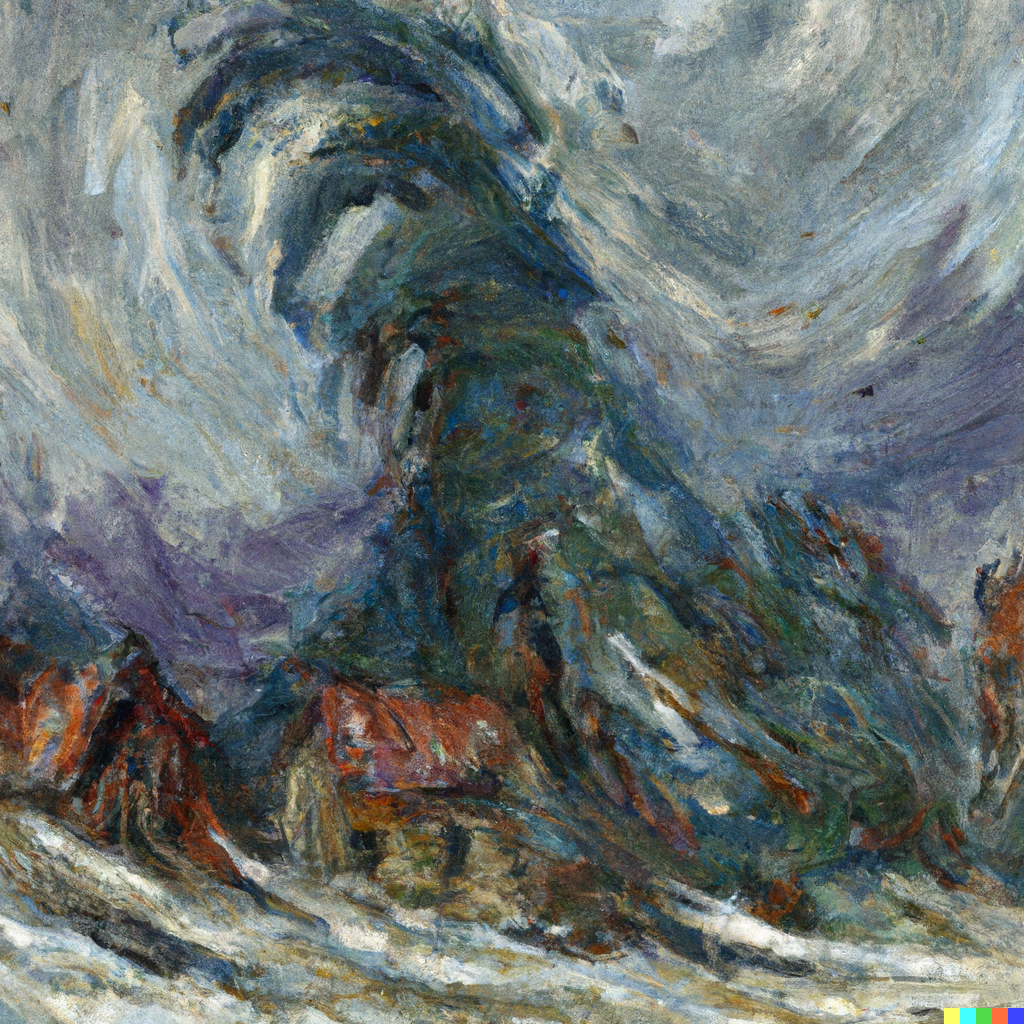
Extratropical cyclones play a key role in modulating the precipitation and wind in mid-latitudes and can be responsible for extreme wet and windy events. With global warming, the dynamics and thermodynamics associated with these atmospheric systems are being affected. However, due to the complexity of modelling the climate system, a challenge arises when evaluating the influence that climate chang ...[Read More]
XAIDA
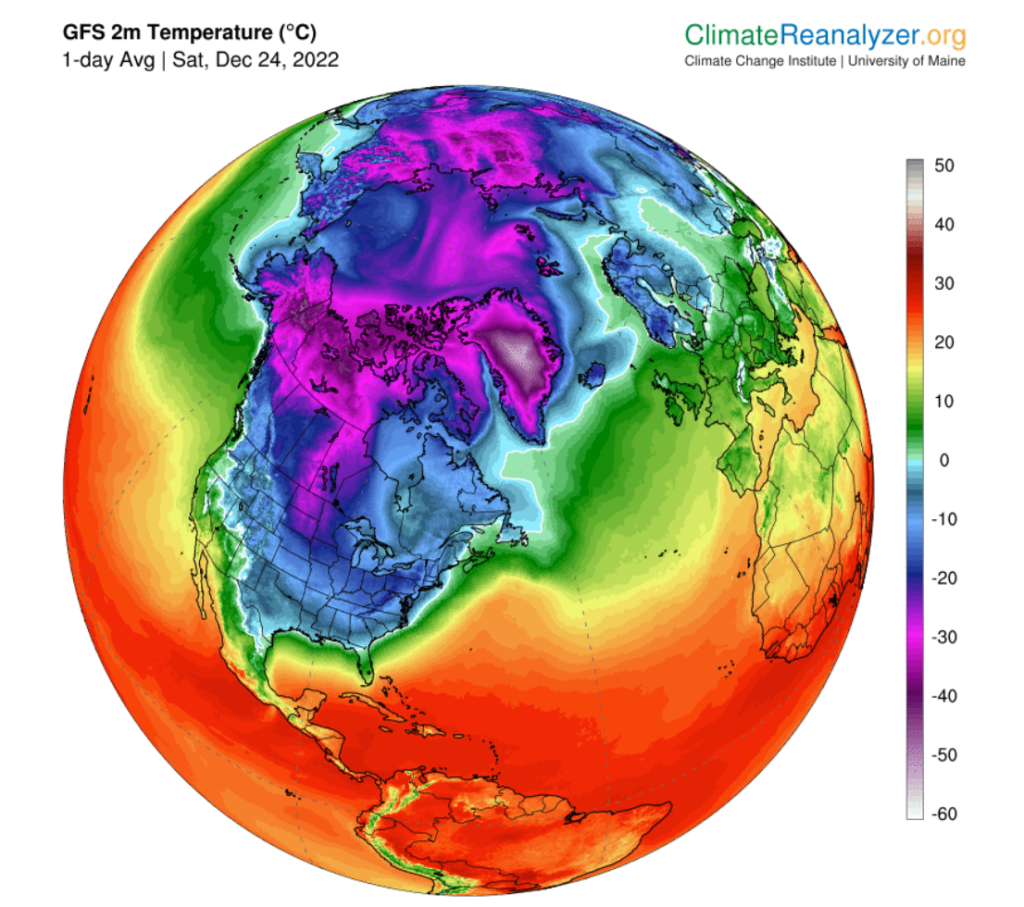
The Great Cold Debate: Is Climate Change to Blame for Extreme Cold Spells?
In December 2022, the United States experienced a severe cold spell, with record-low temperatures being recorded in many parts of the country. While it is natural for cold spells to occur, the question has arisen as to whether climate change is playing a role in the intensity and frequency of these events. There is ongoing debate among scientists about the relationship between climate change and ...[Read More]
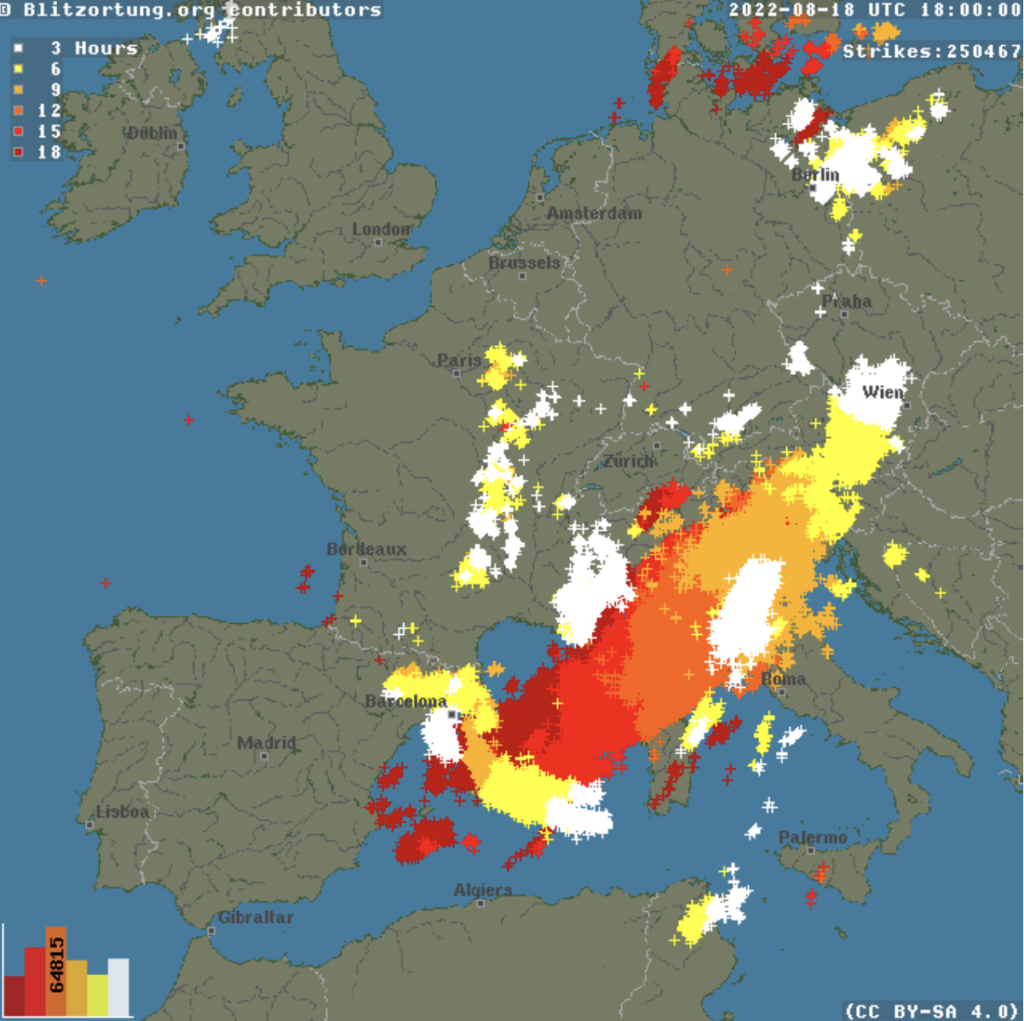
What the 2022 summer thunderstorms in the Mediterranean tell us about the ongoing climate change?
The 2022 European summer was governed by the presence of a persistent cold drop (low pressure area) located between Portugal and France. The change in its position has determined the alternation between hot conditions (low pressure center over Portugal) and stormy conditions (cold drop over France). The warming of the Mediterranean Sea (up to +6°C compared to the period 1990-2020) has largely cont ...[Read More]
NP Interviews: Davide Faranda (CNRS) on the topic “global warming and extreme events in Europe”
Davide Faranda is a physicist at the French National Center for Scientific Research (CNRS). His main interests are devoted to the construction of a statistical mechanical and dynamical systems framework for the study of atmospheric motions. In particular, his works aim at the characterization of the metastable states of the atmospheric circulation with simple mathematical and statistical tools, an ...[Read More]
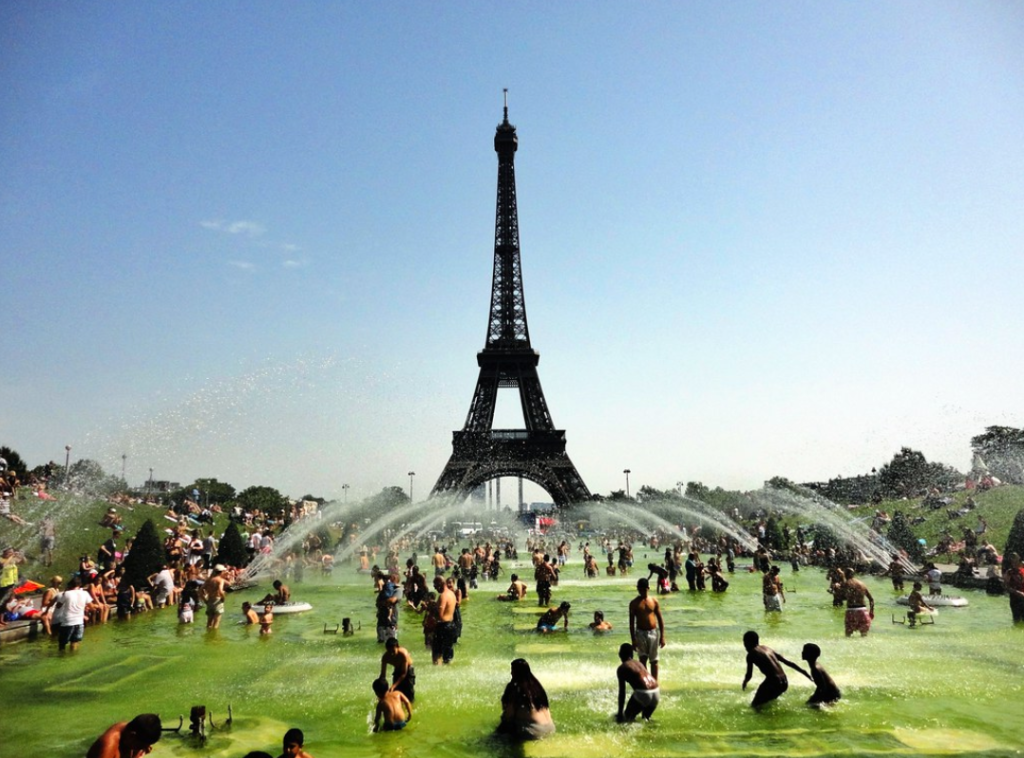
A few reasons making the June 2022 French Heatwave too hot & too soon
Too hot, Too soon: the thermometer has reached unprecedented temperature for a month of June in France, with the 40°C mark crossed by Friday June 17 in part of France. The IPCC AR6 report now clearly states that the probability of heatwave events such as this one has increased by a factor 3 to 5 in the present climate with respect to a counterfactual world not affected by anthropogenic greenhouse ...[Read More]
When weather extremes meet climate change: how do scientists attribute single events to climate change?
One of the main new points of the IPCC reports AR6 with respect to the previous ones is the increased confidence that global climate change induced by anthropogenic emissions is critically affecting the dynamics of weather extremes. For summer, and specifically over Europe, the AR6 report states that we are already observing prolonged periods of extremely warm conditions with increased droughts bo ...[Read More]