NP
Nonlinear Processes in Geosciences

Extreme events

When carbon emissions break nature: icebergs and their feedback to climate change
When carbon emissions break nature: icebergs and their feedback to climate change
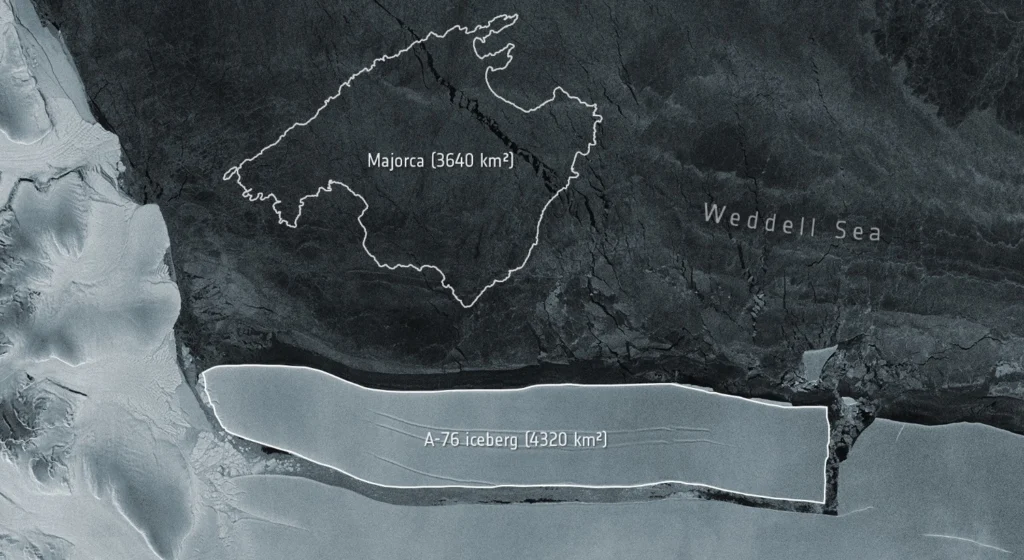
The largest iceberg in the world, named A-76, about 170 km long and 25 km wide, is drifting away from the Ronne pack ice in Antarctica. A76, originally spotted by the British Antarctic Survey (BAS), a British polar research organization with a base nearby, will wander and melt in the Weddell Sea, according to a statement released Wednesday, May 20, by the European Space Agency. Several studies are ...[Read More]

Four reasons for still observing cold spells despite the undeniable global climate change

Four reasons for still observing cold spells despite the undeniable global climate change

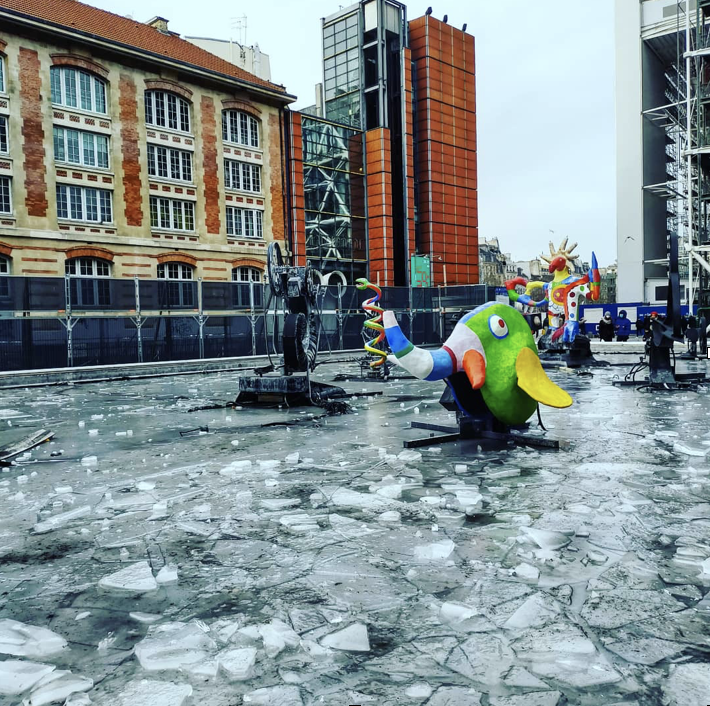
The winter of 2020-2021 has been characterized by various cold waves affecting – at different times – Western and Eastern Europe and North America.  The most striking pictures show Madrid covered by up to 40 cm of fresh snow, frozen Thames near London and Canal St Martin in Paris, heavy snow in Amsterdam and even on the Eolian Islands, just offshore Sicily. At first this seems contradi ...[Read More]

NP Campfire: “Perspectives on Climate Science: from historical developments to research frontiers”

NP Campfire: “Perspectives on Climate Science: from historical developments to research frontiers”

Recently, the European Geosciences Union (EGU) started to support a new type of event called ‘Campfires’ that will give the Divisions the freedom to run online interactive events in a way that suits their needs. This allows the EGU Divisions to encourage interactions in their research communities through virtual informal meetings. In this framework, and thanks to a group of young and established s ...[Read More]

NPG Paper of the Month: “Statistical postprocessing of ensemble forecasts for
 severe weather at Deutscher Wetterdienst”

NPG Paper of the Month: “Statistical postprocessing of ensemble forecasts for
 severe weather at Deutscher Wetterdienst”

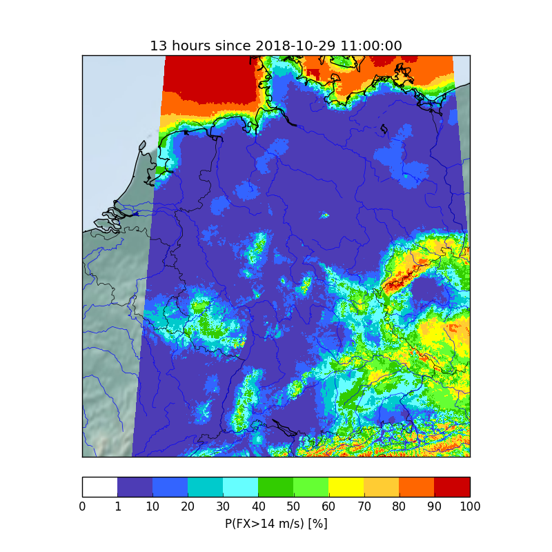
The October 2020 NPG Paper of the Month award goes to Reinhold Hess for the paper “Statistical postprocessing of ensemble forecasts for 
severe weather at Deutscher Wetterdienst“. Ensemble Forecasting rose with the understanding of the limited predictability of weather. In a perfect ensemble system, the obtained ensemble of forecasts expresses the distribution of possible weather scena ...[Read More]

The never-ending 2020 hurricane season

The never-ending 2020 hurricane season

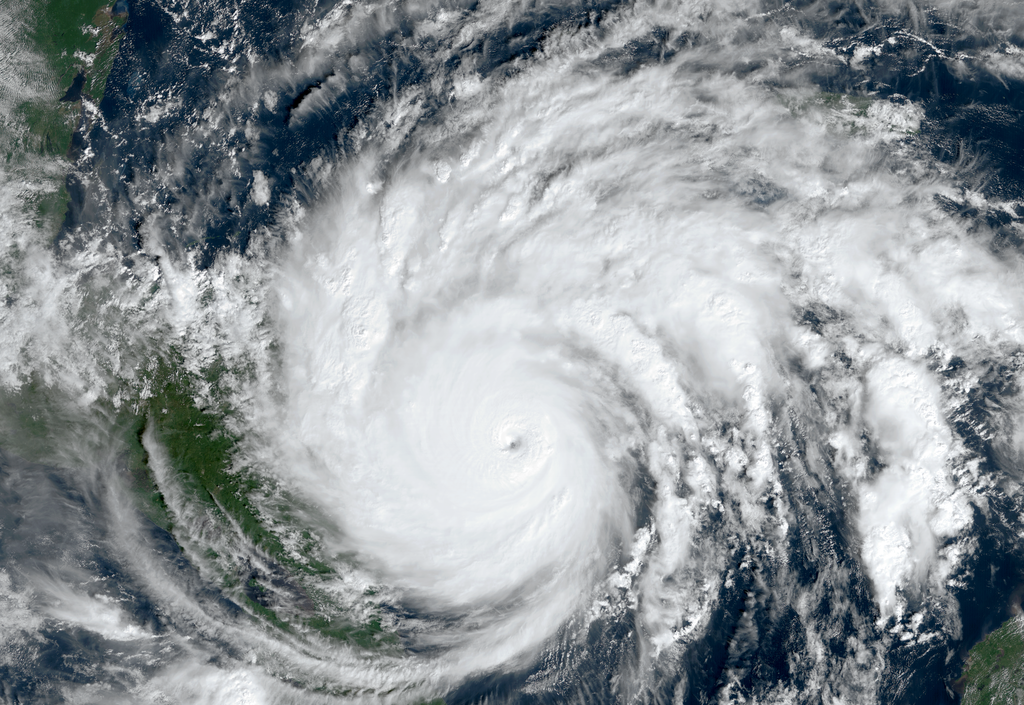
Iota, this is the name of the last category 5 hurricane in the Atlantic Ocean. Iota is a non-name because normally hurricanes are named by NOAA starting from A to Z but when the alphabet is over, they are just identified from a letter of the Greek alphabet. Iota is a special cyclone not just because its name implies that the hurricane season is particularly rich in storms but also because of its e ...[Read More]

Can we connect the exceptional floods in France and Italy associated with the storm Alex to climate change?

The first days of October were marked by an extreme weather event: storm Alex, a cyclone of Atlantic origin, caused massive showers and thunderstorms over Provence, the Alps, Piedmont and Liguria. In these regions, numerous historical records of precipitation were broken causing the flooding of several streams and rivers in which many people lost their lives. Economic damage was also significant a ...[Read More]

Perspectives on Climate Science: from historical developments to research frontiers

Perspectives on Climate Science: from historical developments to research frontiers

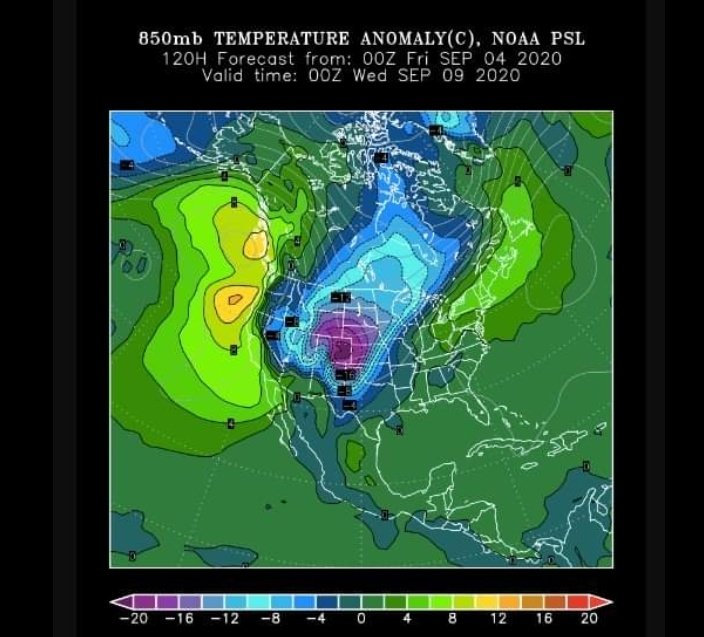
Breaking news: a bizarre early-September snowstorm dumped snow from Montana to New Mexico, a medicane hit Southern Italian regions and Greece, heatwaves and droughts are expected to increase in the future… These extreme events are becoming more and more frequent and one question spontaneously arises: is climate change making the weather more extreme? This is one of the reasons why climate change i ...[Read More]

Is climate change making the weather more extreme?

Is climate change making the weather more extreme?

Denver, Sept. 06: it is midday and Jonathan and Maria are sunbathing at City Park. They feel uncomfortable as the temperature has already reached 36°C. While they decide to go back home, their favoured weather app displays an unbelievable snowstorm watch for Tuesday Sept. 08. The forecast turns out to be rather accurate as all Colorado experiences one of the earliest snowstorms on record in Septem ...[Read More]

NPG Paper of the Month: “Correcting for model changes in statistical postprocessing – an approach based on response theory”

NPG Paper of the Month: “Correcting for model changes in statistical postprocessing – an approach based on response theory”

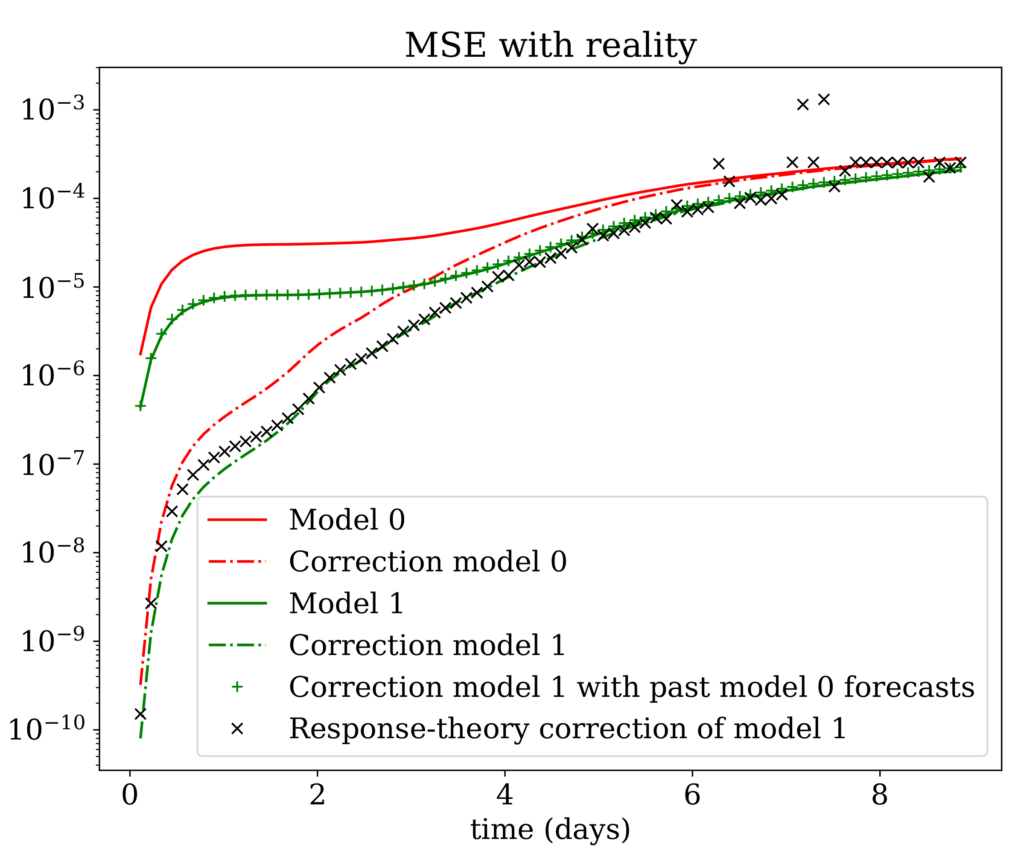
This month the NPG Paper of the Month award is achieved by Jonathan Deameyer and Stéphane Vannitsem for their paper “Correcting for model changes in statistical postprocessing – an approach based on response theory” (https://doi.org/10.5194/npg-27-307-2020). Jonathan did his PhD in statistical mechanics at the Université Libre de Bruxelles under the supervision of Pierre Gaspard and he is currentl ...[Read More]

NPG Paper of the Month: “Detecting dynamical anomalies in time series from different palaeoclimate proxy archives using windowed recurrence network analysis”

NPG Paper of the Month: “Detecting dynamical anomalies in time series from different palaeoclimate proxy archives using windowed recurrence network analysis”

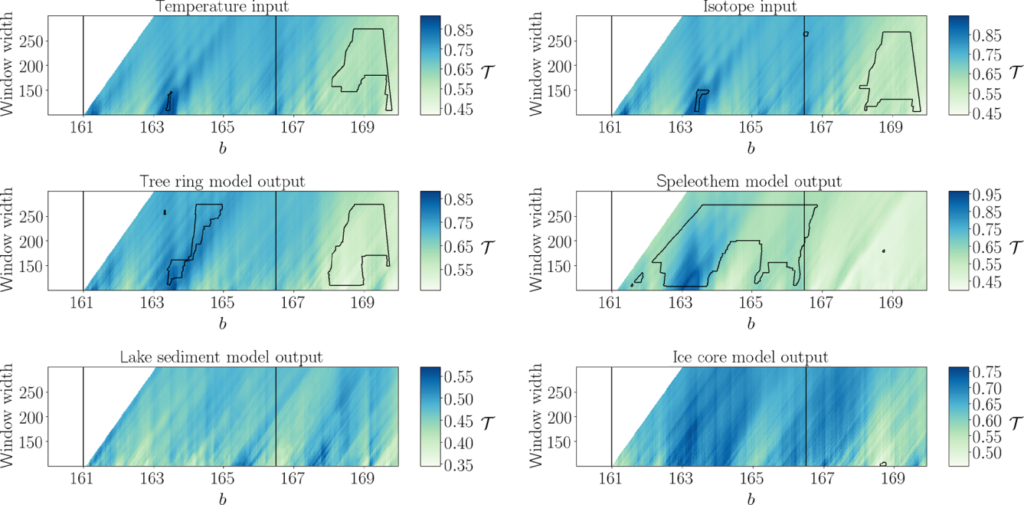
This month the NPG Paper of the Month award is achieved by Jaqueline Lekscha and Reik Donner for their paper “Detecting dynamical anomalies in time series from different palaeoclimate proxy archives using windowed recurrence network analysis” (https://npg.copernicus.org/articles/27/261/2020/). Jaqueline Lekscha did her PhD in physics at the Potsdam Institute for Climate Impact Research and Humbold ...[Read More]