NP
Nonlinear Processes in Geosciences

Climate

ClimaMeter: Putting Extreme Weather in Climate Perspective
ClimaMeter: Putting Extreme Weather in Climate Perspective
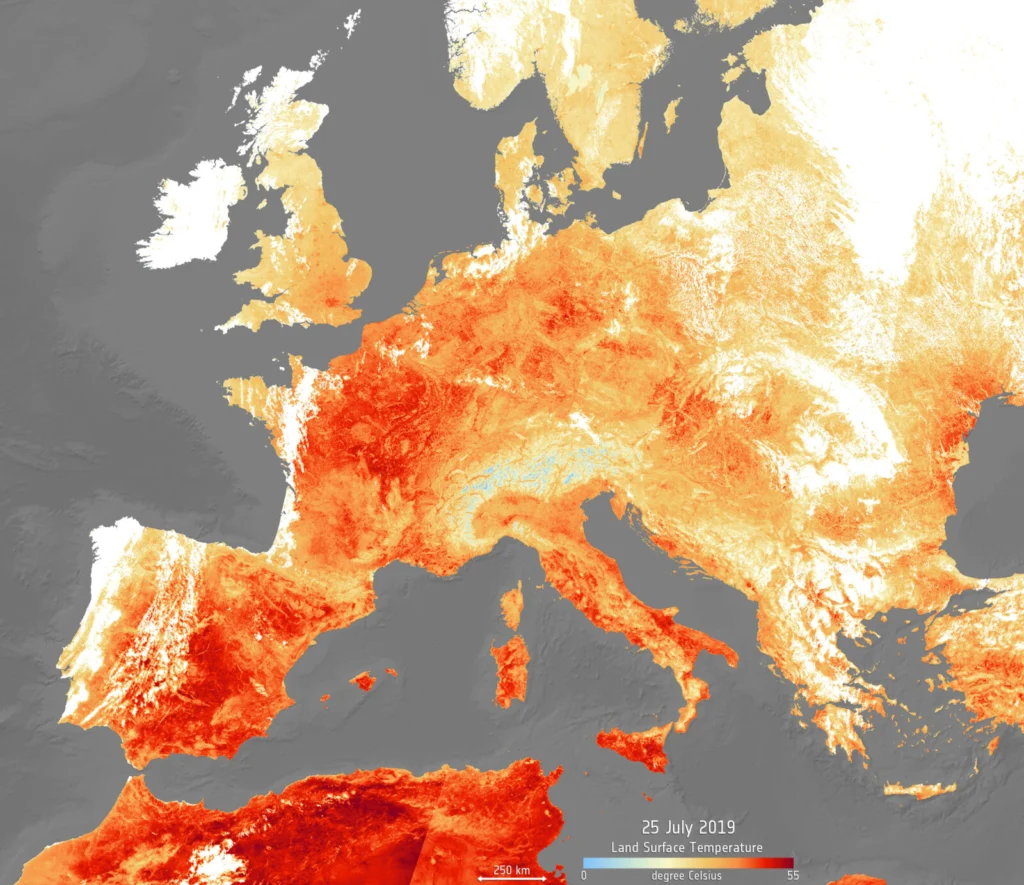
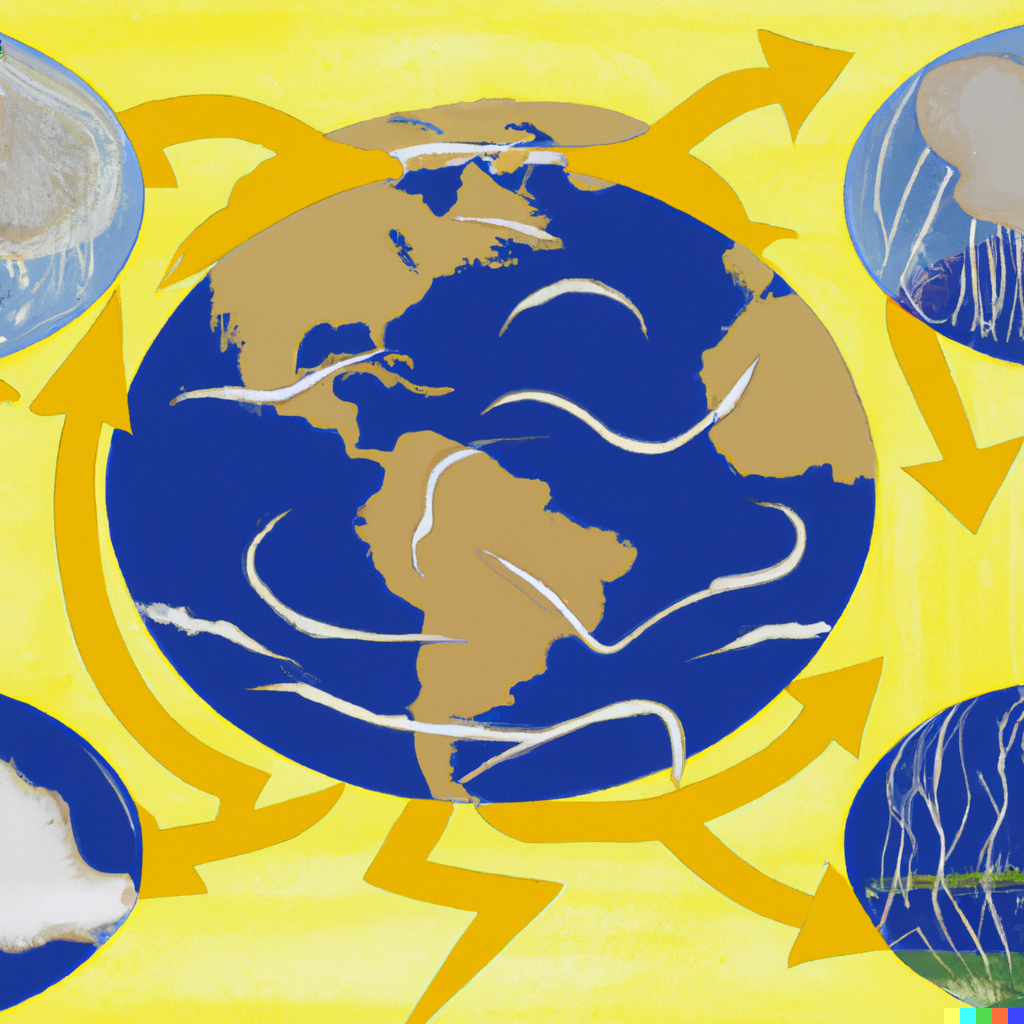
ClimaMeter offers a dynamic approach to contextualize and analyze weather extremes within a climate context. This framework provides both easily understandable immediate contextualization of extreme weather events as well as more in-depth technical analysis shortly after the events. Methodology: The foundation of ClimaMeter’s methodology lies in identifying weather conditions similar to those responsible for the …[Read More]

ECS SpotLight: The link between European warm-temperature extremes and atmospheric persistence

ECS SpotLight: The link between European warm-temperature extremes and atmospheric persistence

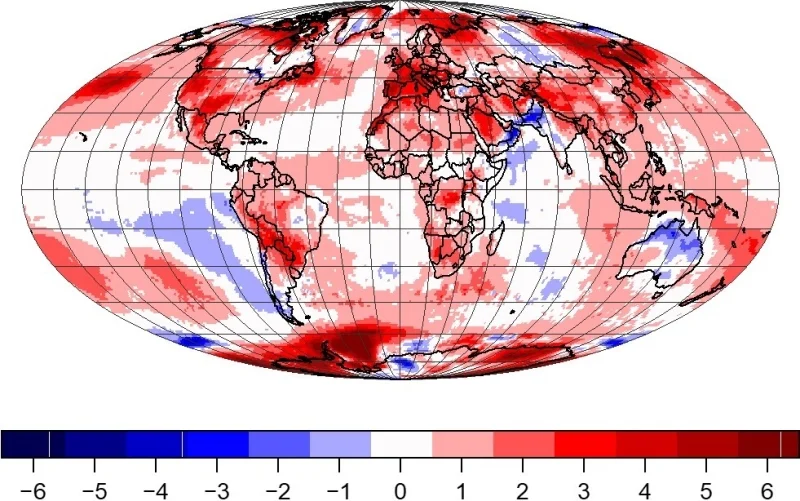
Persistent atmospheric circulation patterns are not a necessary requirement for warm temperature extremes in Europe. This key finding from a recent study led by Emma Holmberg challenges a more traditional meteorological view of persistence, which typically considers summertime heatwaves, especially in northern regions of Europe, to be synonymous with persistent atmospheric flow patterns. Furthermore, wintertime …[Read More]

How Climate Change fuels intense Thunderstorms in Italy

How Climate Change fuels intense Thunderstorms in Italy

In the blistering heat of July 2023, a series of violent thunderstorms struck the serene landscapes of northern Italy, leaving behind a trail of devastation, despair, and grief. Unleashing their fury upon the unsuspecting region, these tempestuous storms unleashed torrential rains, hailstones the size of tennis balls, and ferocious winds exceeding 150 km/h. Amidst the …[Read More]

Unraveling the Meteorological Factors and Climate Change’s Role in Italy’s Devastating Floods

Unraveling the Meteorological Factors and Climate Change’s Role in Italy’s Devastating Floods

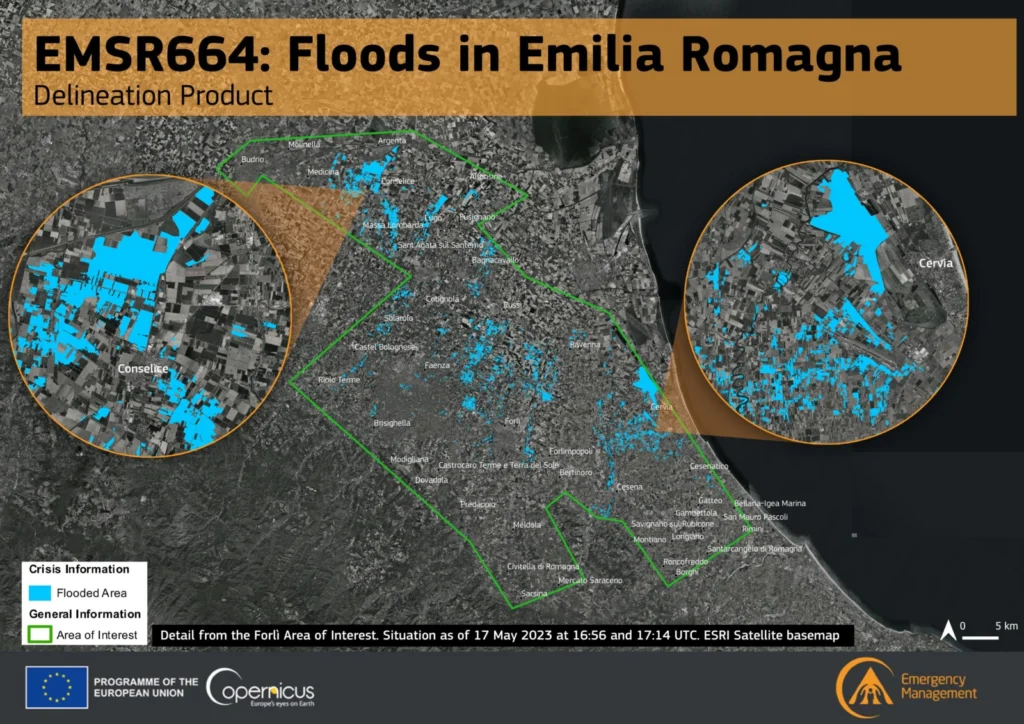
Italy has recently been struck by a series of catastrophic floods that have claimed lives, displaced thousands of people, and caused extensive damage to infrastructure. These floods were triggered by an extraordinary amount of rainfall, equivalent to six months’ worth, occurring within few days. The culmination of three distinct meteorological events, with low-pressure systems over …[Read More]

NPG Paper of the Month: “A Range of Outcomes: The Combined Effects of Internal Variability and Anthropogenic Forcing on Regional Climate Trends over Europe”

The NPG paper of the month for February 2023 was awarded to “A Range of Outcomes: The Combined Effects of Internal Variability and Anthropogenic Forcing on Regional Climate Trends over Europe” by Clara Deser and Adam S. Phillips. How much will Europe warm in the next 50 years? Will precipitation increase or decrease? Are past …[Read More]

ECS SpotLight: Changes in the climate dynamics have already modified characteristics and impacts of storms in France: the case study of storm Alex 2020

ECS SpotLight: Changes in the climate dynamics have already modified characteristics and impacts of storms in France: the case study of storm Alex 2020

Extratropical cyclones play a key role in modulating the precipitation and wind in mid-latitudes and can be responsible for extreme wet and windy events. With global warming, the dynamics and thermodynamics associated with these atmospheric systems are being affected. However, due to the complexity of modelling the climate system, a challenge arises when evaluating the …[Read More]

Back in Green: The Return of Pineapple Express to California

Back in Green: The Return of Pineapple Express to California

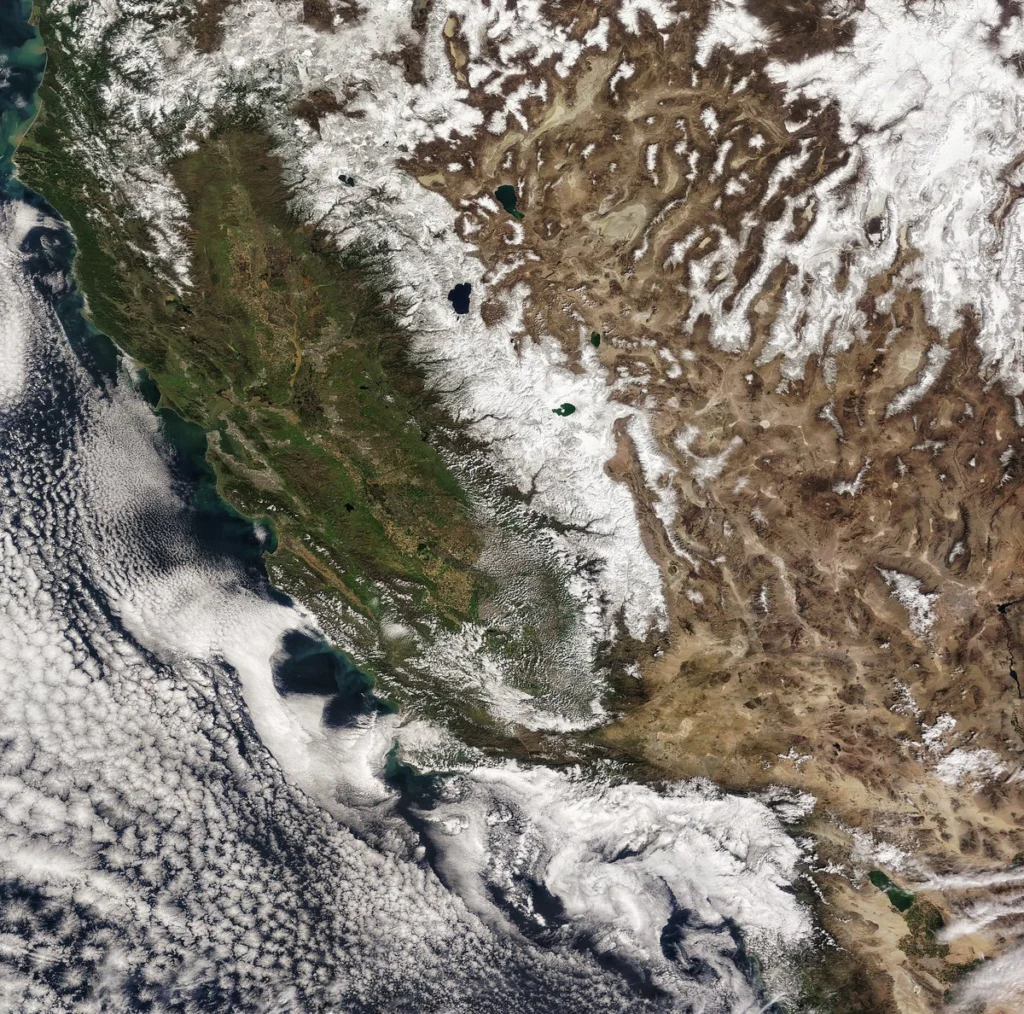
If you Google Pineapple Express you’re likely to end-up with a stoner movie comedy, but for those who live on the West Coast of North America, it has an entirely different meaning. Pineapple Express is a weather phenomenon that refers to a strong atmospheric river that brings heavy rain and moisture to the region. Despite …[Read More]

El Niño is back: What it Means for Global Warming?

El Niño is back: What it Means for Global Warming?

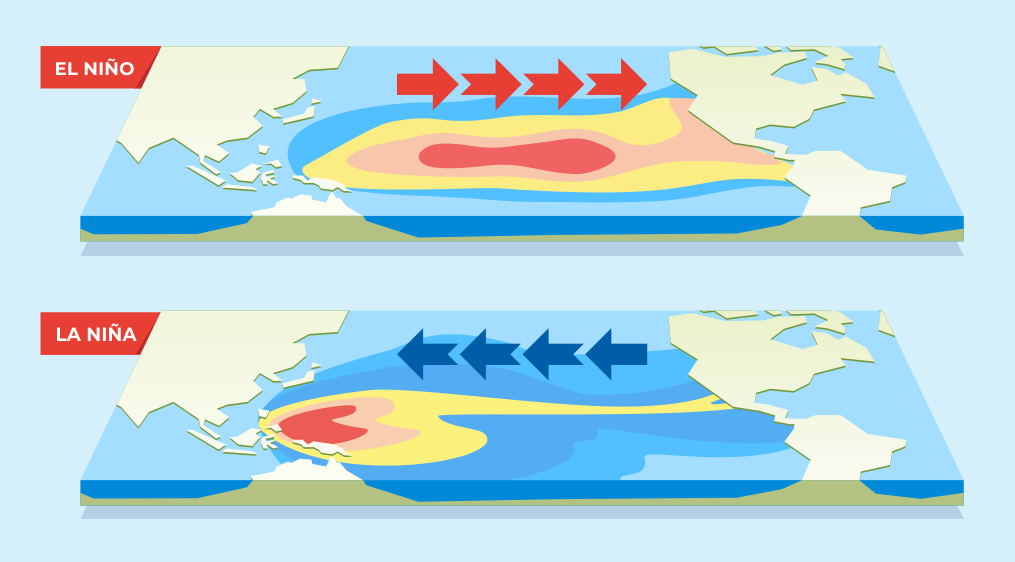
The World Meteorological Organization (WMO) has just announced that the La Niña episode has officially ended, and from autumn onwards, it should give way to an El Niño phase. But what does that mean? And what is the influence of these weather phenomena on global warming?For those who have never heard of La Niña before, …[Read More]