One year ago, Vincenzo Carbone left us. Vincenzo was a leading scientist in nonlinear geophysics, turbulence, and complex systems, influencing fluid and plasma physics, weather and space weather, solar–terrestrial relations, and climate dynamics. Yet for those who worked closely with him, his legacy goes well beyond his remarkable scientific achievements. Scientific Contributions and Impact Over …[Read More]
Rethinking the carbon cost of scientific exchange: Nonlinear effects of reducing scientific mobility
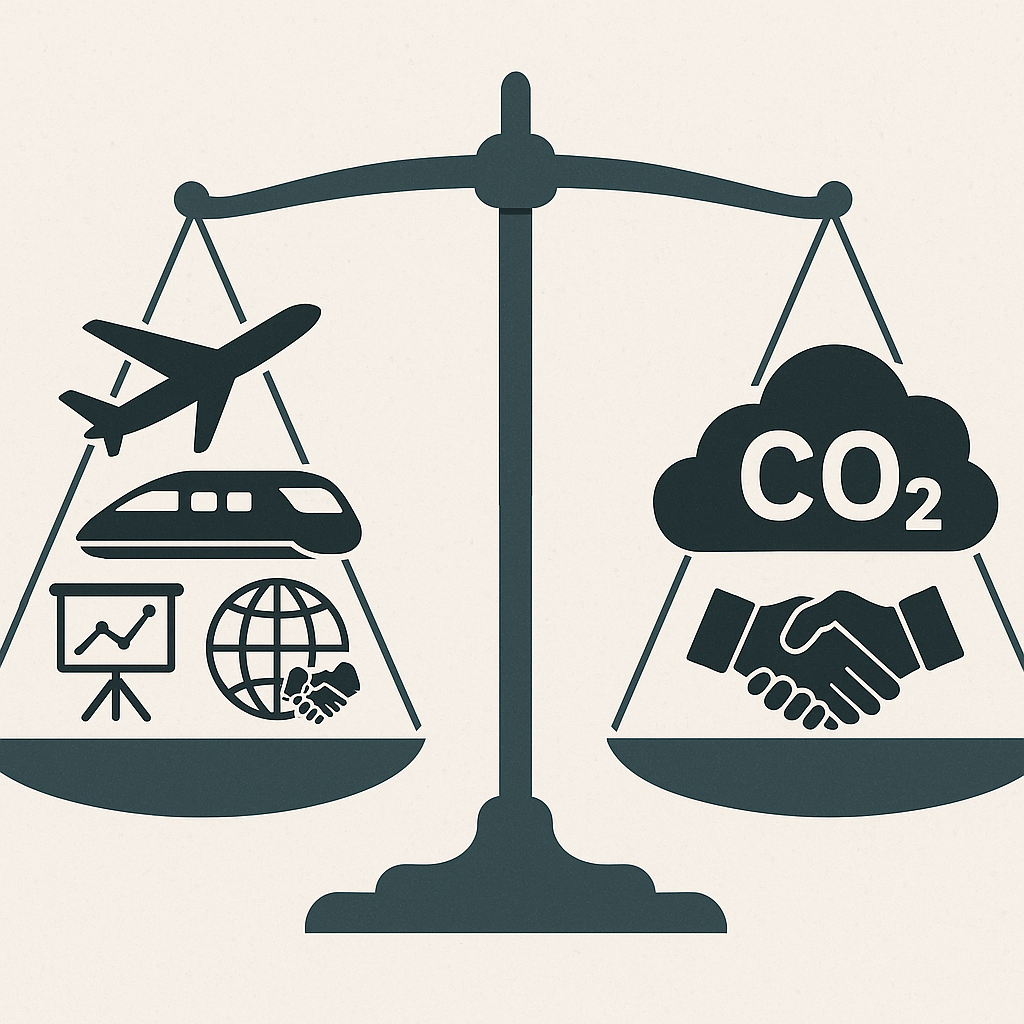
The carbon footprint of scientific collaboration has become an increasingly debated topic. Conferences, workshops, and research travel remain central to how science function, yet they also contribute to global greenhouse gas emissions. Since the pandemic era scientists also learned to work virtually and to attend workshops and conferences online. Understanding the carbon footprint, and how …[Read More]
AI-generated Images: the fragility of visual evidence in geosciences
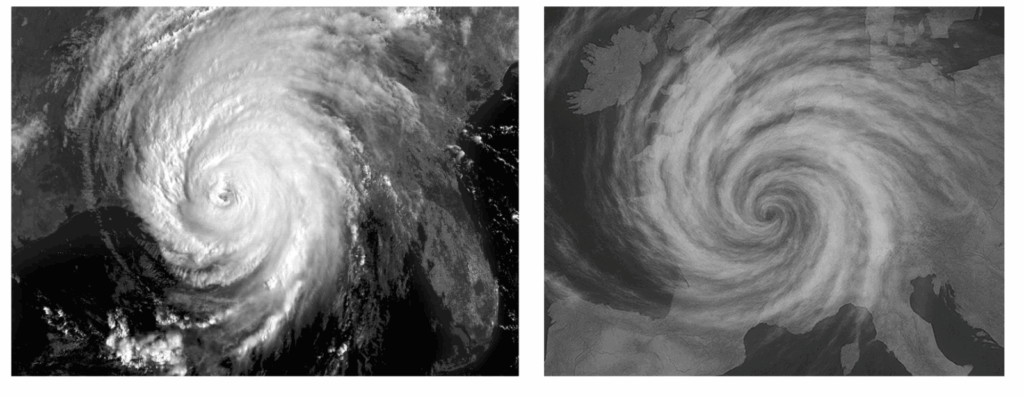
Recently, an increased number of visually striking “scientific” images have been found online: snapshots of turbulent flows with dreamlike structure, eerily symmetric cloud patterns, and what appeared to be global temperature fields annotated with plausible colormaps and scientific-looking labels. Many of these posts quickly go viral on social media. And yet, in many cases, the …[Read More]
Sea level rise: a global threat in a warming planet
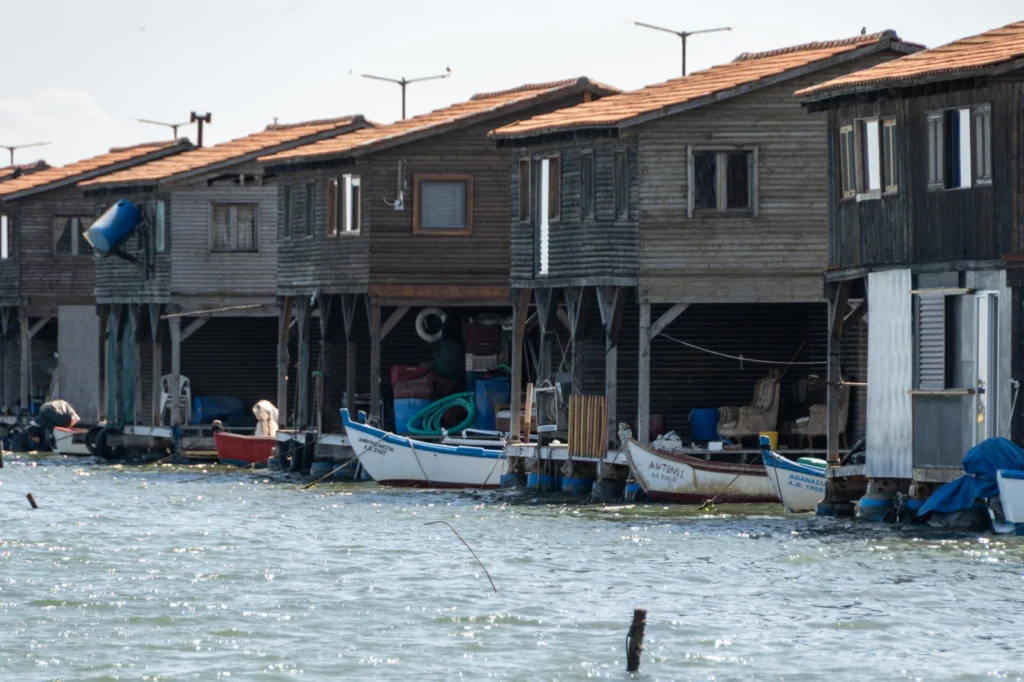
Over 70% of the Earth’s surface is covered by seas and oceans but in the geological past the extension of sea and land has varied several times as sea level changed over time. During the past millions of years, the oceans have cyclically retreated and expanded with the alternating of warmer and colder climatic periods …[Read More]
NP Interviews: Davide Faranda (CNRS) on the topic “global warming and extreme events in Europe”
Davide Faranda is a physicist at the French National Center for Scientific Research (CNRS). His main interests are devoted to the construction of a statistical mechanical and dynamical systems framework for the study of atmospheric motions. In particular, his works aim at the characterization of the metastable states of the atmospheric circulation with simple mathematical …[Read More]
A new virtual seminar series on Climate Physics organized by the American Physical Society (APS) group in Physics of Climate
The APS Topical Group on the Physics of Climate (APS-GPC) is excited to launch a new virtual monthly seminar series on climate physics and variability. These seminars are aimed at introducing the broader physics community (and math, engineering, and other communities) to the fundamentals of climate science as well as cutting-edge research and open questions …[Read More]
NP Campfire: “Scaling and multifractals : from historical perspectives to recent developments”
Scaling law behaviours are ubiquitous in geosciences both from a theoretical and practical point of view. They are required to better understand, analyse and simulate the underlying processes, which yields the observed variability of geophysical fields over wide ranges of spatio-temporal scales. A group of scientists within the Nonlinear Processes in Geosciences (NP) Division of …[Read More]
NP Interviews: the 2021 Lewis Fry Richardson Medal Berengere Dubrulle
Today’s NP Interviews hosts the 2021 Lewis Fry Richardson Medal Berengere Dubrulle. Berengere is senior scientist at the Centre National de la Recherche Scientifique and presently Director of the Les Houches Physics School. She received her PhD in astrophysics in 1990 under the supervision of J.-P. Zahn. She is a specialist of turbulence, and its …[Read More]
#vEGU21 Networking events of the Nonlinear Processes in Geosciences (NP) Division
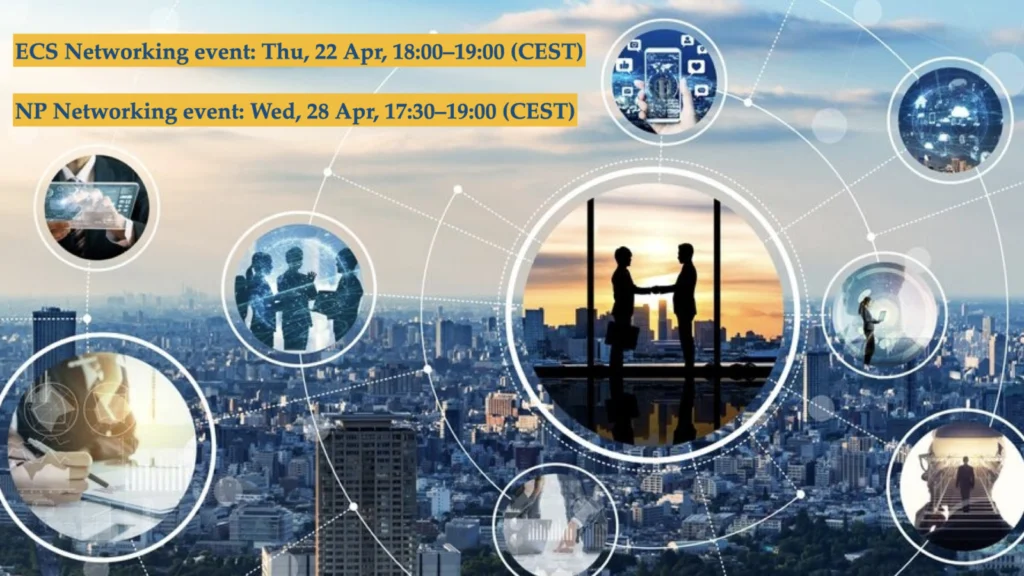
The current COVID-19 situation has profoundly changed our daily lives and has also affected our way to perform and share research. In today’s world a lot of efforts have been made to minimize the impact of working from home and exchange thoughts with colleagues. As for last year the usual annual General Assembly of the …[Read More]
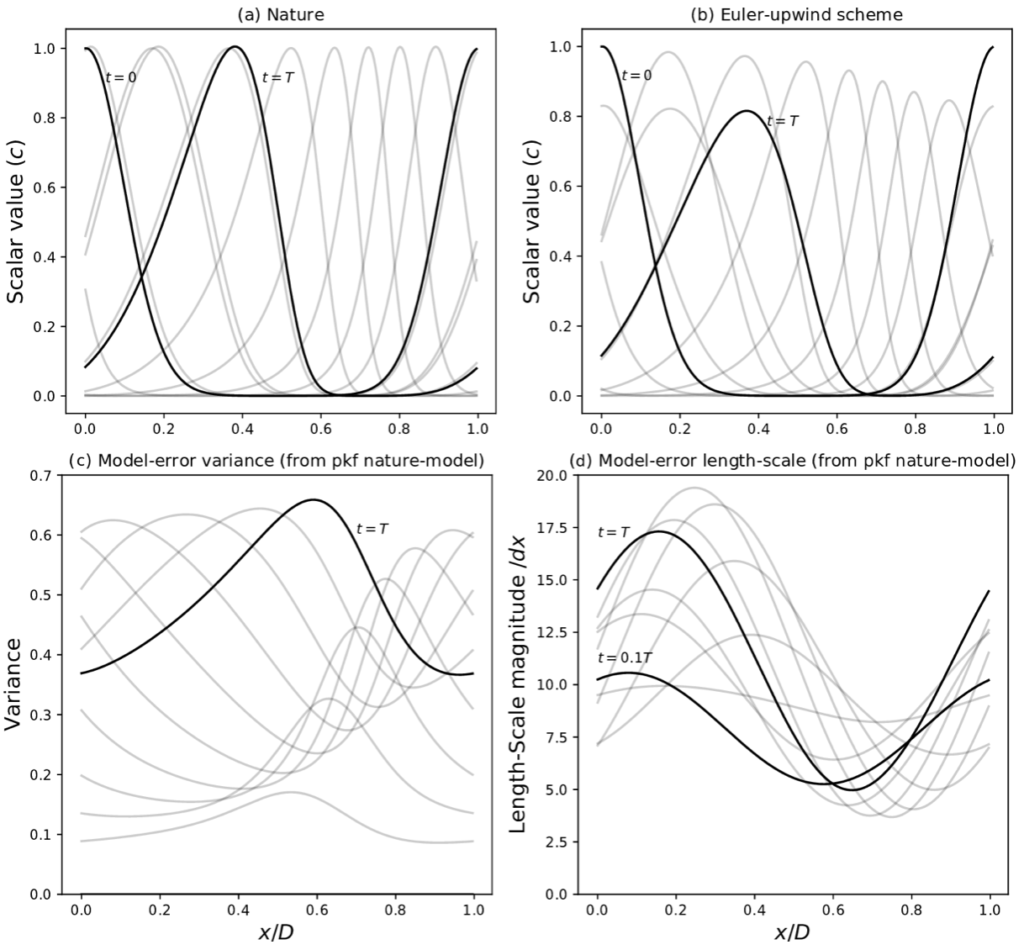
NPG Paper of the Month: “A methodology to obtain model-error covariances due to the discretization scheme from the parametric Kalman filter perspective”
The January 2021 NPG Paper of the Month award goes to Olivier Pannekoucke and his co-authors for the paper “A methodology to obtain model-error covariances due to the discretization scheme from the parametric Kalman filter perspective“. In geophysics, forecasting is based on solving the equations of physics with the help of a computer. To calculate …[Read More]