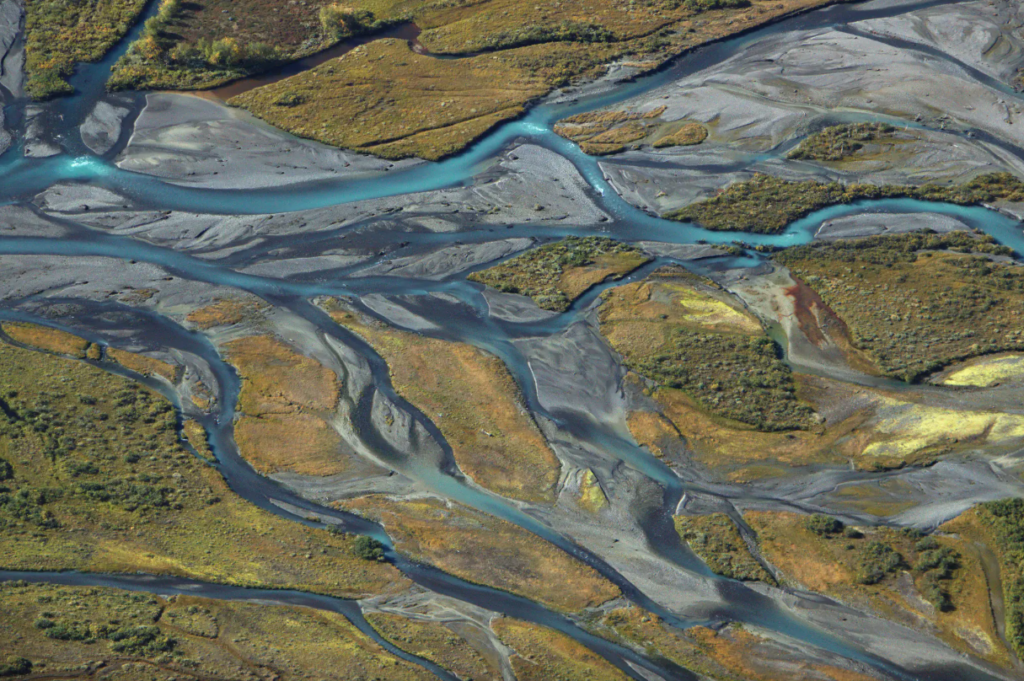
During winter, mountains gain mass because of snow covering the peaks. In spring, the snow melts and flows downstream until it reaches the ocean or evaporates into the atmosphere to reach back on the surface as rain or snow. The global water cycle is very complex and essential for life on our planet. Did you know we can measure how the water is distributed by measuring its mass from space? How can ...[Read More]
gravity
Geodesists on Tour: Taking Greta Gravimeter to the North
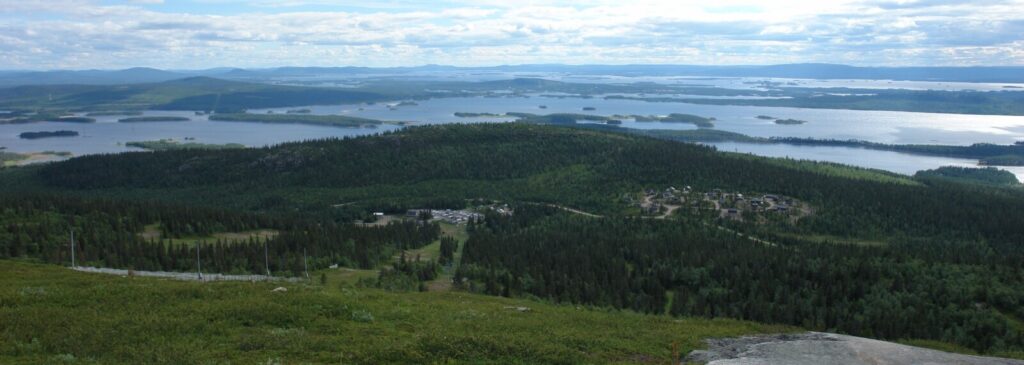
Summer is coming to an end in the northern hemisphere, and it usually signals the end of the field season – at least in northern Europe. During the field season, we mostly take our absolute gravimeter (we call her Greta) to measure gravity at various locations across Sweden. Occasionally, we even take Greta to other countries – but that’s a story for another time. Who is G ...[Read More]
Dual use of gravity data
Today, we are going to talk a little bit about dual-use, particularly in the context of geodesy. If you’re unfamiliar with the term, dual-use refers to the application of knowledge, information, data, products, or technology in ways that may deviate from their original scientific intent, often leading to ethical challenges. These challenges arise from the lack of control over who uses the da ...[Read More]
Geotandem: Exploring the subsurface of Mars using geodetic data
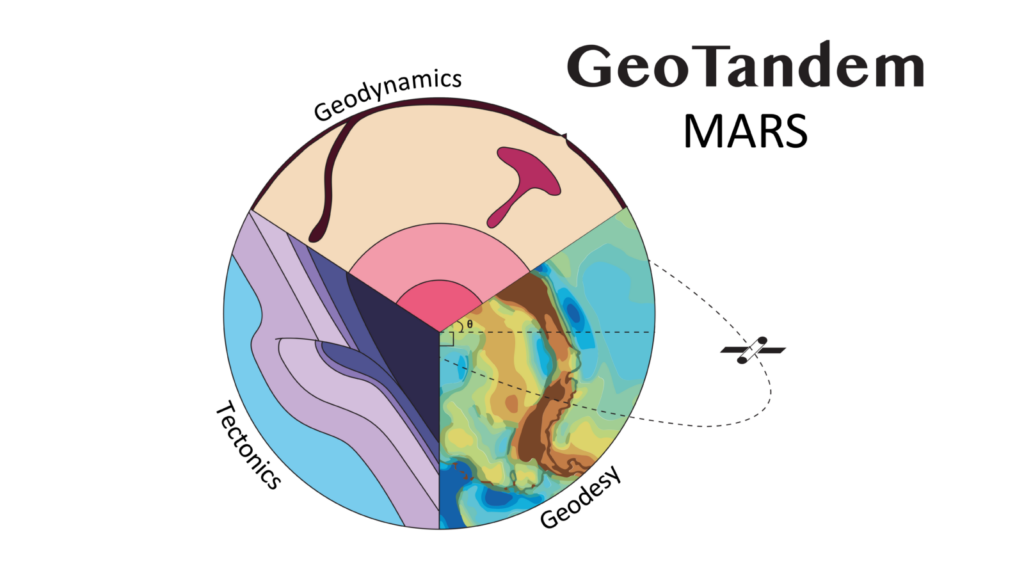
Welcome to the first of its kind, the Geotandem 01! A collaborative series between EGU divisions. Interdisciplinarity is intrinsic to Geosciences, so we want to showcase how researchers approach the same topics from different but also complementing perspectives. In each edition, we will bring you a high-interest topic for the community seen from the eyes of diverse disciplines. Today, the Tectonic ...[Read More]
High resolution terrestrial water storage changes from combination of GRACE and models
The Gravity Recovery and Climate Experiment (GRACE) satellite mission (2002-2017) consisted of two satellites at ~500 km altitude separated by 200 km, following each other in the same orbit. The distance between the two GRACE satellites changes because of the gravitational pull of the masses beneath the satellites. As such, mass changes at or near the Earth’s surface caused variations in the dista ...[Read More]
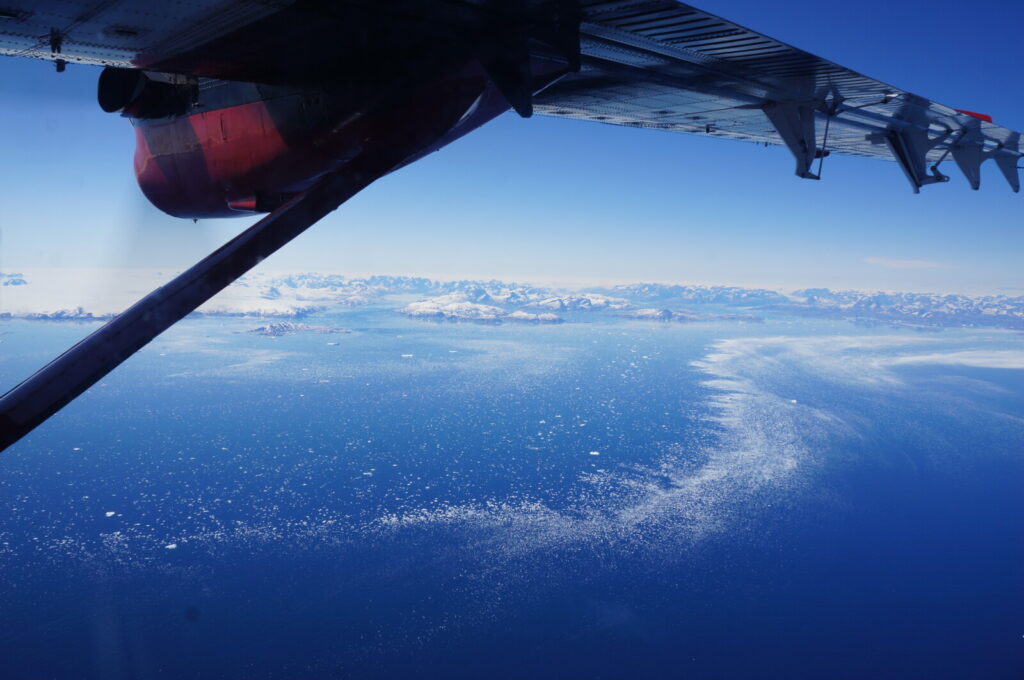
Geodesists on Tour: On a Campaign in the Arctic with a Giraf(f)e in the Aircraft
Way too early on a Saturday morning in late June 2023 I woke up and started my travel to a small airport in Akureyri, North-East Iceland. This is the location of an Icelandic charter company called Norlandair that we used for our airborne geophysical surveys and logistic operations in the Arctic. For a few months I had been preparing a survey to test a new quantum-based technology for airbo ...[Read More]
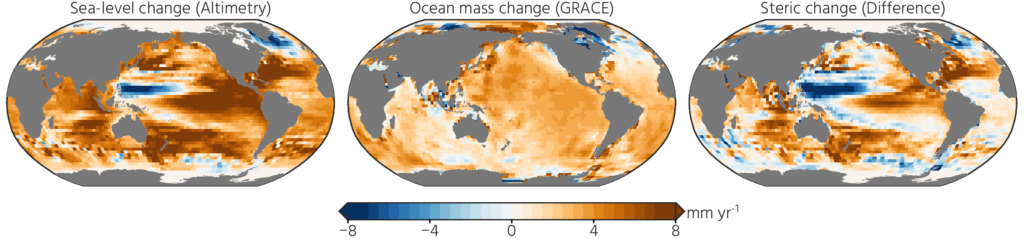
Want to really understand sea-level rise? Bring in the geodesists!
A remarkably large number of papers and proposals have sentences like “this study is critical to better project future sea-level rise” in their introduction. Most times this is just marketing to trick reviewers and program managers into believing the work is important. On the other hand, geodetic papers and proposals have some compelling reasons to use this statement: a lot of geodetic tech ...[Read More]
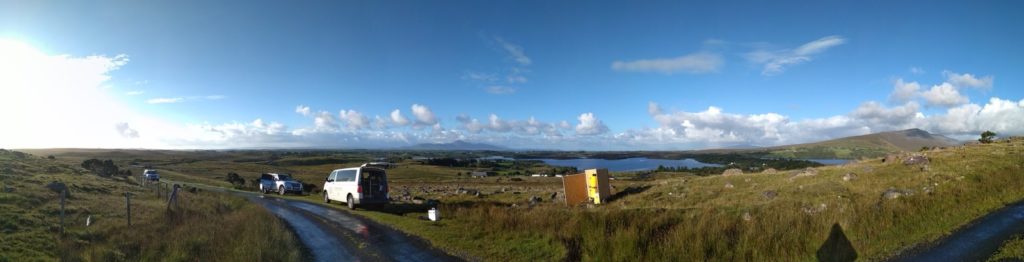
Geodesists on Tour: On the left side of the road for getting the g
Getting the small g (the absolute gravity value) outdoors has always been some sort of a challenge. But, in the early 2000s the possibility to measure gravity has changed by the arrival of the first A10 absolute gravimeters. They to a large extent revolutionized the approach of performing gravity measurements in the open field and with that improved the approach to design and measure national grav ...[Read More]
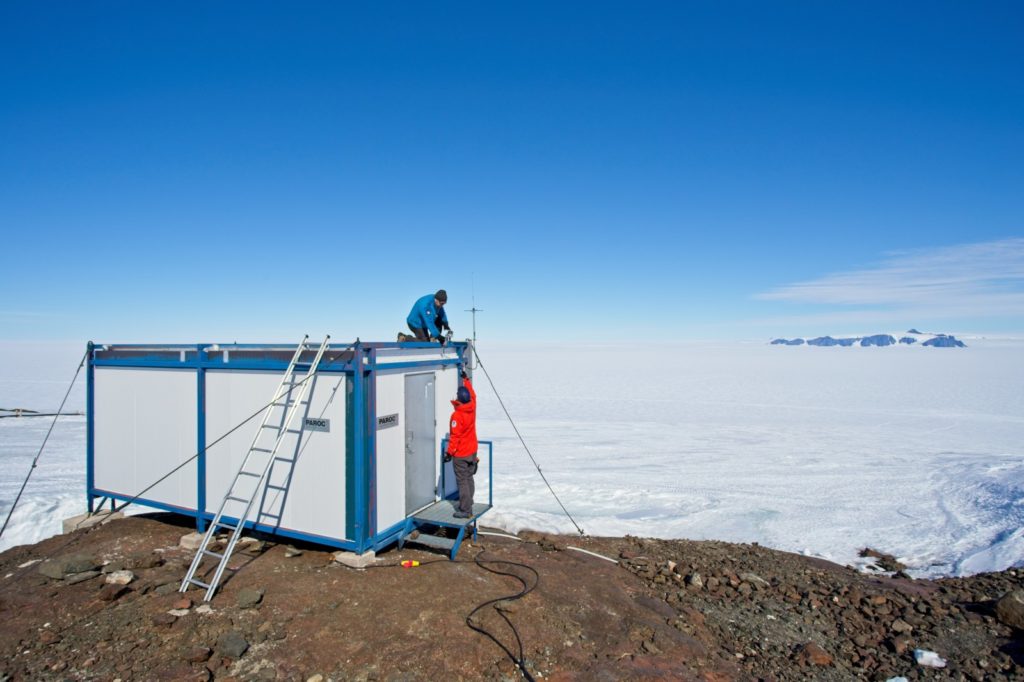
Geodesists on Tour: Gravity measurements on Antarctica
Antarctica is well known for its large ice sheet, covering 98% of the continent. A large part of the ice sheet is losing mass leading to vertical and horizontal movements of the crust as well as changes of the gravitational attraction. To observe these changes in gravity with the highest accuracy, it is necessary to visit Antarctica and measure gravity on a regular basis. Since the late 198 ...[Read More]