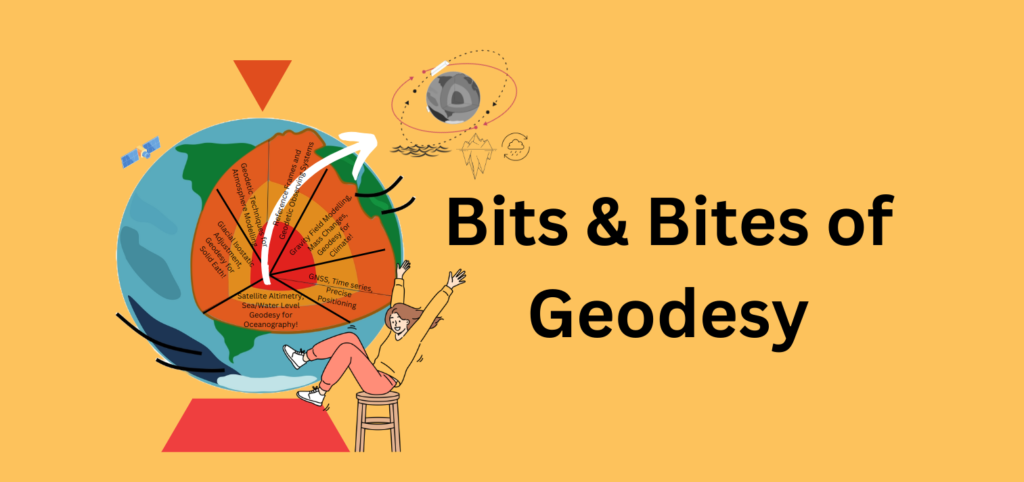
Part 2 – the regional case In our previous post, we discussed global scale phenomena, showing how the Global Navigation Satellite Systems (GNSS) constellation is the ultimate instrument for monitoring the Earth as a whole: tracking plate tectonics, defining the planet’s absolute size, and measuring variations of its gravity field. Essentially, the big questions of our constantly changi ...[Read More]
What’s up for geodesy during the upcoming EGU26?
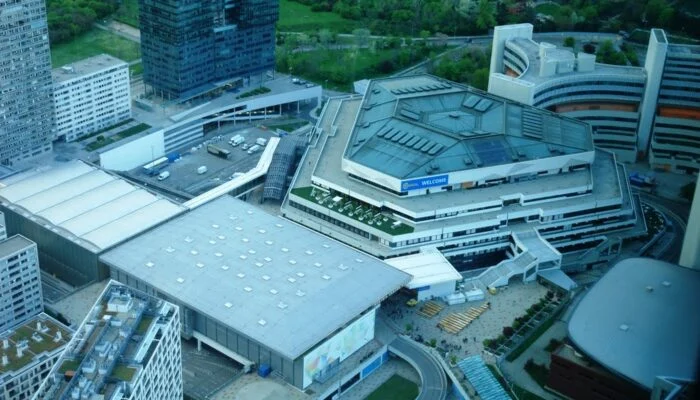
It’s this time of the year again when we all meet up in Vienna and talk about our latest scientific results and, more importantly, network with old and new colleagues. The EGU General Assembly (GA) EGU26 will take place again in a hybrid format. The scientific programme consists, as usual, of oral and poster presentations, Pico sessions, networking opportunities, and short courses. All scientific ...[Read More]
Taking time off in the academic world – Why it’s hard and how to do It
Several major holiday periods are coming up in the next months, and for many people this means taking some time off. But for academics, stepping away from work can be very difficult. At EGU25, we explored this challenge in a short course organized by the EGU “Life-Career Wellness” working group, where scientists shared their experiences (and strategies). In this post, we summarize the main points ...[Read More]
Seeing Geodesy clearly – suitable colours for effective and inclusive visualization
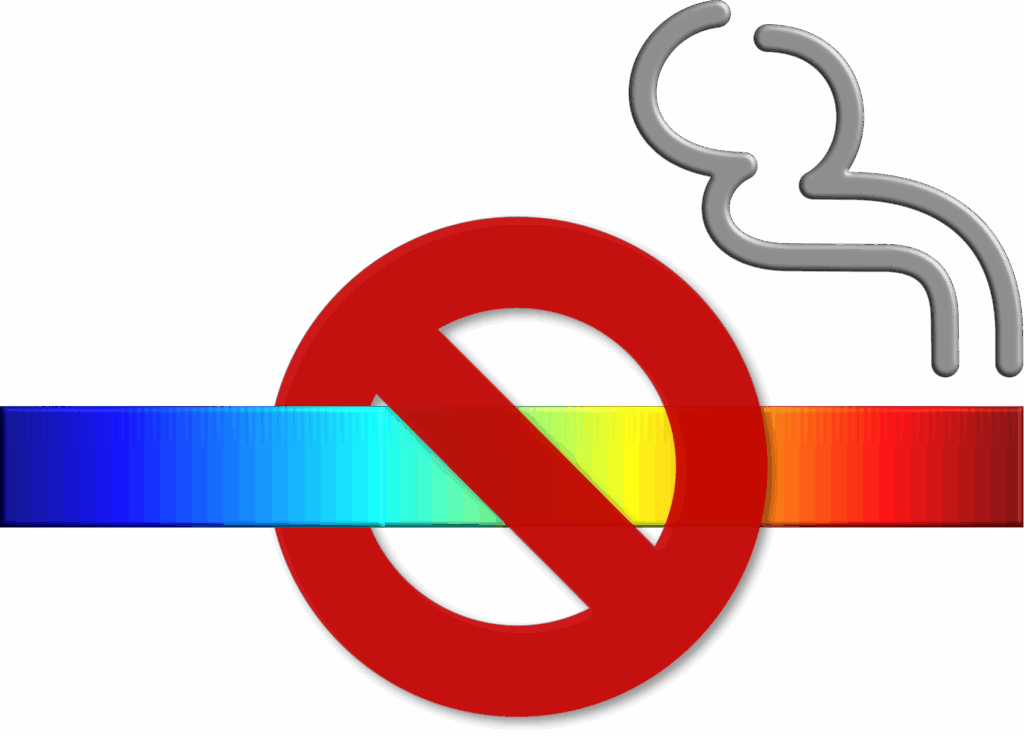
Effective scientific communication of geodetic research often relies on clear visualizations, and colours are needed to make complex data much easier to understand. However, traditional colormaps don’t always provide the needed clarity and can be especially challenging for people with colour-vision deficiencies (CVD). In this post, we will first describe what CVD is and how it is present in academ ...[Read More]