On this page, we regularly update open positions in Seismology for early career scientists. Do you have a job on offer? Contact us at ecs-sm@egu.eu Please, note that other available research positions are displayed on the EGU Jobs Portal.
1727 search results for "network"
If you didn't find what you were looking for, try searching again.
A message from EGU President Alberto Montanari on what geoscientists can do to help mitigate the impact of COVID-19
What can the Earth, planetary and space sciences do to help mitigate the impact of COVID-19? While I am considering this challenging question, I am looking out of the window of my home in Italy, in Reggio Emilia. I am close to the epidemic center of the Italian outbreak of COVID-19. I have been at …[Read More]
Representing the Possible: Milena Marjanović
I remember the first lecture vividly, it was on Plate Tectonics. From that moment, I knew what my profession will be What is your story, Milena? I am a Marine Geophysicist interested in exploring plate boundaries, in particular, mid-ocean ridges using active source seismology. I am a sea-going researcher, which means that every now and …[Read More]
EGU General Assembly 2020 cancellation: Alberto Montanari and Susanne Buiter talk about the decision – and what comes next
On 19 March EGU announced that it has cancelled the physical EGU General Assembly 2020 in Vienna, Austria. We spoke to the Union President Alberto Montanari and Programme Committee Chair Susanne Buiter to get some more information about what this means, how this decision was made and what comes next. Hello Alberto and Susanne, …[Read More]
EGU President Alberto Montanari introduces the new EGUsphere
The European Geosciences Union (EGU) just announced the launch of EGUsphere, a new online platform designed to promote global networking and open discussion within the Earth, planetary and space science community. EGUsphere will serve as a central repository for all contributions, presentations and manuscripts presented to EGU. In particular, EGUsphere will host abstracts and presentations …[Read More]
Introducing the social media team!
Did you know the EGU Geodynamics division has a social media team? No? Well, now you do! A small, but incredibly dedicated team, these are the people shouting geodynamics from the online rooftops every single day! They are responsible for the posts on facebook and the lively tweets on twitter. What? You don’t follow us …[Read More]
Trapped in the sea ice – Educating the future generations of polar scientists
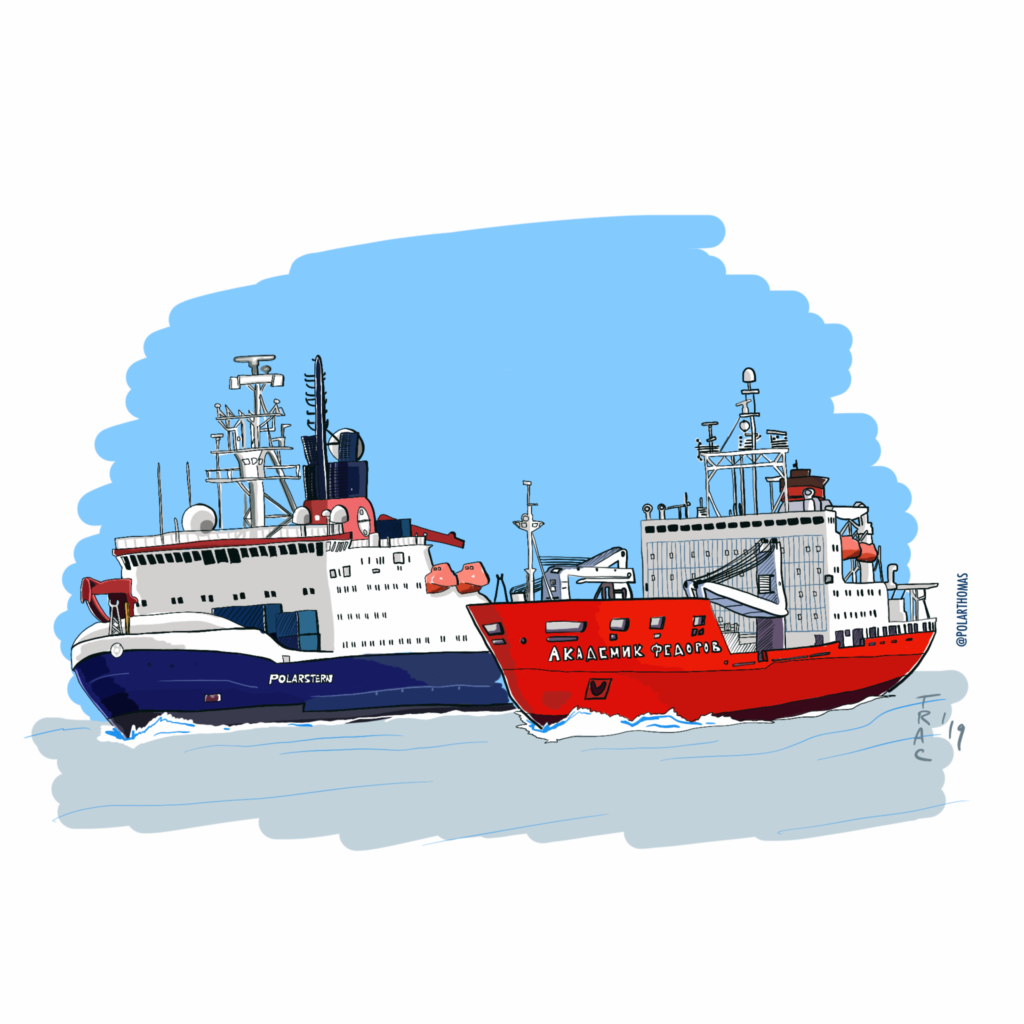
In October 2019, the research icebreaker ‘Polarstern’ was moored to an ice floe for its year-long journey through the Arctic Ocean. Come with us on a slightly shorter journey and learn how MOSAiC participants from the supporting cruise educate the future generation of polar scientists! What is the MOSAiC expedition? The MOSAiC (Multidisciplinary drifting Observatory …[Read More]
GeoTalk: Joel Gill discusses the UN’s Sustainable Development Goals and the ‘Decade of Action’
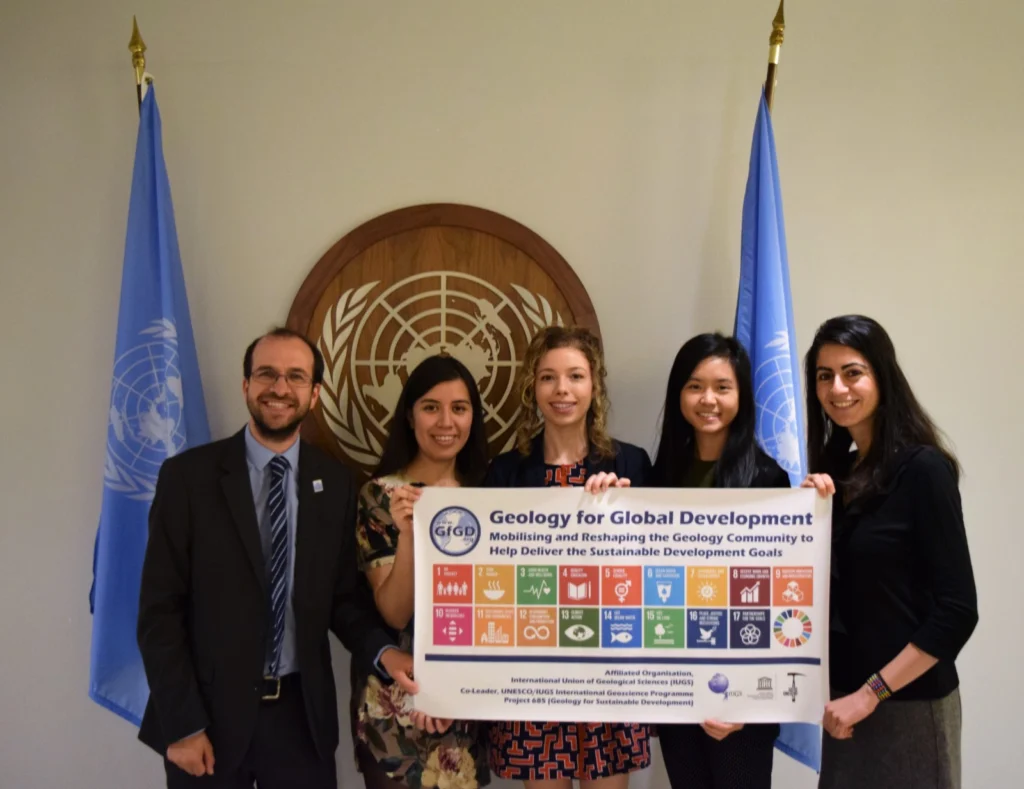
Geotalk is a regular feature highlighting early career researchers and their work. In this interview we speak with Joel Gill who a geoscientist, based in the UK, who works at the British Geological Survey, supporting their international development programmes, whilst also researching multi-hazards and disaster risk reduction. In addition he leads a not-for-profit organisation, Geology …[Read More]
Featured catchment series: The San Carlos Catchment in northeast Costa Rica, a multi-scale hydrological observatory to leapfrog data scarcity in the tropics
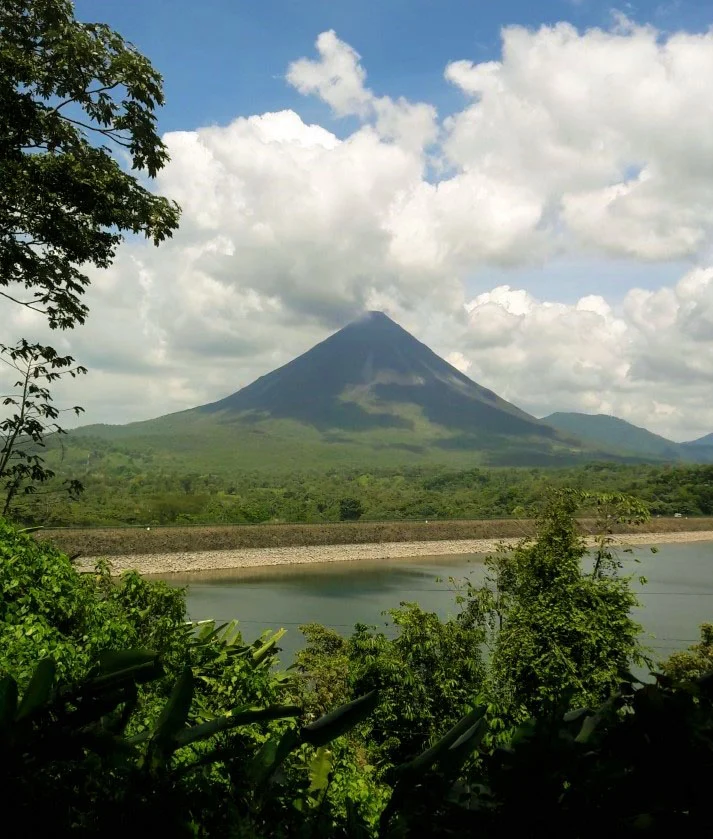
Tropical ecosystems are of major hydrological importance for regional and global climate systems and are characterized by greater energy inputs, higher rate of change and dynamics compared to other hydroclimatic regions. Nowadays, the anthropogenic influence in the climate crisis exerts enormous pressure on tropical hydrological systems. This growing pressure affects water quality and quantity, which …[Read More]
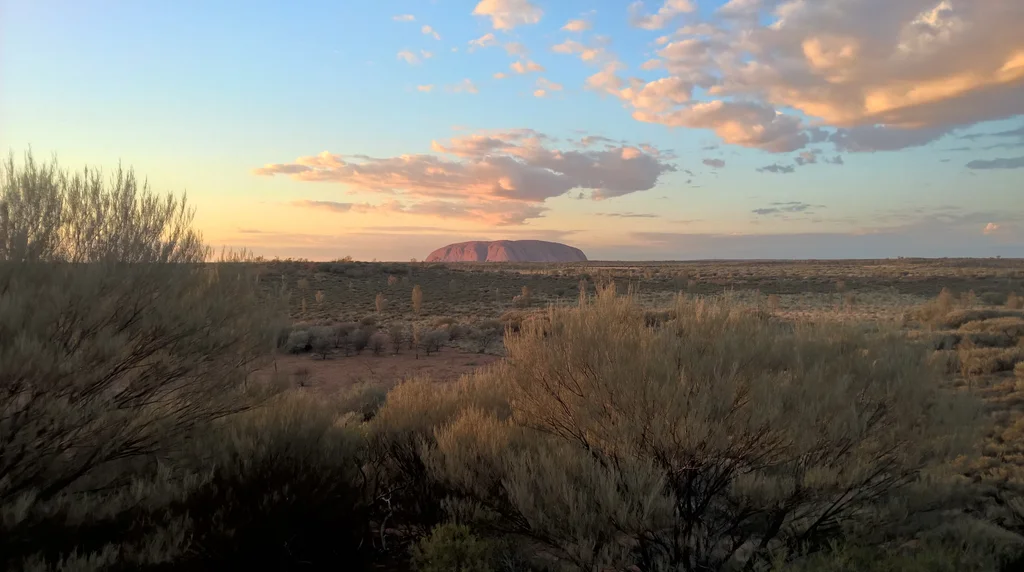
Imaggeo on Mondays: The sun rises also in the middle of nowhere
Uluru in Australia is one of the most visibly recognisable geological features in the world. This sandstone formation covers an area of 3.3 kilometres and stands 345 metres above the plains around it. According to geoscientists, the rocks that form Uluru were deposited in an inland sea during the Cambrian Period approximately 500 million years …[Read More]