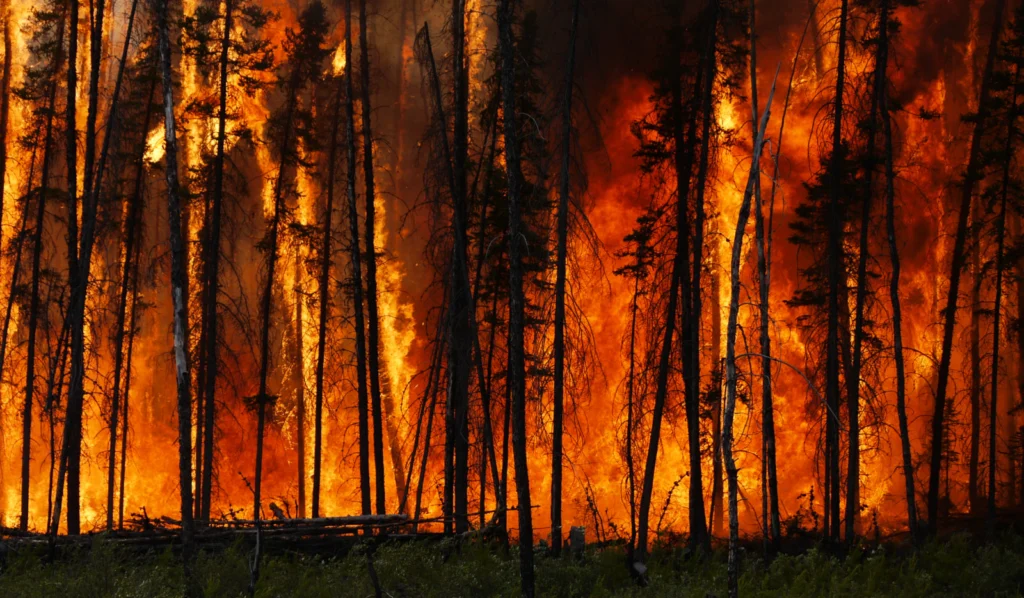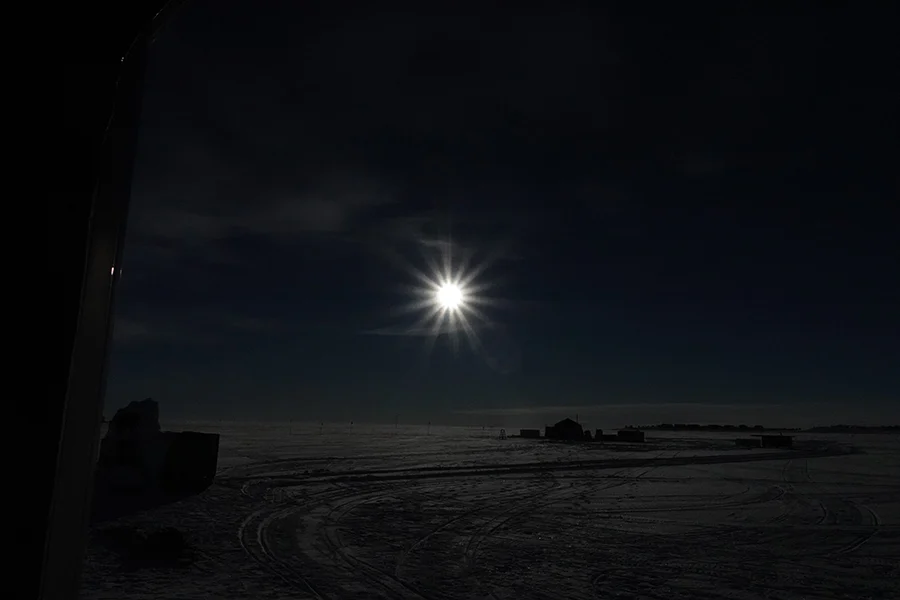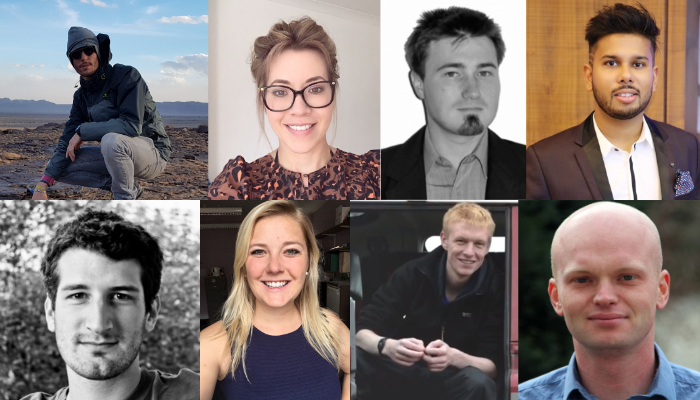
Women make up 50.8% of the worlds population, yet fewer than 30% of the world’s researchers are women. Of this percentage, BAME (Black Asia and Minority Ethnic) comprise around 5%, with less than 1% represented in geoscience faculty positions. The divide between women in the population and women in STEM needs to be addressed. Through a series of blog posts we hope to raise the voice of women in th ...[Read More]
If you didn't find what you was looking for try searching again.
GeoLog
GeoPolicy: Get involved in science-policy events this autumn!
Now that summer is over, policy events are back in full swing! With most events still being online, they are easily accessible and generally free of charge. The EGU has an External Science for Policy Events Calendar that lists upcoming policy-related events that are likely to be of interest to geoscientists. This can be a useful resource if you’re trying to find events that will introduce you to t ...[Read More]
Tectonics and Structural Geology
GeoMod 2021 in Utrecht: connecting on-site and online
After a year and a half in which all of us have had to become accustomed to meeting our colleagues and collaborators only in digital space, it was finally time for an in-person conference again. From 19-23 of September 2021, the ninth edition of GeoMod took place in a conference center outside sunny Utrecht (the Netherlands). The organizing committee, led by Ernst Willingshofer, Ylona van Dinther, ...[Read More]
Geodynamics
The Sassy Scientist – It’s All In The Mix
Mare needs to secure some funding. Trotting through previous successful applications, she finds a common denominator. As a purebred scientist, she bellows: How important is interdisciplinary research for a research proposal? Dear Mare, Very important. Realistically, you’ll not get funded in case you’re a one-trick pony. Who will hand over their pouch of gold nuggets to someone who will ...[Read More]
Cryospheric Sciences
Let’s go to School of Sustainability!
Next generations will not only see impacts of climate change first-hand, but they will also deal with the associated societal implications. Implementing climate solutions and orienting themselves in a growing, green job market need cutting-edge knowledge, which is often hard to get through the ordinary, high-school syllabus. As early-career cryo-scientists (Federica is a PhD student in glacial geo ...[Read More]
GeoLog
GeoTalk: Meet Mengze Li, atmospheric chemist and the Atmospheric Sciences Division’s Early Career Scientist Representative
Hi Mengze, thank you for spending your time with us today. Could you tell our readers a little about yourself? Hi Simon, thanks for the interview today. I’m happy to tell more about myself. I was born in China, lived and studied there until I finished my Bachelor’s study. After that I went to Germany for Master’s and doctoral degrees. Last year I have finished my PhD at Max Planck Institute for Ch ...[Read More]
Cryospheric Sciences
Will the Arctic be ice free earlier than previously thought?
There is no doubt that the Arctic is currently losing its sea ice as our climate is warming. And this process will carry on as temperatures continue climbing. But the rate at which sea ice will melt in the future and the exact date when the Arctic will be free of sea ice is not known due to several factors (which will be briefly discussed in this post). Torben Koenigk and I have selected climate m ...[Read More]
Geodynamics
The Sassy Scientist – Postdoc Purgatory
Postdoc appointments: the forgotten terrace of Purgatory. Where researchers are sentenced to linger till either a position opens in the Heaven of permanent contracts, or they realise that, after all, they are not interested anymore. This terrace is composed of different levels of various length. Nobody knows how many levels there are and how long they are, or should be. Raul asks: What is the idea ...[Read More]
Cryospheric Sciences
Mapping sea ice from space
Reduced and thinner sea ice makes Arctic waters increasingly appealing for shipping, fishing, tourism, and mineral exploration. However, with increased accessibility and more dynamic ice conditions comes a greater risk for ship crews to encounter sea ice and icebergs outside of their usual seasonal limits. To help them navigate, timely and reliable sea ice information is key. Have you wondered how ...[Read More]
Atmospheric Sciences
Face masks effectively limit the probability of SARS-CoV-2 transmission
Face masks have been widely advocated to mitigate the airborne transmission of viruses including the severe acute respiratory syndrome coronavirus 2 (SARS-CoV-2) (e.g., Lelieveld et al., 2020). They can reduce the emission and spread of respiratory viruses through airborne droplets and aerosols as well as the inhalation of airborne viruses. The effectiveness of masks, however, is still under debat ...[Read More]