Doing a PhD is a challenge in itself. Doing it in another country, away from family and friends, is even harder. Handling the requirements of academia while adjusting to a new culture, language, and way of life can be overwhelming at times. But, doing a PhD abroad is not defined by challenges alone. A new …[Read More]
1076 search results for "early career scientists"
If you didn't find what you were looking for, try searching again.
Soil Carbon, Resilience, and Modelling the Future: A Conversation with Katerina Georgiou
Soils play a central role in climate change mitigation and adaptation, with soil carbon management increasingly seen as a key pathway for enhancing ecosystem resilience—particularly in agricultural systems. At the same time, predicting how soil carbon responds to changing climate and management remains one of the major challenges in soil system science. In this interview, …[Read More]
Turbulence (and not only): The Legacy of Vincenzo Carbone, 2025 Richardson Medal
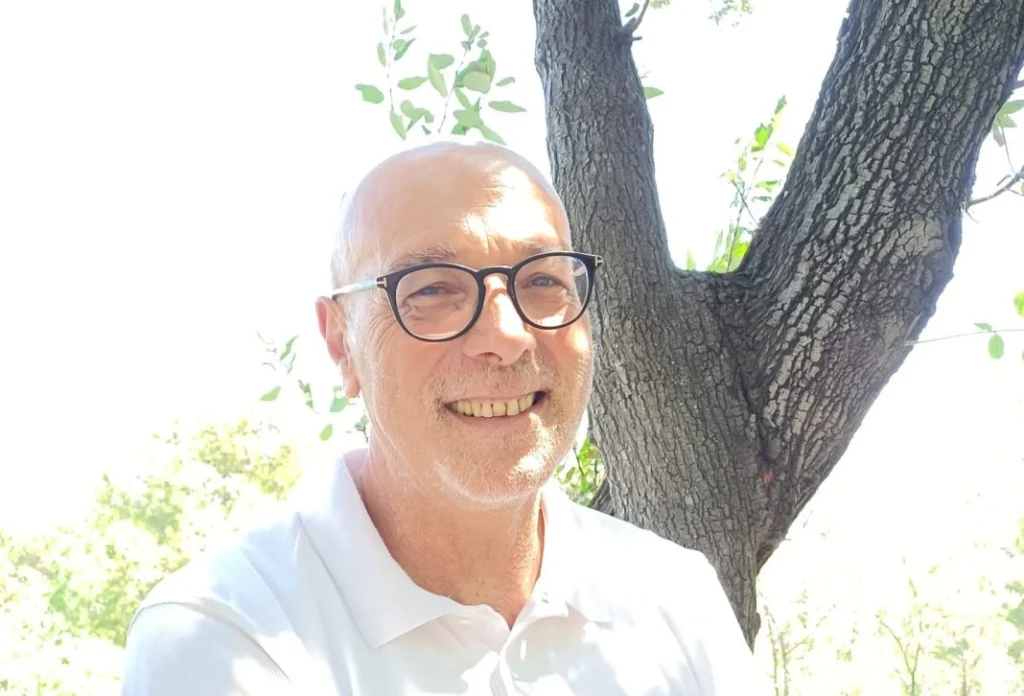
One year ago, Vincenzo Carbone left us. Vincenzo was a leading scientist in nonlinear geophysics, turbulence, and complex systems, influencing fluid and plasma physics, weather and space weather, solar–terrestrial relations, and climate dynamics. Yet for those who worked closely with him, his legacy goes well beyond his remarkable scientific achievements. Scientific Contributions and Impact Over …[Read More]
GeoTalk: meet Silke Asche, researcher of the origin of life on other planets!
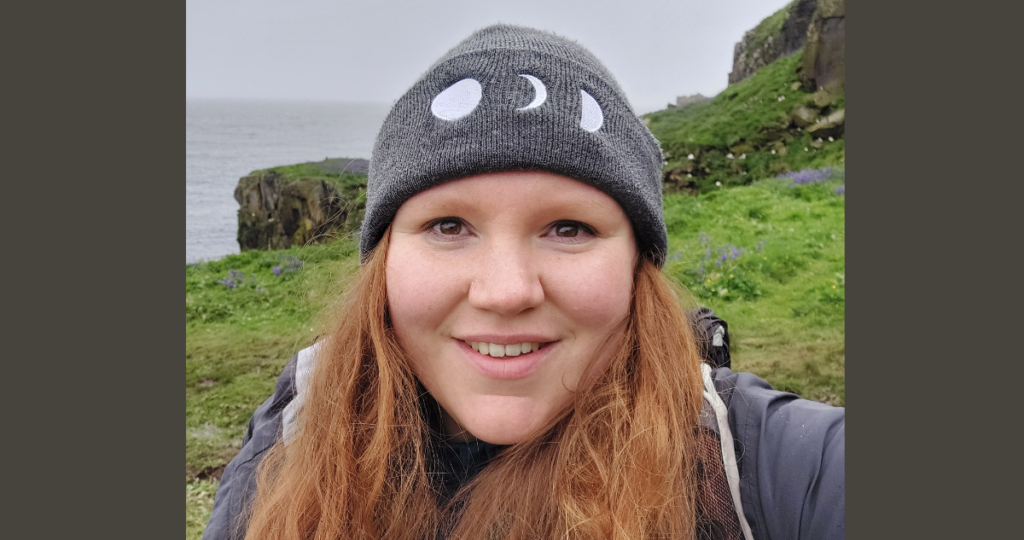
Hello Silke and welcome to GeoTalk! Before we dig into your topic of expertise, could you introduce yourself to our readers? Hello, Simon. My name is Silke Asche, and I am a chemist in astrobiology and part of the Agnostic Biosignature Collective led by Dr Heather Graham at NASA’s Goddard Space Flight enter. My Ph.D. …[Read More]
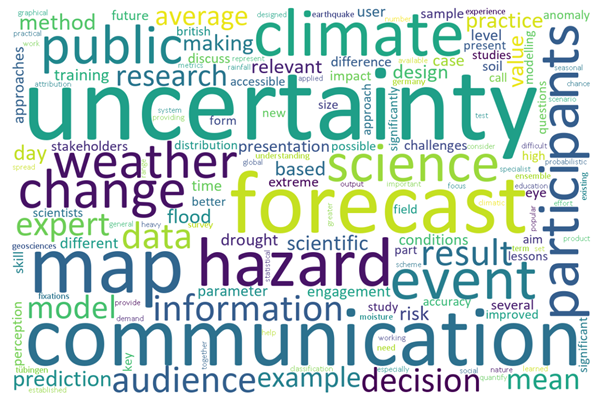
Communicating uncertainty to non-experts: A good problem to tackle
Uncertainty in geosciences is an inherent part of scientific processes and assessments, propagating throughout the entire workflow (Pérez-Díaz et al., 2020). As scientists, we are used to seeing error bars, confidence intervals, or statistical indicators that tell us how robust our models or measurements are (Padilla et al., 2021). The challenge arises when we need …[Read More]
Discover resources, research, training and more in EGU’s 2025 Webinars Roundup!
The European Geosciences Union hosts a busy digital programme throughout the year, from seminar-style Campfire events with online networking to free, half-day workshops funded by EGU and organised by our volunteer Committees. Sitting between the two are our webinars: free, community-driven events which are presented live with the recording published later on the EGU Youtube …[Read More]
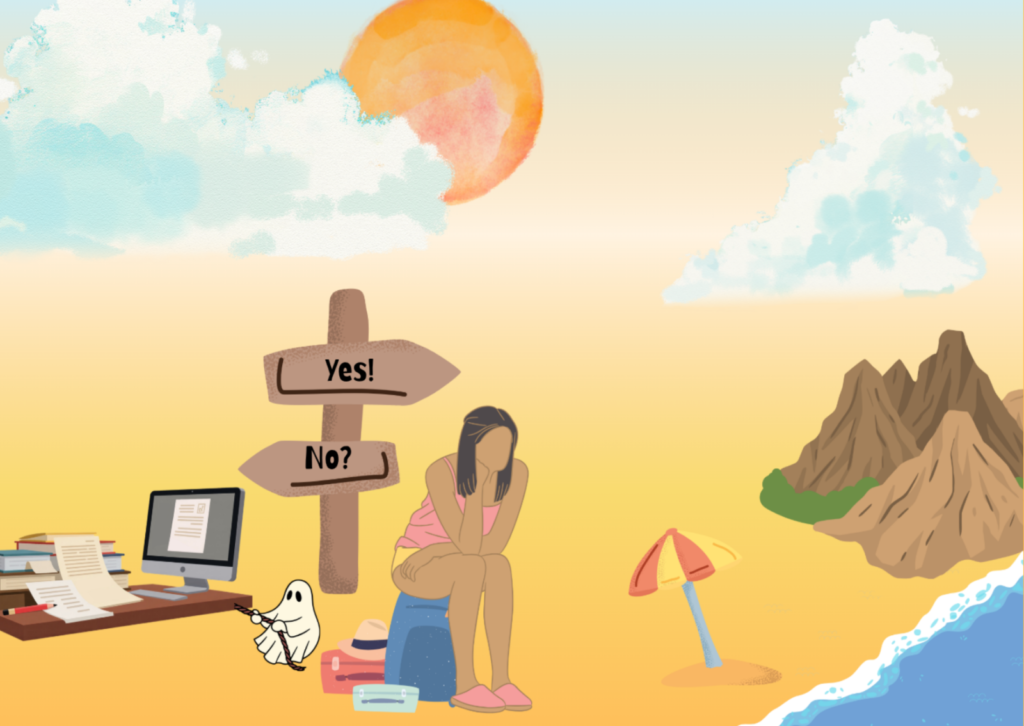
Taking time off in the academic world – Why it’s hard and how to do It
Several major holiday periods are coming up in the next months, and for many people this means taking some time off. But for academics, stepping away from work can be very difficult. At EGU25, we explored this challenge in a short course organized by the EGU “Life-Career Wellness” working group, where scientists shared their experiences …[Read More]
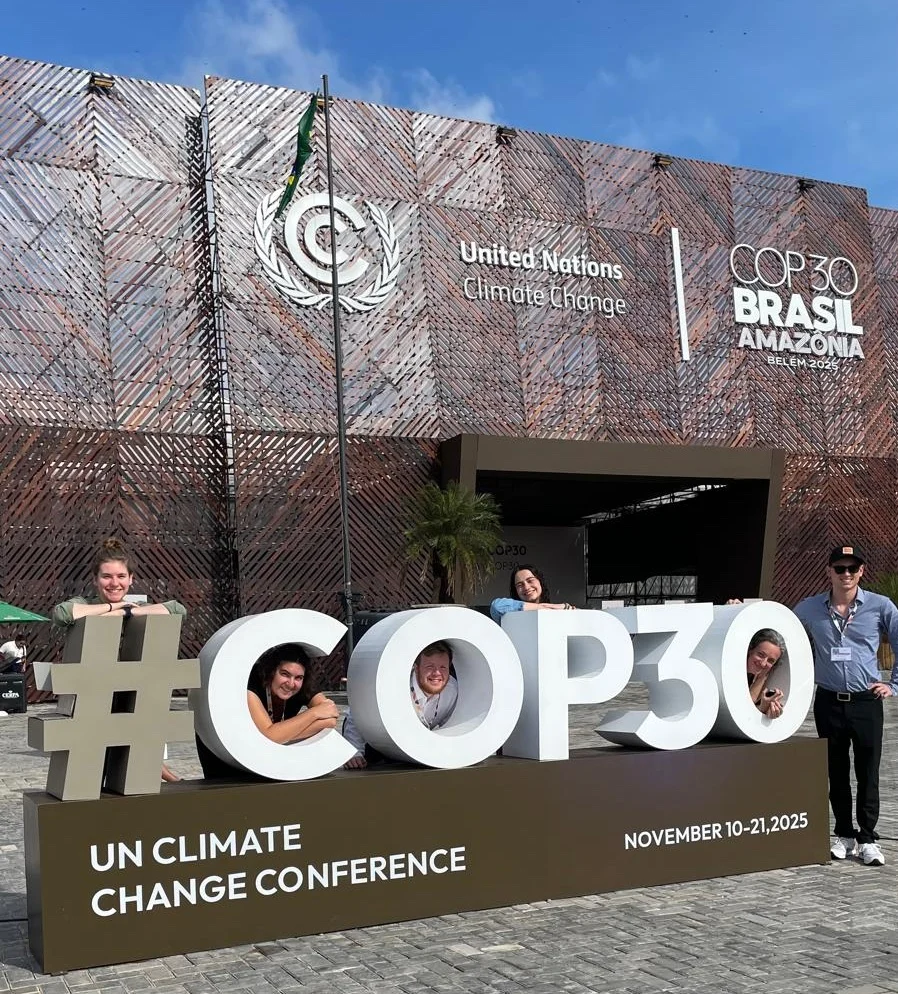
Speaking Up for the Cryosphere at COP30
During the climate negotiations at COP30, the global importance of a warming cryosphere was stressed in various formats. The UNFCCC Conference of Parties (this year’s COP30) marks the yearly global climate negotiations which formed the aim to limit global warming to well below 2 °C (the 1.5 °C target) with the Paris Agreement at COP21 …[Read More]
20 years of Climate of the Past: A journey through two decades of paleoclimate research
Twenty years ago, a small group of scientists set out to create a journal dedicated entirely to understanding Earth’s climate history. That journal, Climate of the Past (CP), was launched in 2005 as an international open-access journal of the European Geosciences Union (EGU), and over the past two decades it has become a cornerstone for …[Read More]
HydroTalks Podcast: Professor Li Li on data and models, water chemistry, climate change and science communication
Welcome to HydroTalks, the EGU HS division’s podcast series. In this episode, we interviewed Prof. Li Li (Li Li – Penn State), leader of the Li Reactive Water group at Penn State University. We talked about her research on using data and models for hydro-biogeochemical processes, river water quality, climate change, and research communication. Her …[Read More]