Detail of a photo: Large angular boulder beside a shallow pebbly stream in a grassy mountain valley, below steep forested slopes and rocky peaks under a dramatic blue sky, in heavily processed colours.
EGU Blogs

6012 search results for "6"

GD

Reflecting on the 2025 Gordon Research Seminar (GRS) – Interior of the Earth

Reflecting on the 2025 Gordon Research Seminar (GRS) – Interior of the Earth

This week in News & Views, Heidi Krauss, a PhD student at Michigan State University, shares her experience co-chairing the 2025 Interior of the Earth Gordon Research Seminar, held at Mount Holyoke College in South Hadley, Massachusetts. Earlier this year, I had the opportunity to help co-chair the Gordon Research Seminar (GRS) on the Interior …[Read More]

Mangroves: Our coastal guardians of soil, biodiversity, and climate

Mangroves: Our coastal guardians of soil, biodiversity, and climate

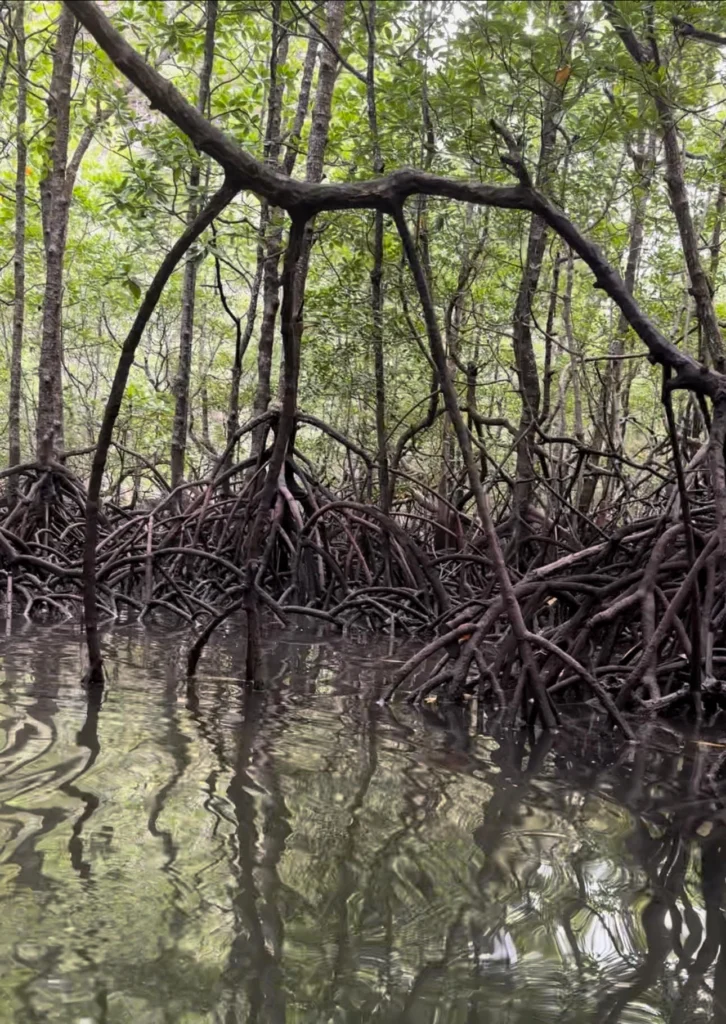
Mangrove forests, rare tidal woodlands at the interface of land and sea, are extraordinary ecosystems that bridge freshwater and marine environments. These forests support rich biodiversity and invaluable nursery habitat for fish and crustaceans, while also providing food, shelter, and cultural resources to millions of coastal communities. Think of mangroves as sea walls: their dense, …[Read More]

GD

Simulating the Deep Earth with MAGEMin: A Toolkit for Thermodynamic Modeling in Geodynamics

Simulating the Deep Earth with MAGEMin: A Toolkit for Thermodynamic Modeling in Geodynamics

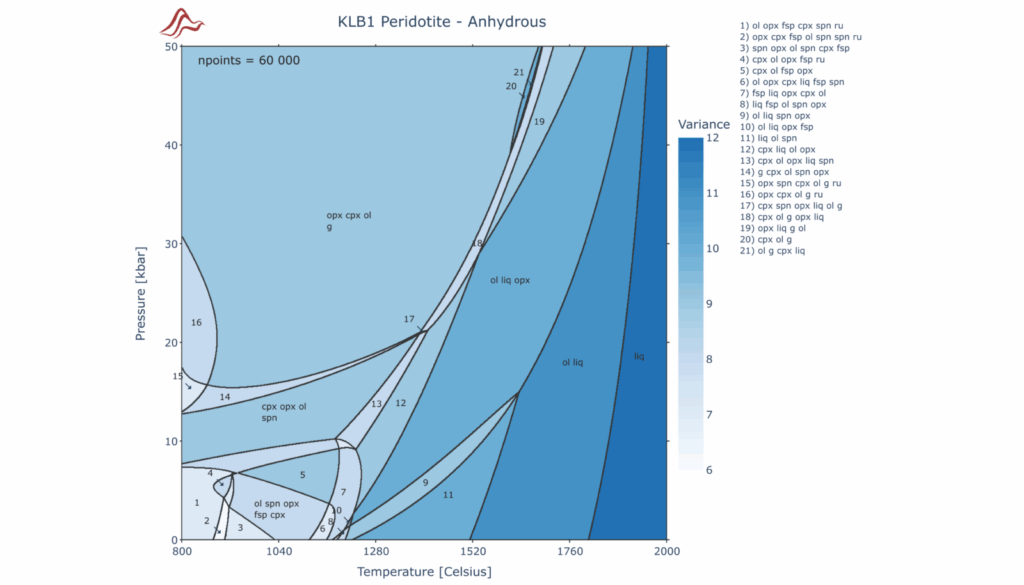
Understanding how rocks melt, deform, and evolve within Earth’s interior is a central challenge in geoscience. These processes span a wide range of spatial and temporal scales and are governed by complex interactions between temperature, pressure, composition, and phase stability. Capturing this complexity in numerical models requires integrating mineral thermodynamics directly into geodynamic modeling frameworks. MAGEMin …[Read More]

BG

My EGU25 highlights: Inspiring inland water greenhouse gas emission science

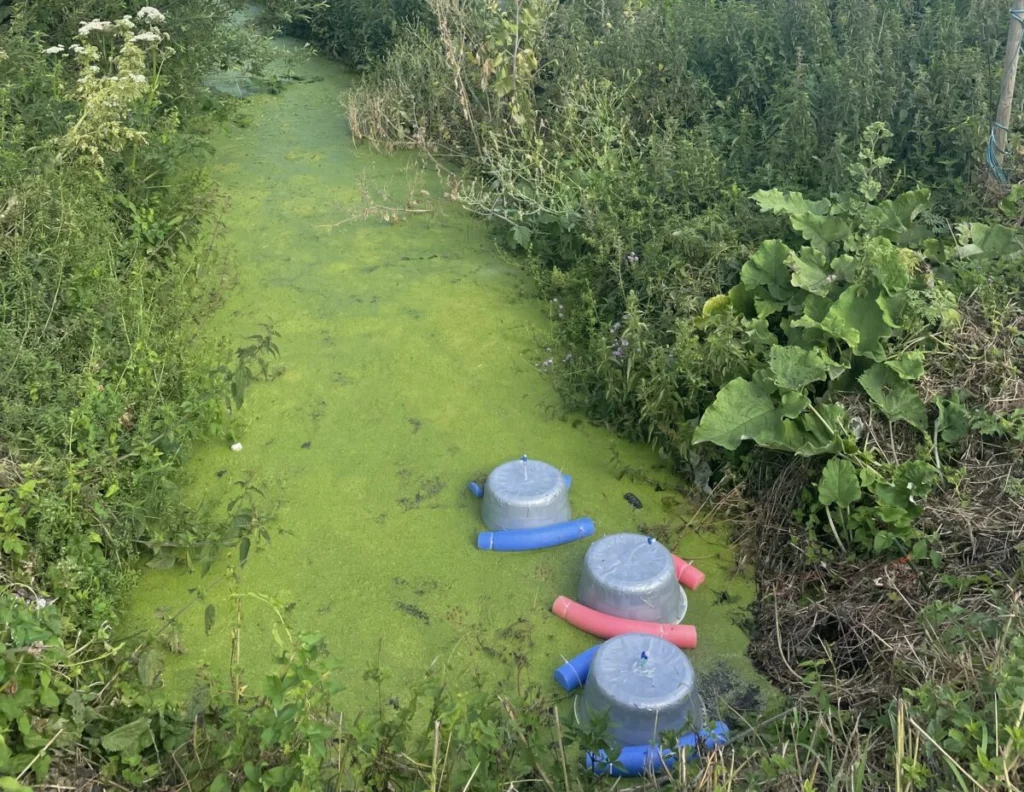
field measurements of greenhouse gas emissions using floating chambers on a agricultural drainage ditch.

The notion that inland waters are passive participants in biogeochemical cycling, with lakes as recipients and rivers as pipes, has long been overturned. More and more research suggests the global importance of inland waters in biogeochemical cycles, particularly in greenhouse gas (GHG) exchange. EGU25 had a remarkable line-up of talks and posters on inland water …[Read More]

ST

Chasing Auroras 41 Millennia Ago with Agnit Mukhopadhyay and Sanja Panovska

Chasing Auroras 41 Millennia Ago with Agnit Mukhopadhyay and Sanja Panovska

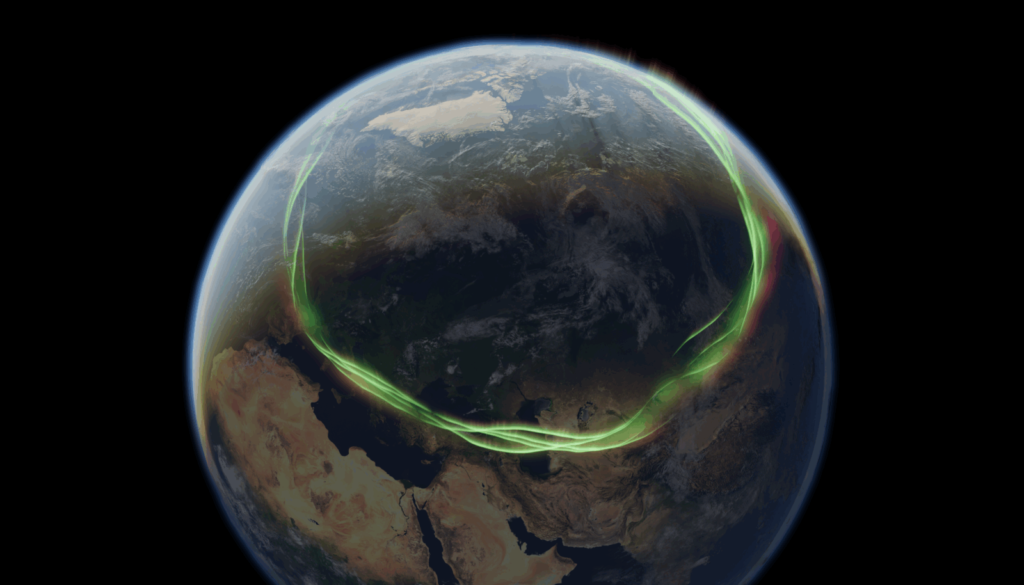
Approximately 41,000 years ago, during the Laschamps geomagnetic excursion, Earth’s magnetic field experienced a significant disturbance. The strength of the magnetic field decreased to only 10% of what it is today, the magnetic poles shifted considerably from the geographic poles, and the magnetosphere—the protective layer surrounding our planet—became smaller and distorted in previously unvisualized ways. …[Read More]

SSS

🌱 Nurturing the Next Generation of Soil Scientists: Meet the SSS EGU Early Career Scientists Team

🌱 Nurturing the Next Generation of Soil Scientists: Meet the SSS EGU Early Career Scientists Team

Soil is more than just dirt beneath our feet, it’s a living, breathing system that sustains ecosystems, regulates climate, and supports agriculture. At the heart of advancing our understanding of these vital systems is a dynamic group of early career researchers working within the Soil System Sciences (SSS) Division of the European Geosciences Union (EGU). …[Read More]