
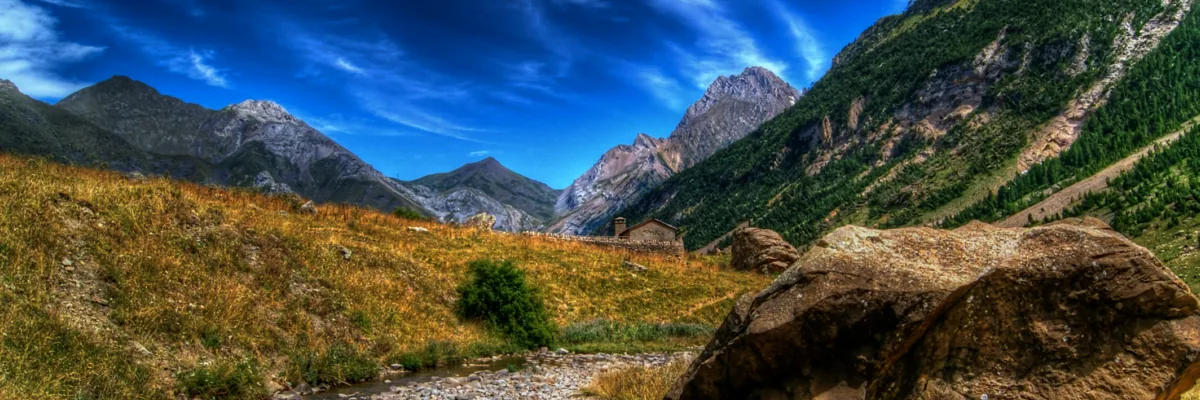
Sorcha Q:Why didn’t the geologist want his Christmas dinner? A: He lost his apatite. Elspeth Q: Who did Santa bring along to perform at the Earth Sciences Christmas party? A: Elf-is Presley! Charly Q: What is Father Christmas’s favourite element? A: Holmium (Ho Ho Ho!) KT Q: What happened to Rudolph when he accidentally ate …[Read More]
6009 search results for "6"
If you didn't find what you were looking for, try searching again.
Imaggeo on Mondays: Wadis in a war zone
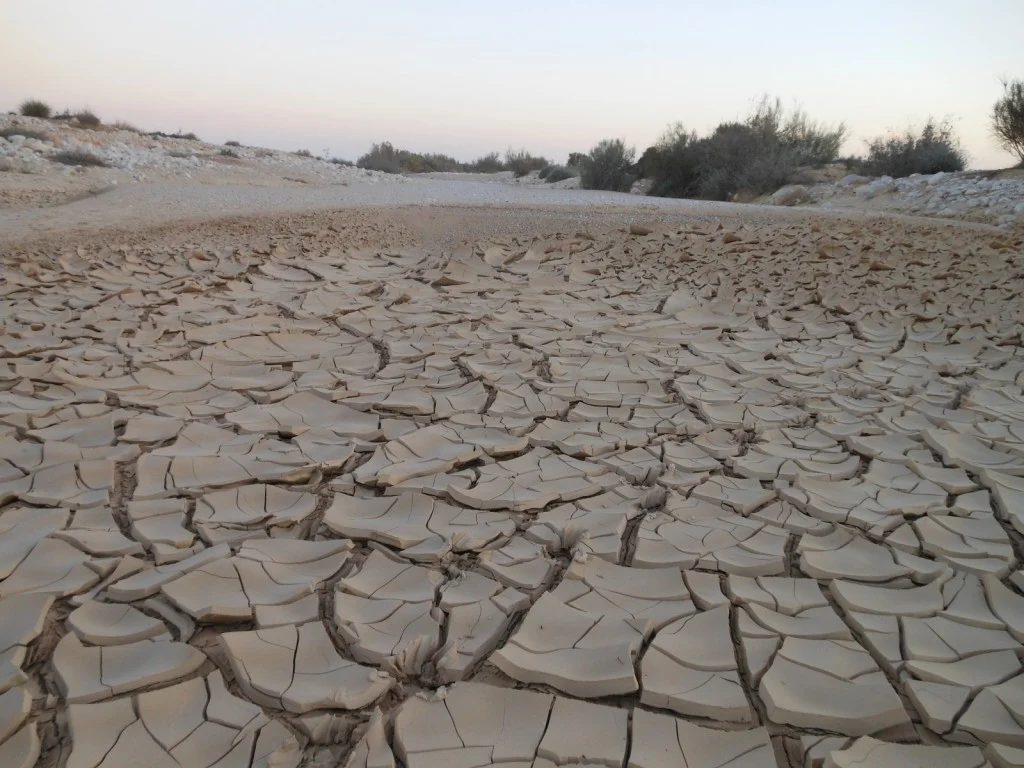
The range of challenges scientists face when carrying out Earth science research in the field are vast. However, the story behind Vincent Felde’s, a PhD candidate at Giessen University, image of the wadi, is truly remarkable and highlights how geoscientific research is not limited by borders or conflict. Wadi Nizzana (the Arabic term used to …[Read More]
When Astronomy Gets Closer to Home: Why space weather outreach is important and how to give it impact
When the public think about natural hazards, space weather is not the first thing to come to mind. Yet, though uncommon, extreme space weather events can have an economic impact similar to that of large floods or earthquakes. Although there have been efforts across various sectors of society to communicate this topic, many people are …[Read More]
Science Snap (#35): Twinning
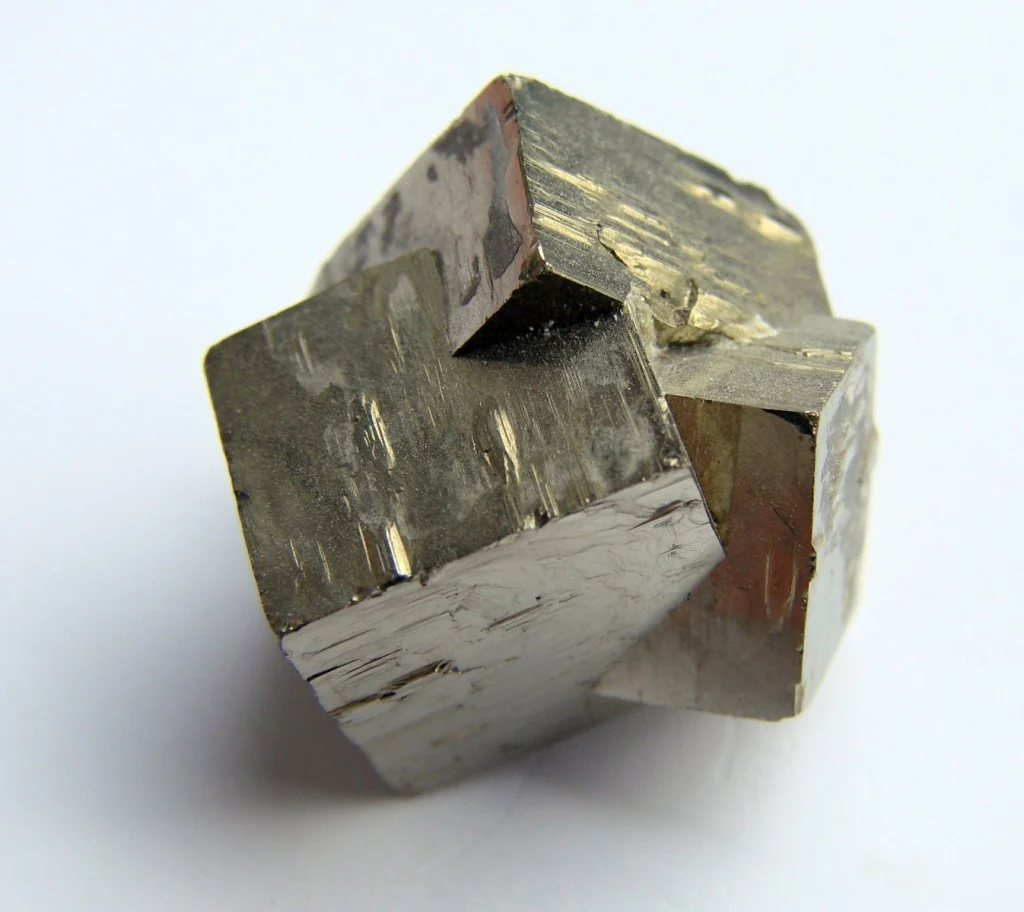
Twinning is a phenomenon in mineralogy whereby a single crystal of a mineral has two or more parts in which the crystal lattice is differently orientated. The shared surface between two twins is called the composition or twin plane, and the orientation to either other is determined by symmetry through rotation or reflection; this relationship …[Read More]
GeoTalk: Nick Dunstone, an outstanding young scientist
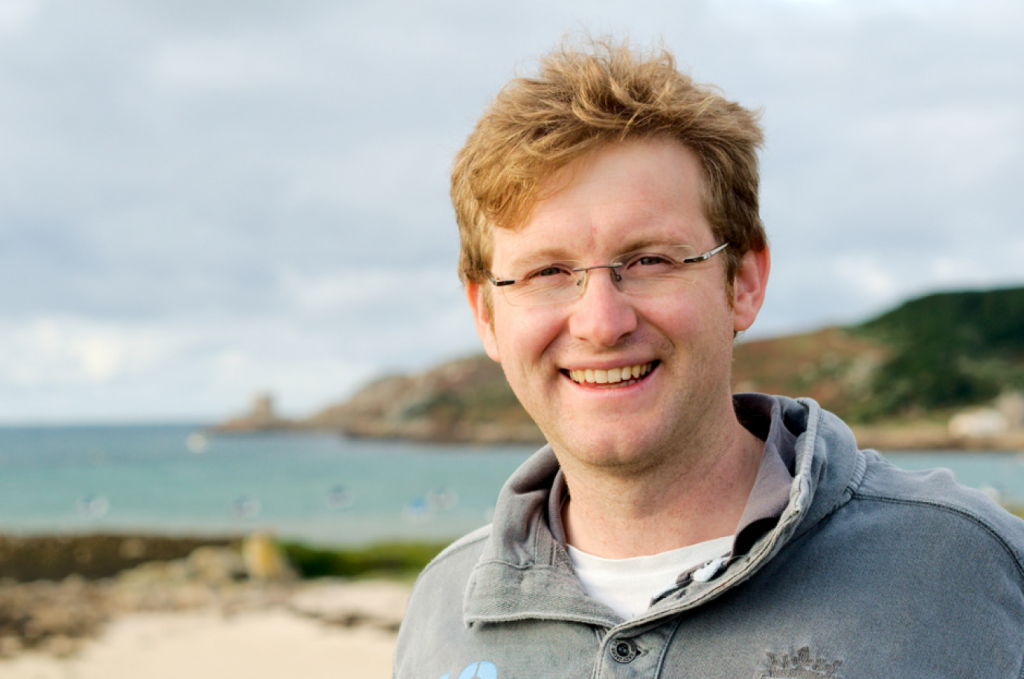
Nick Dunstone, the winner of a 2014 EGU Division Outstanding Young Scientists Award, who studies the Earth’s climate and atmosphere, including how they are impacted by natural variation and anthropogenic emissions talks to Bárbara Ferreira, the EGU Media and Communications Manager, in this edition of GeoTalk. This interview was first published in our quarterly newsletter, …[Read More]
#EGU15 – Some Sessions of Interest (2) – Natural Hazards and Society
We’re expecting a strong GfGD presence again at the European Geosciences Union General Assembly in 2015 and look forward to meeting some of you there. Last week we noted some great sessions on natural hazards education, communications and geoethics (all with exemption from abstract processing charges). Here we note some sessions from the ‘Natural Hazards and Society’ session …[Read More]
Imaggeo on Mondays: A single beam in the dancing night lights
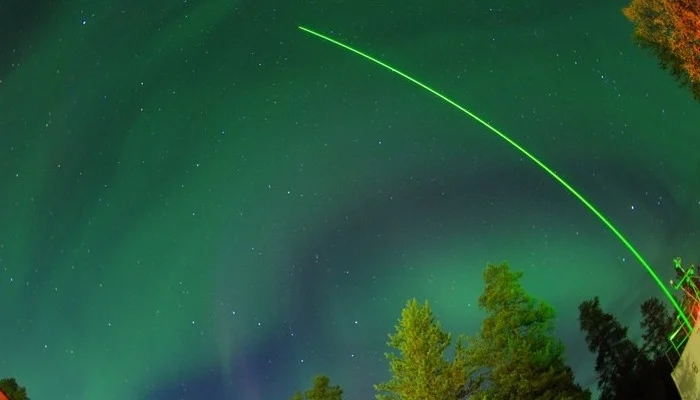
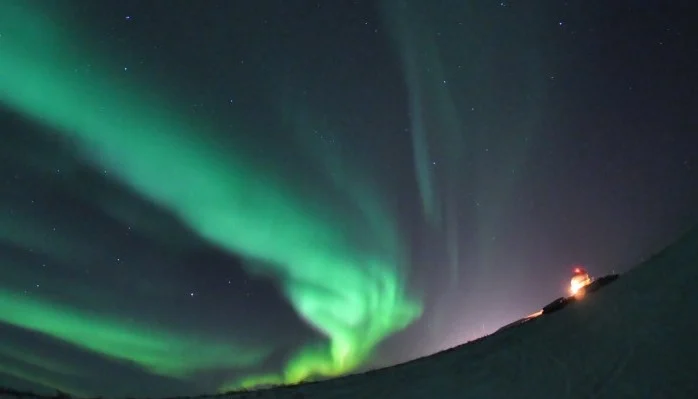
Research takes Earth scientists to the four corners of globe. So, if you happen to have a keen interest in photography and find yourself doing research at high latitudes, chances are you’ll get lucky and photograph the dancing night lights: aurora (or northern lights), arguably one of the planet’s most breath taking natural phenomenon. That …[Read More]
Active groups in Geomorphology around Europe
When setting up the first ideas for this blog Jan, Lucy and I started to research different national groups of geomorphologists from around Europe. Lucy came up with 13 contacts to groups in Europe and some were happy to write some short notes about their great work national and partly international. To give you a …[Read More]
Outreach on the slopes.
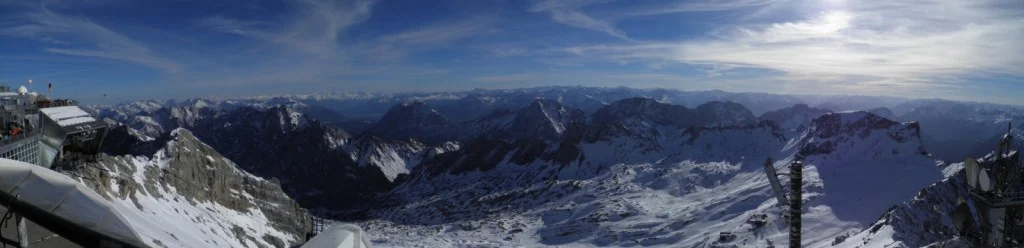
One of the beauties of living in Munich is that the Alps are, practically, on your door step. As I mentioned in one of our more recent posts, now that I am here, I’m looking forward to exploring the city, its surroundings and further afield! Making it to the top That is exactly what I …[Read More]
Images of Guatemala (8) – Volcanic Observatories
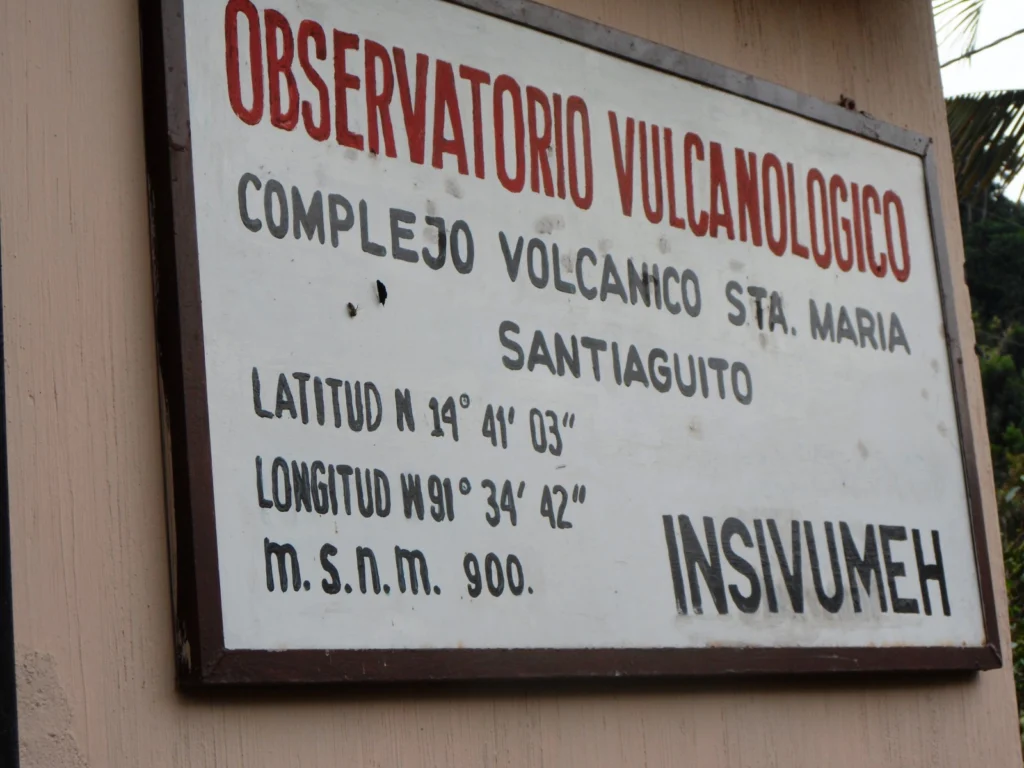
The volcanic observatories, run by the National Institute for Seismology, Volcanology, Meteorology and Hydrology (INSIVUMEH), are based close to Guatemala’s active volcanoes, including Fuego and Santiaguito. Observers, located at each observatory, make observations and work with those in the local community to share information about the volcano. Our fundraising project will be working to strengthen …[Read More]