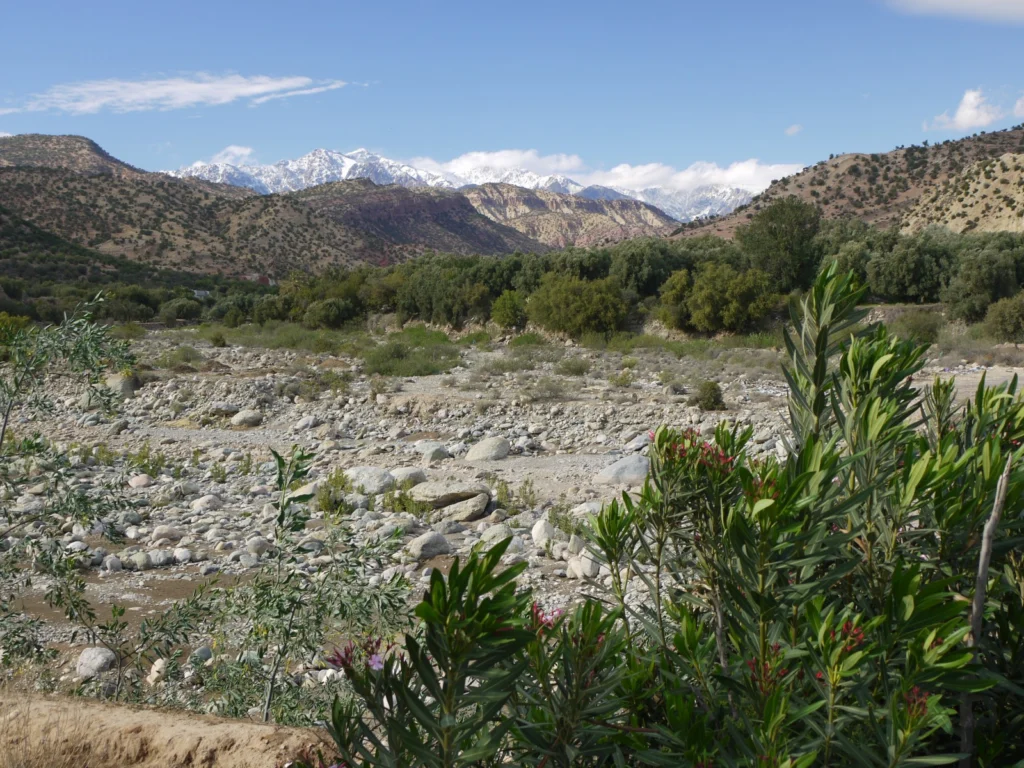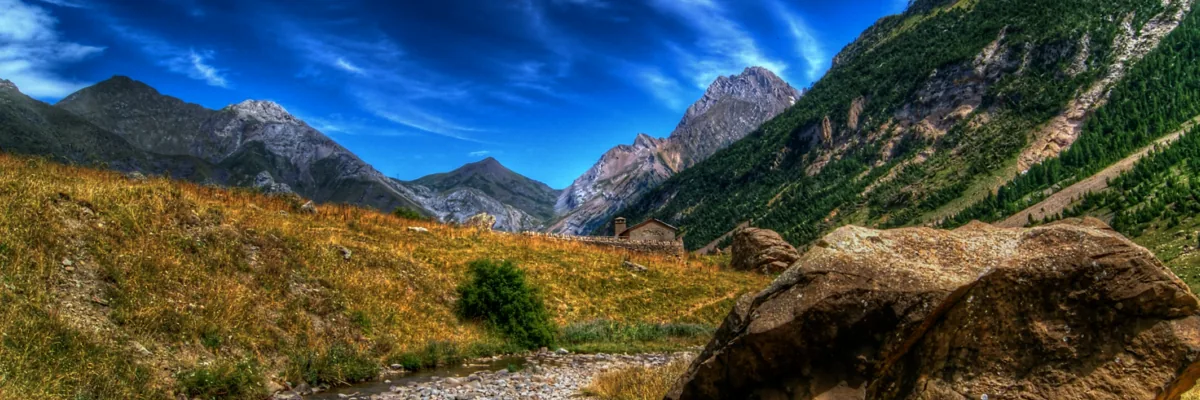
This week’s Imaggeo on Mondays image blends a range of geoscience disciplines. The post, by Irene Marzolff, a researcher at Johann Wolfgang Goethe-Universitaet, explores how the mountains, rivers and soils of the High Atlas in Morocco are intrinsically linked to the agriculture of the region. The image was taken in the southern slopes of the …[Read More]
6040 search results for "6"
If you didn't find what you were looking for, try searching again.
GeoTalk: Deciphering the mysteries of the Mediterranean Sea with Katrin Schroeder
Geotalk is a regular feature highlighting early career researchers and their work. Following the EGU General Assembly, we spoke to Katrin Schroeder, the winner of a 2015 Arne Richter Award for Outstanding Young Scientists. First, could you introduce yourself and tell us a little more about your career path so far I am a physical …[Read More]
Words on Wednesday: Brief Communication – The dark side of risk and crisis communication: legal conflicts and responsibility allocation
Words on Wednesday aims at promoting interesting/fun/exciting publications on topics related to Energy, Resources and the Environment. If you would like to be featured on WoW, please send us a link of the paper, or your own post, at ERE.Matters@gmail.com. *** Scolobig, A.: Brief Communication: The dark side of risk and crisis communication: legal conflicts and responsibility allocation, …[Read More]
Geology Photo of the Week #44
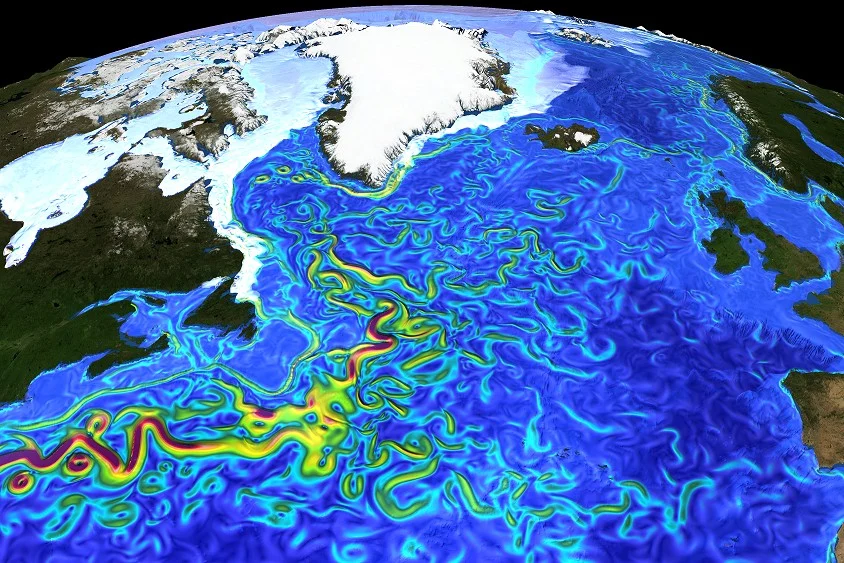
For a bit of a change of pace the photo of the week this week isn’t a photo at all. Rather it’s a fascinating model output showing ocean surface currents in the North Atlantic. The Gulf Stream is clearly visible as it flows past Atlantic Canada and out towards the middle of the north Atlantic. …[Read More]
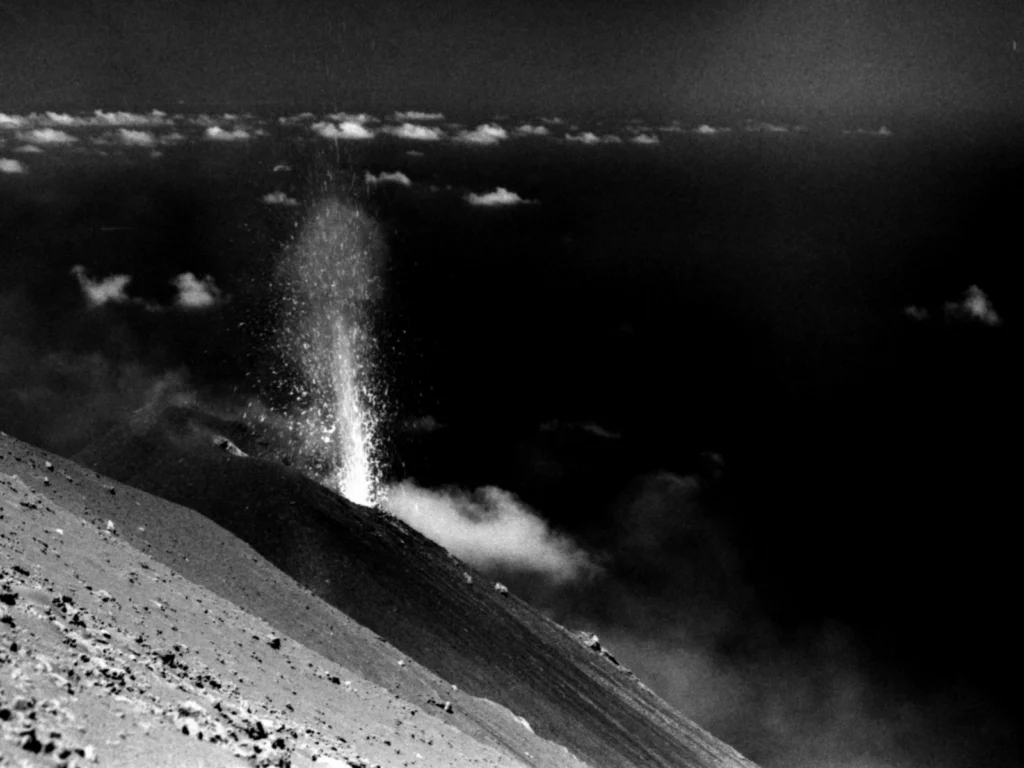
Imaggeo on Mondays: Strombolian eruption
Jonas Kuhn, a researcher at Heidelberg University , took the photograph during a field campaign at Stromboli volcano in Italy. The objective of this campaign was to gather data from different gaseous compounds of the volcanic plume. Via emission fluxes of volcanic gases (e.g. SO2, CO2, halogen compounds…) or the ratio of emitted gases, one …[Read More]
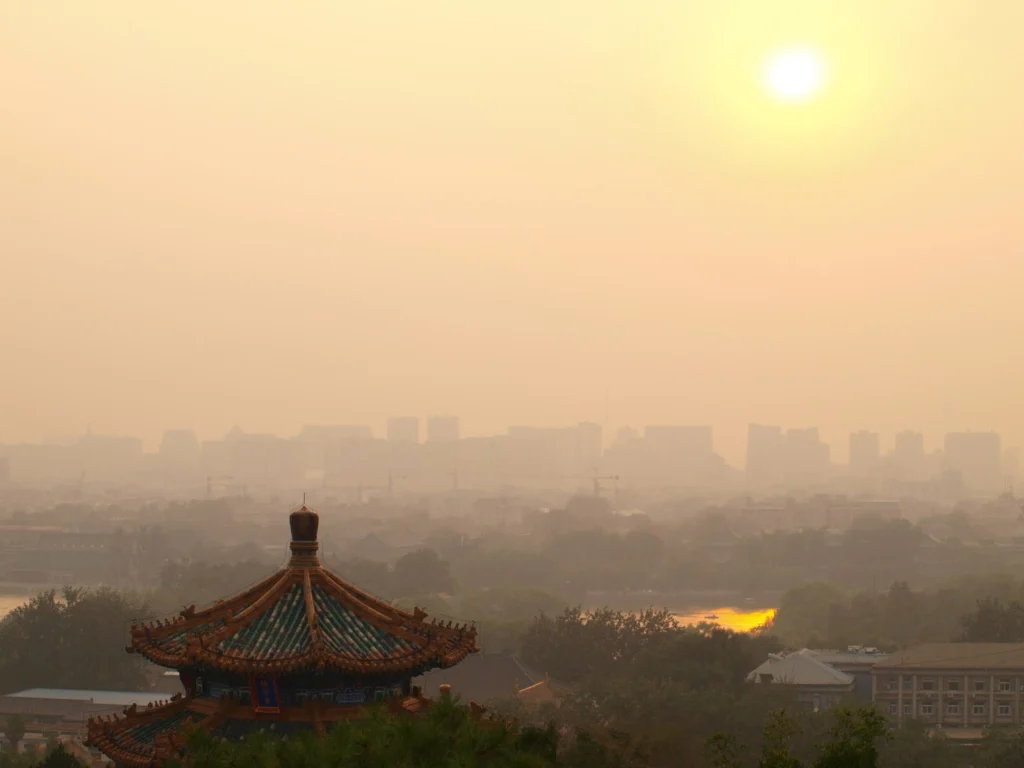
Booming Beijing: the impact of urban growth on local environment
The global population is ever-growing. Cities are expanding at a rapid pace. A recent study by Mark Jacobsen of Stanford University and Son Nghiem of NASA’s Jet Propulsion Laboratory investigated the urban growth of Beijing, China (published on June 15th in the Journal of Geophysical Research – Atmospheres). Their results showed that the city had …[Read More]
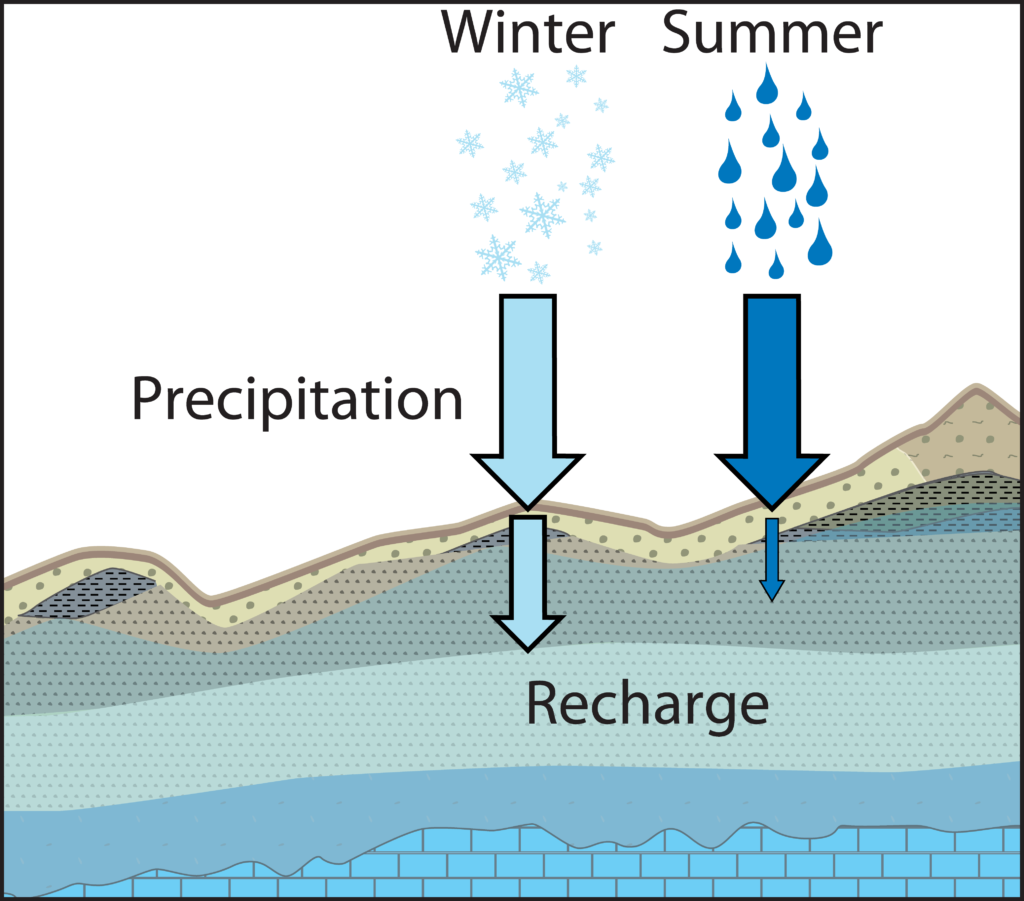
When it snows, it pours (into aquifers)! Recharge seasonality around the world…
Written by Scott Jasechko University of Calgary isohydro.ca twitter.com/sjasechko Groundwater is renewed by rain and melted snow that moves under the ground, a process called groundwater recharge. The percentages of summer versus winter precipitation that make it under the ground are expected to be different for a number of reasons including larger plant water use …[Read More]
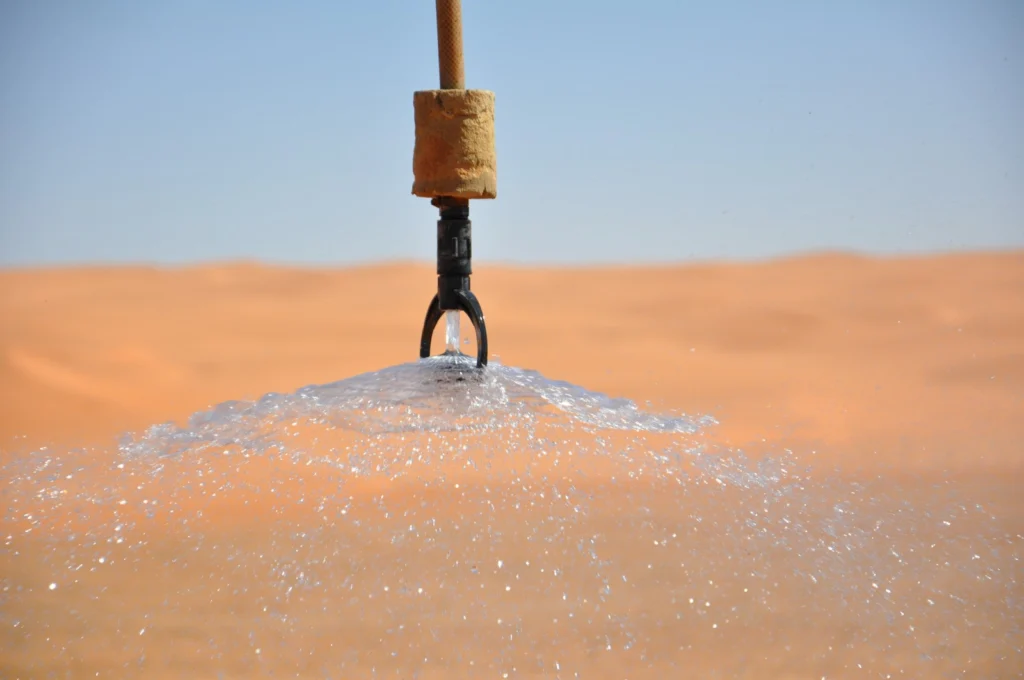
Geosciences Column: When water is scarce, understanding how we can save it is important
Supplies of water on Earth are running dry. The rate at which an ever growing population consumes this precious resource is not matched by our Planet’s ability to replenish it. Water scarcity is proving a problem globally, with regions such as California and Brazil facing some of the most severe water shortages on record. Used …[Read More]
Towards observation-based gridded runoff estimates for Europe
Words on Wednesday aims at promoting interesting/fun/exciting publications on topics related to Energy, Resources and the Environment. If you would like to be featured on WoW, please send us a link of the paper, or your own post, at ERE.Matters@gmail.com. *** Gudmundsson, L. and Seneviratne, S. I.: Towards observation-based gridded runoff estimates for Europe, Hydrol. Earth Syst. Sci., 19, 2859-2879, …[Read More]
Is research on ‘regional groundwater flow’ stagnant or still flowing?
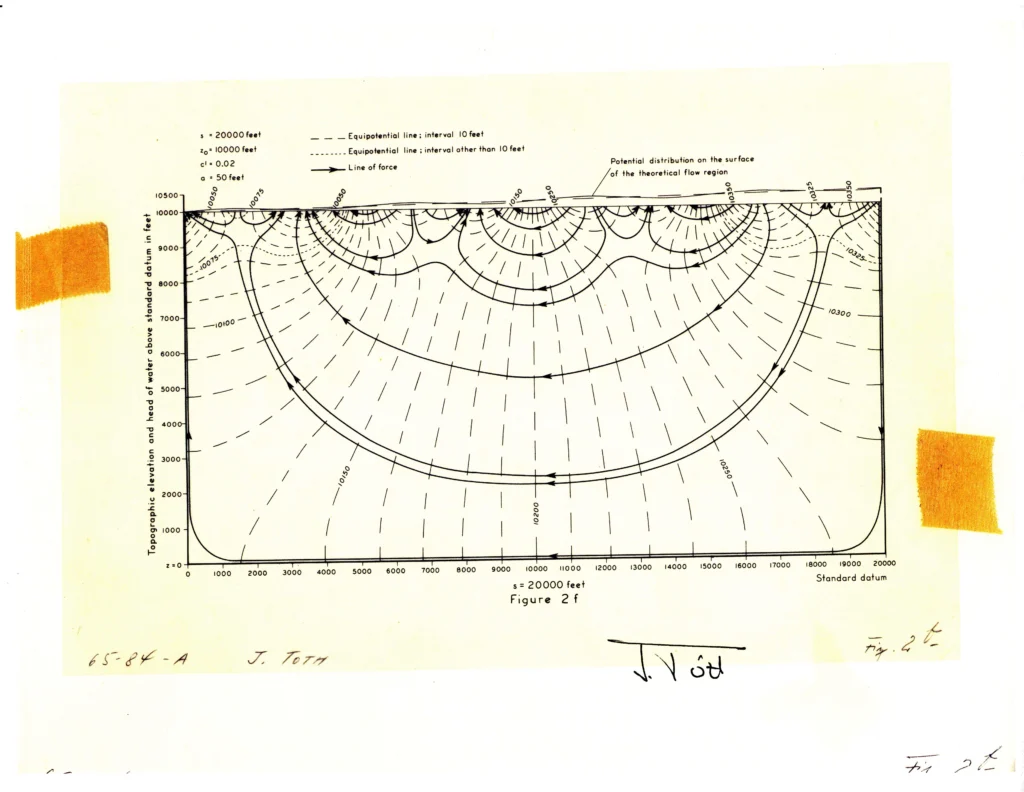
Written by Brian Smerdon IAH regional groundwater flow commission In the early 1960’s József Tóth published seminal work on the concept of regional scale flow and nested flow systems. His work built on the “theory of groundwater motion” by M.K. Hubbard, and seemed to come along just at the right moment in history of hydrogeology. …[Read More]