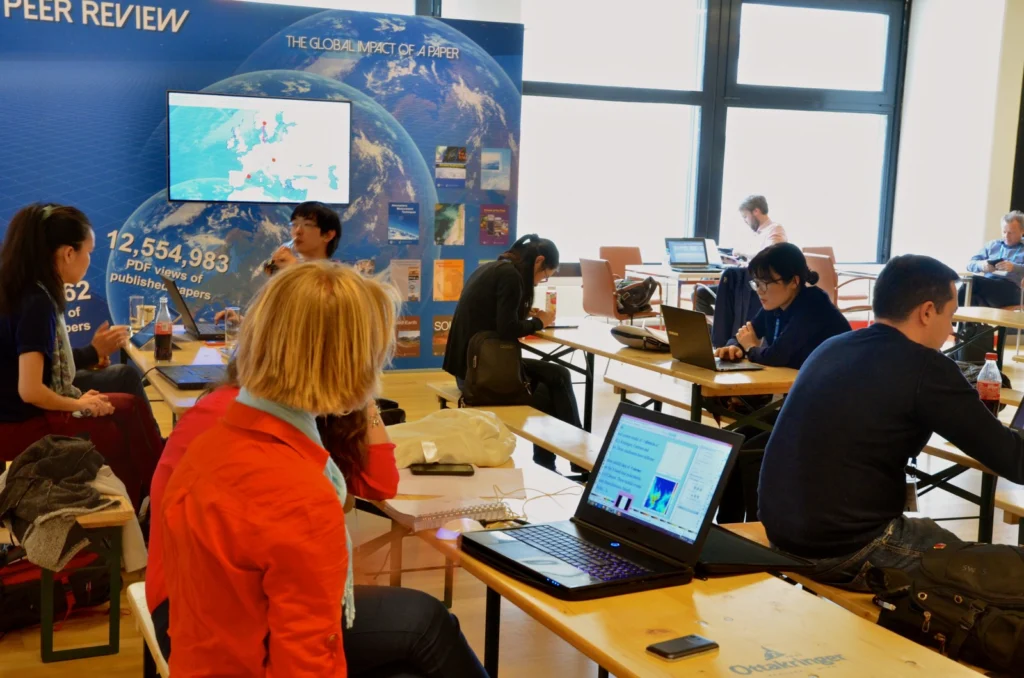
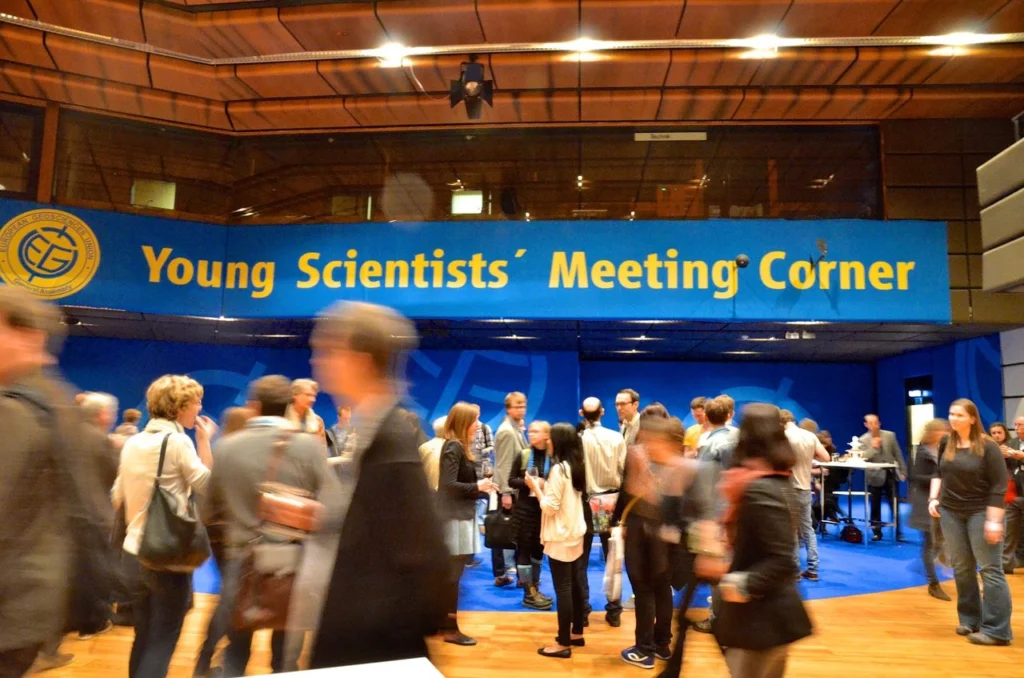
For the first time at the 2016 General Assembly, which is taking place in Vienna, Austria, from 17–22 April, we will be implementing a Student Reporter Programme. A team of volunteer early career researchers will report, via the Union’s social media outlets and blogs, on the findings presented at scientific sessions and press conferences during …[Read More]
6006 search results for "6"
If you didn't find what you were looking for, try searching again.
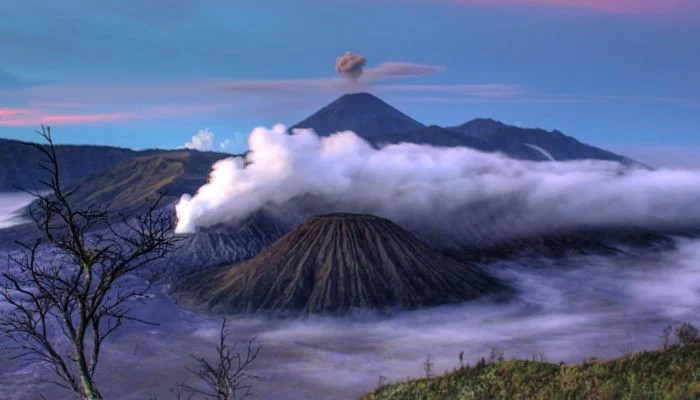
How does weather affect volcanoes?
I was taking a plane trip home recently. To kill the time I got talking with the person sitting next to me and naturally one of their first questions was to ask me what I did for a living. To avoid a complicated discussion about the nuances of my research I summarised – ‘I am …[Read More]
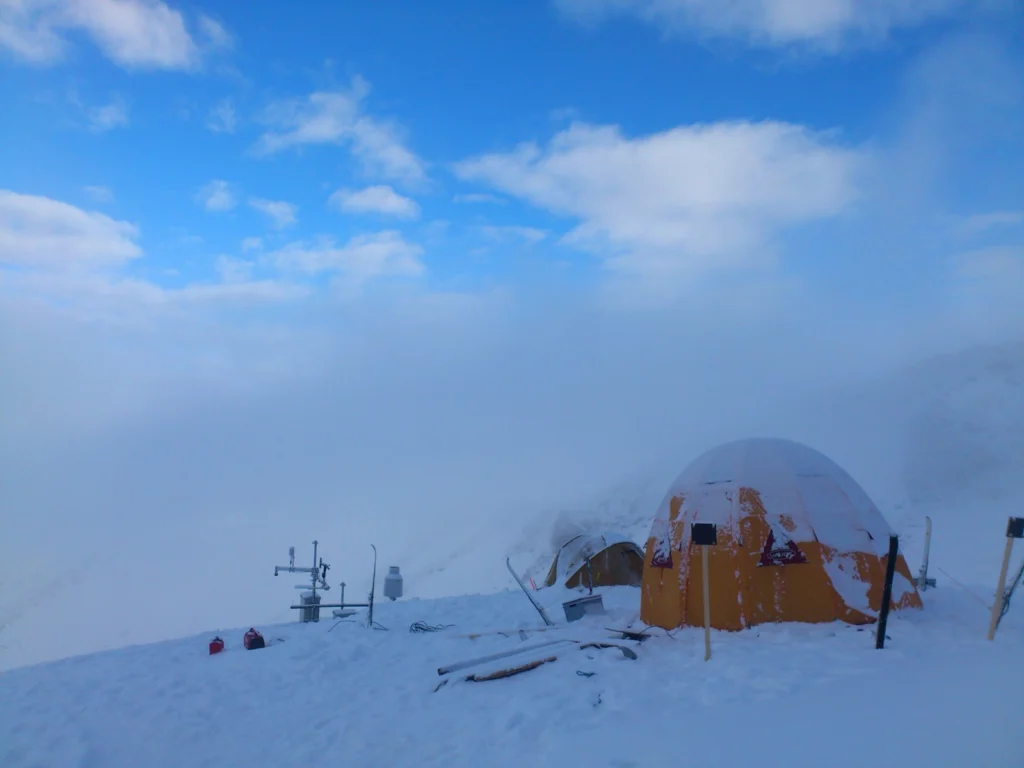
Bulgarian seismologists deploy seismic station in Antarctica
This week we caught up with Gergana Georgieva, an early career seismologist working at the Department of Meteorology and Geophysics, Sofia University. Gergana is an assistant professor, and a board member of the Bulgarian Geophysical Society. The team she is working in from Bulgarian Academy of Sciences and Sofia University has recently been awarded funding …[Read More]
Imaggeo on Mondays: Home Sweet Home
Can you imagine camping atop some of the highest mountains in Europe and waking up to a view of snowcapped peaks, deep valleys and endless blue skies? This paints an idyllic picture; field work definitely takes Earth scientists to some of the most beautiful corners of the planet. But, there often are two sides to …[Read More]
Icequakes! Stick-Slip motion under Western Greenland
Check out this very interesting read about Icequakes, available at the Cryospheric Sciences blog page. Cryosphere is the frozen water part of the Earth system, which includes ice that is found in the ocean, such as waters surrounding Antarctica and the Arctic. Read here: Cryospheric Sciences | Image of the Week: Icequakes! Stick-Slip motion under Western Greenland
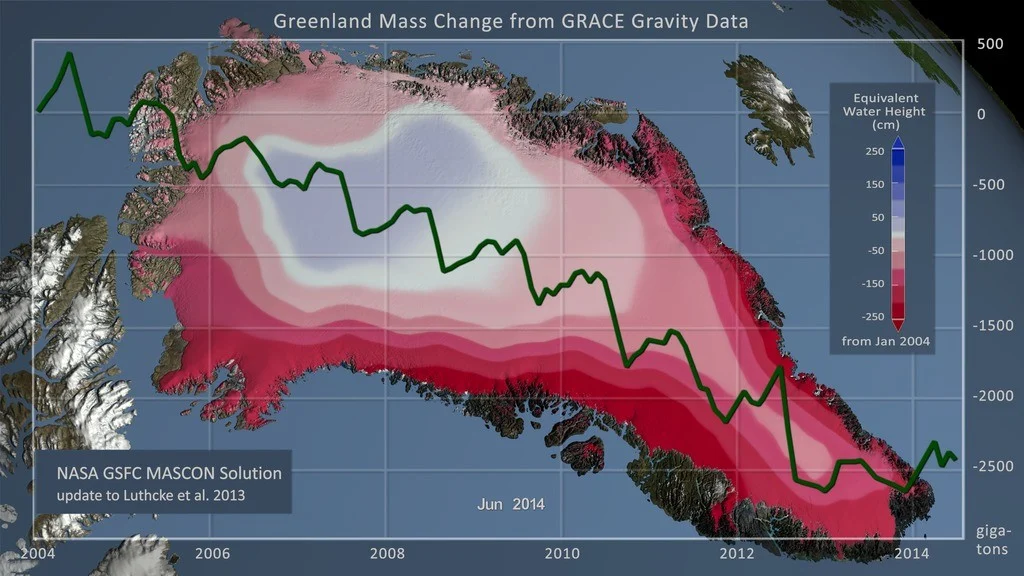
Image of the Week – Changes in the Greenland Ice Sheet Documented by Satellite
Monitoring the changing ice mass of the Greenland Ice Sheet provides valuable information about how the ice sheet is responding to changing climate, but how do we make these measurements over such a large area of ice? Using NASA’s GRACE satellites (twin-satellites flying in formation) it is possible to make detailed measurements of the Earth’s gravitational field. …[Read More]
GeoPolicy: Assessing environmental and social impact – applying policy in big industry
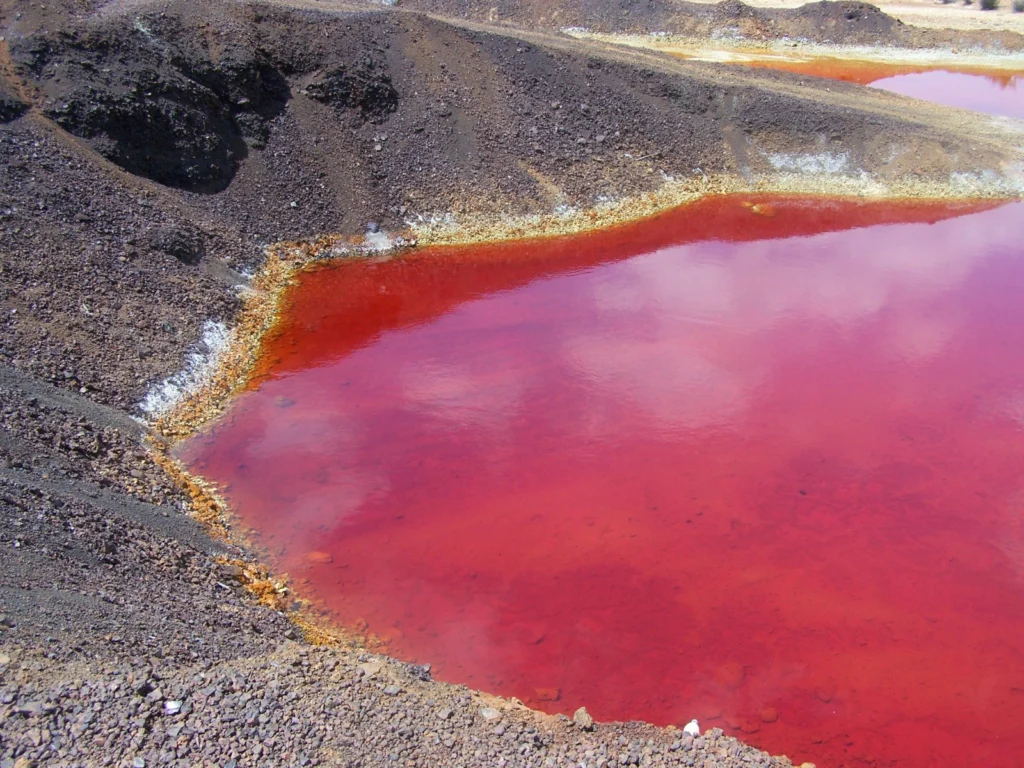
Former EGU Science Communications Fellow Edvard Glücksman is our second guest blogger for the newly established EGUPolicy column. Edvard is a Senior Environmental & Social Specialist at the UK-based consultancy Wardell Armstrong and an External Stakeholder Affiliate at the University of Exeter. He describes his work along the research-policy-industry interface. The collapse of a wastewater …[Read More]
Consider this: Take your career one step further
Early Career Scientist representative for the Seismology Division Why not take your career one step further? The Seismology Division within the European Geosciences Union is looking for an enthusiastic person to take the role of Early Career Scientist representative for the young generation of seismologists. Making awesome science is very important, but the scientific community …[Read More]
Imaggeo on Mondays: The Groapa Ruginoasa
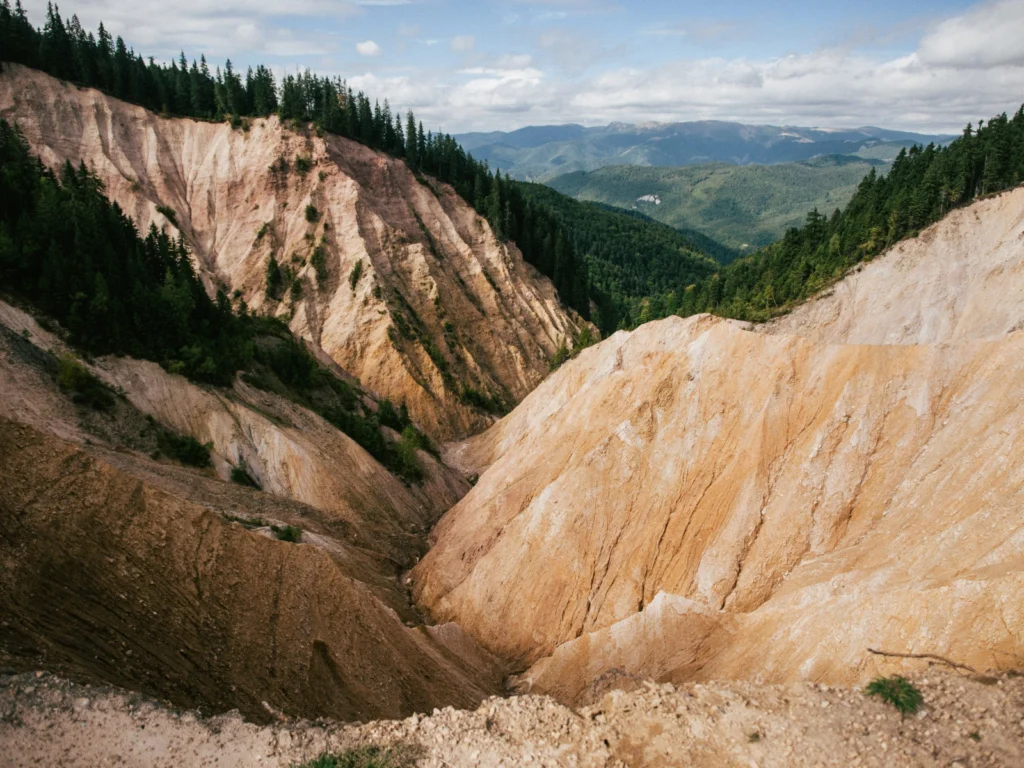
The Apuseni National Park, in Romania, is a geoscientists paradise. This 187,000 acre Park in the Western Carpathians boasts caves, deep valleys and gorges, karst landscapes, rocky steep walls and underground watercourses. The sheer beauty of the landscape is captured in today’s Imaggeo on Mondays image featuring the Groapa Ruginoasa, a deep sandstone ravine. “Locality …[Read More]
Geosciences Column: An international effort to understand the hazard risk posed by Nepal’s 2015 Gorkha earthquake
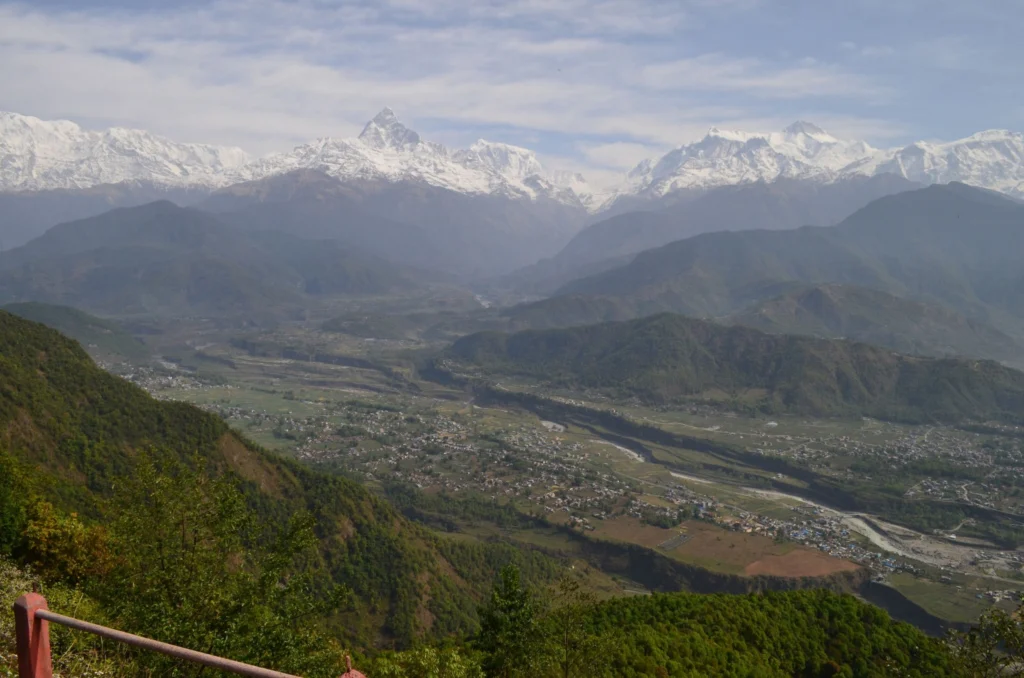
Nine months ago the ground in Nepal shook, and it shook hard: on April 25th 2015 the M7.8 Gorkha earthquake struck and was followed by some 250 aftershocks, five of which were greater than M 6.0. The devastation left behind in the aftermath of such an event, and how to coordinate disaster-relief efforts in a …[Read More]