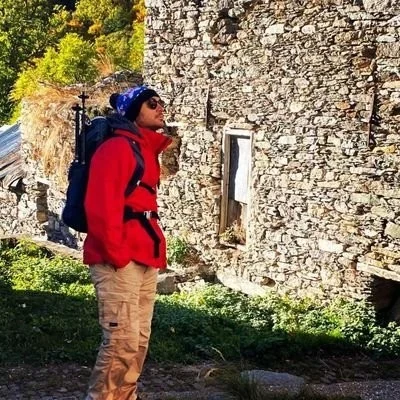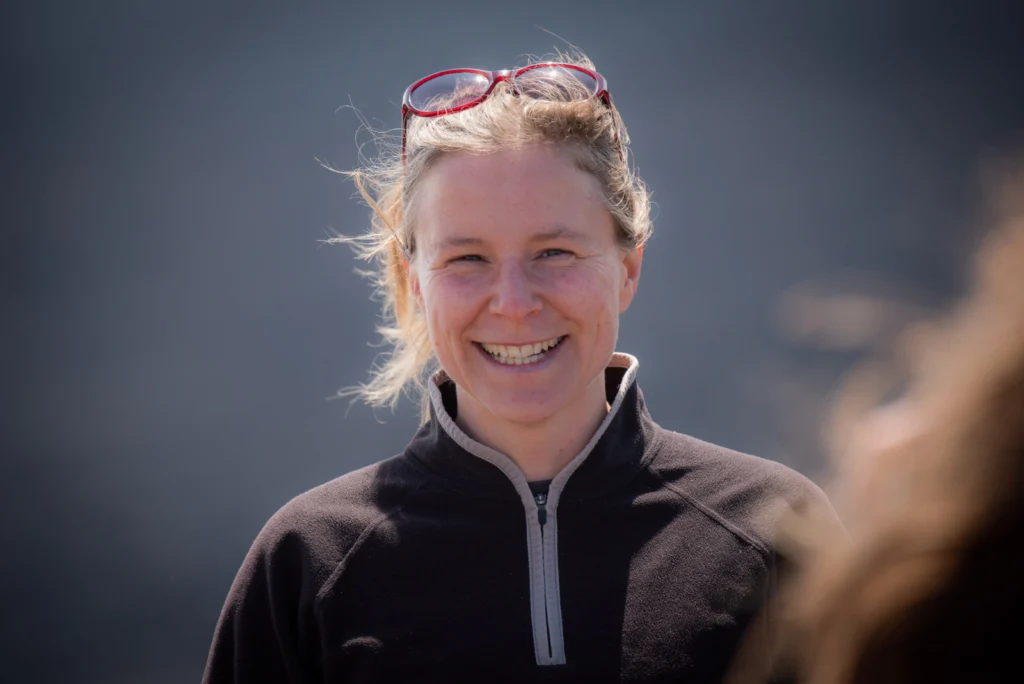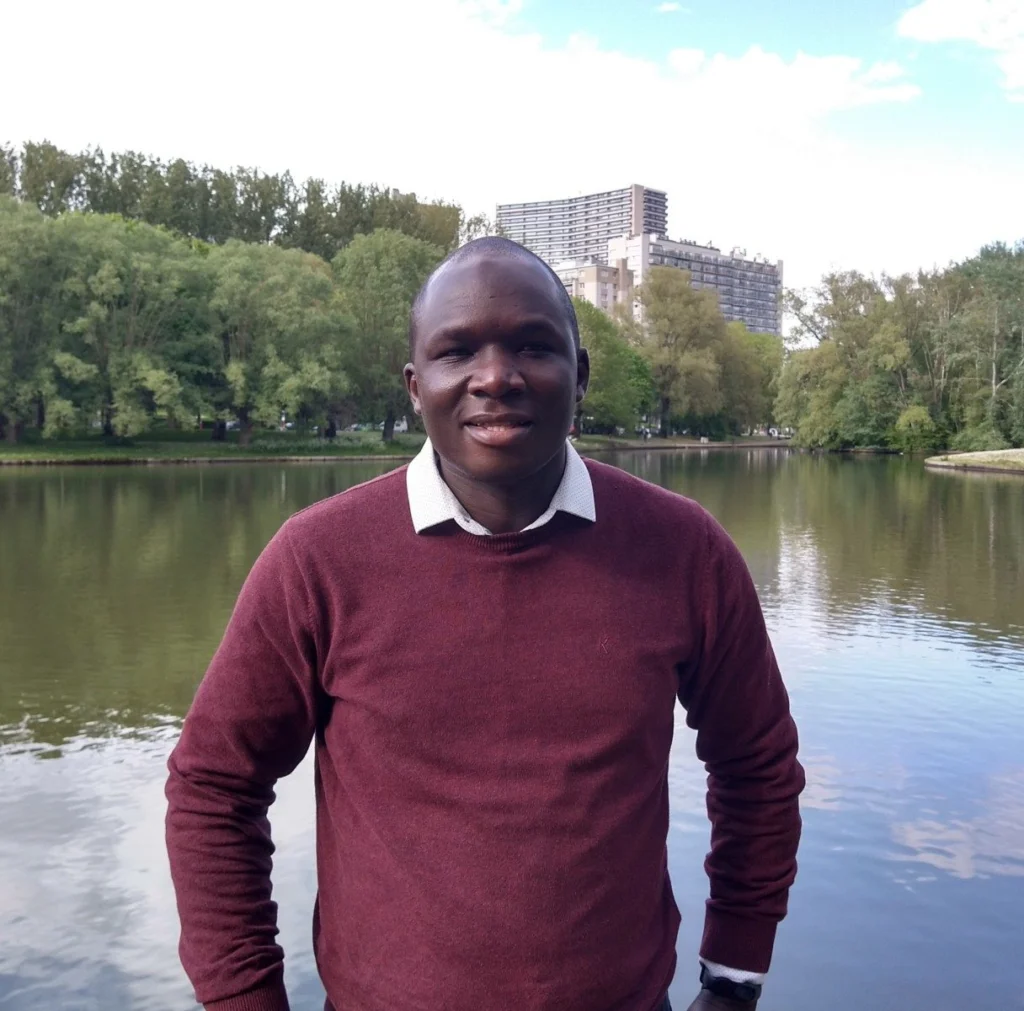
Hello Jarmo. Thank you for joining us for the interview today! Before we put our foot on the gas, could you tell us a little bit about yourself and your research? Hi Simon, nice to meet you! Thanks for inviting me to chat with you about my research, and perhaps a bit about the person behind this research – it’s an honour! The basics; I was born in the Netherlands and lived in South Korea, the UK, ...[Read More]
If you didn't find what you was looking for try searching again.
GeoLog
GeoPolicy: Competencies for researchers to achieve policy impact
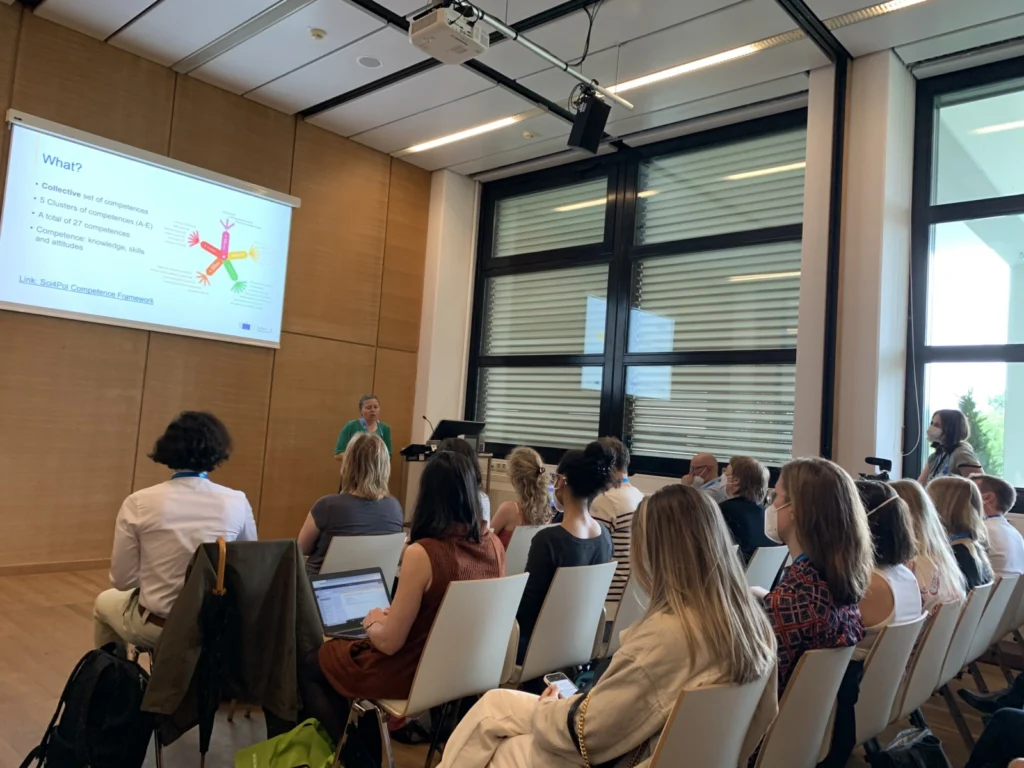
This month’s GeoPolicy Blog post features the Competence Framework ‘Science for Policy’ for researchers developed by the European Commission Joint Research Centre (JRC). This newly developed framework introduces the different competences scientists can collectively build to increase their policy impact, and how it can be used by research institutions and organisations. Throughout this post, ...[Read More]
GeoLog
GeoTalk: meet Alicia Fantasia, researcher in ancient Earth climates & ECS representative for SSP Division
Hello Alicia, thank you for agreeing to this interview! Before we dig in, could you tell us a little about yourself and your research? Hi Simon, many thanks for giving the nice opportunity to present my research activities. I am Alicia Fantasia and I was born in Switzerland. I have always been passionate about the Earth system, I am sensitive to current climate change issues, and … fascinated by d ...[Read More]
GeoLog
GeoTalk: Meet Alessandro Musu, magma researcher & science communicator!
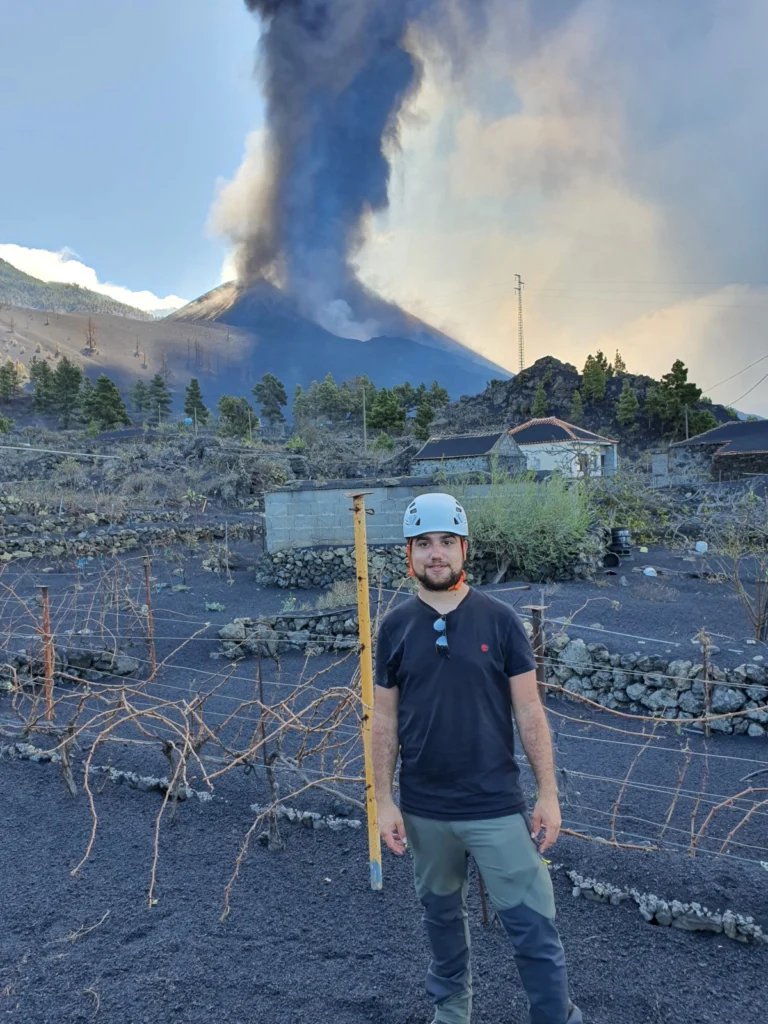
Hello Alessandro, thanks for joining us today! Before we delve deeper, could you tell us a little about yourself and your research? Hi, thank you for having me today, I am Alessandro Musu, a PhD student in Petrology and Volcanology at the University of Geneva. I have currently just started my third year. The main goal of my research is understanding the link between deep magmatic processes and eru ...[Read More]
Stratigraphy, Sedimentology and Palaeontology
Podcast conversations about geology with researchers making key contributions to our understanding of the Earth and the Solar System
I have always sought to grasp the widest spatial and temporal context in which we find ourselves. So, after completing a physics degree at Cambridge University, I focused on cosmology and did a PhD on the structure of clusters of galaxies at Oxford University. I then joined the Science Museum, London, where I discovered the challenges and rewards of conveying science to the public. In 1984, The ...[Read More]
Geodynamics
Geology bites: In conversation with researchers
We are still in a lockdown and we can still use some entertainment for when we stare at the same four walls for hours on end or go on our daily walk. Fear not, dear reader, I have got just the thing for you in these troubling times: the new podcast Geology Bites hosted by Oliver Strimpel: www.geologybites.com. Don’t fret about the name, there’s plenty of geodynamics content as well. In ...[Read More]
GeoLog
How many transdisciplinary researchers does it take to find out how an ocean sinks?
There is no shortage of increasingly uphill challenges in the current research landscape, especially for Early Career researchers: discouragingly long-standing science questions; minimal freedom for developing methodologies; invariably ambivalent proposal reviews; an academic grading scheme based mainly on publication productivity and impact; and enforced competition for few permanent research pos ...[Read More]
Hydrological Sciences
Water Researchers of Color experts in their fields
The Water Researchers of Color (WaterPOC) database is a resource that aims to add to numerous efforts in the last year to raise awareness of Black, Indigenous, and people of color (BIPOC*) in science, in this case specifically multiple disciplines intersecting with water. This resource mirrors many others, such as 500 Queer Scientists and 500 Women Scientists and numerous other databases [1], whic ...[Read More]
Natural Hazards
The multitasking skillbox of researchers, direct experiences from Early Career Scientists.
Science is “the study of the nature and behaviour of natural things and the knowledge that we obtain about them” (Collins online dictionary). In other words, science is tightly linked to gaining knowledge. However, this definition and many others never mention that to gain knowledge through science, a vast amount of experience must be acquired beforehand and put into practice every day ...[Read More]
Earth and Space Science Informatics
Good practice in the evaluation of researchers
A new statement on good practice in the evaluation of researchers and research programmes has been posted by three national academies (Académie des Sciences, Leopoldina and Royal Society). It states that “the use of bibliometric indicators for early career scientists must in particular be avoided. Such use will tend to push scientists who are building their career into wellestablished/fashio ...[Read More]