EGU Blogs

2110 search results for "researcher"

GeoEd: A risky business

GeoEd: A risky business

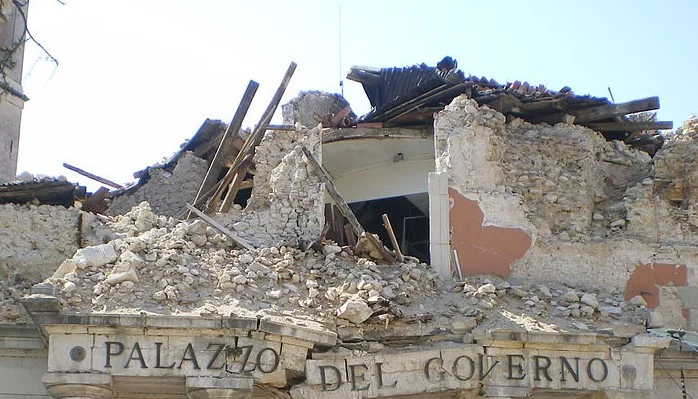
In this month’s GeoEd post, Sam Illingworth explores the pitfalls of being a scientist in the public eye. Following the recent acquittal of 6 geoscientists on manslaughter charges after ‘failing’ to predict the 2009 L’Aquila earthquake, is it time we thought about improving how risk is communicated to the wider public? At the beginning of …[Read More]

GeoTalk: Stacia Gordon

GeoTalk: Stacia Gordon

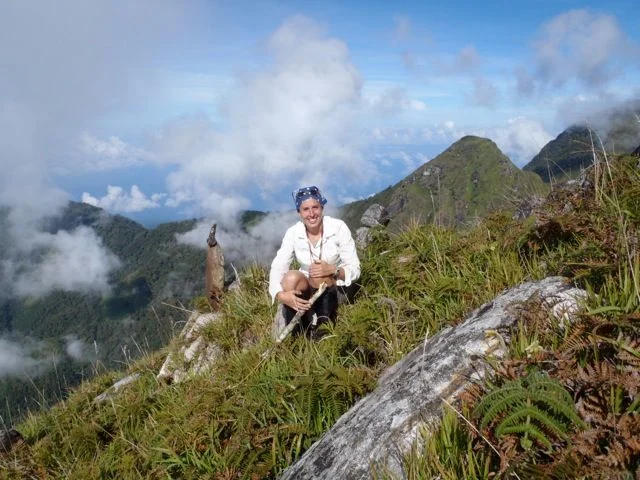
Geotalk is a regular feature highlighting early career researchers and their work. Following the EGU General Assembly, we spoke to Stacia Gordon, the winner of the Tectonics and Structural Geology Division Outstanding Young Scientist Award, 2014. First, could you introduce yourself and tell us a little more about your career path so far? My name …[Read More]

When Astronomy Gets Closer to Home: Why space weather outreach is important and how to give it impact

When Astronomy Gets Closer to Home: Why space weather outreach is important and how to give it impact

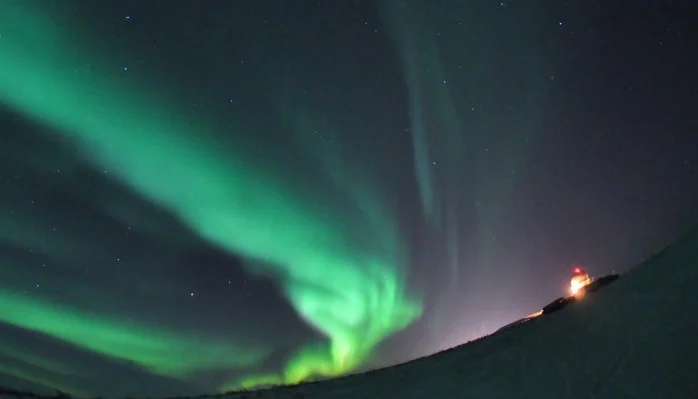
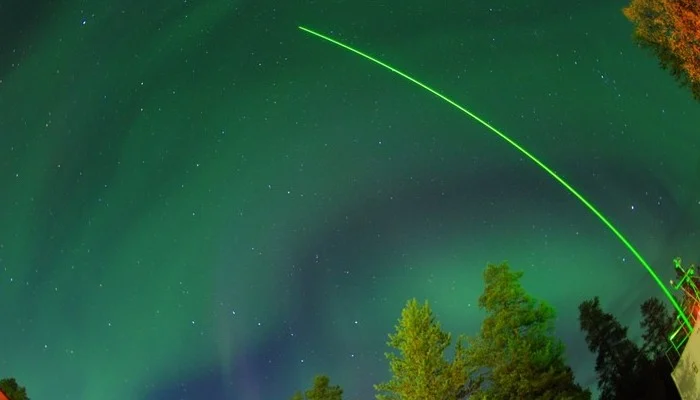
When the public think about natural hazards, space weather is not the first thing to come to mind. Yet, though uncommon, extreme space weather events can have an economic impact similar to that of large floods or earthquakes. Although there have been efforts across various sectors of society to communicate this topic, many people are …[Read More]

#EGU15 – Some Sessions of Interest (2) – Natural Hazards and Society

We’re expecting a strong GfGD presence again at the European Geosciences Union General Assembly in 2015 and look forward to meeting some of you there. Last week we noted some great sessions on natural hazards education, communications and geoethics (all with exemption from abstract processing charges). Here we note some sessions from the ‘Natural Hazards and Society’ session …[Read More]

GeoEd: Citizen Geoscience

GeoEd: Citizen Geoscience

In this month’s GeoEd column, Sam Illingworth tells us about the growing use of Citizen Science within research as a means of acquiring data. Whilst the practice is novel and offers exciting opportunities as to volumes of data collected Sam highlights the importance of appropriately crediting the work of the willing volunteers. Citizen Science is …[Read More]

Sharing my new discovery – aquatic plants are (sometimes) suitable for radiocarbon dating!

Sharing my new discovery – aquatic plants are (sometimes) suitable for radiocarbon dating!

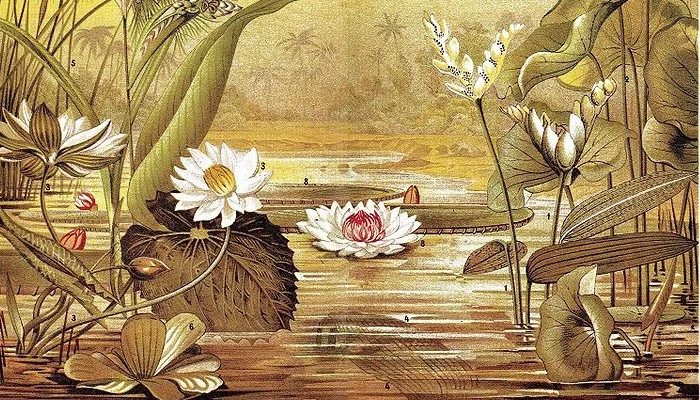
Radiocarbon dating is probably the most well-known chronological technique regularly employed by archaeologists, geomorphologists and researchers analysing sediment cores. Palaeolimnologists (those who study lake sediments) hoping to determine the age of a sample extracted from a long sediment core traditionally seek terrestrial plant macrofossils (fragments of organic matter visible without a microscope), as these are …[Read More]